Shrubby Cinquefoil
Dasiphora fruticosa
Family · Rosaceae
Shrubby cinquefoil tolerates poor soil, drought and winters below -20C but fades in humid heat. Cultivars, pruning group 10, and ASPCA pet safety.
Dasiphora fruticosa
Plant profile
- WateringLittleWater every 10 days
- Light exposurePartial sun
- Hardiness zoneUSDA 3–7
Growth
- Family
- Rosaceae
- Life cycle
- Perennial
- Growth speed
- 5/10
- Mature size
- 60–150 cm
- Spread
- 60–150 cm
- Propagation
- Seed
- Cutting
FloweringJune to September; yellow, white, pink or orange five-petaled flowers depending on cultivar
DormancyDeciduous; drops leaves and goes fully dormant in winter
Time to maturityReaches full size in about 5 to 10 years (RHS)
Soil & climate
- Soil types
- Poor to average, well-drained soil, Chalk, clay, loam or sand (RHS)
- Drought tolerance
- Yes
Light & Placement
- Where to place it
- Shrub border in full sun
- Low hedge
- Foundation planting
- Partial midday shade for pink or orange cultivars
- Large terracotta or glazed container with drainage holes
OriginTemperate Northern Hemisphere (POWO); northern North America, Europe and northern Asia (Missouri Botanical Garden)
Safety
- Toxicity
- CatsSafe
- DogsSafe
- HorsesSafe
Data fromGBIF Backbone Taxonomy: Dasiphora fruticPlants of the World Online (Kew): DasiphASPCA: Toxic and Non-Toxic Plants, CinquRHS: Potentilla fruticosa (shrubby cinquMissouri Botanical Garden Plant Finder:
Where it grows
World distribution
Shrubby Cinquefoil is native to 23 countries: Bhutan, Bulgaria, Canada, China, Croatia, Estonia, France, and Georgia….GBIF records 82,345 documented identifications across 68 countries, with the largest concentrations in United States, Canada, and France.
- Bhutan
- Bulgaria
- Canada
- China
- Croatia
- Estonia
- France
- Georgia
- India
- Ireland
- Italy
- Japan
Show 11 more countriesShow fewer countries
- Kazakhstan
- Mongolia
- Myanmar (Burma)
- Nepal
- Russia
- South Korea
- Spain
- Sweden
- Türkiye
- United Kingdom
- United States
Yellow to orange dots: concentration of documented identifications per country. Green countries: sourced native range. Source: GBIFNative range from POWO (Kew).
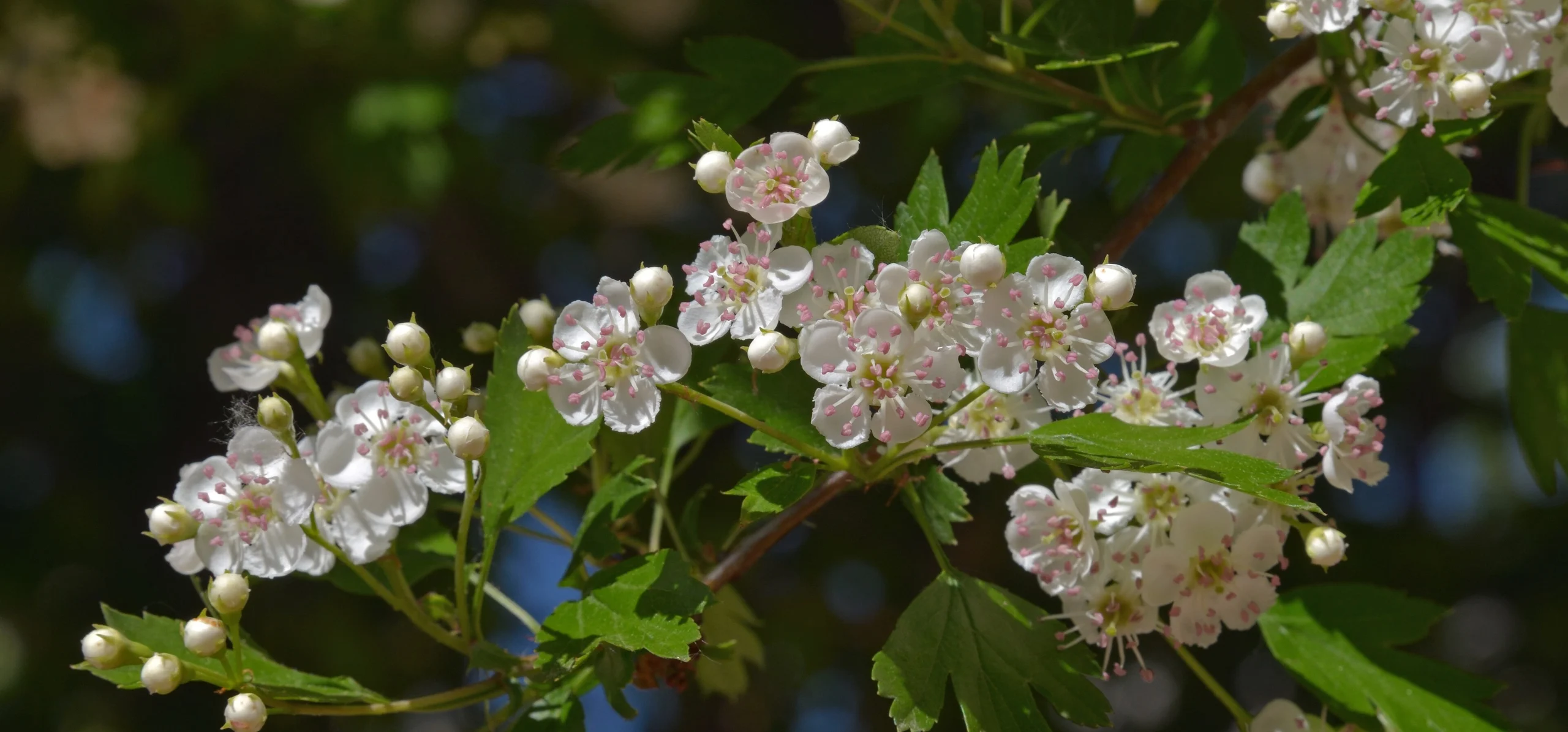
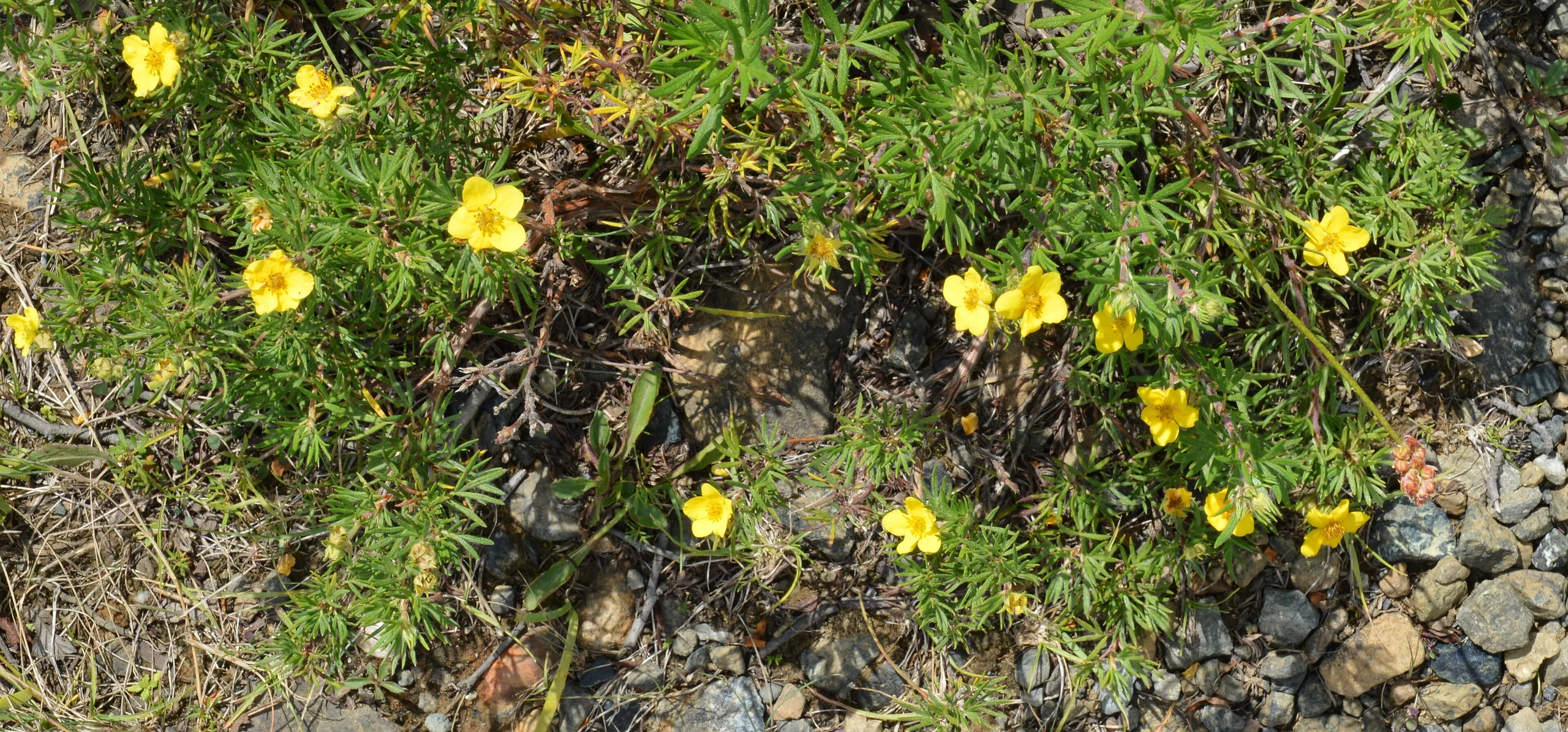
A cinquefoil sold in a nursery as a mounded shrub covered in small yellow, five-petaled flowers with fine, feathery blue-green leaves is almost always Dasiphora fruticosa, still labelled Potentilla fruticosa on most tags and in most older references. It is one of the toughest deciduous shrubs sold at general garden centres: hardy below -20 degrees Celsius (RHS rating H7), drought tolerant once its roots are established, and in flower continuously from June through September rather than for a single spring flush. The one climate it resists is heat paired with humidity, in the southeastern United States south of USDA zone 7 it commonly struggles and thins out. Left in an average, well-drained spot with a few hours of sun, it asks for almost nothing beyond an annual trim.
A shrub with two names
GBIF's accepted taxonomy places this plant in the genus Dasiphora, family Rosaceae, order Rosales, as Dasiphora fruticosa (L.) Rydb., but nearly every plant tag, nursery catalogue and older textbook still calls it Potentilla fruticosa, the name it carried for most of the twentieth century before botanists split Dasiphora out as its own genus. Both names point to the same plant, so a label reading either one is correct, only the accepted genus has changed, not the species. The common name cinquefoil comes from the compound leaf, typically built from five narrow, blue-green leaflets (cinq for five, foil for leaf), and older regional names still turn up in plant lists: yellow rose, fivefingers, golden hardhack, and widdy (Missouri Botanical Garden). Both Dasiphora and the retired Potentilla trace to the Latin potens, powerful, a nod to the plant's old reputation as a medicinal herb.
Choosing a cultivar
Wild Dasiphora fruticosa flowers yellow, but named cultivars have widened the colour range without changing the plant's basic care. 'Goldfinger' keeps the species' bright yellow but with larger flowers, up to 4 cm across, on a bushy shrub reaching 1 to 1.5 m tall (RHS), and it is the cultivar most often sold where a solid, reliable hedge of colour is wanted. 'Abbotswood' goes the other direction: a vigorous dwarf around 90 cm tall, smothered in white, buttercup-shaped flowers over fine blue-green foliage, and it keeps blooming after many other summer shrubs have finished (Missouri Botanical Garden). Pink, red and orange cultivars also exist, but RHS growing notes are explicit that their colour fades in hot midday sun, so plant these where some midday and early afternoon shade falls across the bush if flower colour matters as much as flower count.
Light and placement
Full sun produces the densest branching and the heaviest bloom; RHS rates the species suitable for full sun or partial shade in any aspect. In practice, a spot getting at least half a day of direct sun keeps a yellow or white cultivar flowering heavily from June to September. As noted above, orange, red and pink cultivars are the exception, since their petals bleach in strong midday light. Deep, continuous shade thins the plant and cuts flowering hard, this is a sun shrub first, unlike broadleaf evergreens bred for woodland-edge planting.


Soil and planting
Unlike many flowering shrubs, this one performs worse in rich soil. RHS growing notes are explicit that very fertile ground leads to lax, floppy growth and fewer flowers, so skip the compost-heavy planting hole and the annual feed. It tolerates chalk, clay, loam and sand and grows across acid, neutral and alkaline soil (RHS); the one condition it will not forgive is standing water, plant it where the ground drains within a few hours of heavy rain. Missouri Botanical Garden lists it as tolerant of clay soil, erosion-prone slopes, rabbit and deer browsing, and urban roadside conditions, which is why it turns up as often in parking-lot islands and municipal plantings as in home borders. A planting hole no deeper than the root ball and about twice as wide, backfilled with the native soil rather than amended compost, is all a new plant needs.
Watering through the seasons
New plants need consistent moisture through their first one to two growing seasons while the root system spreads outward; after that, established shrubby cinquefoil has good drought tolerance (Missouri Botanical Garden) and rarely needs supplemental water outside prolonged dry spells. Overwatering in heavy, slow-draining soil is a more common problem than underwatering, since the species is bred by its native habitat for average, well-drained ground and dislikes standing in water for extended periods (RHS). Container-grown plants dry out faster than those in open ground and need checking through summer, water when the top few centimetres of potting mix have dried rather than on a fixed schedule.
Pruning for continuous bloom
RHS places this species in pruning group 10: trim it annually rather than leaving it to grow unchecked, or the shrub turns twiggy and increasingly bare at the base within a few seasons. The recommended timing is early spring, before flower buds develop, since flowers form on new growth and pruning later in the season removes wood that would have bloomed. A light, all-over shaping cut is usually enough on a healthy plant; on an old, leggy shrub, cutting the oldest one-third of stems back hard at ground level over two or three successive years brings it back into a dense, floriferous shape without a single bare season. Deadheading is optional: spent flowers are inconspicuous, and the plant keeps producing new buds through the season regardless.
Common problems: mildew, leaf spot and heat stress
RHS calls the species generally pest-free, with honey fungus the main disease risk it names, but Missouri Botanical Garden's growing notes add powdery mildew, fungal leaf spot and spider mites as recurring problems in humid climates. The two accounts are not contradictory, they describe different growing regions. In the cool, relatively dry summers of the UK and much of the plant's native range, foliage problems stay rare. In hot, humid summer climates, especially the southeastern United States south of USDA zone 7, plants commonly struggle with heat stress alongside the same humidity that favours mildew and leaf spot, and Missouri Botanical Garden specifically advises against planting it there. Good air circulation between shrubs and avoiding overhead watering late in the day reduce both problems regardless of climate.
Toxicity and pet safety
The ASPCA lists cinquefoil, the Potentilla group that includes shrubby cinquefoil by name, as non-toxic to dogs, cats and horses, which makes this one of the safer flowering shrubs to plant somewhere a pet has access to. That record does not mean indifference is guaranteed: a dog that chews repeatedly through woody stems can still pick up minor gastrointestinal upset from the plant material itself, the way it could from almost any shrub, but there is no toxic principle on record for this species the way there is for many common garden plants.
Test your plant knowledge
Tap a card to flip it and reveal the answer.
The ASPCA lists shrubby cinquefoil as non-toxic to dogs, cats and horses. Tap to reveal ✓ True
This shrub flowers best when planted in rich, heavily composted soil. Tap to reveal ✕ False
Dasiphora fruticosa is still widely sold and described in nursery catalogues under its older name, Potentilla fruticosa. Tap to reveal ✓ True
Pink and orange-flowered cultivars hold their colour best in full, unshaded midday sun. Tap to reveal ✕ False
This shrub performs equally well in the hot, humid summers of the southeastern United States and in cool northern climates. Tap to reveal ✕ False
Sources
References consulted for this guide
- GBIF Backbone Taxonomy: Dasiphora fruticosa (L.) Rydb.gbif.org
- Plants of the World Online (Kew): Dasiphora fruticosa (L.) Rydb.powo.science.kew.org
- ASPCA: Toxic and Non-Toxic Plants, Cinquefoilaspca.org
- RHS: Potentilla fruticosa (shrubby cinquefoil)rhs.org.uk
- Missouri Botanical Garden Plant Finder: Potentilla fruticosamissouribotanicalgarden.org
- Reference entity : Wikipédiaen.wikipedia.org