Wild Strawberry
Fragaria vesca
Family · Rosaceae
Fragaria vesca fruits in shade or sun, from running wild plants or runnerless alpine seed strains. Covers stratification, division, slugs, birds and pet safety.
Fragaria vesca
Plant profile
- WateringModerateWater every 4 days
- Light exposurePartial sun
- Ideal temperature-20–-15 °C
Growth
- Family
- Rosaceae
- Life cycle
- Perennial
- Growth speed
- 6/10
- Mature size
- 10–50 cm
- Spread
- 50–100 cm
- Flowering
- Late spring through summer, some forms into autumn
- Propagation
- Seed
- Division
- Offsets
Dormancydies back in cold winters, regrowing from the crown in spring
Time to maturity1-2 years to full cropping
Soil & climate
- Soil types
- clay, loam, sand
- Drought tolerance
- No
Light & Placement
- Where to place it
- bright windowsill for germinating seed trays
- woodland edge
- shaded path
- border edging
- ground cover under fruit trees
- strawberry pot
OriginTemperate Northern Hemisphere: Europe to Siberia and Xinjiang, Macaronesia, North America to Guatemala
Safety
- Toxicity
- CatsSafe
- DogsSafe
- HorsesSafe
- HumansSafe
Invasive speciesspreads readily by rooting runners and can naturalize outside cultivation; not regulated as an invasive species
Data fromFragaria vesca L., GBIF Backbone TaxonomFragaria vesca L., Plants of the World ORHS: Fragaria vesca (alpine strawberry, ASPCA: Wild Strawberry toxicity to pets
Where it grows
World distribution
Wild Strawberry is native to 39 countries: Albania, Austria, Belarus, Belgium, Bulgaria, Canada, China, and Croatia….GBIF records 817,982 documented identifications across 107 countries, with the largest concentrations in France, United Kingdom, and Germany.
- Albania
- Austria
- Belarus
- Belgium
- Bulgaria
- Canada
- China
- Croatia
- Czechia
- Denmark
- Estonia
- Finland
Show 27 more countriesShow fewer countries
- France
- Georgia
- Germany
- Greece
- Guatemala
- Hungary
- Iceland
- Iran
- Ireland
- Italy
- Kazakhstan
- Kyrgyzstan
- Lebanon
- Mexico
- Netherlands
- Norway
- Poland
- Portugal
- Romania
- Russia
- Spain
- Sweden
- Switzerland
- Türkiye
- Ukraine
- United Kingdom
- United States
Yellow to orange dots: concentration of documented identifications per country. Green countries: sourced native range. Source: GBIFNative range from POWO (Kew).
One Species, Two Very Different Strawberries
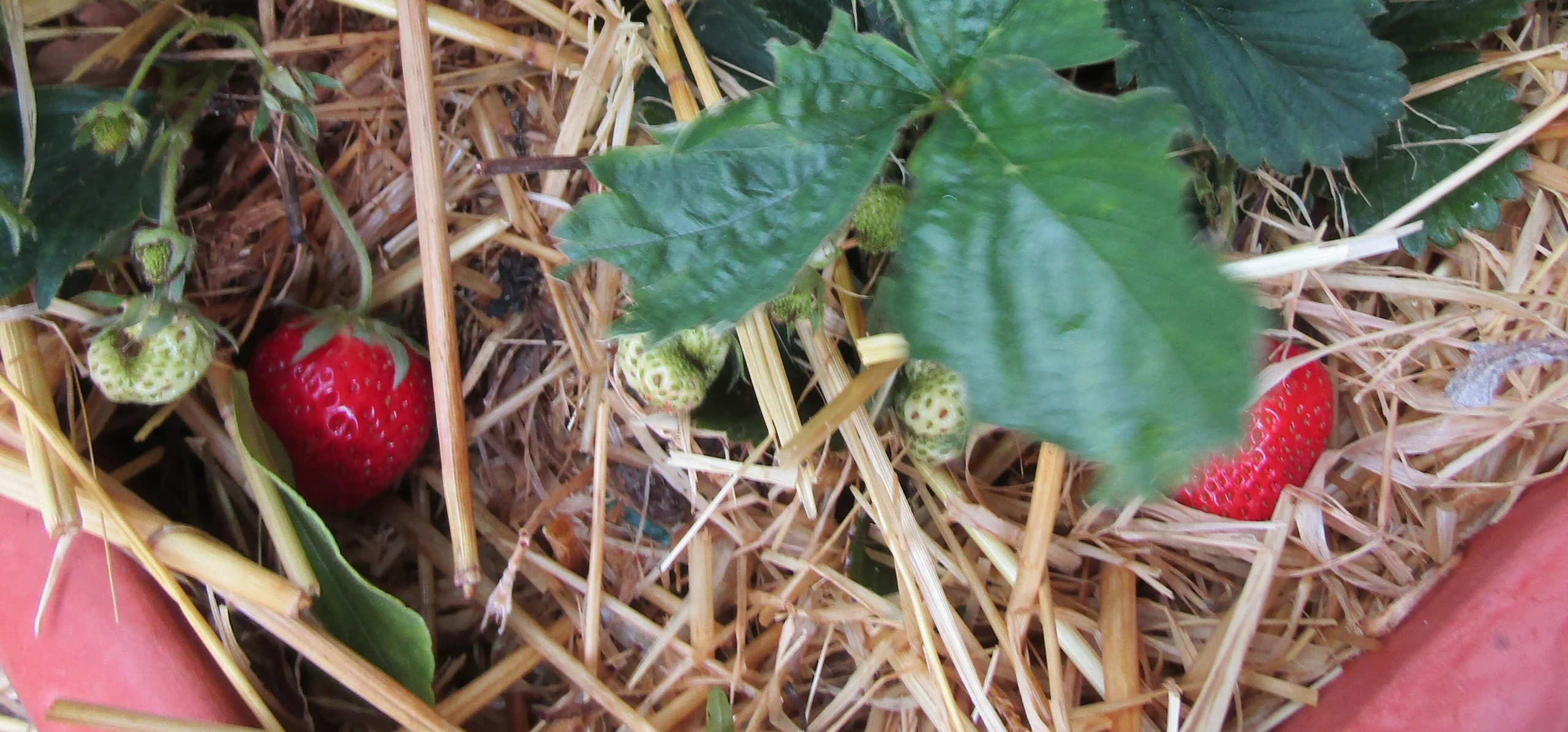
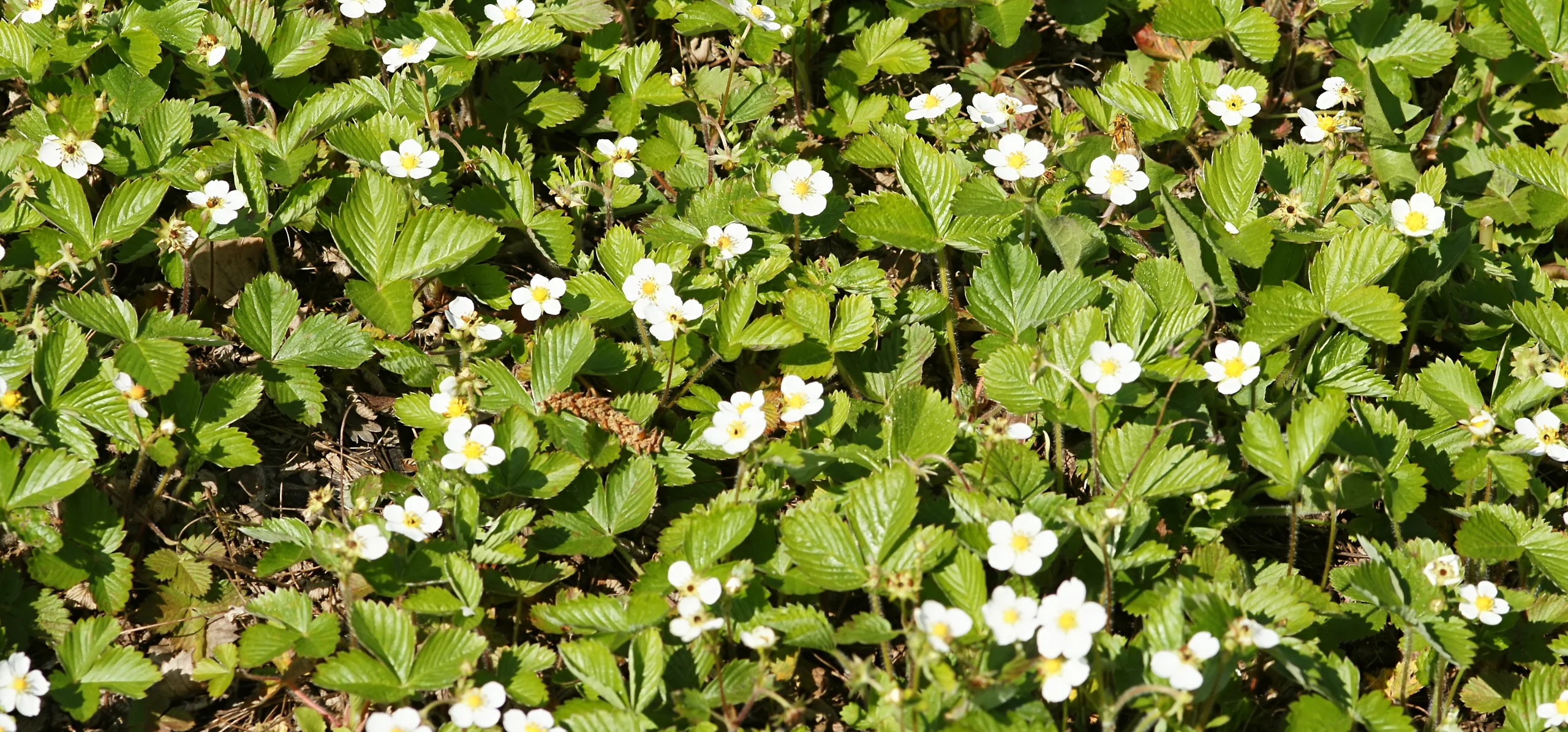
Fragaria vesca is the small woodland species behind both the creeping "wild strawberry" that colonizes hedge banks and shaded verges, and the clump-forming alpine strawberry sold as seed under names like 'Mignonette' and 'Alexandria'. The fruit on either form rarely exceeds the size of a fingernail, but it carries a concentrated, perfumed sweetness that the large-fruited garden strawberry never quite matches, ask anyone who has tasted both side by side which they would rather have a small bowl of. The wild type spreads by wiry red runners that root at every node and can cover a shaded slope within two seasons, useful as ground cover but a nuisance at the edge of a tidy border. Alpine cultivars were selected specifically to skip runner production: they stay in a tight rosette, flower and fruit continuously from early summer into autumn, and are raised from seed rather than propagated from runners, since seed-grown plants come true to type.
Sowing Seed on the Surface, After a Cold Spell
The seed is dust-fine and needs light to germinate, so it is never buried, just pressed onto the surface of moist, gritty seed compost and left uncovered on a bright windowsill. At room temperature germination is slow and patchy; a spell of cold first breaks that dormancy far more reliably. Commercial packets of 'Mignonette' and 'Alexandria' generally call for around four weeks of chilling, either sown in autumn and overwintered outdoors in a cold frame, or sealed on damp paper towel in a bag in the refrigerator before sowing in spring. Seedlings stay tiny for weeks, the first true trifoliate leaf takes roughly ten days to unfurl, and a plant raised this way typically flowers by its first autumn with a full crop the following year.
Dividing an Established Clump
Where more plants fast matters more than seed-raised trueness, division beats sowing. The wild running type throws plantlets along each runner; once a plantlet has rooted into the soil and formed its own small crown, sever it from the parent runner with a sharp knife and it grows on as an independent plant within days. Runnerless alpine clumps need a different approach: lift the whole crown in spring or autumn, pull or cut it into sections that each keep both roots and a growing point, and replant immediately at the same depth. Either method sidesteps the weeks of stratification and slow growth that seed demands.


Shade Tolerance, Ground Cover and Edging
Fragaria vesca is one of the few fruiting plants that keeps cropping in part shade, tolerating the dappled light under deciduous trees that would stop a garden strawberry from setting fruit at all, though a sunnier spot still produces a heavier and sweeter harvest. That shade tolerance, paired with the wild type's low, spreading habit, makes it a workable edible ground cover under fruit trees or along a shaded path where little else fruits reliably. The same low habit suits path and border edging in a sunnier position, particularly the runnerless alpine forms, which hold a neat mound instead of wandering into the lawn the way the wild type does.
Why the Fruit Stays So Small
The berries stay tiny because Fragaria vesca is diploid, carrying two sets of chromosomes, while the cultivated garden strawberry is octoploid with eight; that extra genetic material is what allows modern varieties to swell their fruit to many times the size. Generations of breeding went into enlarging the garden strawberry, not into this species, so a wild or alpine strawberry planting will never bulk up in fruit size no matter how well it is fed or watered. Concentrated flavor rather than yield is the entire case for growing it, and it is worth setting that expectation before planting a patch expecting punnets of fruit.
Slugs and Birds: the Two Real Threats to the Crop
Ripe fruit sits low, close to damp soil and sheltering foliage, exactly where slugs feed at night, and a planting left unmulched often loses more berries to slug rasping than to any pest above ground; a collar of grit or crushed shell around each plant cuts the losses noticeably. Birds are the other reliable loss: blackbirds and thrushes can strip a patch of ripe fruit within a day if it is left uncovered, and because the crop ripens gradually over many weeks rather than all at once, netting has to stay in place for the whole season rather than a single fortnight. Aphids on new growth and grey mould on fruit sitting in damp, still air are lesser but recurring problems in a wet summer.
Wild Strawberry Versus Mock Strawberry
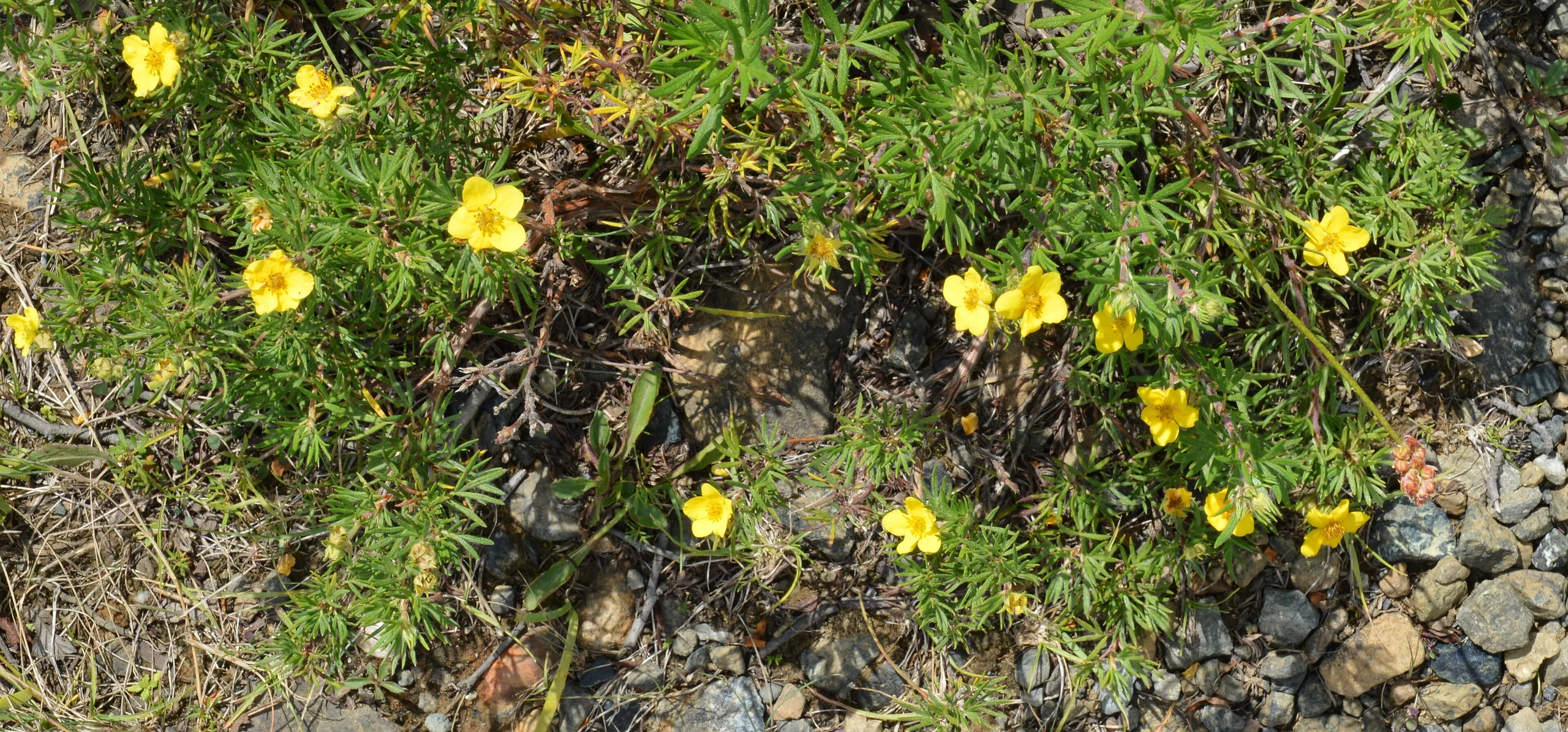
A patch that looks like wild strawberry but carries yellow flowers instead of white, with dry, cottony, nearly flavorless fruit, is almost always Potentilla indica, the unrelated mock strawberry, not Fragaria vesca at all.
Safe for Cats, Dogs, Horses and People
The ASPCA lists wild strawberry as non-toxic to dogs, cats and horses, and the fruit is of course edible for people too, though the leaves and unripe berries are eaten far less often than the ripe fruit itself. A patch within reach of a grazing pet or a curious dog is not a hazard the way many ornamental berries are, one of the few points on which the wild species and the cultivated garden strawberry agree completely.
Test your plant knowledge
Tap a card to flip it and reveal the answer.
Alpine strawberry varieties like 'Mignonette' and 'Alexandria' are usually runnerless. Tap to reveal ✓ True
Wild strawberry seed germinates best when buried deep in the compost. Tap to reveal ✕ False
Fragaria vesca produces small fruit partly because it carries fewer chromosome sets than the large-fruited garden strawberry. Tap to reveal ✓ True
Wild strawberry stops fruiting completely if it is grown in part shade. Tap to reveal ✕ False
The ASPCA lists wild strawberry as non-toxic to cats, dogs and horses. Tap to reveal ✓ True
Sources
References consulted for this guide
- Fragaria vesca L., GBIF Backbone Taxonomygbif.org
- Fragaria vesca L., Plants of the World Online, Kew Sciencepowo.science.kew.org
- RHS: Fragaria vesca (alpine strawberry, wild strawberry)rhs.org.uk
- ASPCA: Wild Strawberry toxicity to petsaspca.org
- Reference entity : Wikipédiaen.wikipedia.org