
Wingpod Purslane
Portulaca umbraticola
Family · Portulacaceae
Wingpod purslane needs full sun to open its flowers, gritty fast-draining soil, and almost no water once established: here is how to grow it well.
Portulaca umbraticola
Plant profile
- WateringLittleWater every 10 days
- Light exposureFull sun
Growth
- Family
- Portulacaceae
- Life cycle
- Annual
- Growth speed
- 7/10
- Mature size
- 10–15 cm
- Spread
- 20–30 cm
- Flowering
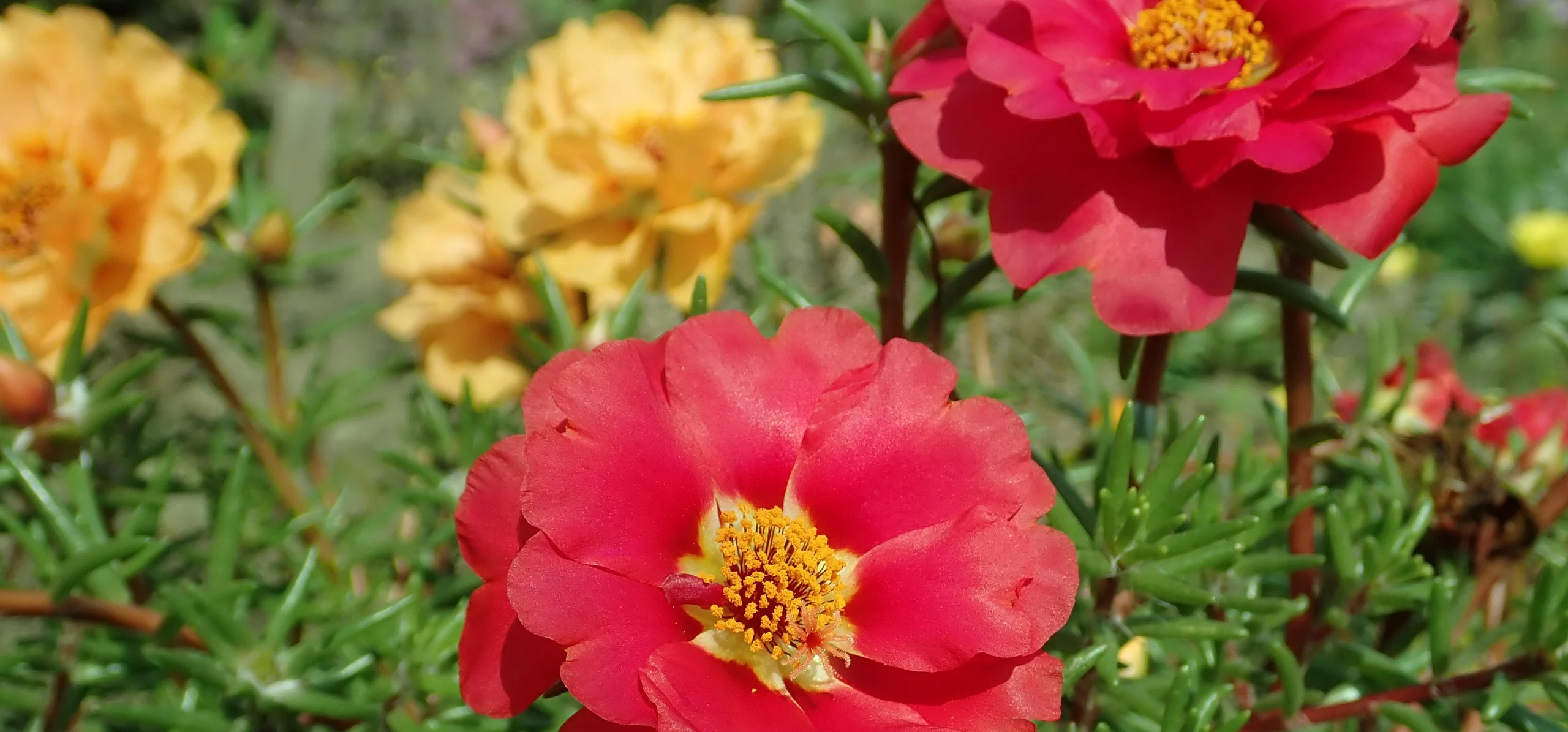
- Red and yellow flowers, May to September, open in full sun
- Propagation
- Seed
- Cutting
DormancyNone; completes its life cycle in a single warm season and may self-seed
Time to maturityFlowers within its first growing season, from sowing through summer
Soil & climate
- Soil types
- Sandy or gritty mix, Sharply well-drained, low-fertility soil
- Drought tolerance
- Yes
Light & Placement
- Origin
- Central and southeastern United States to tropical America
- Where to place it
- Bright, sunny windowsill for starting seed before the last frost
- Rock gardens and dry borders
- Hot spots near pavement or a south-facing wall
- Shallow, wide containers with drainage holes
- Hanging baskets for trailing stems
Safety
- Toxicity
- Not specifically listed by the ASPCA; a related purslane species is toxic to pets
- Pet safe
- No
Data fromPortulaca umbraticola Kunth, GBIF BackboPortulaca umbraticola Kunth, Plants of tPortulaca umbraticola Kunth, USDA PLANTSPortulaca umbraticola (wingpod purslane)Toxic and Non-toxic Plants: Portulaca, A
Where it grows
World distribution
Wingpod Purslane is native to 16 countries: Argentina, Bolivia, Brazil, Costa Rica, Cuba, Dominican Republic, Ecuador, and El Salvador….GBIF records 3,971 documented identifications across 79 countries, with the largest concentrations in United States, Brazil, and India.
- Argentina
- Bolivia
- Brazil
- Costa Rica
- Cuba
- Dominican Republic
- Ecuador
- El Salvador
- Honduras
- Jamaica
- Mexico
- Nicaragua
Show 4 more countriesShow fewer countries
- Paraguay
- Peru
- United States
- Venezuela
Yellow to orange dots: concentration of documented identifications per country. Green countries: sourced native range. Source: GBIFNative range from POWO (Kew).
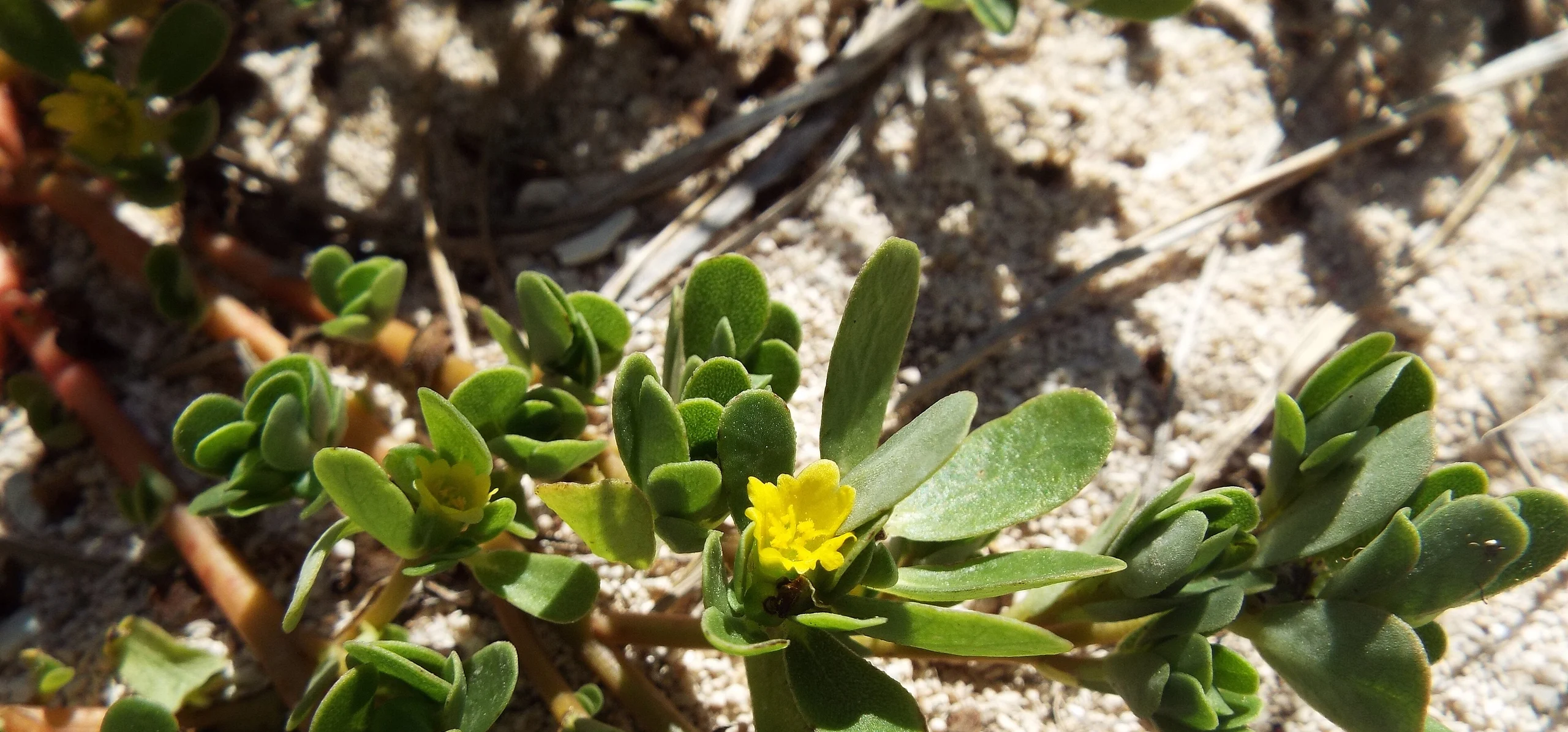
Portulaca umbraticola is a low, sprawling succulent that spends the hottest weeks of summer doing what most bedding plants quit doing: opening fresh flowers every clear morning and closing them again by early afternoon or on any overcast day. The fleshy, paddle-shaped leaves store enough water that a container left dry for a week barely wilts, and the winged seed capsule that gives the plant its common name, wingpod purslane, sets it apart from the weedy purslane already growing in most vegetable beds. Native to the warmer parts of the United States and tropical America, it spreads into a mat of prostrate to slightly upright stems rarely taller than 15 cm, so it earns its keep at the front of a border, in a hanging basket, or crammed into the cracks of a dry stone path.
A Wing on the Seed Pod, Not on the Common Purslane in the Garden
GBIF lists the accepted name as Portulaca umbraticola Kunth, in the purslane family Portulacaceae alongside the edible weed Portulaca oleracea that seeds itself into vegetable beds uninvited. The two are easy to tell apart once you know what to look for: after umbraticola flowers, the seed capsule splits open around a thin, papery wing or collar that oleracea's capsule lacks, and that wing is the origin of the common name wingpod purslane. Plants of the World Online lists its native range as the central and southeastern United States through tropical America, and the USDA Plants database confirms it as native across the lower 48 states, from states like Texas and Arizona east to Georgia and South Carolina. In frost-free tropical gardens it has also naturalised as an ornamental, but across most of its native range it germinates, flowers and dies within a single warm season.
Choosing a Spot: Heat, Full Sun and Containers
This is not a plant to tuck into a shady corner and hope it copes. The flowers only open in direct light, and a plant kept in part shade produces plenty of leaf and almost no colour, since the buds simply stay shut. Give it the hottest, most exposed spot available: a south-facing bed, a gravel path edge, the rim of a terracotta pot on a sunny patio, or a hanging basket where the stems can trail over the side. Reflected heat off paving or a wall does not scorch it the way it would scorch a leafier plant; if anything, the extra warmth pushes more flowers open earlier in the day. Start seed on a bright windowsill four to six weeks before the last frost if your season is short, then move seedlings out once nights stay reliably above freezing.


Soil That Drains in Seconds, Not Hours
Skip the compost-enriched planting hole that most bedding plants appreciate. Wingpod purslane is built like a small cactus, with fleshy stems and leaves that store water, and it is far more likely to rot in rich, moisture-retentive soil than to starve in poor ground. A sandy or gritty mix, the kind sold for cactus and succulents, or ordinary garden soil cut with coarse sand or perlite, suits it well. In a container, add extra drainage material at the base and choose a pot with a real drainage hole rather than a saucer that traps water; a plant sitting in standing water for more than a day or two starts to soften and blacken at the base of the stems.
Watering: Let It Dry Out Between Waterings
Overwatering, not underwatering, kills more wingpod purslane than any other single mistake. Wait until the top few centimetres of soil are fully dry before watering again, then soak thoroughly rather than sprinkling; established plants in open ground often need no supplemental water at all once summer heat sets in, drawing instead on whatever rain falls. Container plants dry out faster and need checking every few days in hot weather, but the same rule holds: water when the mix is dry, not on a fixed schedule. A plant that wilts from thirst usually recovers within hours of a good soak; one that has sat wet for days rarely does.
Feeding and Keeping It Bushy Through the Season
Skip or halve the fertiliser most container plants get. A monthly feed at half the label strength, or a single slow-release pellet mixed into the potting mix at planting, is plenty; too much nitrogen produces soft, leggy stems that flop and flower less. Deadheading spent flowers is optional rather than essential, since new buds open daily regardless, but pinching back leggy stems by a few centimetres in midsummer thickens the plant and triggers a fresh flush of flowers rather than letting it thin out and sprawl toward autumn.
Growing From Seed or Stem Cuttings
Both methods work reliably. Sow the fine seed on the surface of a gritty seed mix without covering it, since it needs light to germinate, and keep it lightly moist until seedlings appear. Stem cuttings root even faster: snip a piece a few centimetres long, let the cut end callus over for a day in the open air the way you would with any succulent, then push it into barely damp sandy soil, where roots typically form within days. Because a broken stem roots so easily on its own, a single specimen can fill a hanging basket or a strip of border by midsummer from cuttings taken in spring.
Common Mistakes
Planting it in a shaded bed and waiting for flowers that never fully open is the most common disappointment; move it to full sun and the difference shows within days. The second mistake is treating it like a thirsty bedding annual and watering on the same schedule as the petunias or impatiens nearby, which waterlogs the roots long before the top growth shows any stress. The third is confusing it, in a vegetable patch, with the common purslane (Portulaca oleracea) that self-sows as a weed; the winged seed capsule and the larger, more colourful flowers are the easiest way to tell them apart. On pets: the ASPCA does not carry a listing specifically for Portulaca umbraticola, but it does list the related common purslane as toxic to cats, dogs and horses because of soluble calcium oxalates, so it is worth keeping curious pets from grazing on this one too until it has been evaluated on its own.
Test your plant knowledge
Tap a card to flip it and reveal the answer.
Wingpod purslane's flowers stay fully open on shaded or overcast days. Tap to reveal ✕ False
The USDA Plants database lists this species as native to the lower 48 United States. Tap to reveal ✓ True
The common name 'wingpod' refers to a membranous wing on the seed capsule. Tap to reveal ✓ True
This plant grows best in constantly moist, rich soil. Tap to reveal ✕ False
The ASPCA specifically lists Portulaca umbraticola as toxic to cats and dogs. Tap to reveal ✕ False
Sources
References consulted for this guide
- Portulaca umbraticola Kunth, GBIF Backbone Taxonomygbif.org
- Portulaca umbraticola Kunth, Plants of the World Online, Kew Sciencepowo.science.kew.org
- Portulaca umbraticola Kunth, USDA PLANTS Databaseplants.usda.gov
- Portulaca umbraticola (wingpod purslane), Lady Bird Johnson Wildflower Centerwildflower.org
- Toxic and Non-toxic Plants: Portulaca, ASPCAaspca.org
- Reference entity : Wikipédiaen.wikipedia.org