Radish
Raphanus sativus
Family · Brassicaceae
Sow radish seed a half inch deep, thin to 4 to 8 inches apart, keep the soil evenly moist, and pull most varieties in three to six weeks.
Raphanus sativus
Plant profile
- WateringModerateWater every 3 days
- Light exposurePartial sun
- Ideal temperature10–21 °C
- Hardiness zoneUSDA 2–11
Growth
- Family
- Brassicaceae
- Life cycle
- Annual
- Growth speed
- 9/10
- Mature size
- 15–91 cm
- Spread
- 30–61 cm
- Flowering
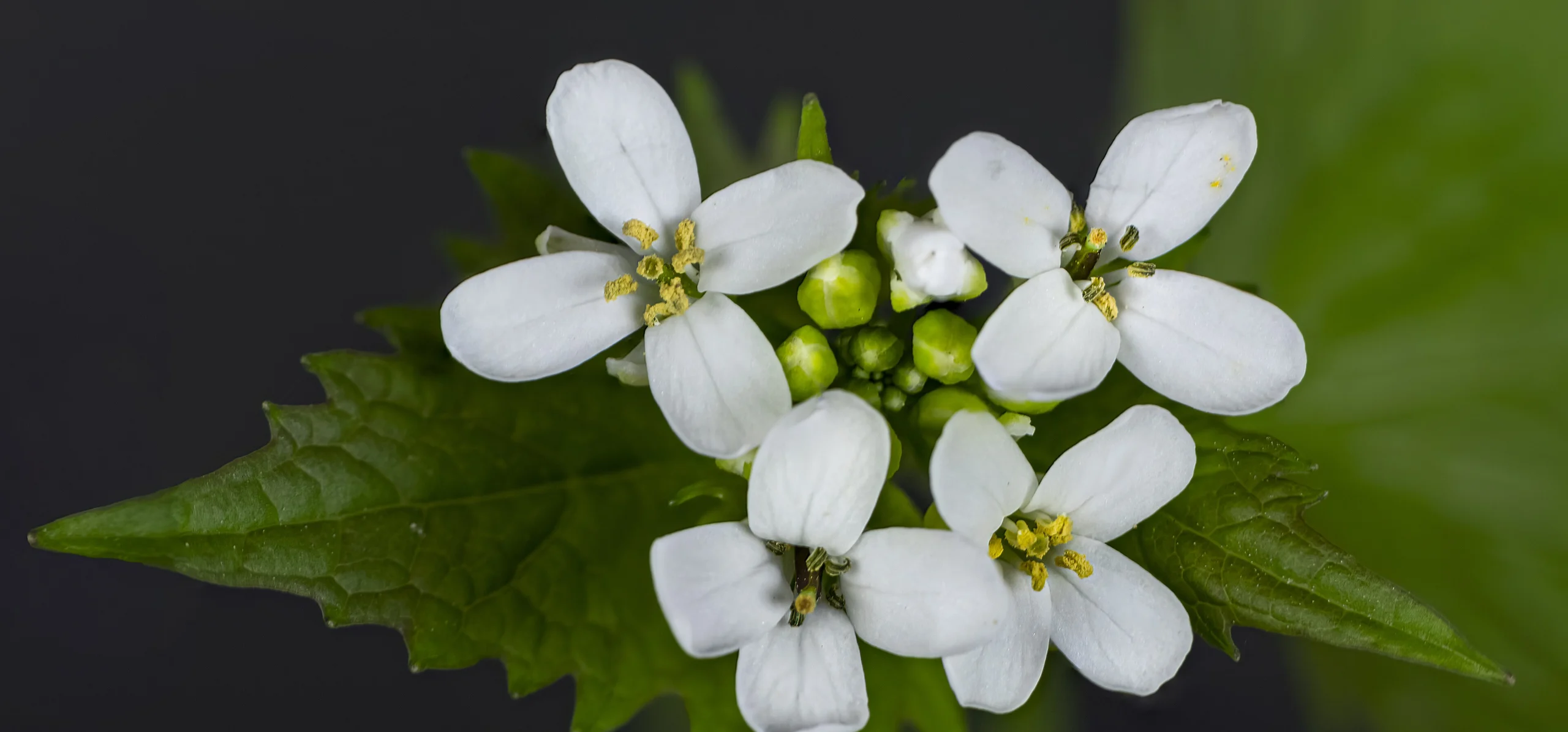
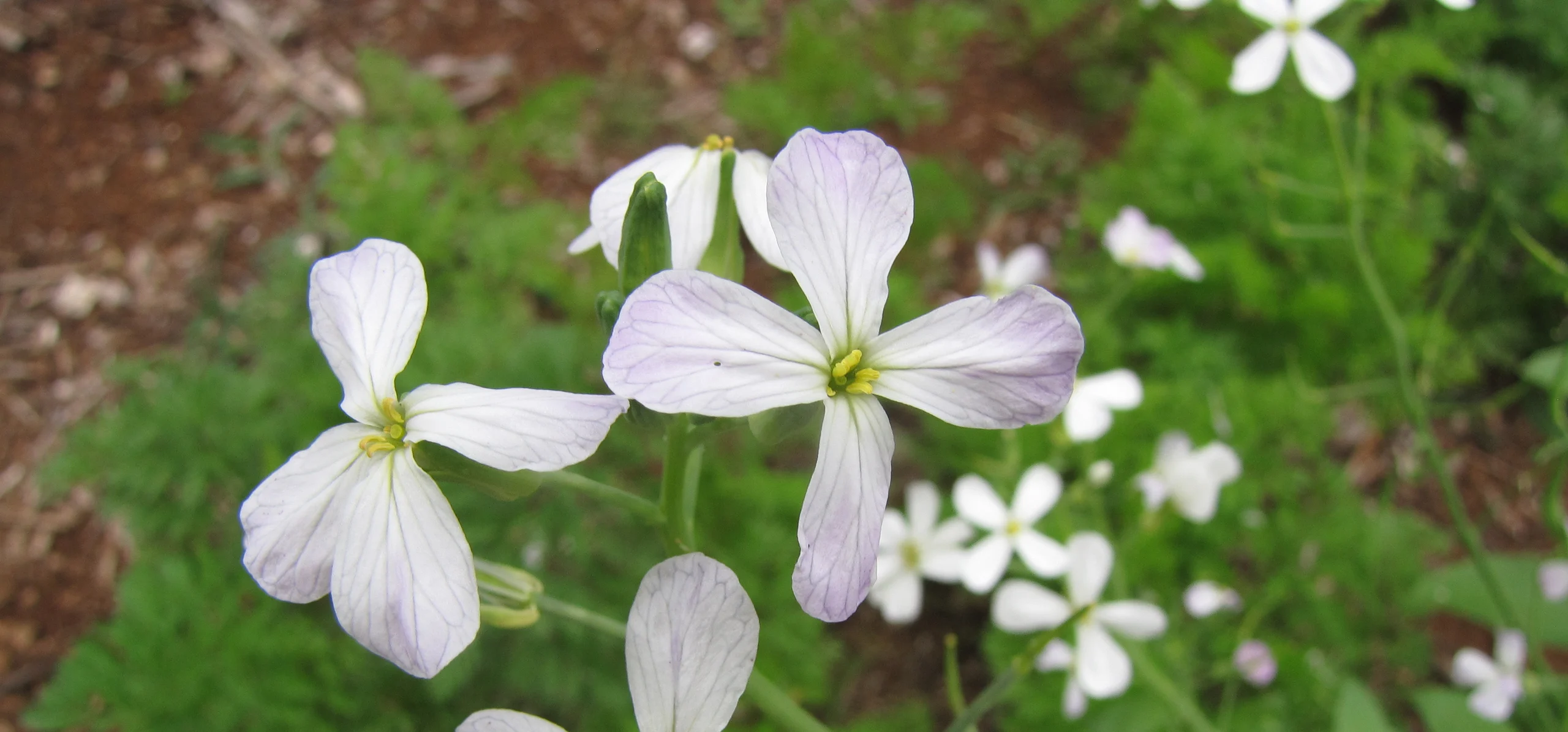
- Bolts to small white or pale purple flowers if left past harvest
- Propagation
- Seed
Time to maturity3 to 6 weeks from sowing
Soil & climate
- Soil pH
- pH 6–6.5
- Soil types
- sandy loam
- Drought tolerance
- No
Light & Placement
- Origin
- Mediterranean (cultigen)
- Where to place it
- open vegetable bed
- raised bed
- full-sun container
Safety
- Toxicity
- Not listed by ASPCA; handling roots/leaves can mildly irritate skin
Data fromGBIF Backbone Taxonomy: Raphanus sativusPlants of the World Online (Kew): RaphanClemson Cooperative Extension, HGIC: CarUC Statewide IPM Program: Cultural Tips NC State Extension Gardener Plant Toolbo
Where it grows
World distribution
Radish is native to 3 countries: Croatia, Greece, and Italy.GBIF records 51,129 documented identifications across 156 countries, with the largest concentrations in United States, Netherlands, and Belgium.
- Croatia
- Greece
- Italy
Yellow to orange dots: concentration of documented identifications per country. Green countries: sourced native range. Source: GBIFNative range from POWO (Kew).
A packet of radish seeds is one of the fastest payoffs in a vegetable garden: sow a row of round varieties and most are ready to pull in three to four weeks, some in as little as twenty-one days. Raphanus sativus asks for little beyond loose soil, steady moisture and full sun, but three mistakes ruin more rows than anything else: sowing too thick and never thinning, letting the soil dry out between waterings, and planting straight into a summer heatwave. Get the timing and spacing right and a single bed can hand you a fresh pull every week from early spring into autumn.
Choosing a Radish: Quick Salad Types vs. Winter Radishes
Not every radish behaves the same way. Fast round varieties such as 'Cherry Belle' and 'Scarlet Globe' are bred to size up in about three to four weeks and are pulled small, before the red skin passes roughly one inch (2.5 cm) across; white types like 'April Cross' and 'Summer Cross' are harvested even smaller, closer to three quarters of an inch (2 cm), or they turn pithy fast. 'French Breakfast' types (elongated, red with a white tip) sit in between on timing. Winter and daikon-type radishes are a different crop: they mature more slowly, grow root lengths that can run from a single inch to several feet depending on the cultivar, and store far longer once pulled. If storage matters more than speed, plant a winter type in late summer rather than a spring salad radish.
Sowing Depth, Spacing and Succession
Direct-sow seed about half an inch (1.3 cm) deep; radishes resent transplanting and rarely recover well from having their taproot disturbed. Space rows 12 to 24 inches (30 to 60 cm) apart, drop seed roughly an inch apart along the row, then thin seedlings to 4 to 8 inches (10 to 20 cm), giving the larger winter and daikon types the wider spacing. Because a single sowing matures all at once, the trick to a steady supply is succession: sow a short row every 7 to 10 days through spring, switch to a fall window once summer heat passes, and let each batch overlap the last.
Sun, Soil and a Word on pH
Radishes want full sun, six or more hours a day, though they tolerate two to six hours of partial shade at the cost of slower, smaller roots. Soil should be deep, loose and free of stones: a sandy or sandy loam texture lets the root swell without forking, while compacted or rocky ground produces stunted, twisted roots. Aim for a pH of 6.0 to 6.5. Work compost or aged manure in ahead of sowing rather than fresh manure, which pushes leafy top growth at the expense of the root.
Watering: Consistency Beats Quantity
The single biggest lever on flavor and texture is even moisture, not total water. Keep the soil consistently damp from sowing through harvest: dry, crusted soil at the seedling stage stalls germination and stunts the young root, while any dry spell later on concentrates the mustard-oil compounds that give radish its bite, leaving roots hot, woody and pithy instead of crisp. A light, even watering every two to three days in dry weather, backed by a thin mulch to slow evaporation, keeps growth steady.
How often to water your Radish
Feed lightly if at all. On thin soil, a modest nitrogen application, on the order of half a pound to a pound per 100 feet of row, is enough; more than that grows handsome leaves and a disappointing root.
Thinning and the Mistakes That Ruin a Row
Thin ruthlessly and early, as soon as the first true leaves appear; radishes left crowded stay skinny and never bulk up, no matter how long they sit in the ground. Heat is the other repeat offender: once temperatures climb above about 80 °F (27 °C), radishes bolt, sending up a flower stalk while the root turns woody and sharp, so push spring sowings early and hold fall sowings until the heat breaks. Handling a large batch of roots and leaves can also mildly irritate skin, a side effect of the same mustard-oil compounds that give the crop its heat, so rinse hands after a big harvest if they feel prickly.
Pests and Diseases to Watch
Flea beetles are the most common early-season problem, peppering young leaves with small round holes; a floating row cover over freshly sown seed keeps them off without spraying. Aphids, cabbage loopers, diamondback moths and cutworms all turn up on radish foliage through the season, and in damp gardens slugs, snails and sowbugs shelter under the leaves and chew the shoulders of the root. Leaf spot and root rot diseases follow wet, poorly drained soil more often than they follow any particular pest, which is one more reason the free-draining, sandy loam bed matters as much as watering habits.
Harvest and Storage
Pull radishes as soon as they reach a usable size rather than waiting for a specific date; oversized roots turn spongy and hollow surprisingly fast, sometimes within days of hitting their peak. Twist and pull rather than tug straight up on compacted soil, and check a root or two from each row before committing to a full pull. Spring and summer radishes keep only about two weeks refrigerated, with tops removed to stop them drawing moisture from the root; winter and daikon types, pulled later in cooler weather, store considerably longer in a cold, humid spot such as a root cellar or the crisper drawer.
Origin, Naming and Pet Safety
Raphanus sativus traces to the Mediterranean, where it exists as a cultigen, a plant shaped by cultivation rather than a wild species with a clean native range of its own. Taxonomists differ slightly on how to file it: GBIF's accepted classification treats it as its own species, Raphanus sativus, in the family Brassicaceae, while Kew's Plants of the World Online nests the same plant as a subspecies of wild radish, Raphanus raphanistrum subsp. sativus. Both describe the same garden vegetable; the difference is bookkeeping, not biology. For pet owners, that same taxonomic overlap causes real confusion: the ASPCA's toxic-plant list carries an entry for "Wild Radish," which is Raphanus raphanistrum, a related but different, weedy plant, not the cultivated garden radish grown from a seed packet. The ASPCA has no separate listing for cultivated Raphanus sativus itself.


Test your plant knowledge
Tap a card to flip it and reveal the answer.
Radishes should be thinned so seedlings stand 4 to 8 inches apart. Tap to reveal ✓ True
Radish seedlings transplant well, so it is fine to start them indoors and move them out. Tap to reveal ✕ False
Letting the soil dry out between waterings makes radishes taste hotter and turn woody. Tap to reveal ✓ True
Temperatures above about 80 degrees Fahrenheit (27 degrees Celsius) can make radishes bolt and turn woody. Tap to reveal ✓ True
The ASPCA lists cultivated garden radish, Raphanus sativus, as toxic to cats and dogs. Tap to reveal ✕ False
Sources
References consulted for this guide
- GBIF Backbone Taxonomy: Raphanus sativus L.gbif.org
- Plants of the World Online (Kew): Raphanus sativus L.powo.science.kew.org
- Clemson Cooperative Extension, HGIC: Carrot, Beet, Radish & Parsniphgic.clemson.edu
- UC Statewide IPM Program: Cultural Tips for Growing Radishipm.ucanr.edu
- NC State Extension Gardener Plant Toolbox: Radishplants.ces.ncsu.edu
- Reference entity : Wikipédiaen.wikipedia.org