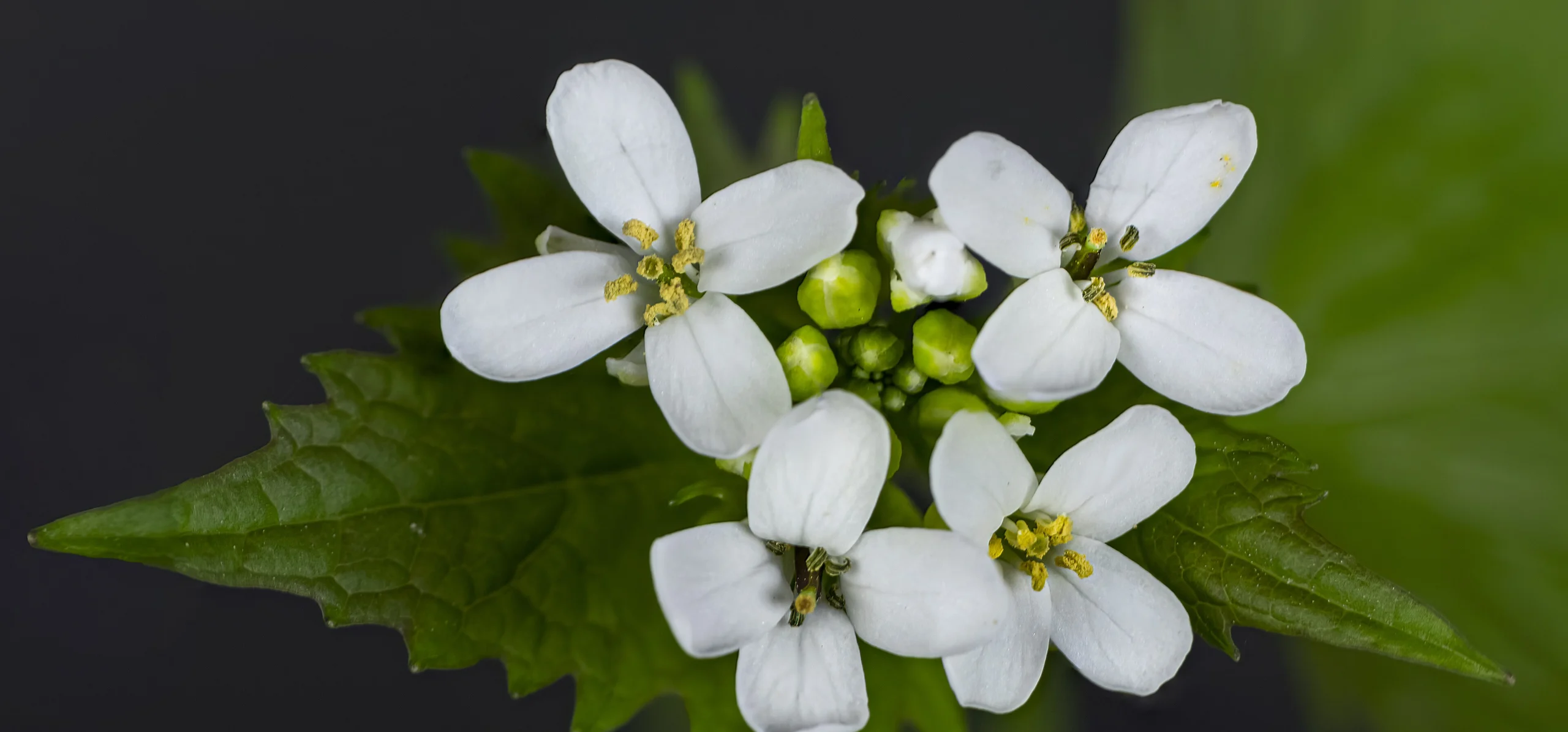
Garlic Mustard
Alliaria petiolata
Family · Brassicaceae
Garlic mustard is a shade-tolerant biennial: a traditional edible green in Europe, a regulated invasive weed in the US and Canada. Identify, pull and eat it.
Alliaria petiolata
Plant profile
- WateringLittleWater every 10 days
- Light exposurePartial shade
Growth
- Family
- Brassicaceae
- Life cycle
- Biennial
- Growth speed
- 7/10
- Mature size
- 30–120 cm
- Spread
- 5–10 cm
- Flowering
- Small white four-petaled flowers, roughly April to June, second year only
- Propagation
- Seed
Dormancyfirst-year rosette overwinters green at ground level; the whole plant dies after setting seed in its second year
Time to maturityflowers and sets seed in its second year
Soil & climate
- Soil types
- sandy, loamy, clay
- Drought tolerance
- Yes
Light & Placement
- Origin
- Europe to Central Asia and northwest Africa; introduced and invasive in North America
- Where to place it
- woodland edge
- shaded hedgerow
- disturbed shady ground
Safety
- Pet safe
- No
ToxicityNot listed by the ASPCA for cats, dogs or horses; the young leaves are traditionally eaten by humans in Europe
Invasive speciesregulated as a noxious or invasive plant across much of the northeastern and midwestern US and southern Canada; do not plant outside its native range, remove flowering stems before seed pods form
Data fromGBIF: Alliaria petiolata (M.Bieb.) CavarPlants of the World Online (Kew): AlliarRutgers Cooperative Extension FS1212: IdUniversity of Illinois Extension: Invasi
Where it grows
World distribution
Garlic Mustard is native to 48 countries: Afghanistan, Albania, Algeria, Austria, Belarus, Belgium, Bulgaria, and China….GBIF records 1,026,487 documented identifications across 79 countries, with the largest concentrations in United Kingdom, France, and Germany.
- Afghanistan
- Albania
- Algeria
- Austria
- Belarus
- Belgium
- Bulgaria
- China
- Croatia
- Cyprus
- Czechia
- Denmark
Show 36 more countriesShow fewer countries
- Estonia
- Finland
- France
- Georgia
- Germany
- Greece
- Hungary
- India
- Iran
- Iraq
- Ireland
- Italy
- Kazakhstan
- Kyrgyzstan
- Lebanon
- Morocco
- Myanmar (Burma)
- Nepal
- Netherlands
- Norway
- Pakistan
- Palestinian Territories
- Poland
- Portugal
- Romania
- Russia
- Spain
- Sweden
- Switzerland
- Tajikistan
- Tunisia
- Türkiye
- Turkmenistan
- Ukraine
- United Kingdom
- Uzbekistan
Yellow to orange dots: concentration of documented identifications per country. Green countries: sourced native range. Source: GBIFNative range from POWO (Kew).
A Biennial With Two Very Different Reputations
Alliaria petiolata, garlic mustard, is a biennial herb in the mustard family (Brassicaceae) that behaves completely differently depending on which side of the Atlantic you meet it. In its native range, Europe to Central Asia and northwest Africa, it is an unremarkable hedgerow plant and a traditional foraged green. In North America, where it arrived in the nineteenth century, it has become one of the most aggressive invaders of forest understories, regulated as a noxious or invasive plant across much of the northeastern and midwestern United States and southern Canada. If you found a patch in a garden bed, a woodland edge or a shaded hedge, the first things worth working out are which stage of its two-year cycle you are looking at, and whether you are in a region where it needs to come out rather than be left alone.
GBIF's accepted name for the species is Alliaria petiolata (M.Bieb.) Cavara & Grande, family Brassicaceae, order Brassicales. Older herbals and some regional floras still use synonyms such as Alliaria officinalis or Sisymbrium alliaria for the same plant, and the genus name nods to the garlic smell that gives it away in the hand.
Identifying the Rosette and the Flowering Stalk
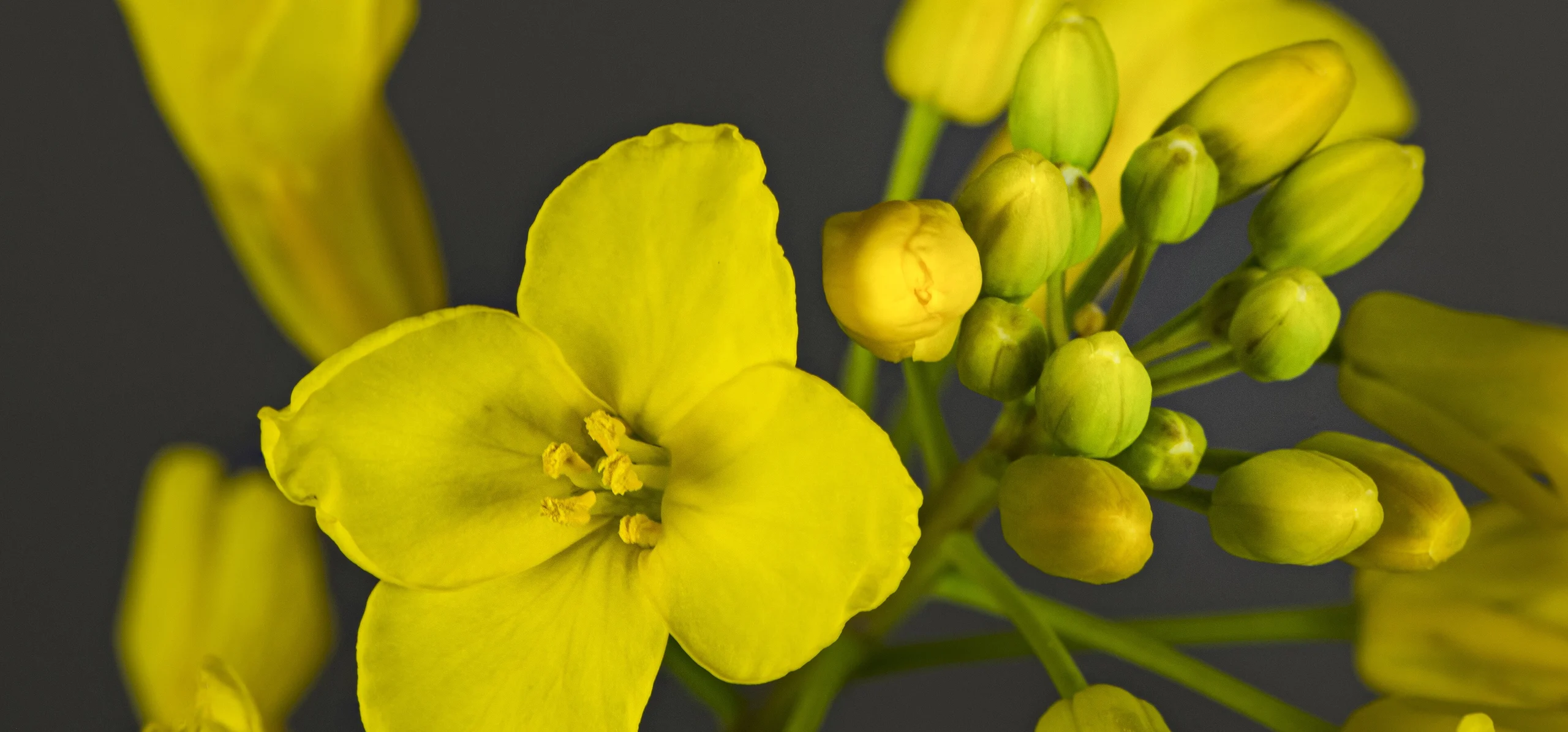
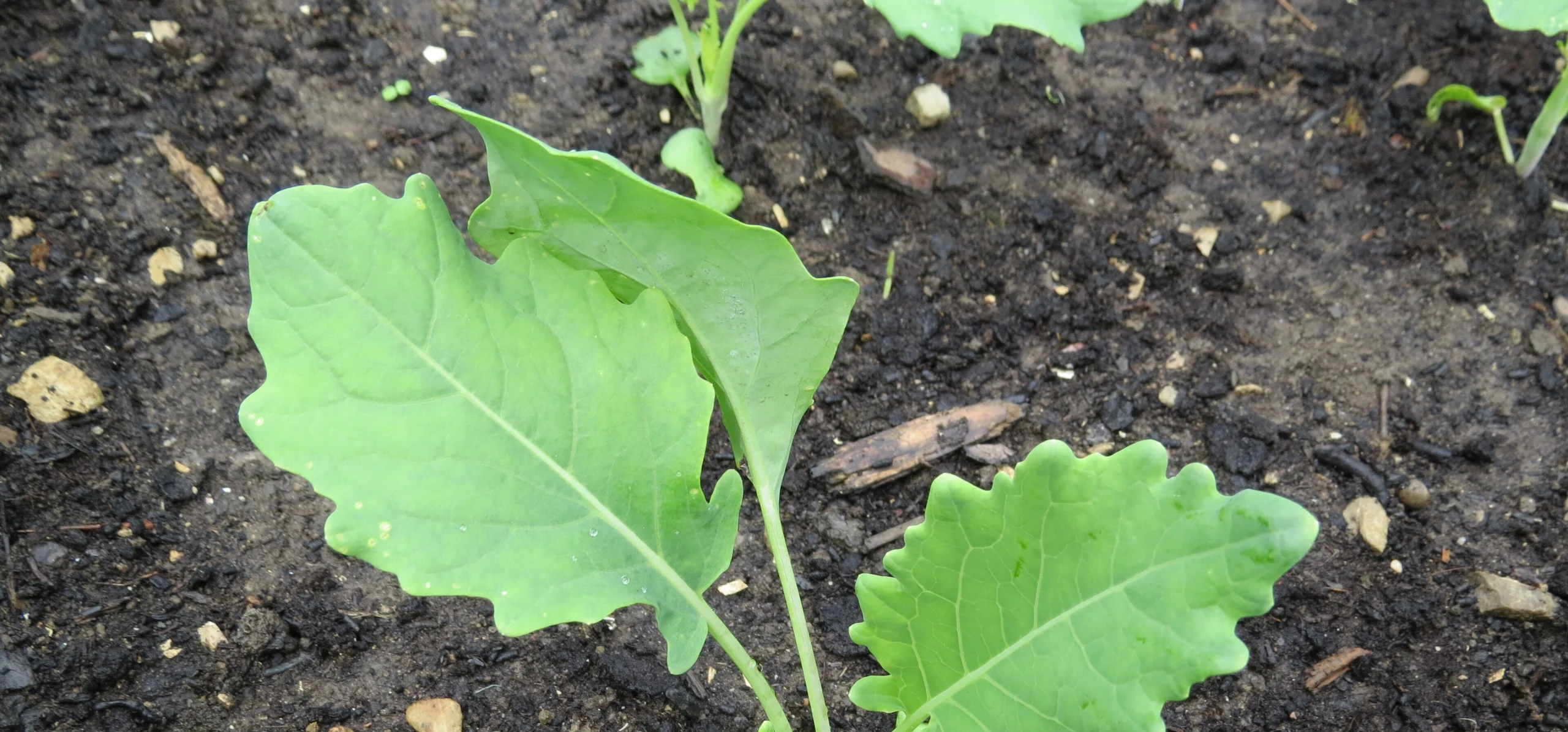
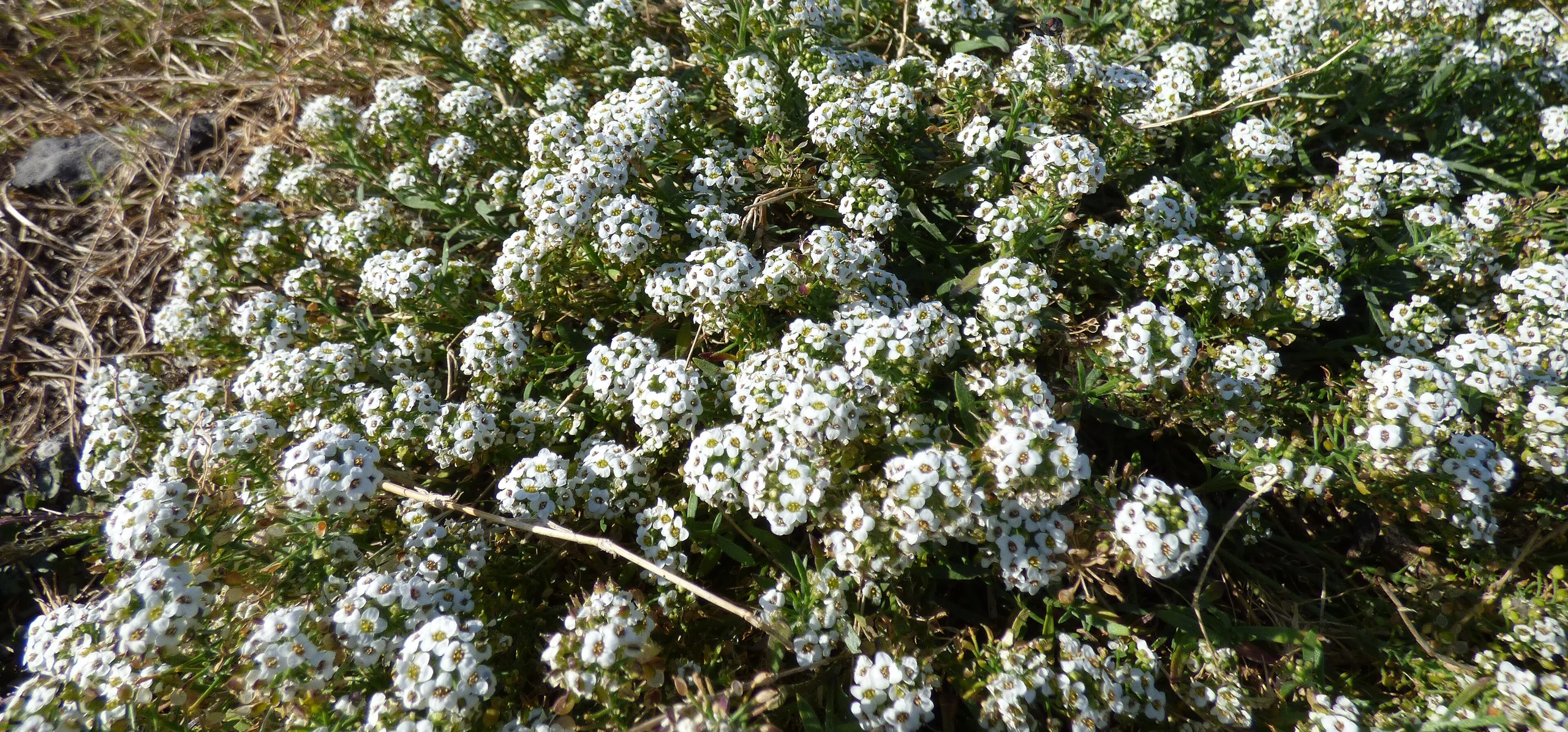
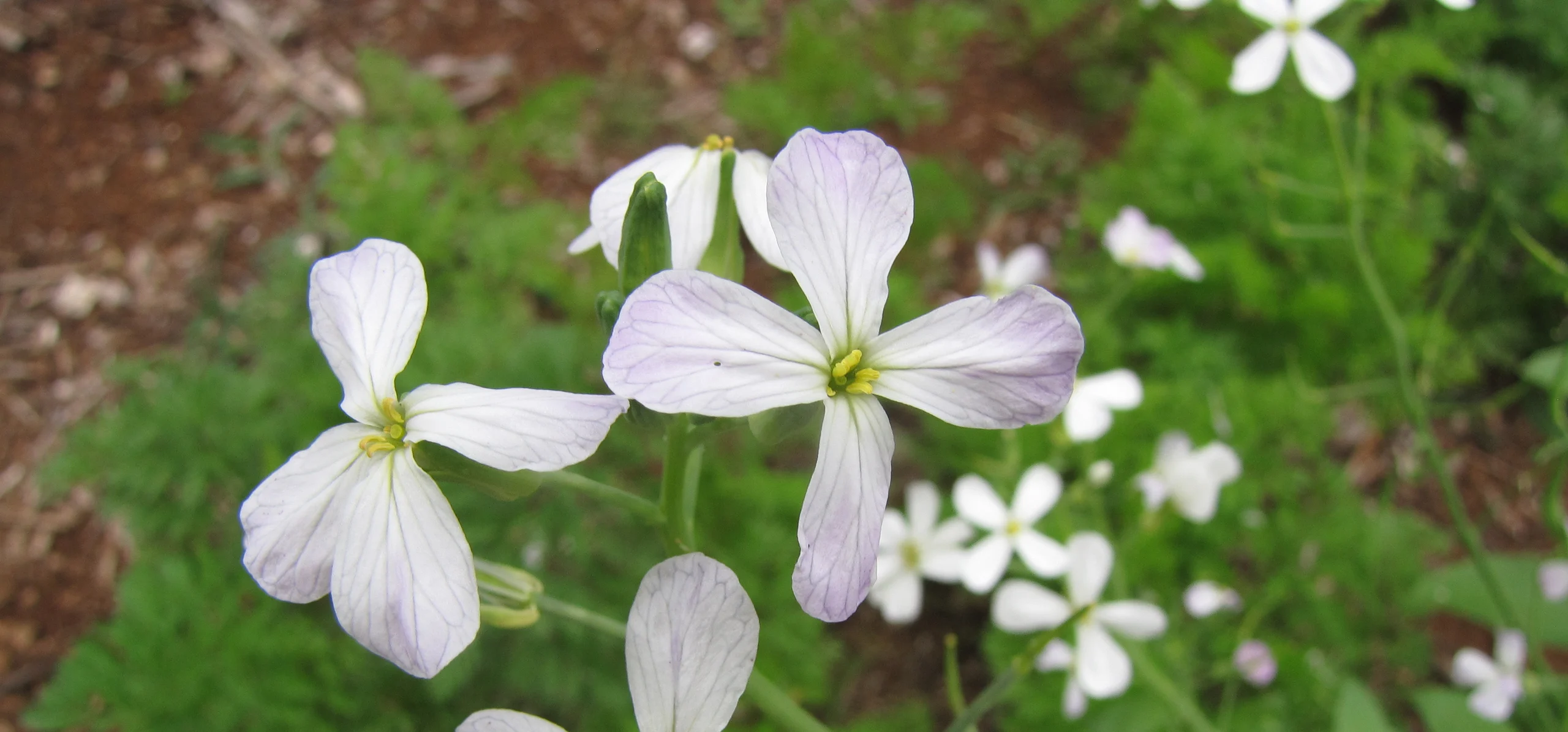
First-year plants are a low rosette of kidney-shaped, scallop-edged leaves, roughly 5 to 10 cm across, that stays green through winter while most of the surrounding vegetation dies back. Crush a leaf and it releases a sharp garlic smell layered over a peppery, mustard-like bite, the fastest way to separate garlic mustard from violets or ground ivy, which share the same shady ground but smell of nothing when crushed. In its second spring the rosette sends up one or several flowering stalks, typically 30 cm to just over a metre tall, topped with small four-petaled white flowers held in loose clusters from roughly April to June depending on latitude. After flowering, slender seed pods called siliques form along the stem, each holding a row of small black seeds; the whole plant dies once seed is set, closing the two-year cycle.
Where It Grows and What Lets It Spread
Garlic mustard tolerates a wide range of soils, sandy, loamy or clay, and a wide range of light, from full shade under a closed woodland canopy to semi-shade at a hedge or field edge. It is this shade tolerance, unusual among weedy Brassicaceae, that lets it colonize mature forest floor that most other invasive plants cannot use. It favors moist ground and disturbed edges, trail sides, streambanks, garden margins, but a well-established stand tolerates far drier conditions once its roots are down. A single healthy plant can set several thousand seeds, and those seeds do not need to germinate right away: some remain viable in the soil for years after the parent plant is gone, which is why a site can keep producing fresh rosettes long after the visible plants were pulled.


Why It Overwhelms North American Woodlands
Two traits explain why a plant that behaves politely in a European hedgerow becomes a monoculture in an American or Canadian forest. First, it arrived without the insects, fungi and diseases that keep it in check at home, so little in its new range eats it back the way it is eaten in Eurasia; University of Illinois Extension notes that white-tailed deer, the dominant browser in eastern North American woods, avoid eating garlic mustard and instead help spread its seed on their coats and hooves while grazing down the native wildflowers it competes with. Second, infestations release allelopathic compounds into the soil that slow the growth of neighboring plants, tilting competition further in the invader's favor. The combined effect is a plant that can crowd out spring wildflowers within a few seasons of arriving, then make it harder for new tree seedlings to establish underneath it.
Pulling and Controlling an Infestation
Hand-pulling is the standard control for small to moderate patches, and timing matters more than effort: pull before flowers open if you can, and always before seed pods form, since a flowering stem cut or pulled after pollination can still ripen viable seed lying on the ground. Pull when the soil is moist so the whole taproot comes up; a snapped-off root resprouts. Bag everything, flowers, stems and roots, rather than composting it, home compost rarely gets hot enough to kill the seed, and dispose of the bags as household waste or through a municipal program that accepts invasive plant material. Because seed already in the soil keeps germinating for years after the visible plants are gone, treat the first year of control as the start of a program rather than a fix: Rutgers Cooperative Extension recommends monitoring and repeating removal for at least five years before a site can be considered clear. Where a stand is too large to pull, a targeted herbicide application to the rosette in late fall or early spring, when most native plants are dormant, is the option most extension services describe as effective.
Foraging and Eating Garlic Mustard in Europe
The same qualities that make garlic mustard a problem in a North American forest make it a genuinely useful wild green where it is native or long naturalized and not under an eradication order. Young leaves, picked from the first-year rosette or from the top of an unopened flowering stem, have a mild garlic-and-mustard flavor and work raw in salads or blended into a pesto in place of basil; older leaves turn bitter and are better cooked briefly, the way you would treat any coarse mustard green. The white flowers are edible too and make a peppery garnish, and the roots, dug in early spring before the flowering stalk rises, have a horseradish-like heat that some foragers grate fresh as a condiment. Anywhere it is regulated as invasive, in most of the US and Canada, pulling it for the table is one of the few genuinely useful ways to remove it, since foraging by hand takes the whole root and removes the plant before it can set seed.
Common Mistakes When Dealing With This Plant
The most common mistake is leaving cut or pulled flowering stems on the ground: a pollinated flower can finish ripening its pod using energy stored in the stem, so a pile of pulled plants left in place can reseed the very patch you just cleared. The second is composting instead of bagging, home compost heaps rarely reach the sustained heat needed to kill garlic mustard seed. The third is treating a single season of pulling as a solution: because of the seed bank in the soil, a site needs repeat visits across several years, not one clearance, before new rosettes stop appearing. Gardeners in its native range sometimes make the opposite mistake, pulling every plant on sight out of habit picked up from invasive-species guides, when a few left to flower are a mild, useful edible in a hedge or a shaded corner of a European garden.
Test your plant knowledge
Tap a card to flip it and reveal the answer.
Garlic mustard's first-year rosette leaves stay green through the winter. Tap to reveal ✓ True
Pulled garlic mustard can safely go in a home compost bin. Tap to reveal ✕ False
White-tailed deer keep garlic mustard populations down in North America by eating it. Tap to reveal ✕ False
In its native European range, garlic mustard is traditionally eaten as a wild green. Tap to reveal ✓ True
One season of hand-pulling is usually enough to clear a garlic mustard patch for good. Tap to reveal ✕ False
Sources
References consulted for this guide
- GBIF: Alliaria petiolata (M.Bieb.) Cavara & Grandegbif.org
- Plants of the World Online (Kew): Alliaria petiolatapowo.science.kew.org
- Rutgers Cooperative Extension FS1212: Identification, Control, and Impact of Garlic Mustardnjaes.rutgers.edu
- University of Illinois Extension: Invasive Garlic Mustardextension.illinois.edu
- Reference entity : Wikipédiaen.wikipedia.org