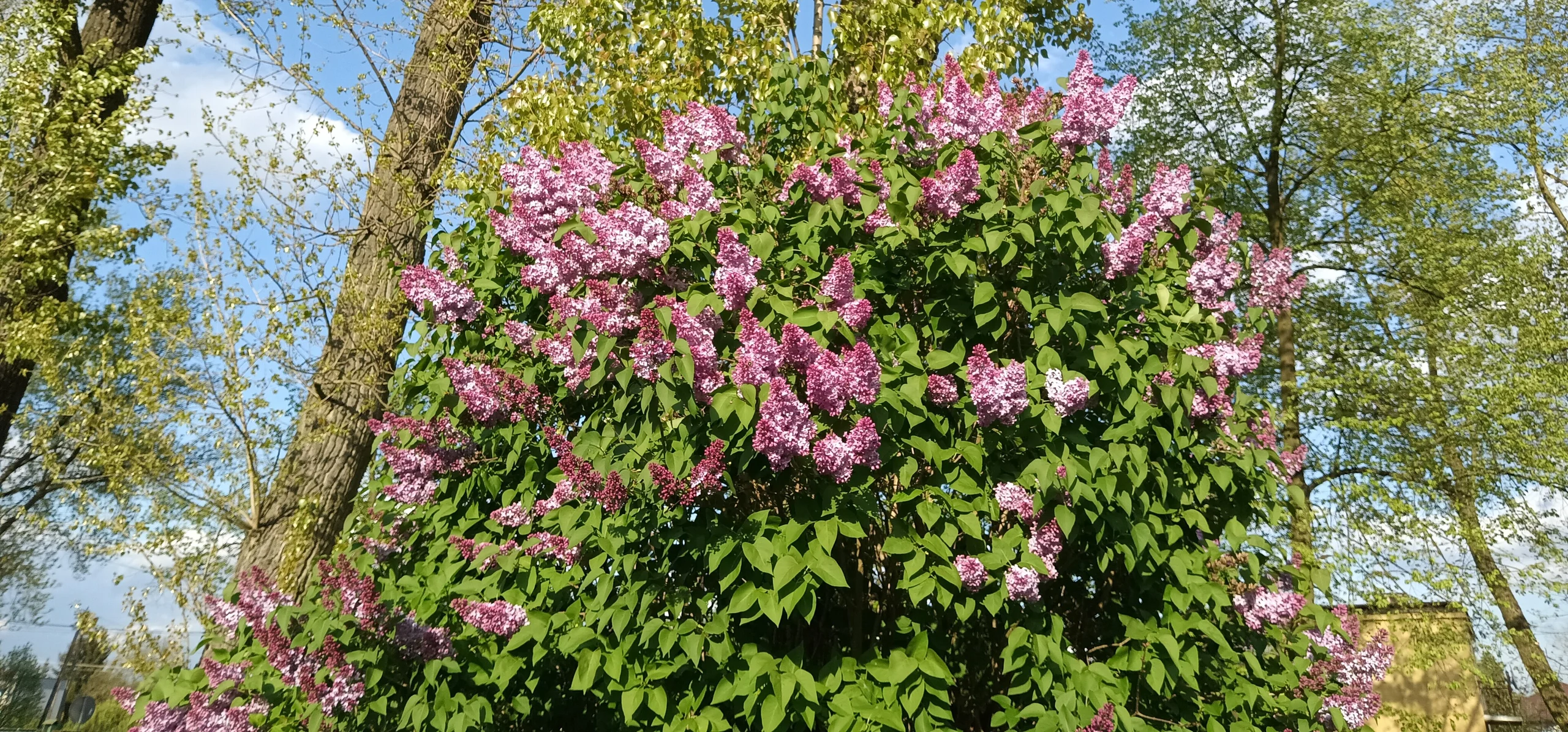
Common Lilac
Syringa vulgaris
Family · Oleaceae
Lilac sets next year's flowers on this year's wood, so pruning right after bloom, never in winter, is what decides whether it flowers at all next May.
Syringa vulgaris
Plant profile
- WateringModerateWater every 10 days
- Light exposureFull sun
- Hardiness zoneUSDA 3–7
Growth
- Family
- Oleaceae
- Life cycle
- Perennial
- Growth speed
- 5/10
- Mature size
- 250–600 cm
- Spread
- 200–400 cm
- Propagation
- Cutting
- Layering
- Grafting
FloweringFragrant, cone-shaped purple, violet, pink or white flower clusters in mid-to-late spring
Dormancydeciduous; needs sustained winter cold to break dormancy and flower
Time to maturityflowers within 2-3 years in the ground; reaches full size in 10-20 years
Soil & climate
- Soil pH
- pH 6.5–8
- Soil types
- chalk, clay, loam, sand
- Drought tolerance
- No
Light & Placement
- Origin
- Native to the northern Balkan Peninsula and north-central Romania
- Where to place it
- sunny border
- cottage garden
- hedge or screen
- near a south-facing wall
- large container, young plants only
Safety
- Toxicity
- Not listed by the ASPCA as toxic or non-toxic to pets
- Pet safe
- No
Invasive speciesNot considered invasive; own-root plants spread locally by root suckers
Data fromGBIF Backbone Taxonomy: Syringa vulgarisPlants of the World Online (Kew): SyringRHS: Syringa vulgaris (common lilac)NC State Extension Gardener Plant Toolbo
Where it grows
World distribution
Common Lilac is native to 4 countries: Bulgaria, Croatia, Greece, and Romania.GBIF records 170,952 documented identifications across 72 countries, with the largest concentrations in United Kingdom, France, and Germany.
- Bulgaria
- Croatia
- Greece
- Romania
Yellow to orange dots: concentration of documented identifications per country. Green countries: sourced native range. Source: GBIFNative range from POWO (Kew).
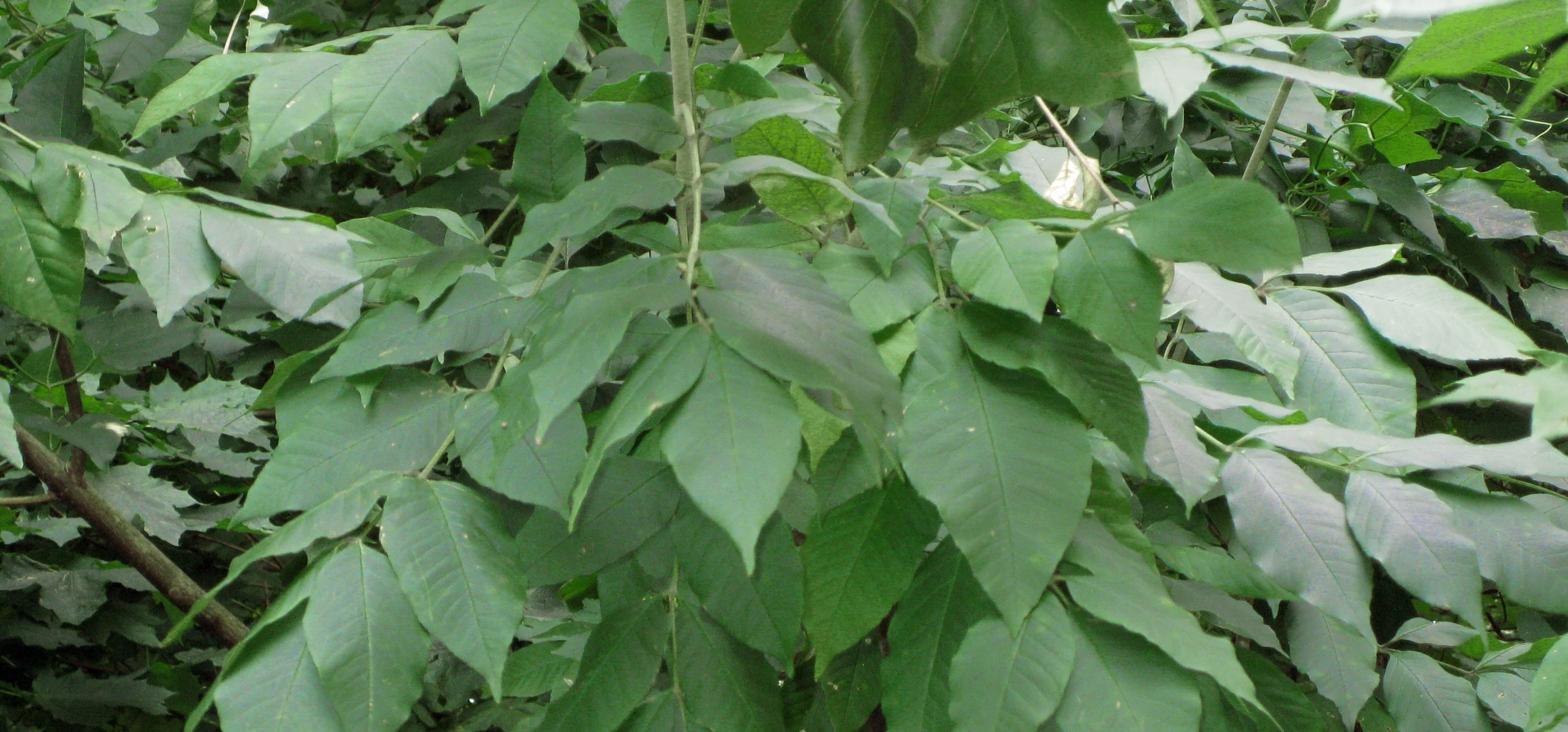
Syringa vulgaris is the shrub behind the scent most people mean when they say lilac: dense, cone-shaped clusters of small, four-lobed, intensely fragrant flowers in purple, violet, pink or white that open for two or three weeks in May. It asks for almost nothing once it is established, decades of tough, woody life on a single root system, but it punishes one mistake harder than most garden shrubs: cut it at the wrong time of year and you lose an entire season of bloom, because next spring's flower buds are already forming on this year's wood by mid-summer. A lilac that will not flower is far more often a pruning-timing problem, a shade problem, or simply a young plant that has not caught up yet, than a sick one.
Light and Soil: A Full-Sun, Chalk-Loving Shrub
Give it full sun. Common lilac tolerates a little light shade without dying, but flower count drops noticeably for every hour of shade it gets, and a shrub tucked against a north wall or under a taller tree may produce leaves for years and almost no flowers. Soil matters less for survival than for bloom quality: it grows in chalk, clay, loam or sand as long as drainage is reasonable, but it strongly prefers neutral to alkaline ground and is one of the shrubs that genuinely does better on chalky soil than acidic soil, where growth stays stunted and leaves can yellow. Moist but well-drained is the target; it does not like sitting in a wet pocket over winter.
Why Lilacs Refuse to Flower
Three causes account for almost every flowerless lilac. Shade is the most common: even partial shade for part of the day thins out flower production year after year, and the fix is moving the plant or removing what is shading it, not feeding it harder. The second is pruning at the wrong time, covered below, which physically cuts off the buds that would have opened next spring. The third is simple youth: a lilac grown from seed can take several years to reach flowering maturity, and even a grafted or rooted-cutting plant from a nursery usually needs two or three seasons in the ground before it blooms at full strength. Heavy nitrogen feeding is a quieter fourth cause, pushing leafy growth at the expense of flower buds, so skip the lawn fertilizer near an established lilac.
Cold Requirement: Why Lilac Sulks in Warm Climates
Common lilac needs a real winter. It is rated for USDA hardiness zones roughly 3a to 7a, and gardeners in mild, largely frost-free climates, warm coastal or low-desert zones with little winter chill, routinely struggle with sparse, late or absent flowering even on a perfectly healthy, well-sited plant, because the buds need a sustained cold period to break dormancy properly the following spring. This is not a soil or pruning problem and cannot be fixed by better care; it is a match between the plant and the climate. Gardeners in warm-winter regions who want the look generally do better with a low-chill lilac relative bred for it rather than fighting the species.


Pruning Right After Flowering, Never in Winter
Lilac flowers form on old wood, meaning the buds for next spring are set on the current year's growth during the summer after this year's bloom. That gives a narrow, specific pruning window: cut within two to four weeks of the flowers fading, before the shrub has set next year's buds. Prune in winter or early spring instead, when the plant is leafless and easiest to reach, and you cut off the very growth that was about to flower, losing that year's display entirely without harming the plant itself. Remove any dead, crossing or damaged wood at the same time, and thin a few of the oldest, thickest stems from the base each year to keep light and air moving through the center of the shrub.
Deadheading
Snipping off the spent flower panicles as soon as they brown, cutting back to the first strong pair of leaf buds below the old flower head, stops the shrub from putting energy into seed production and tends to produce a fuller flush the following spring. It is worth doing on a young or recovering plant that needs to build strength, but it is a refinement, not a requirement: a mature, well-sited lilac will still flower reliably without it.
Renovating an Old, Leggy Lilac Over Three Years
A lilac left unpruned for a decade or more turns into a tall, bare-legged thicket with flowers held out of reach at the top and little happening near eye level. Rather than cutting the whole shrub to the ground in one go, which sacrifices several years of bloom while it rebuilds, renovate it gradually: remove about a third of the oldest, thickest stems at the base each winter for three consecutive years, choosing the woodiest, most crowded canes first and leaving younger, more productive wood untouched. By the third winter the shrub is made up entirely of stems no more than a few years old, flowering lower down and on a framework you can keep in reach with routine post-bloom pruning from then on.
Suckers and Grafted vs Own-Root Plants
Common lilac spreads by root suckers, new shoots pushing up from the roots some distance from the main stem, which is how an old planting slowly turns into a thicket. On an own-root plant, grown from a cutting or layering rather than grafted, those suckers are the same variety as the parent and can be left to widen the clump or dug up and transplanted as free new plants. On a grafted lilac, common with some named cultivars budded onto a different Syringa rootstock, suckers rising from below the graft union are the rootstock, not the variety you bought, and left alone they will eventually outcompete and replace the grafted top with a plain, often less showy plant. Check where any sucker originates before deciding to keep or remove it, and on a grafted plant, cut rootstock suckers off at their point of origin below the graft as soon as you spot them.
Lilac Blight and Powdery Mildew in Late Summer
By late summer, established lilacs commonly develop a grey-white dusty coating across the leaves, powdery mildew, encouraged by still, humid air and crowded stems. It looks alarming but is almost always cosmetic on a mature plant: it appears after flowering is long finished, does not typically kill the shrub, and thinning congested stems during your post-bloom prune to improve airflow is usually enough to reduce it the following year. Bacterial blight, sometimes called lilac blight, causes blackened shoot tips and blotched leaves, especially after wet, cool spring weather, and is managed the same way, by pruning out and destroying affected growth and improving air circulation rather than by spraying a mature, otherwise healthy plant.
Three Classic Cultivars to Know
The wild species has mid-purple flowers, but most gardens grow one of the hundreds of named cultivars bred from it. 'Madame Lemoine', a nineteenth-century French hybrid, carries double white flowers and is one of the most fragrant lilacs commonly sold. 'Charles Joly' is an old, reliable cultivar with double, deep wine-purple flowers that read almost magenta in the panicle. 'Sensation' is the odd one out, a sport with single purple flowers each edged in a crisp white margin, giving the whole panicle a bicolor, almost hand-painted look unlike any other common lilac cultivar. All three keep the species' full-sun, alkaline-soil preferences and the same old-wood pruning rule.
Test your plant knowledge
Tap a card to flip it and reveal the answer.
Common lilac sets next year's flower buds on the current year's wood, so pruning right after flowering keeps that display intact. Tap to reveal ✓ True
Deadheading spent flower clusters is strictly required or a mature lilac will stop flowering the following year. Tap to reveal ✕ False
On a grafted lilac, suckers rising from below the graft union are the rootstock, not the named variety that was planted. Tap to reveal ✓ True
The powdery mildew that commonly coats lilac leaves in late summer is usually fatal to an established shrub. Tap to reveal ✕ False
Common lilac needs a sustained period of winter cold to flower well, which is why it performs poorly in mild, frost-free climates. Tap to reveal ✓ True
Sources
References consulted for this guide
- GBIF Backbone Taxonomy: Syringa vulgaris L.gbif.org
- Plants of the World Online (Kew): Syringa vulgaris L.powo.science.kew.org
- RHS: Syringa vulgaris (common lilac)rhs.org.uk
- NC State Extension Gardener Plant Toolbox: Syringa vulgarisplants.ces.ncsu.edu
- Reference entity : Wikipédiaen.wikipedia.org