Bald Cypress
Taxodium distichum
Family · Cupressaceae
Bald cypress tolerates standing water and real drought alike, but its knees colonize wet lawns and alkaline soil turns its needles yellow between the veins.
Taxodium distichum
Plant profile
- WateringHighWater every 7 days
- Light exposurePartial sun
- Ideal temperature-34–38 °C
- Hardiness zoneUSDA 4–9
Growth
- Family
- Cupressaceae
- Life cycle
- Perennial
- Growth speed
- 5/10
- Mature size
- 1524–2134 cm
- Spread
- 610–914 cm
- Flowering
- Inconspicuous spring cones; needles turn rust orange before dropping in autumn
- Propagation
- Seed
Dormancydeciduous conifer, drops its needles and is dormant in winter
Time to maturityreaches its full 50 to 70 ft landscape height over several decades at roughly 1 to 2 ft of growth a year
Soil & climate
- Soil pH
- pH 5–6.5
- Soil types
- clay, loam, sand
- Saline soil
- Partially tolerated
- Drought tolerance
- Yes
Light & Placement
- Origin
- East-central and southeastern United States to Guatemala
- Where to place it
- specimen or shade tree
- pond and stream margins
- wet low spots and rain gardens
- ordinary garden soil away from mown lawns
Safety
- Toxicity
- Not listed by the ASPCA for cats, dogs or horses
- Pet safe
- No
Data fromGBIF Backbone Taxonomy: Taxodium distichPlants of the World Online (Kew): TaxodiNC State Extension Gardener Plant ToolboClemson HGIC: Bald-cypress (Taxodium disUniversity of Tennessee Extension: Desir
Where it grows
World distribution
Bald Cypress is native to 3 countries: Guatemala, Mexico, and United States.GBIF records 50,079 documented identifications across 76 countries, with the largest concentrations in United States, France, and Germany.
- Guatemala
- Mexico
- United States
Yellow to orange dots: concentration of documented identifications per country. Green countries: sourced native range. Source: GBIFNative range from POWO (Kew).
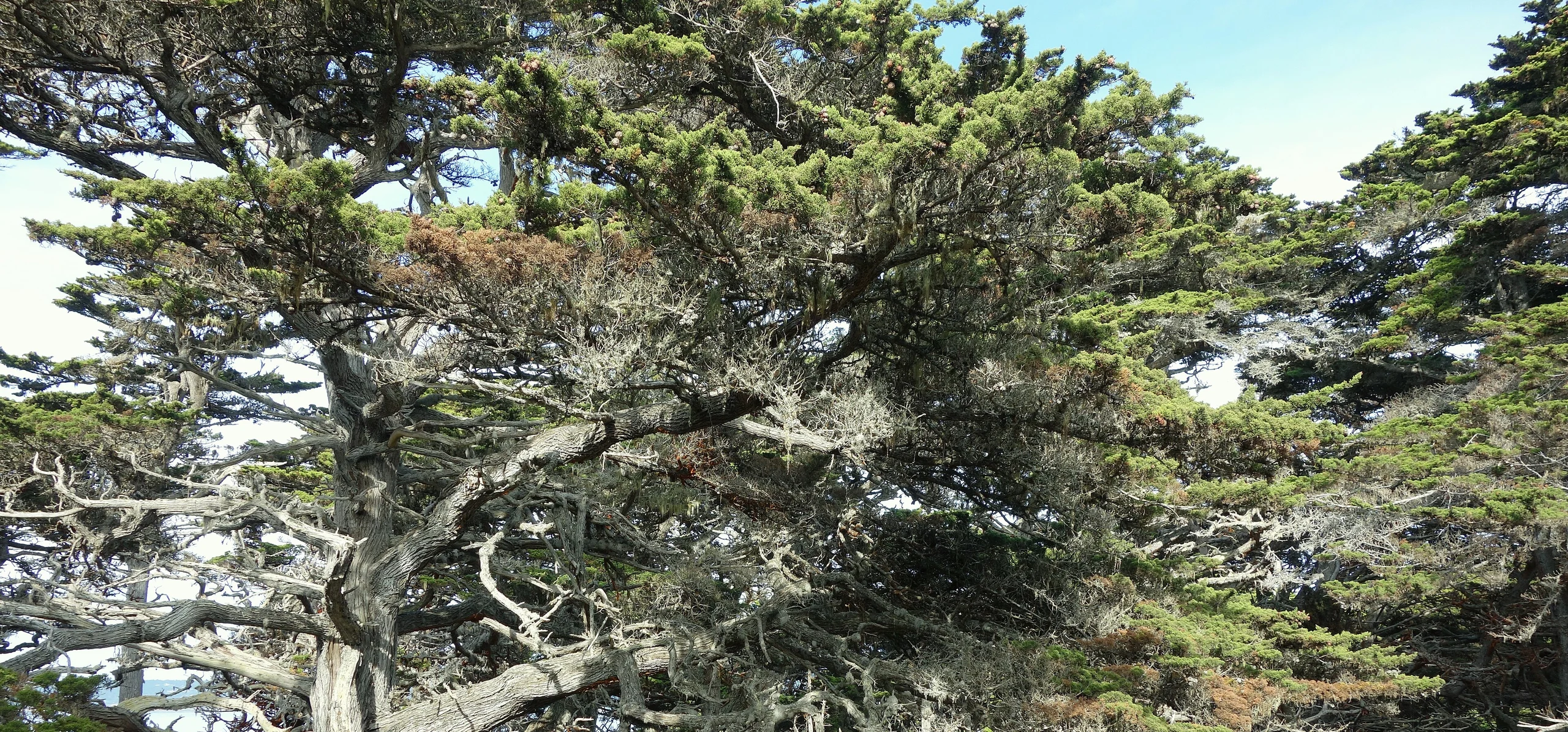
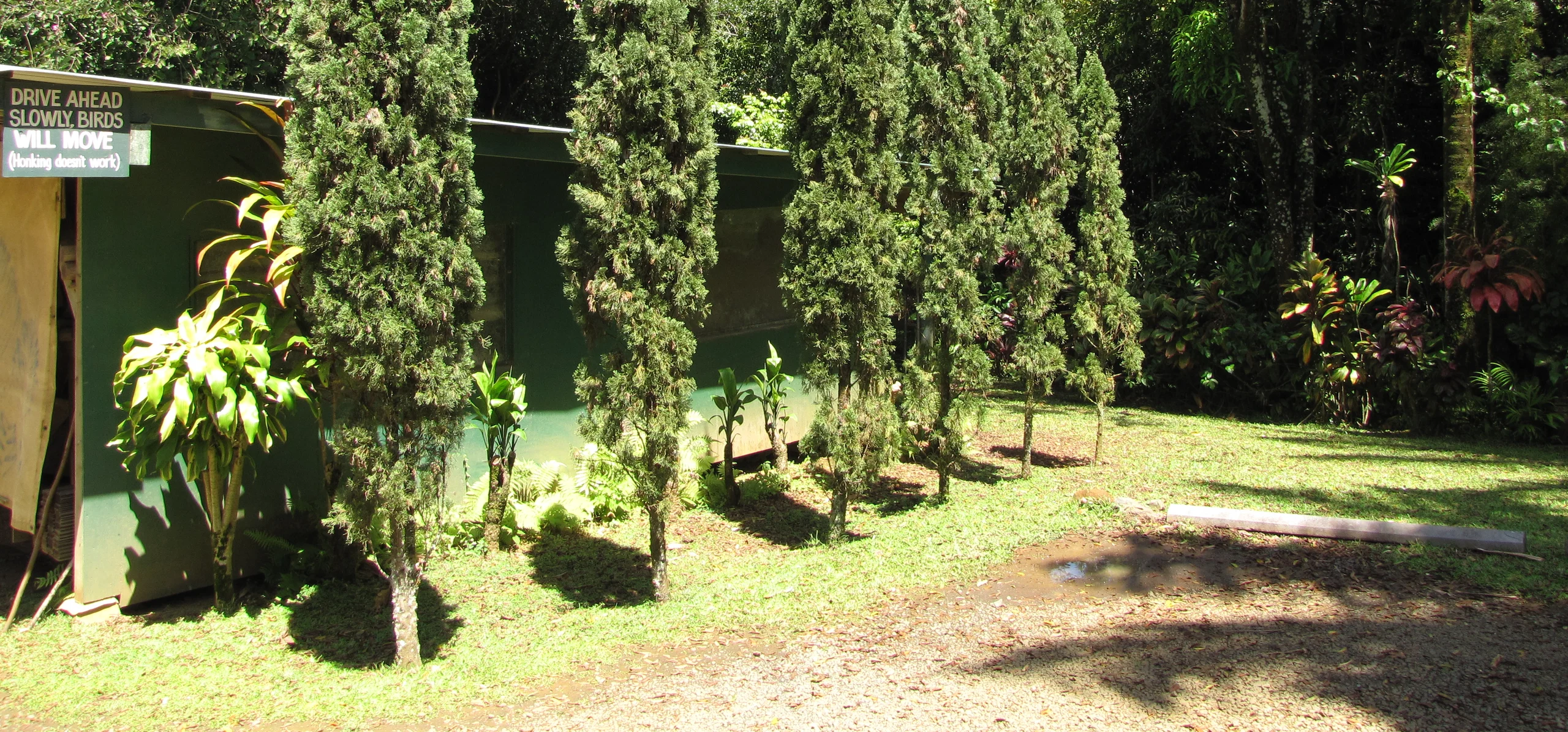
A bald cypress looks like an ordinary soft-needled conifer for most of the year, then turns rust orange in October and drops every needle by December, a habit that gives the species its common name and separates it from any true cypress or pine planted nearby. In cultivation it settles into a narrow pyramid 50 to 70 ft (15 to 21 m) tall and 20 to 30 ft (6 to 9 m) wide, tolerates both standing water and real drought once established, and grows just as readily in an ordinary, well-drained garden bed as in the swamp it comes from. The one condition it will not forgive is alkaline soil, which locks up iron and turns new growth yellow between the veins. Site it in acidic to neutral ground with room to spread, and the knees that rise around a wet-sited tree become the main maintenance question, not the tree itself.
Origin and an Unusual Deciduous Conifer
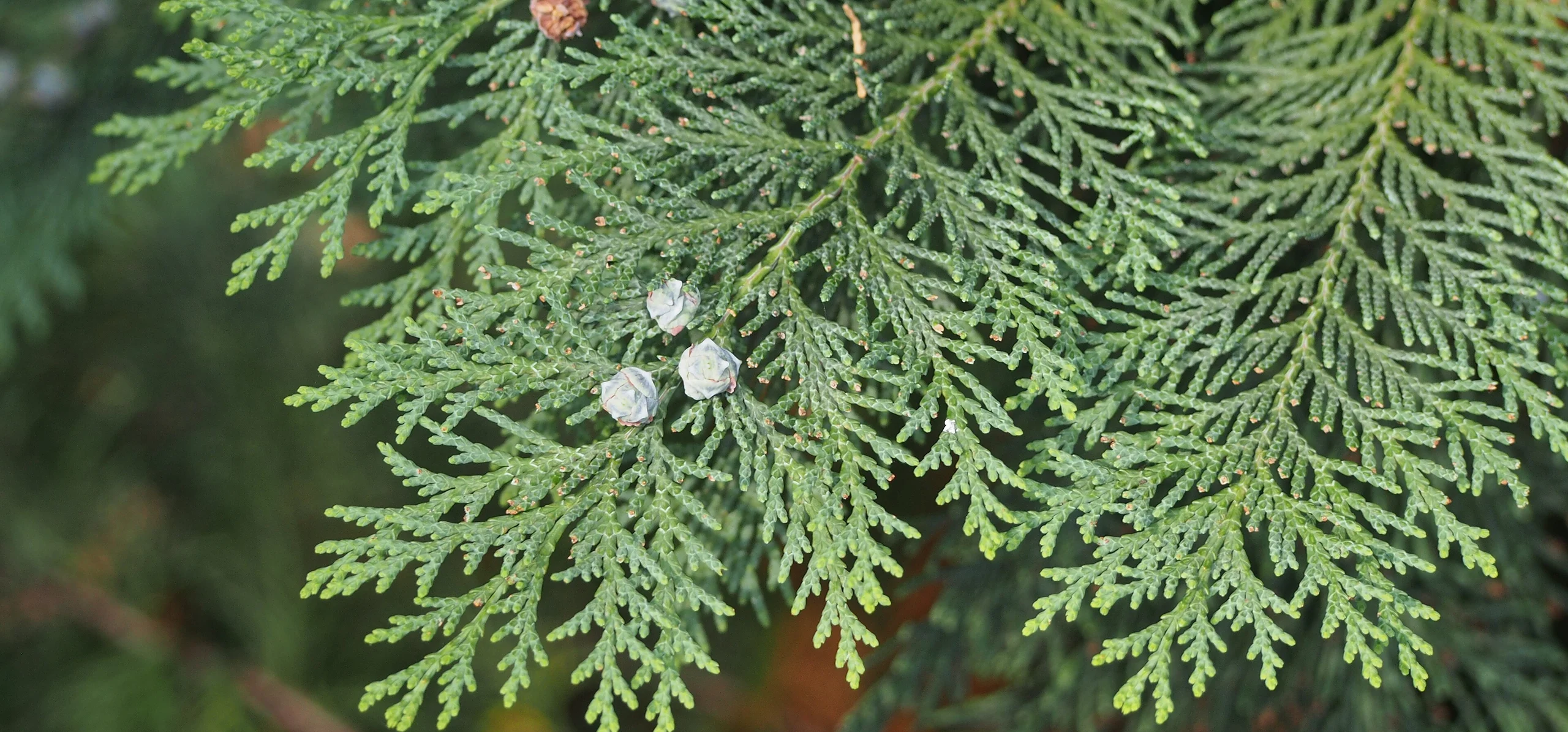
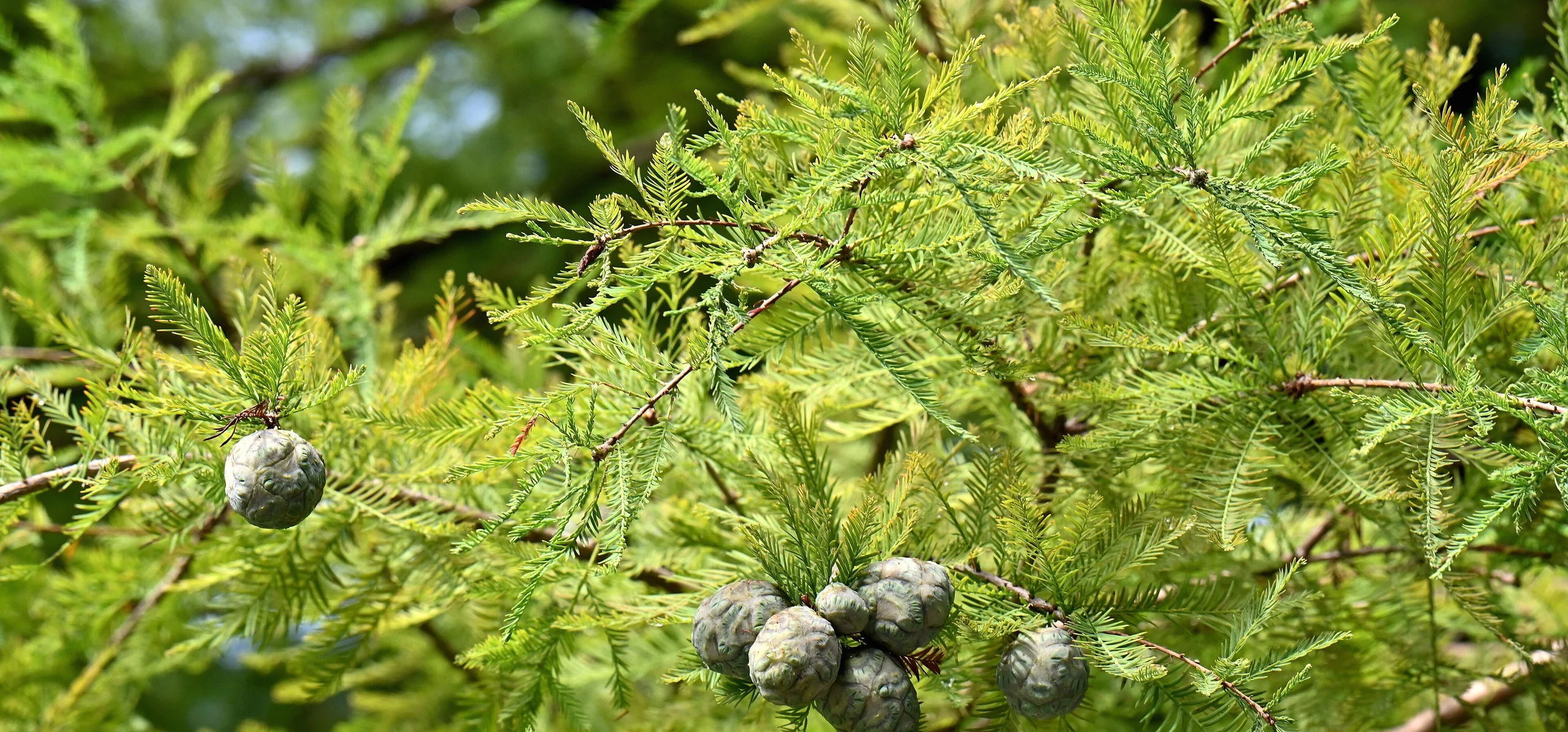
The GBIF Backbone Taxonomy accepts the name Taxodium distichum (L.) Rich., in the family Cupressaceae, order Pinales, grouped with redwoods and junipers rather than with true cypresses. Plants of the World Online (Kew) gives its native range as east-central and southeastern USA to Guatemala, and USDA range data narrows that further to the Atlantic Coastal Plain from Delaware to Florida, west along the Gulf Coast into Texas, and north along the Mississippi Valley into southern Illinois and Indiana. What makes it unusual among conifers is that it is fully deciduous: needles that stay soft, flat and light green through summer turn a rusty cinnamon orange in autumn and drop completely, leaving bare branches through winter, the trait behind the name bald cypress.
Cypress Knees: Why They Form and What to Do About Them in a Lawn
On saturated or frequently flooded ground, bald cypress sends up knees, conical woody growths from the lateral roots that can reach 1 to 3 ft tall and are described as functioning like snorkels, moving oxygen down to roots sitting in waterlogged soil. They rarely appear on a well-drained upland site, but a heavily irrigated lawn or a low spot that collects water is enough to trigger them, and once established they do not go away on their own. Extension guidance treats knees in turf as a genuine mowing hazard rather than a curiosity, and the practical fix is not to fight them: give the root zone a mulched, defined bed instead of lawn, which turns what would be a mower obstacle into an intentional, sculptural feature at the base of the tree.


Flood Tolerance, Drought Tolerance and Where to Plant It
Few landscape trees handle both extremes as well as bald cypress. It is native to swamps that flood for months at a time and is known to tolerate prolonged standing water, yet once its roots are established it also copes with real drought, a range extension sources attribute to an adaptable root system rather than to any single trick of care. That flexibility is exactly why it works outside a swamp setting: a bald cypress planted in an average, well-drained garden bed with normal watering grows into the same pyramidal tree as one at a pond edge, just without the dramatic buttressed trunk base and knees that only develop under consistently wet conditions. Young trees still need regular watering through their first year or two regardless of the eventual site; drought tolerance is a trait of the established root system, not the newly planted one.
Soil and the Alkaline Chlorosis Problem
Bald cypress prefers acidic soil, with extension sources giving a desired pH range of roughly 5.0 to 6.5 and flagging soil pH above 6.0 as pushing outside its comfort zone. Clay, loam and sandy soils are all tolerated, and the species is rated slightly salt tolerant, useful near roads salted in winter or on coastal sites. The one soil condition to avoid outright is alkaline ground: extension sources report chlorosis, a yellowing between the leaf veins caused by iron becoming unavailable to the roots as pH climbs, as an occasional but well-documented problem on high-pH sites. A soil test is worth doing before planting on any site with a history of concrete rubble, mortar or naturally chalky ground, since correcting chlorosis after planting is far harder than avoiding alkaline soil in the first place.
Fall Color, Size and Lifespan
The autumn display builds gradually rather than turning overnight: foliage that reads as soft chartreuse green through spring and summer shifts to orange-red and cinnamon-brown over several weeks before the needles drop. Growth is medium, extension sources put it at roughly 1 to 2 ft a year, which means a tree reaches its typical landscape size of 50 to 70 ft over several decades; left alone in the wild it can exceed 100 to 150 ft. Lifespan is where bald cypress stands apart from almost every other landscape tree: extension sources describe it as one of the longest-lived trees in the world, with individuals commonly reaching a few hundred years and tree rings that hold centuries of climate data, a longevity tied directly to its tolerance of the wet, slow-decay swamp conditions it evolved in.
Choosing a Smaller Cultivar: 'Shawnee Brave' and 'Peve Minaret'
| Cultivar | Why grow it | Approx. size |
|---|---|---|
| 'Shawnee Brave' ('Mickelson') | Narrow, tight pyramidal habit for a street or specimen tree without the wide spread of the species | 50 to 75 ft tall, 15 to 20 ft wide |
| 'Peve Minaret' | Dwarf, dense, columnar form that tolerates shearing, for a small garden | Around 10 ft tall, 6 ft wide |
'Shawnee Brave' keeps close to the same eventual height as a seed-grown tree but in a much narrower footprint, which is why it is recommended for streets and tight specimen spots rather than open lawns where the species' natural spread is an asset. 'Peve Minaret' is a different scale of plant altogether, a genuine dwarf selected for a compact, columnar form dense enough to tolerate light shearing, and it is the option worth considering wherever a full-size bald cypress, even the narrow cultivar, is simply too much tree.
Pests, Twig Blight and Pet Safety
Bald cypress is not a high-maintenance tree for pests. Extension sources list bagworms, gall mites and twospotted spider mites as occasional insect problems, usually worse in a dry summer, and twig blight, a fungal disease that kills branch tips, as an occasional disease issue, most often on a tree already stressed by drought or poor siting; dead tips should be pruned out rather than left on the tree. None of these approach the severity that alkaline-soil chlorosis can cause, and a well-sited tree in acidic, evenly moist soil rarely needs treatment for any of them. For pet owners, bald cypress does not appear on the ASPCA's toxic or non-toxic plant lists for cats, dogs or horses, so its safety status is undocumented rather than confirmed, the same undecided position as many landscape conifers that have simply never been tested.
Test your plant knowledge
Tap a card to flip it and reveal the answer.
Bald cypress is a conifer that drops all of its needles every autumn. Tap to reveal ✓ True
Bald cypress cannot survive prolonged flooding or standing water. Tap to reveal ✕ False
Knees that appear in a lawn are best managed by converting that area to a mulched bed rather than mowing around them. Tap to reveal ✓ True
'Peve Minaret' is a full-size cultivar reaching 50 to 75 ft tall. Tap to reveal ✕ False
The ASPCA lists bald cypress as toxic to cats and dogs. Tap to reveal ✕ False
Sources
References consulted for this guide
- GBIF Backbone Taxonomy: Taxodium distichum (L.) Rich.gbif.org
- Plants of the World Online (Kew): Taxodium distichum (L.) Rich.powo.science.kew.org
- NC State Extension Gardener Plant Toolbox: Taxodium distichumplants.ces.ncsu.edu
- Clemson HGIC: Bald-cypress (Taxodium distichum)hgic.clemson.edu
- University of Tennessee Extension: Desired pH Range Listplantsciences.tennessee.edu
- Reference entity : Wikipédiaen.wikipedia.org