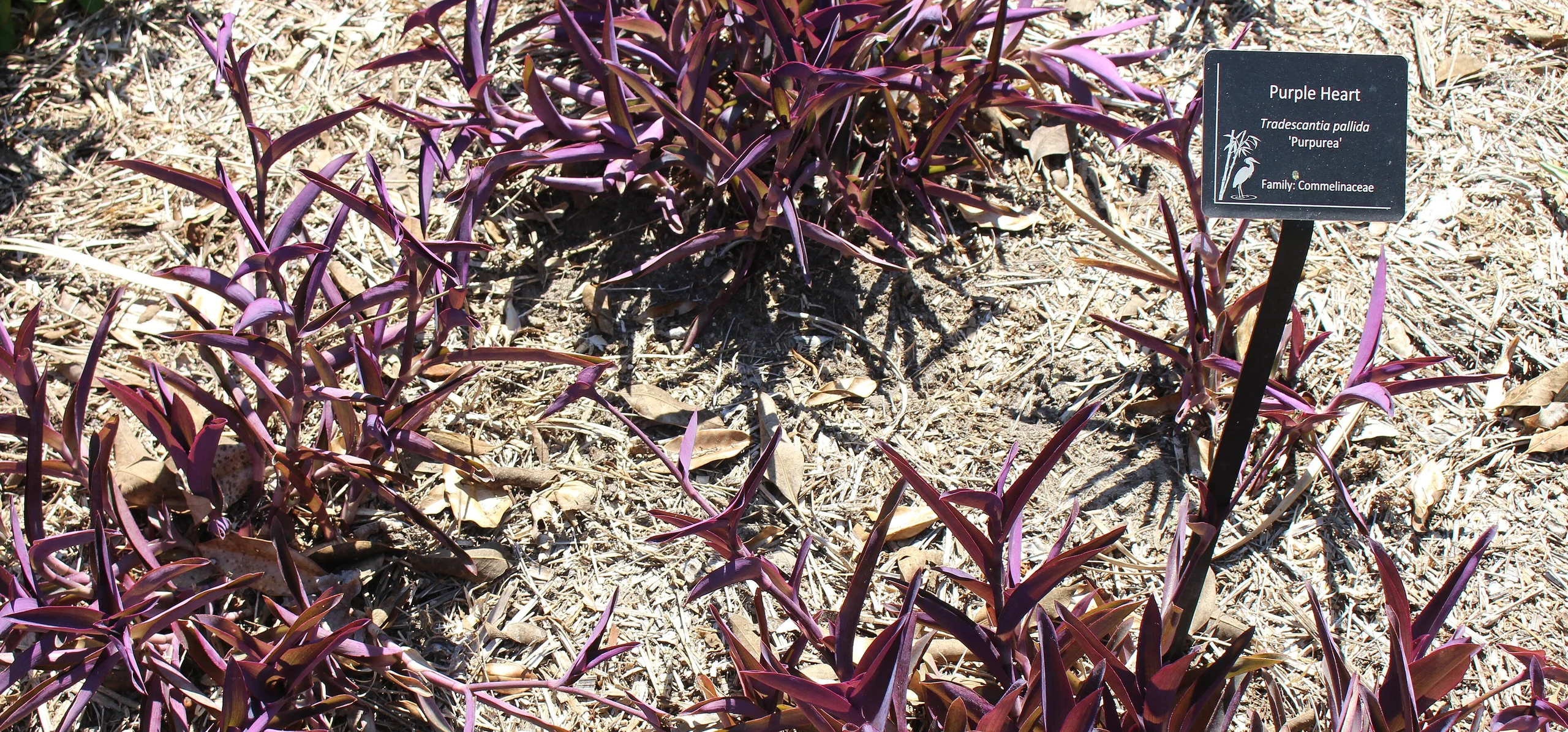
Purple Heart
Tradescantia pallida
Family · Commelinaceae
Purple heart's leaves turn deep violet only in strong sun, root from cuttings within days, and rot fast in wet soil. Here is the full care routine.
Tradescantia pallida
Plant profile
- WateringLittleWater every 10 days
- Light exposureFull sun
- Ideal temperature-3–35 °C
- Humidity30–70 %
- Hardiness zoneUSDA 10–11
Growth
- Family
- Commelinaceae
- Life cycle
- Perennial
- Growth speed
- 8/10
- Mature size
- 15–30 cm
- Spread
- 30–90 cm
- Flowering
- Small, three-petaled pink flowers through the warm months, most freely in full sun
- Propagation
- Cutting
DormancyNo true dormancy; frost kills top growth, roots often resprout in spring
Time to maturityFills a hanging basket or bed within one growing season
Soil & climate
- Soil types
- Free-draining sandy or loamy mix, Cactus and succulent potting mix
- Drought tolerance
- Yes
Light & Placement
- Origin
- Gulf Coast of eastern Mexico (POWO, CABI)
- Where to place it
- Brightest available window with a few hours of direct sun
- South- or west-facing sill
- Full-sun bed or border (USDA zones 10 to 11 year-round)
- Light afternoon shade only in the hottest inland climates
- Hanging basket to show off the trailing stems
- Mixed container or bedding display in full sun
Safety
- Toxicity
- HumansToxic
Invasive speciesNaturalized and locally invasive along the Gulf Coast, including Florida, Alabama, Louisiana and Texas, forming dense mats in disturbed forest understories (CABI)
Data fromTradescantia pallida (Rose) D.R.Hunt, GBTradescantia pallida (Rose) D.R.Hunt, PlTradescantia pallida 'Purpurea', MissourPurple Heart, Tradescantia pallida, UnivTradescantia pallida (purple queen), CAB
Where it grows
World distribution
Purple Heart is native to a single country: Mexico.GBIF records 10,611 documented identifications across 142 countries, with the largest concentrations in United States, Mexico, and Brazil.
- Mexico
Yellow to orange dots: concentration of documented identifications per country. Green countries: sourced native range. Source: GBIFNative range from POWO (Kew).
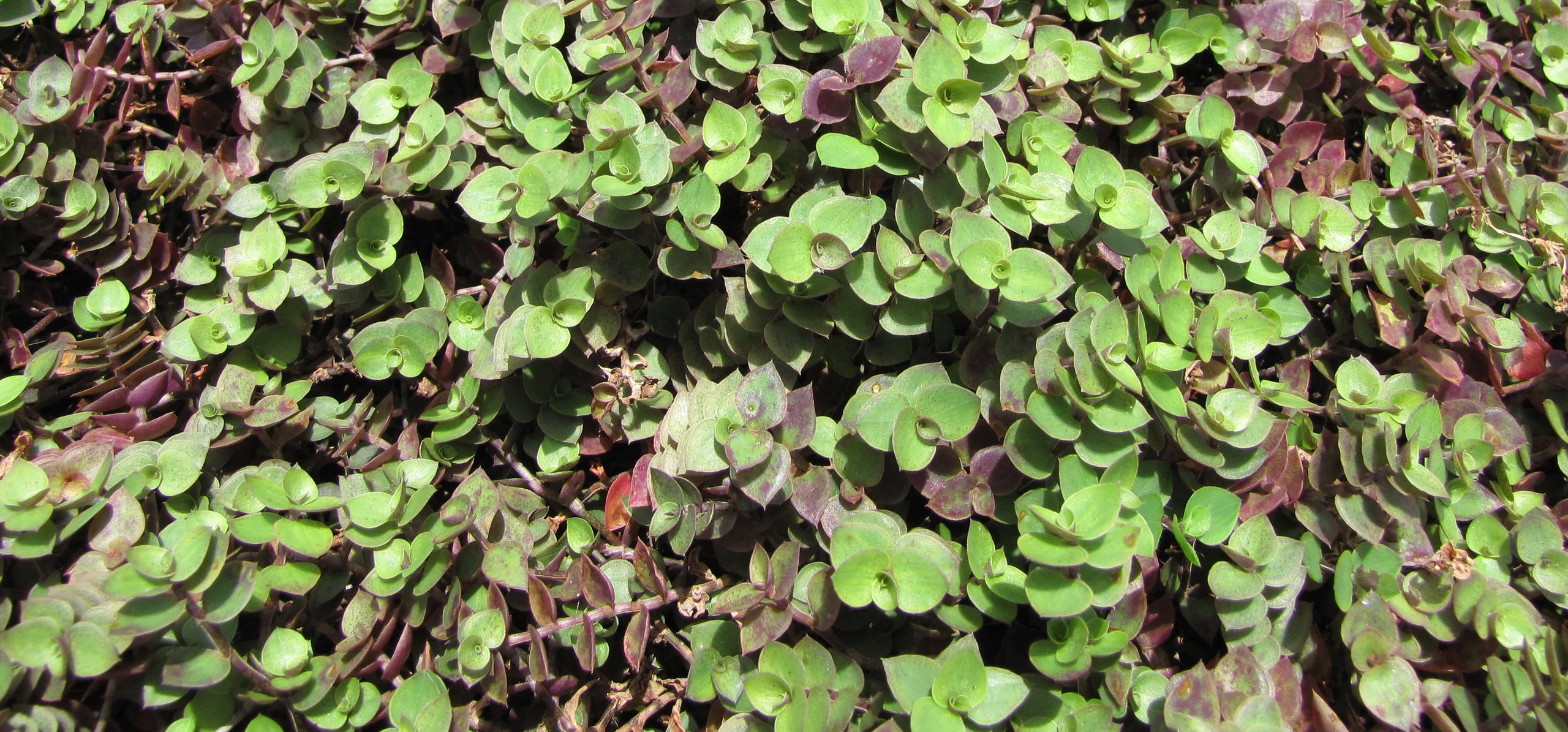
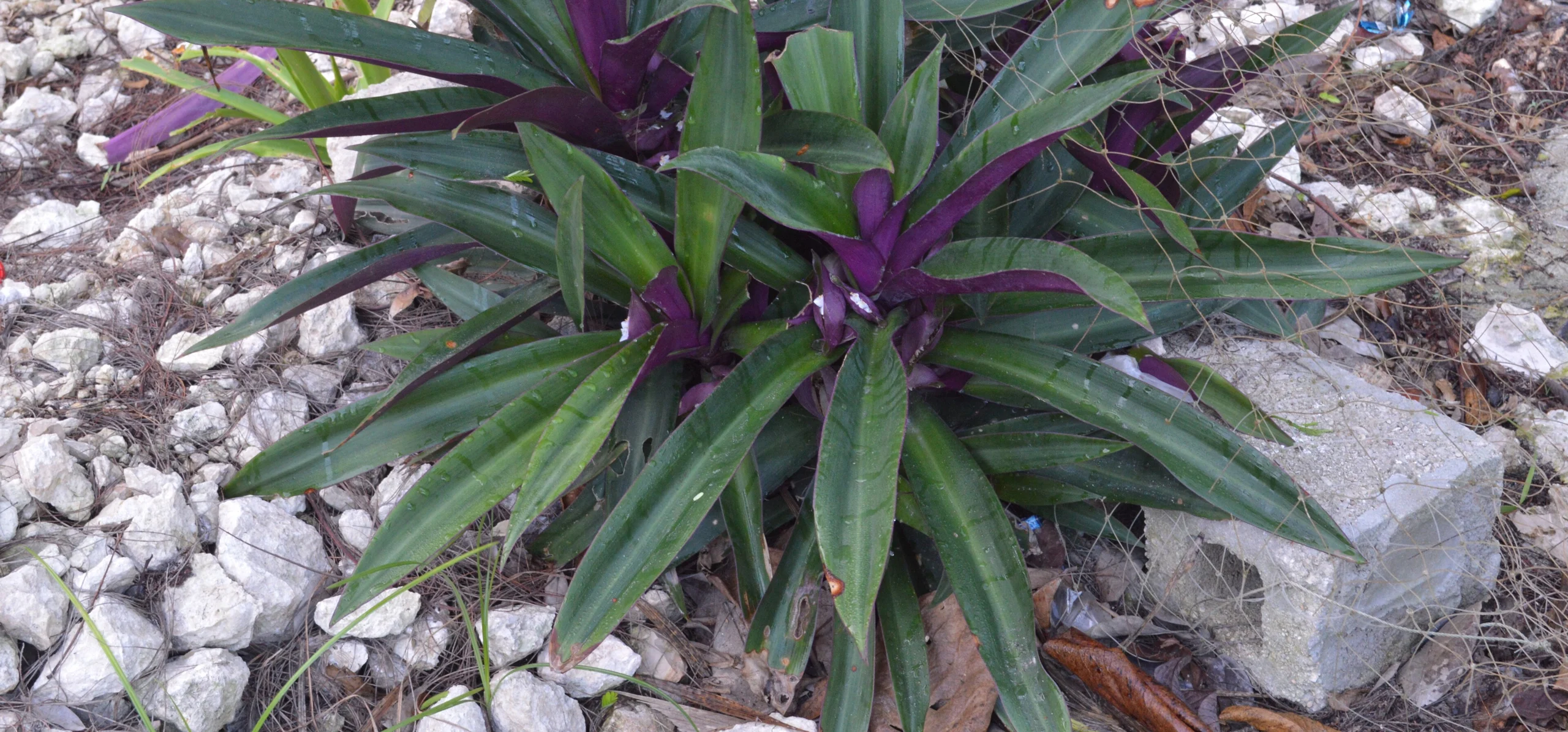
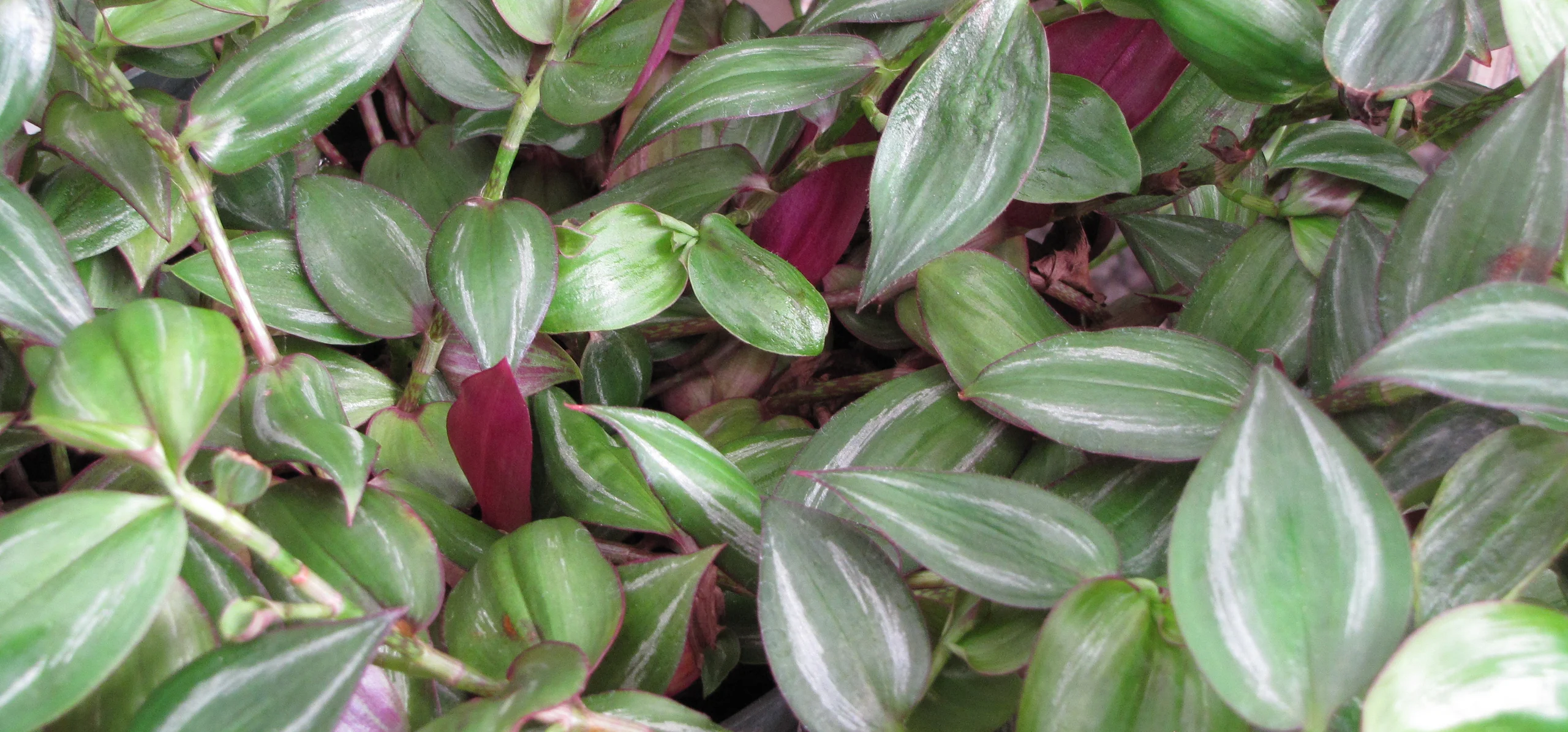
Tradescantia pallida, sold almost everywhere as purple heart or purple queen, is a trailing, succulent-stemmed perennial that only earns the name in strong sun: leaves grown in bright light turn a deep, almost metallic violet, while the same plant in shade fades toward plain green. The stems hold water like a soft succulent, so the plant shrugs off a missed watering far better than it tolerates constantly wet soil, which rots the base within days. Almost any stem or leaf node that touches soil or water roots on its own, which is why a single hanging basket or nursery four-inch pot can be turned into a whole bed within one growing season. It carries on as a houseplant or container trailer through winter in cold climates and doubles as a fast, drought-tolerant ground cover in places that stay frost-free.
A Gulf Coast Native Sold Under Older Names
GBIF's accepted name for this species is Tradescantia pallida (Rose) D.R.Hunt, in the spiderwort family Commelinaceae, order Commelinales. Plants of the World Online records its native range simply as Mexico; CABI narrows that further to the Gulf Coast of eastern Mexico, where it grows in the understory of disturbed and secondary forest as well as along riparian margins. For decades nurseries sold it as Setcreasea pallida or Setcreasea purpurea, and those Setcreasea names, along with several old Tradescantia jaumavensis listings, are now treated as synonyms of the same species. The whole genus still turns up labeled wandering jew on older plant tags and even in GBIF's own vernacular list, though wandering dude has become the more common replacement name in recent nursery catalogs and grower forums.
'Purpurea' and Other Named Forms
Almost every purple heart sold in garden centers is the cultivar 'Purpurea', prized for foliage that reads as nearly black-purple in strong light. A few other trade forms circulate on a smaller scale: 'Pale Puma' carries the same trailing habit with softer, pale lilac-pink leaves instead of deep purple, and 'Pink Stripe' shows green leaves striped in pink and cream rather than a solid purple wash. All of them share the same succulent stems, the same three-petaled flowers, and the same sun-dependent color, so the care that follows applies across the group; only the depth of pigment in the leaf changes with the cultivar and with light.
Full Sun for the Deepest Purple Color
Of the trailing tradescantias grown as houseplants and bedding plants, this is the most sun-loving by a wide margin. Full, direct sun for most of the day produces the deepest, most saturated purple; move the same plant into shade and new growth comes in green or grey-green within a few weeks, since the pigment that gives the leaves their color only develops under strong light. Indoors that means the brightest window available, ideally a few hours of direct sun through south- or west-facing glass; outdoors it means a bed or container in full sun, with only the hottest inland climates calling for a little afternoon shade to prevent leaf scorch. A plant that has faded to green after a spell indoors or in shade recolors once it is moved back into strong light, so the color is reversible rather than permanent.
Watering, Soil and Drought Tolerance
The thick, fleshy stems store enough water that the plant tolerates real neglect, and letting the soil dry out between waterings suits it far better than keeping it constantly moist. Water thoroughly, then wait until the top of the soil or potting mix has dried before watering again; in a hot, sunny spot in summer that might mean every few days, while a container overwintering indoors in lower light can go a week or more between waterings. What kills the plant fastest is not drought but the opposite: compost that stays wet after rain or overwatering leads to soft, blackened stem rot at the base that spreads upward, often before the leaves show much sign of stress. A free-draining, sandy or loamy mix, the kind sold for cactus and succulents works well too, drains fast enough to avoid that problem in both pots and garden beds.
Pinching and Propagation from Cuttings
Left to grow unchecked, the stems simply keep extending outward, producing long, leggy trails with foliage clustered mainly near the tips. Pinching the growing tip out just above a leaf node forces new shoots from below the cut, and repeating that every few weeks through the growing season keeps a basket or bed dense instead of stringy. Those pinched tips are also the easiest source of new plants: a short cutting inserted into loose, moist soil, or simply stood in a glass of water, sends out roots within days, well before any new leaf growth appears above it. Because almost any node roots this readily, and because broken stems left lying on damp soil root where they touch down, a bed of purple heart is simple to restart from a handful of cuttings after a hard winter or a badly overgrown patch.
Winter Care: Container Plant North, Ground Cover South
Where winters bring real frost, purple heart is grown as a container or hanging basket plant, brought indoors before the first cold snap and kept on a bright windowsill through the cooler months, when growth slows and watering should ease off accordingly. In places that stay frost-free, mainly USDA zones 10 and 11, it works instead as a fast, drought-tolerant ground cover for beds and borders, spreading by trailing stems that root as they go. A light frost typically kills the topmost leaves and stems back to the ground without killing the plant outright, since the roots generally resprout with new growth once the weather warms; a harder freeze, with temperatures dropping to around minus three degrees Celsius, kills the top growth outright and can take the whole plant with it if the cold reaches the roots. Gardeners in borderline zones often treat it as a reliable annual for bedding schemes for exactly this reason, replanting from overwintered cuttings each spring rather than counting on the original plants to survive.
Pests, Sap Irritation and Pet Safety
Purple heart is largely free of serious pests; scale and mealybug show up occasionally outdoors, and spider mites are the main risk for plants kept indoors in dry winter air, especially once growth slows and airflow around the foliage drops. None of these are usually treated as a serious problem on a plant this easy to replace from cuttings. The sap released from cut or broken stems can cause skin redness and irritation in some people, and occasionally in dogs, according to University of Wisconsin-Madison Extension, though it describes this as an uncommon reaction rather than the rule; gloves are a reasonable precaution when taking a large batch of cuttings. The ASPCA does not list Tradescantia pallida by its own name on its toxic and non-toxic plant database, though it does list some of its trailing relatives, including inch plant (Tradescantia fluminensis), as toxic to cats, dogs and horses with dermatitis as the reported reaction, so treating the whole group with the same caution around pets is the sensible approach.
Naturalized and Locally Invasive Along the Gulf Coast
Outside cultivation, Tradescantia pallida has escaped gardens and become established in the wild across parts of the southeastern United States, including Florida, Alabama, Louisiana and Texas, according to CABI. It spreads readily from stem fragments and discarded cuttings, forming dense mats on the floor of disturbed and secondary forests and along riparian corridors that can crowd out native seedlings before they establish. That same trait, rooting from almost any fragment, is exactly what makes it such an easy plant to propagate deliberately, so gardeners in the Gulf states and similar warm, wet climates are better off keeping clippings and yard waste out of natural areas rather than composting or dumping them where stems can take root on their own.
Test your plant knowledge
Tap a card to flip it and reveal the answer.
Purple heart needs strong, direct sun to keep its deep violet leaf color. Tap to reveal ✓ True
Tradescantia pallida grows best in soil that stays constantly moist. Tap to reveal ✕ False
The ASPCA lists Tradescantia pallida by name as toxic to cats and dogs. Tap to reveal ✕ False
A stem cutting of purple heart typically roots within a matter of days. Tap to reveal ✓ True
In frost-free climates, purple heart is only ever grown indoors as a houseplant. Tap to reveal ✕ False
Sources
References consulted for this guide
- Tradescantia pallida (Rose) D.R.Hunt, GBIF Backbone Taxonomygbif.org
- Tradescantia pallida (Rose) D.R.Hunt, Plants of the World Online (Kew)powo.science.kew.org
- Tradescantia pallida 'Purpurea', Missouri Botanical Garden Plant Findermissouribotanicalgarden.org
- Purple Heart, Tradescantia pallida, University of Wisconsin-Madison Extensionhort.extension.wisc.edu
- Tradescantia pallida (purple queen), CABI Compendiumcabi.org
- Reference entity : Wikipédiaen.wikipedia.org