Moses In The Cradle
Tradescantia spathacea
Family · Commelinaceae
Purple-backed rosettes once sold as Rhoeo spathacea: how much light keeps the color, when the boat-shaped bracts flower, and why it is invasive in Florida.
Tradescantia spathacea
Plant profile
- WateringLittleWater every 10 days
- Light exposurePartial sun
- Ideal temperature10–32 °C
- Hardiness zoneUSDA 9–11
Growth
- Family
- Commelinaceae
- Life cycle
- Perennial
- Growth speed
- 4/10
- Mature size
- 15–30 cm
- Spread
- 30–60 cm
- Propagation
- Seed
- Cutting
- Offsets
- Division
FloweringSmall white three-petaled flowers in boat-shaped purple bracts, on and off through the growing season
DormancyNo true dormancy; growth and watering both slow in cool, low-light winters
Time to maturityReaches full rosette size and starts producing offsets within 1 to 2 years
Soil & climate
- Soil types
- Well-drained potting mix or sandy loam, Multipurpose or houseplant compost
- Drought tolerance
- Yes
Light & Placement
- Origin
- S. Mexico to Guatemala
- Where to place it
- A few feet back from a bright south or west window
- Bright filtered light out of direct midday sun
- Full sun to partial shade in USDA zones 9a to 11b
- Plastic pot with several drainage holes
- Unglazed terracotta in humid rooms
Safety
- Toxicity
- CatsToxic
- DogsToxic
- HumansToxic
Invasive speciesClassed invasive, not recommended in Florida (UF/IFAS); rated a high-risk naturalized weed in Hawaii (Univ. of Hawaii PIER)
Data fromTradescantia spathacea Sw., GBIF BackbonTradescantia spathacea Sw., Plants of thTradescantia spathacea (Boat Lily, MosesMoses in Cradle, ASPCA Toxic and Non-ToxTradescantia spathacea (Oyster Plant), UTradescantia spathacea, PIER species inf
Where it grows
World distribution
Moses In The Cradle is native to 3 countries: Belize, Guatemala, and Mexico.GBIF records 7,386 documented identifications across 131 countries, with the largest concentrations in United States, Mexico, and Brazil.
- Belize
- Guatemala
- Mexico
Yellow to orange dots: concentration of documented identifications per country. Green countries: sourced native range. Source: GBIFNative range from POWO (Kew).
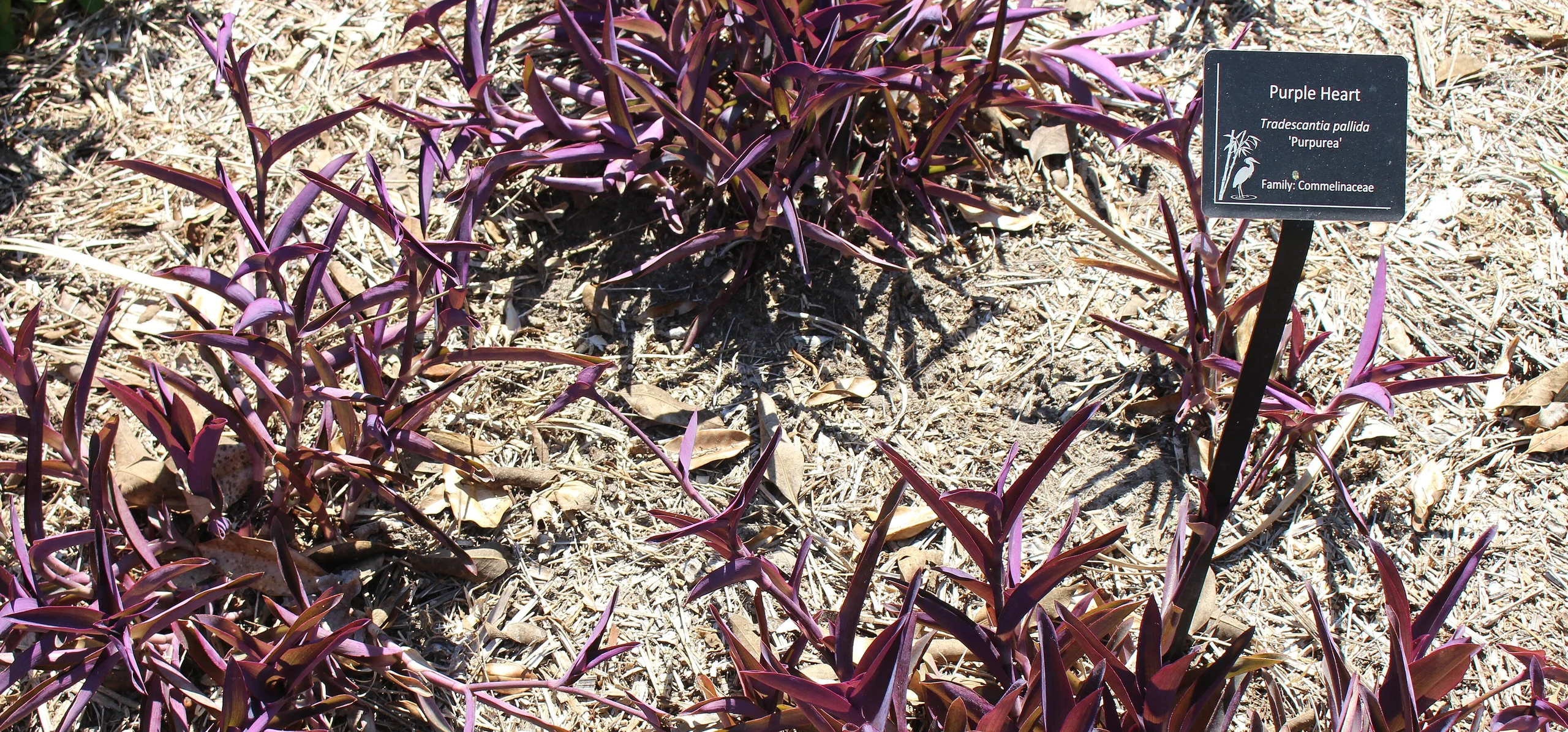
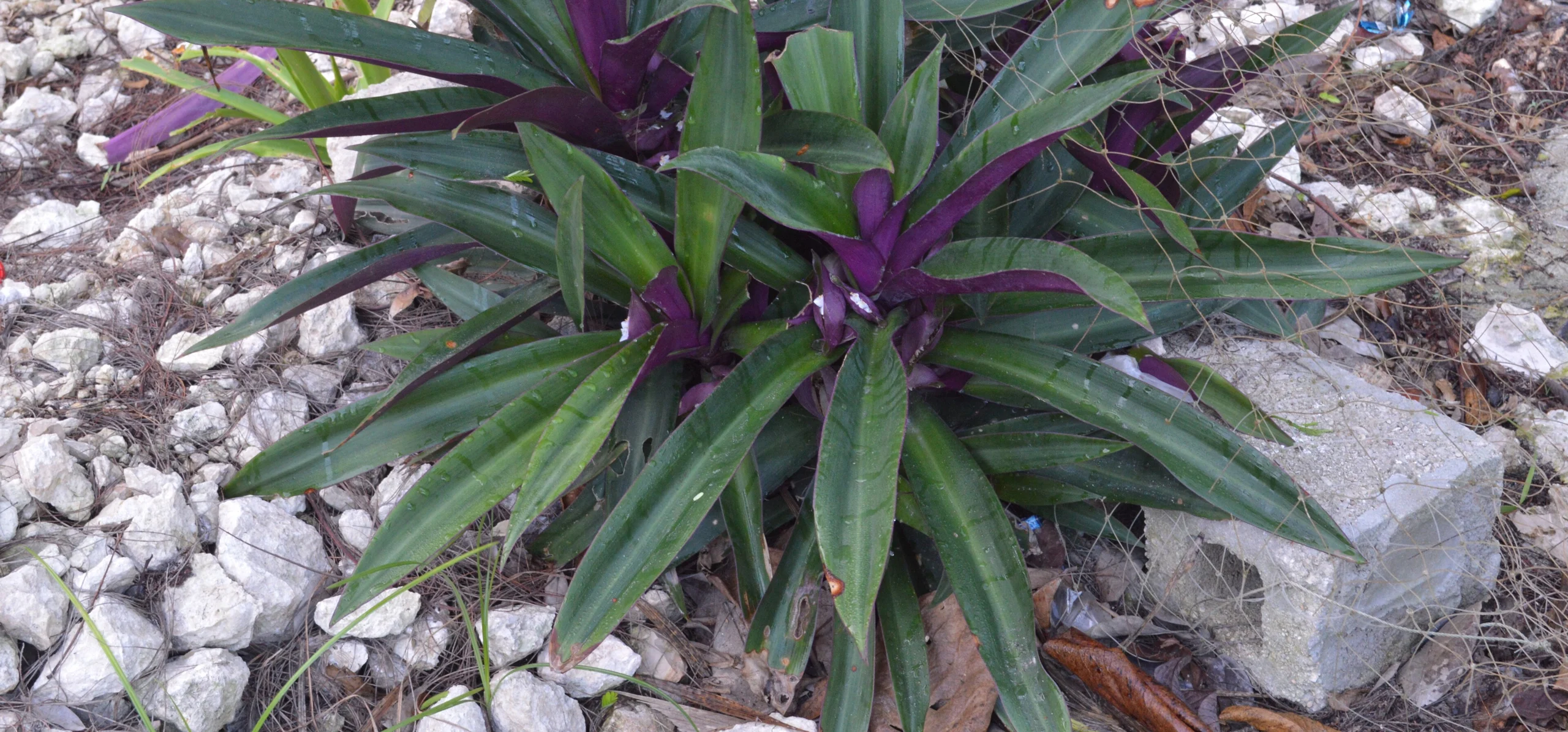
Tradescantia spathacea forms a tight rosette of stiff, sword-shaped leaves, glossy green on top and deep purple underneath, with tiny white three-petaled flowers tucked inside small purple, boat-shaped bracts near the base. Sold for decades under its old name Rhoeo, or as boat lily and oyster plant, it wants bright indirect light to keep that purple backing dark, soil that dries at the top between waterings, and a spot that never drops below about 10°C. It clumps by producing offsets around its base rather than by running, so a single rosette slowly becomes a cluster of them in the same pot.
From a Caribbean Rosette to Rhoeo and Back to Tradescantia
The species is native to southern Mexico and Guatemala, according to Plants of the World Online, where it grows as a low subshrub in wet tropical habitat. Botanists have described it under several names since the eighteenth century: it spent much of the twentieth century as Rhoeo discolor and then Rhoeo spathacea, the name still printed on plenty of older plant tags and nursery labels, before taxonomists folded Rhoeo back into Tradescantia. GBIF's current backbone lists Tradescantia spathacea Sw. as the accepted name, with Rhoeo discolor, Rhoeo spathacea, and several older names such as Ephemerum bicolor recorded as synonyms rather than separate species. If a label still reads Rhoeo, it is this same plant, not a different one.
Light Is What Keeps the Purple Dark
The species tolerates full sun to partial shade outdoors, but indoors it does best in bright, filtered light a few feet from a south or west window rather than direct midday sun, which can scorch the leaf tips through glass. Light is also what drives the leaf color: a plant pushed into a dim corner stops producing new leaves with the same depth of purple on the underside, and the whole rosette starts to stretch and thin instead of staying compact. Variegated forms are even more light-hungry, since the cream and pink streaks fade fastest in low light, well before the plain green backing does.
Watering and Soil
Let the top inch or two of the mix dry out before watering again, then water thoroughly and let it drain; the thick, fleshy leaves hold enough reserve that the plant tolerates a missed watering far better than it tolerates a pot that stays wet, which is the more common way to lose one. Cut back further once growth slows in winter. A well-drained potting mix or sandy loam, the kind sold as multipurpose or houseplant compost, suits it better than a heavy, moisture-retentive mix; a plastic pot with several drainage holes, or unglazed terracotta if the room runs humid, keeps the roots from sitting wet between waterings.


Keep It Above 10°C
The RHS rates this species H1b, meaning it needs a minimum of around 10 to 15°C and cannot take frost at all; outdoors it survives year-round only in USDA hardiness zones 9a to 11b. Anywhere colder, it has to come inside or into a heated conservatory well before the first cold nights, since a chill this sensitive plant does not shrug off shows up first as blackened, mushy patches on the lower leaves. Once indoors for winter, feeding stops and watering drops back until the plant picks up again with longer days in spring.
Choosing a Variety
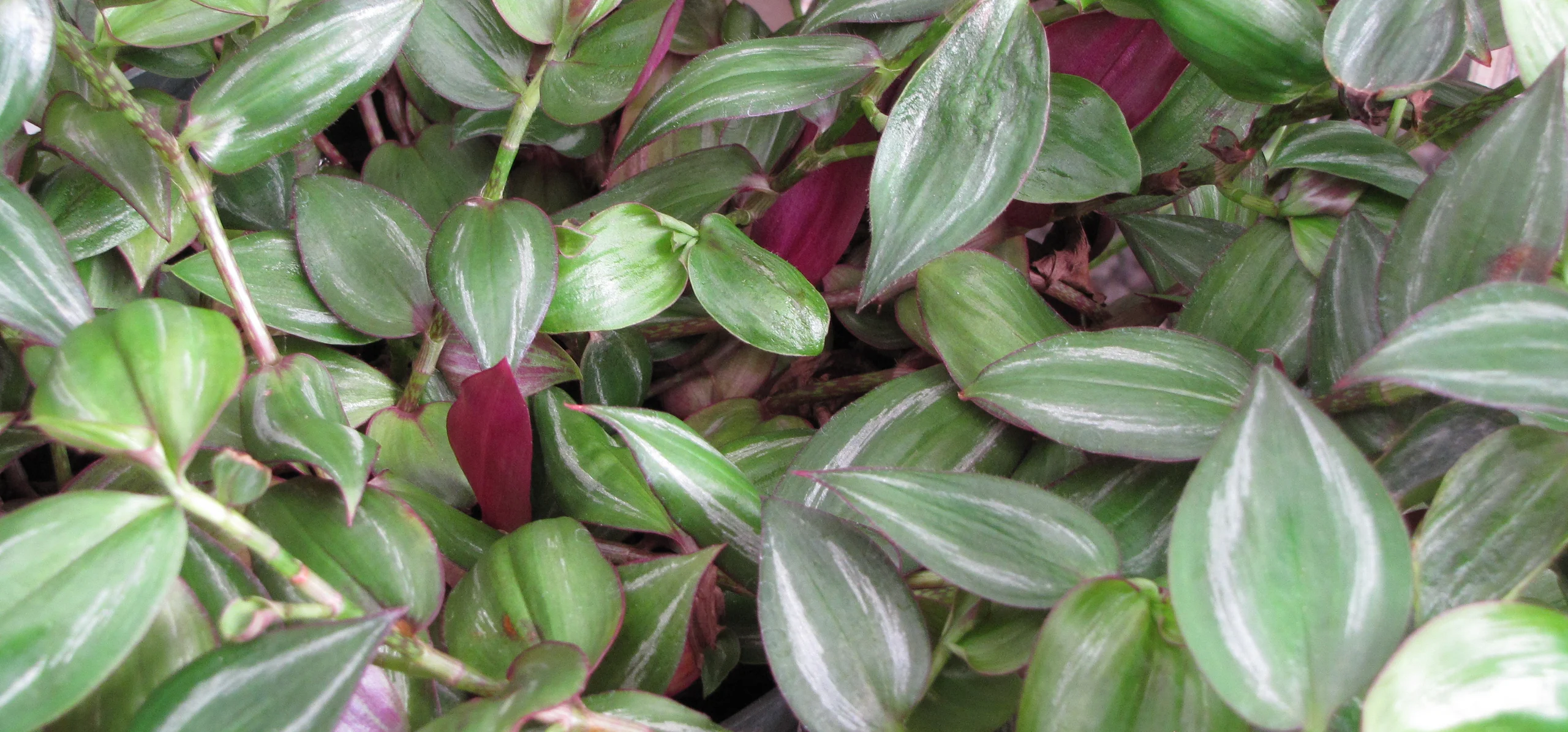
The plain species has solid green leaves with a uniform purple back, but most of what nurseries sell today is a variegated form. 'Tricolor', also sold as 'Sitara', layers cream, pink, and green stripes down the top of each leaf while keeping the same deep purple underside; RHS lists several closely related clones under names like 'Vittata' and 'Concolor' that vary mainly in how much cream or pink shows against the green. Variegated forms stay more compact and colorful with strong light and tend to revert toward plain green in the same low-light conditions that would simply stretch the species.
Propagation From Offsets and Cuttings
The easiest way to get a new plant is to detach one of the offsets, the small rosettes that form around the base of a mature clump, once it has a few roots of its own, and pot it separately in the same free-draining mix as the parent. A rosette can also be propagated by cutting off the top with a short length of stem attached and letting the cut dry for a day before setting it in barely moist mix, where it roots over the following weeks. Either method skips the slower route of starting from seed and produces a plant that matches the parent, including its variegation.
The Boat-Shaped Flowers That Named It
The common names boat lily and Moses-in-the-cradle both come from the flowers: tiny, three-petaled, and white, they sit cradled inside a pair of folded, boat-shaped purple bracts low in the leaf axils, appearing on and off through the growing season rather than in one flush. They are easy to miss against the purple foliage and are not the plant's main draw, but they are the detail that gives the species both of its common names.
Sap, Toxicity, and Where It Turns Invasive
Handle this plant with gloves: the RHS lists it as a skin allergen, and North Carolina State University's Extension notes that the sap causes stinging and contact dermatitis, with mouth and throat irritation, nausea, and vomiting if a person chews on the leaves. The ASPCA lists Moses-in-the-cradle as toxic to cats and dogs as well, so it is worth keeping the trailing offsets away from a pet that likes to chew foliage. Outside of pots, the species has also become a problem plant in warm climates: the University of Florida's IFAS Assessment classifies it as invasive and not recommended for planting in the state, and the University of Hawaii's Pacific Island Ecosystems at Risk project rates it a high-risk weed, naturalized on several islands where its dense rosettes carpet the forest floor and crowd out native seedlings. In a garden bed in Florida or Hawaii, spent offsets are best composted rather than tossed over a fence.
Test your plant knowledge
Tap a card to flip it and reveal the answer.
Low light causes the purple leaf color to fade and the rosette to stretch. Tap to reveal ✓ True
Rhoeo is still the botanically accepted genus name for this plant. Tap to reveal ✕ False
The sap can irritate skin, so gloves are recommended when handling the leaves. Tap to reveal ✓ True
This species is considered invasive in parts of Florida and in Hawaii. Tap to reveal ✓ True
It cannot survive outdoors year-round anywhere in the continental United States. Tap to reveal ✕ False
Sources
References consulted for this guide
- Tradescantia spathacea Sw., GBIF Backbone Taxonomygbif.org
- Tradescantia spathacea Sw., Plants of the World Online (Kew)powo.science.kew.org
- Tradescantia spathacea (Boat Lily, Moses-in-the-Cradle, Oyster Plant), NC State Extension Gardener Plant Toolboxplants.ces.ncsu.edu
- Moses in Cradle, ASPCA Toxic and Non-Toxic Plantsaspca.org
- Tradescantia spathacea (Oyster Plant), UF/IFAS Assessment, University of Floridaask.ifas.ufl.edu
- Tradescantia spathacea, PIER species info, University of Hawaiihear.its.hawaii.edu
- Reference entity : Wikipédiaen.wikipedia.org