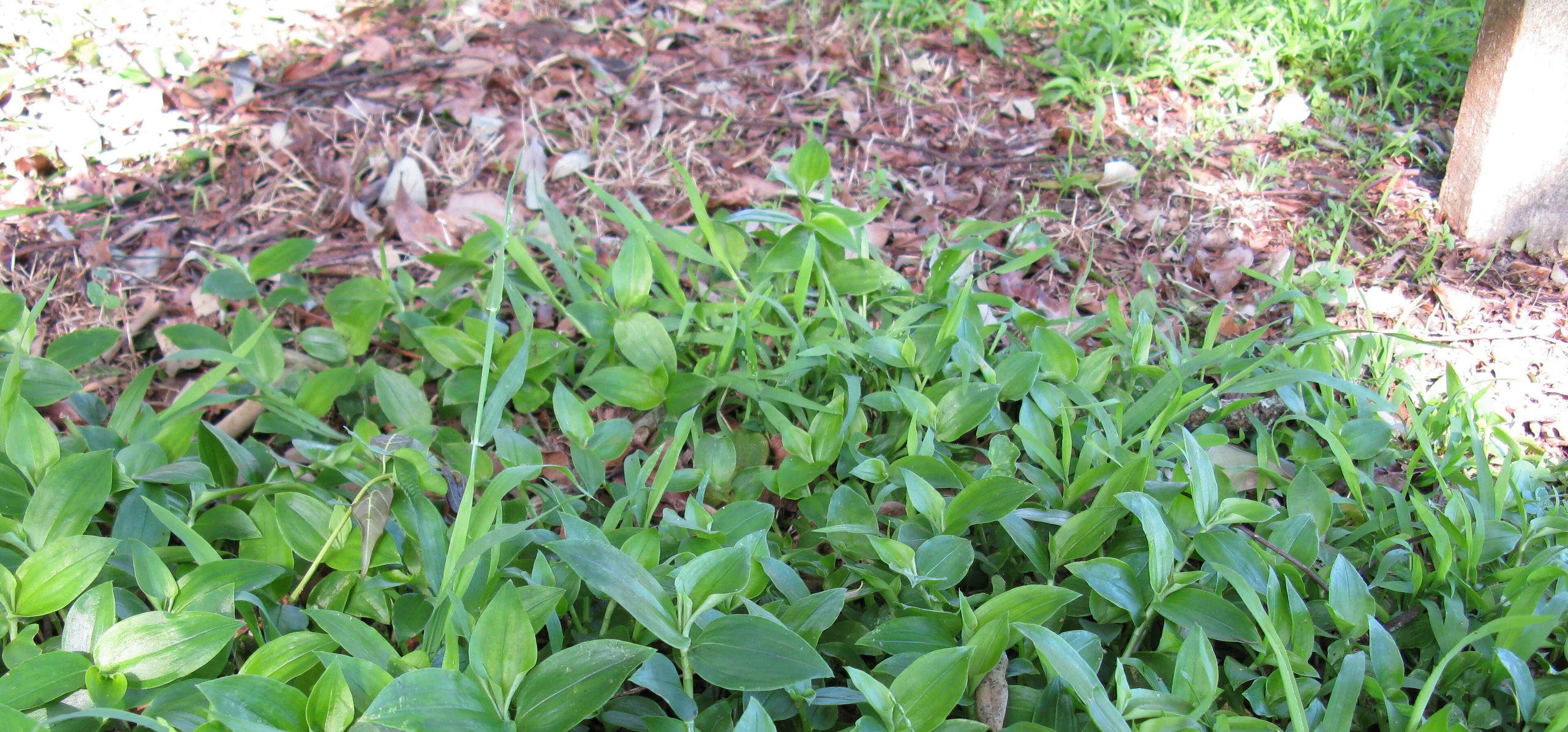
Small-Leaf Spiderwort
Tradescantia fluminensis
Family · Commelinaceae
Small-leaf spiderwort roots from any stem fragment left in water or soil, the trait that makes it a forgiving houseplant and a listed invasive weed outdoors.
Tradescantia fluminensis
Plant profile
- WateringModerateWater every 7 days
- Light exposureIndirect light
- Ideal temperature5–29 °C
- Hardiness zoneUSDA 9–12
Growth
- Family
- Commelinaceae
- Life cycle
- Perennial
- Growth speed
- 8/10
- Mature size
- 5–10 cm
- Spread
- 10–50 cm
- Flowering
- Small, three-petalled white flowers, mainly in summer
- Propagation
- Cutting
DormancyNo true dormancy indoors; growth slows in low winter light
Time to maturityReaches full spread in 2 to 5 years (RHS); fills a hanging basket within a single growing season
Soil & climate
- Soil types
- Loam-based, peat-free compost (RHS), Moist but well-drained potting mix
- Drought tolerance
- Yes
Light & Placement
- Origin
- Southeastern and southern Brazil to northern Argentina (POWO)
- Where to place it
- East, south or west-facing window with the light filtered or diffused
- A few feet back from a bright window, out of direct midday sun
- Partial shade in frost-free climates only; avoid open ground given its invasive status
- Hanging basket to show off the trailing stems
- Wide, shallow pot for a bushy tabletop specimen
Safety
- Toxicity
- CatsToxic
- DogsToxic
- HorsesToxic
- HumansToxic
Invasive speciesSeriously invasive outdoors in New Zealand, Australia, the southeastern United States, Portugal and South Africa (NC State Extension); every stem or root fragment can root, never compost outdoors in a mild climate
Data fromTradescantia fluminensis Vell., GBIF BacTradescantia fluminensis Vell., Plants oTradescantia fluminensis, RHSTradescantia fluminensis, NC State ExtenInch Plant, ASPCA Toxic and Non-Toxic Pl
Where it grows
World distribution
Small-Leaf Spiderwort is native to 4 countries: Argentina, Brazil, Paraguay, and Uruguay.GBIF records 33,852 documented identifications across 71 countries, with the largest concentrations in Australia, Portugal, and New Zealand.
- Argentina
- Brazil
- Paraguay
- Uruguay
Yellow to orange dots: concentration of documented identifications per country. Green countries: sourced native range. Source: GBIFNative range from POWO (Kew).
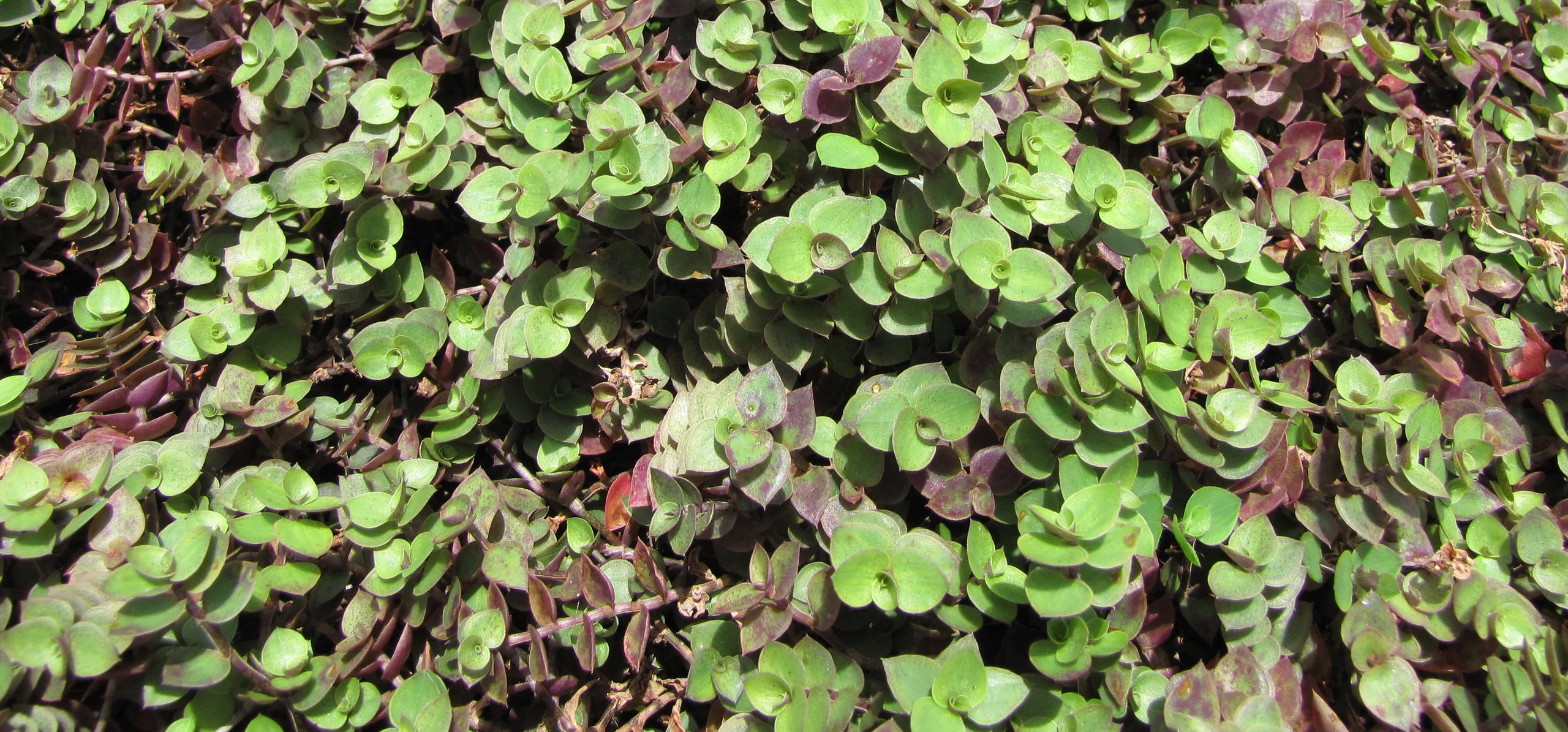
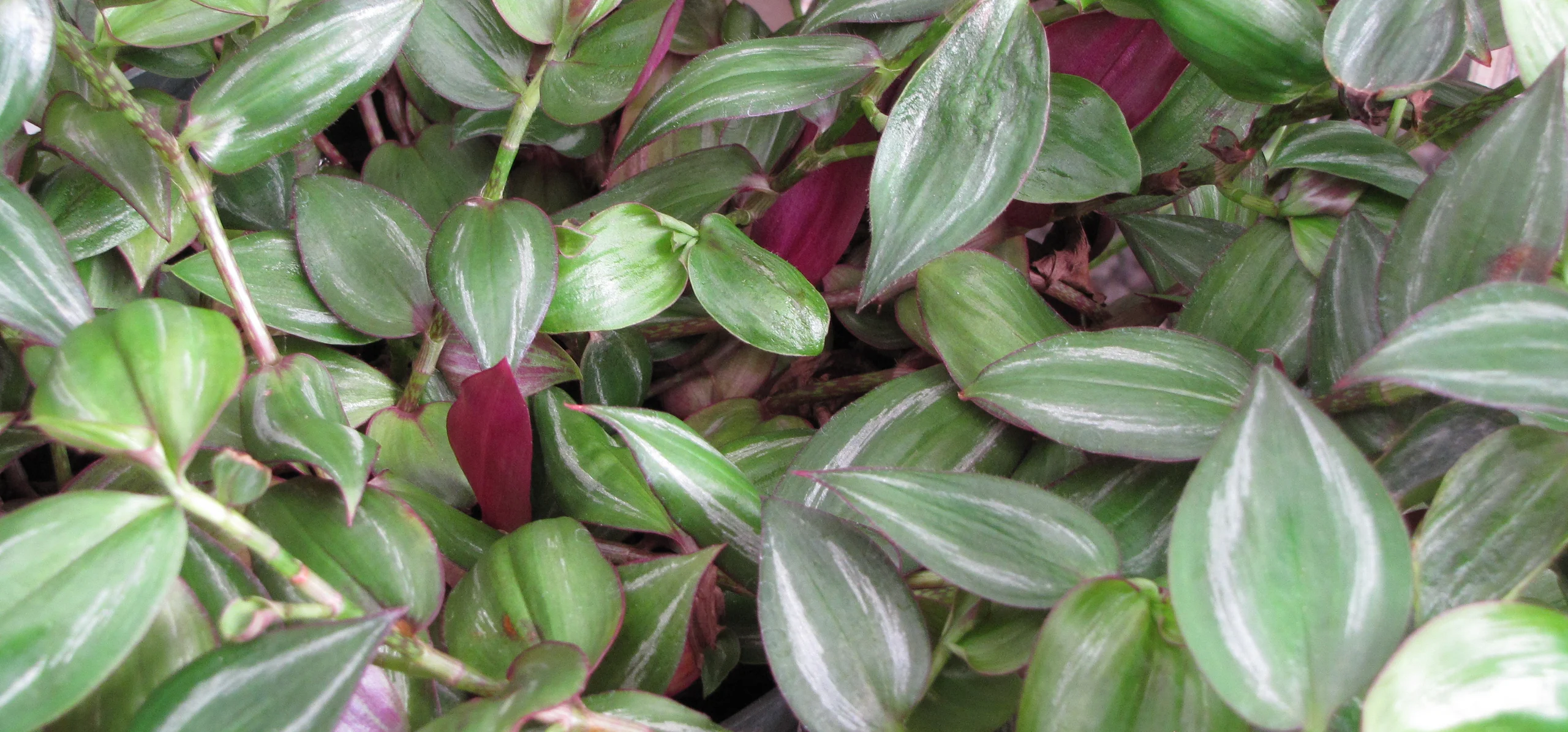
Tradescantia fluminensis arrives either as a plain green trailer or as the pink-and-cream striped 'Tricolor' (also sold as 'Variegata'), both carrying the same small, pointed oval leaves and three-petalled white flowers typical of the spiderwort genus. It wants bright, indirect light, a soak once the surface of the mix has dried, and a pinch every few weeks to stop the stems running bare; treated that way, a small cutting fills a hanging basket within a season and shrugs off the odd missed watering. The one thing it does not forgive is a garden bed in a mild climate: the same rooting-from-any-fragment habit that makes it so easy to propagate on a windowsill has made it one of the world's more damaging groundcover weeds outdoors. Keep it in a pot.
A Brazilian Trailer With a Wandering Reputation
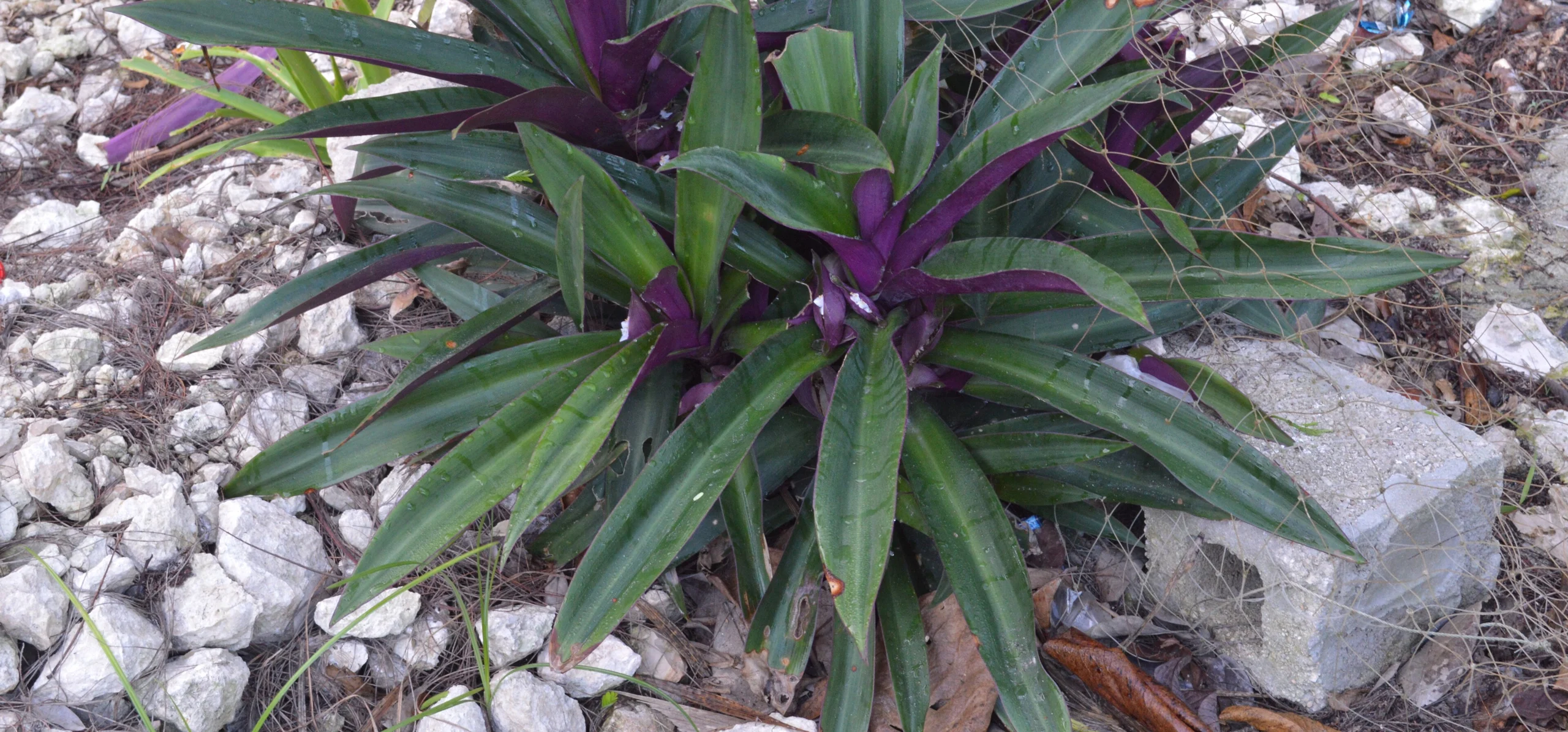
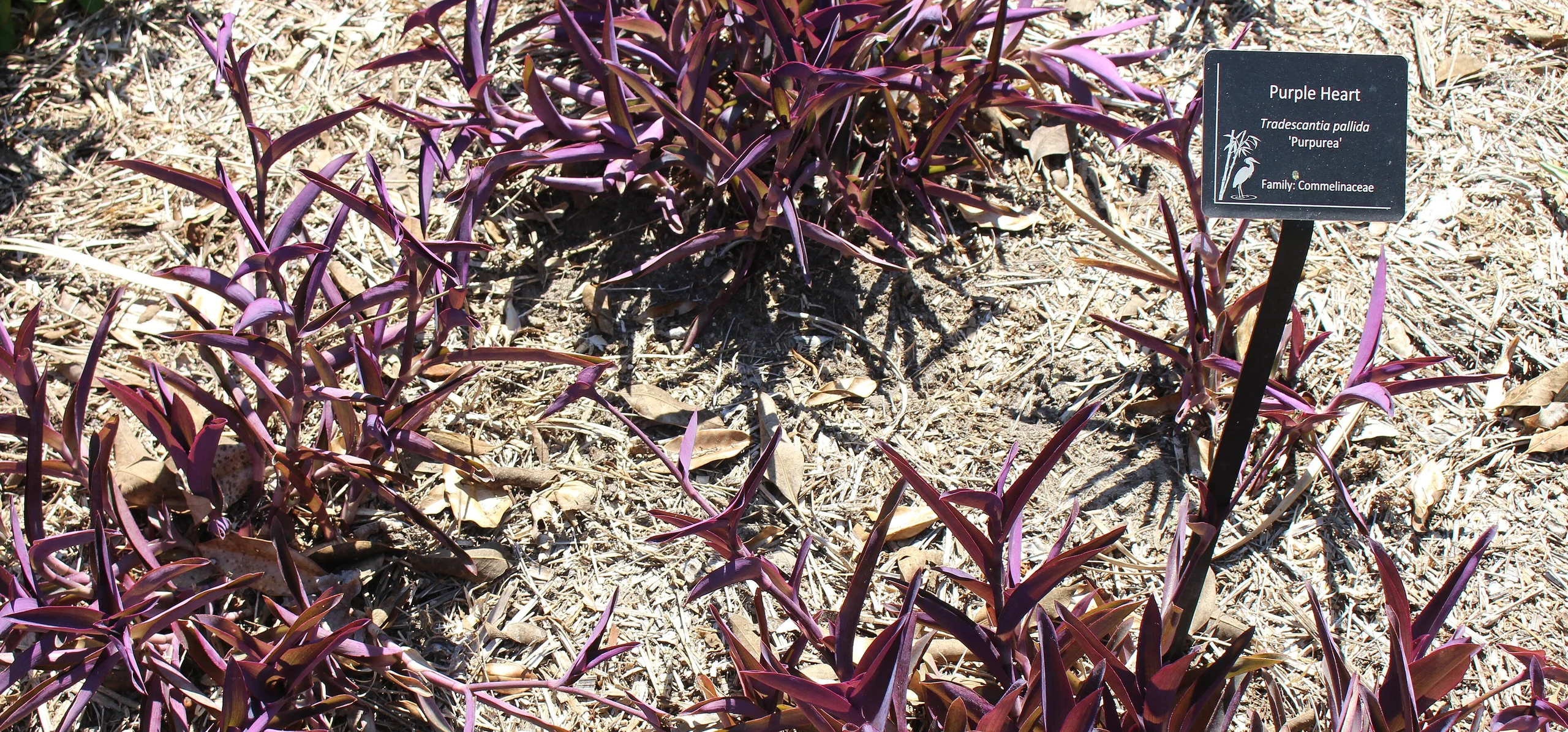
Plants of the World Online records the native range of Tradescantia fluminensis as southeastern and southern Brazil to northern Argentina, where it grows as a low, spreading groundcover and sometimes scrambles over rocks and tree bases in wet forest. GBIF's accepted name for the species is Tradescantia fluminensis Vell., placing it in the spiderwort family, Commelinaceae; older nursery labels also sold it as Tradescantia albiflora, now treated as a synonym. It is easy to confuse with its cousin Tradescantia zebrina, sold as inch plant: zebrina has broader, more succulent leaves striped silver and purple with pink flowers, while fluminensis has thinner, plain green or white-striped leaves and pure white flowers.
Choosing a Variety: Plain Green or Striped
The species itself is solid mid-green, but most houseplant shelves stock 'Tricolor', striped pink, cream and green down each leaf. The variegated form is the fussier of the two: it needs brighter light to hold its stripes, and the RHS specifically notes that any shoots reverting to plain green should be cut out as soon as they appear, since they grow faster than the variegated stems and quietly take the plant over if left alone. The plain green species tolerates dimmer corners and grows noticeably faster once it does. Either one roots so readily from a cutting that a single small starter pot fills several more within a year.
Light and Placement
Bright, indirect light keeps the leaves compact and, on variegated plants, keeps the pink and cream stripes from fading back to green. The RHS lists it for partial shade with an east, south or west aspect as long as the light is filtered rather than direct; unfiltered midday sun through glass scorches the leaves with pale, papery patches, especially on the thinner variegated foliage. Too little light stretches the stems, thins the leaf spacing out and, on 'Tricolor', erases the variegation within a few new leaves as the plant reverts to all-green growth once it no longer gets enough light to support the pigment.


Watering and Feeding
Water once the surface of the mix has dried out, then soak thoroughly and let the pot drain; the fleshy stems hold enough moisture that a missed watering or two leaves the plant looking limp rather than doing lasting damage. It is genuinely tolerant of neglect for a houseplant, recovering within hours of a good soak, though soil left constantly wet at the base of the stems leads to rot faster than drought does any harm. Feed lightly: a half-strength balanced liquid feed every four to six weeks over spring and summer is enough for a plant that grows fast on very little, and heavier feeding just pushes long, weak stems rather than fuller growth.
Pinching, Restarting and Propagation From Cuttings
Left alone, each stem keeps extending from the tip, so a plant that starts full and bushy gradually turns into a tangle of long bare runners with leaves only near the ends. Pinching the growing tip off just above a leaf pair every few weeks through the growing season forces new shoots lower down and keeps the plant dense; skipping this step for a season is the single most common reason a spiderwort looks straggly. Even with regular pinching, the base tends to go bare after a year or two, and the more practical fix at that point is not more pruning but a full restart: take four to six inch tip cuttings, strip the lowest leaf pair, and stand them in a glass of water on a bright windowsill. Visible white roots appear within days, and once they reach about an inch, several rooted cuttings pressed into one pot make an instantly full hanging basket, faster and more reliable than coaxing an old, leggy plant back into shape.
Pests and Common Mistakes
Spider mites show up first as fine stippling and faint webbing on the undersides of leaves, usually on plants kept too warm and dry; a strong rinse of the foliage and a bit more humidity around the plant usually settles a light infestation. Aphids cluster on new growth and flower stalks and wash off the same way, or respond to insecticidal soap if they persist. The RHS also lists mealybugs, vine weevils and thrips as occasional visitors, though it rates the species generally disease-free otherwise. Beyond pests, the two most common mistakes are letting the mix stay wet, which rots the stem bases, and leaving the plant unpinched for months, which is what turns a full pot into a thin, bare-stemmed one.
A Serious Invasive Weed Outdoors
The same trait that makes this plant so easy to propagate on a windowsill, rooting from almost any stem fragment, makes it one of the more damaging groundcover weeds wherever the climate lets it survive outdoors year-round. North Carolina State Extension names Australia, New Zealand and the southeastern United States as seriously affected areas, and lists Portugal and South Africa's Northern Provinces among the regions where the species has established outside cultivation. In New Zealand in particular it is a notorious weed of native forest floors, forming a dense mat that blocks light to the ground and stops native seedlings from establishing underneath it. Because every broken-off piece of stem or root can start a new plant, garden clippings should never go into an outdoor compost heap or green-waste bin in a mild, frost-free climate; bag them for household trash instead, or let them dry out completely on a hard surface first.
Toxicity to Pets and People
The ASPCA lists this species as toxic to dogs, cats and horses, with contact dermatitis as the clinical sign, an itchy skin reaction from handling the sap rather than internal poisoning from eating it. The same sap can irritate human skin on repeated contact, so gloves are worth wearing when taking a large batch of cuttings or clearing an outdoor patch. Frost tender throughout (the RHS rates it H1C, hardy only to about 5 to 10 degrees Celsius), it needs to come indoors well before the first frost anywhere outside the mild, frost-free climates where it also has the potential to become a garden escape.
Test your plant knowledge
Tap a card to flip it and reveal the answer.
Tradescantia fluminensis is native to Sweden, which is where the 'Swedish' names for Tradescantia species come from. Tap to reveal ✕ False
The variegated 'Tricolor' form needs brighter light than the plain green species to keep its pink and cream stripes. Tap to reveal ✓ True
A broken piece of stem left on damp garden soil can grow into a new plant. Tap to reveal ✓ True
The ASPCA lists Tradescantia fluminensis as non-toxic to cats and dogs. Tap to reveal ✕ False
A stem cutting can grow visible roots in a glass of water within a matter of days. Tap to reveal ✓ True
Sources
References consulted for this guide
- Tradescantia fluminensis Vell., GBIF Backbone Taxonomygbif.org
- Tradescantia fluminensis Vell., Plants of the World Online (Kew)powo.science.kew.org
- Tradescantia fluminensis, RHSrhs.org.uk
- Tradescantia fluminensis, NC State Extension Gardener Plant Toolboxplants.ces.ncsu.edu
- Inch Plant, ASPCA Toxic and Non-Toxic Plantsaspca.org
- Reference entity : Wikipédiaen.wikipedia.org