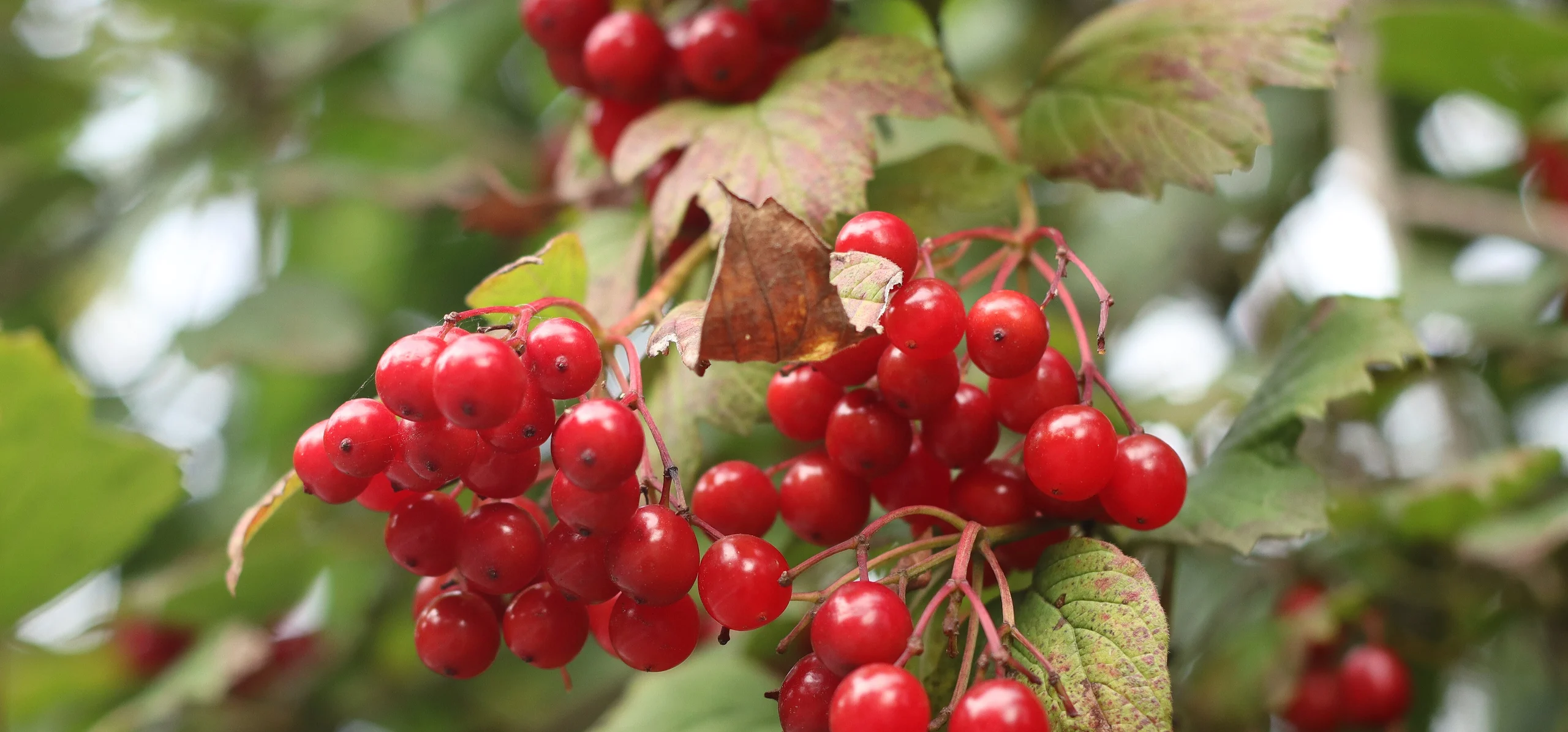
Guelder Rose
Viburnum opulus
Family · Viburnaceae
Guelder rose tolerates wet soil most shrubs reject, flowers in lacecap heads in May and June, and keeps red berries into winter if you skip sterile 'Roseum'.
Viburnum opulus
Plant profile
- WateringModerateWater every 7 days
- Light exposurePartial sun
- Hardiness zoneUSDA 2–8
Growth
- Family
- Viburnaceae
- Life cycle
- Perennial
- Growth speed
- 6/10
- Mature size
- 400–800 cm
- Spread
- 250–400 cm
- Flowering
- Lacecap white flowers in May and June, red berries into winter
- Propagation
- Seed
- Cutting
Dormancydeciduous, dormant in winter
Time to maturityfull size in 10-20 years
Soil & climate
- Soil types
- chalk, clay, loam, sand
- Drought tolerance
- No
Light & Placement
- Origin
- Europe to Siberia and Turkiye, and N. Algeria (POWO)
- Where to place it
- damp hedgerow
- pond or stream margin
- wildlife border
- informal boundary hedge
Safety
- Toxicity
- HumansToxic
Data fromGBIF Backbone Taxonomy: Viburnum opulus Plants of the World Online (Kew): ViburnRHS: Viburnum opulus (guelder rose)NC State Extension Gardener Plant ToolboCornell University: Viburnum Leaf Beetle
Where it grows
World distribution
Guelder Rose is native to 30 countries: Albania, Algeria, Austria, Belarus, Belgium, Bulgaria, Croatia, and Czechia….GBIF records 622,434 documented identifications across 68 countries, with the largest concentrations in France, United Kingdom, and Sweden.
- Albania
- Algeria
- Austria
- Belarus
- Belgium
- Bulgaria
- Croatia
- Czechia
- Denmark
- Estonia
- Finland
- France
Show 18 more countriesShow fewer countries
- Georgia
- Germany
- Greece
- Hungary
- Ireland
- Italy
- Kazakhstan
- Netherlands
- Norway
- Poland
- Romania
- Russia
- Spain
- Sweden
- Switzerland
- Türkiye
- Ukraine
- United Kingdom
Yellow to orange dots: concentration of documented identifications per country. Green countries: sourced native range. Source: GBIFNative range from POWO (Kew).
Guelder rose (Viburnum opulus) is the deciduous, cold-hardy cousin of the evergreen viburnums grown for winter flower: a hedgerow and pond-margin shrub that opens flat lacecap flowers in May and June, then swaps them for hanging clusters of translucent red berries that often stay on the bare branches into January. Established plants ask for almost nothing, tolerate ground too damp for most shrubs, and turn red-purple in autumn before the maple-shaped leaves drop. The one thing worth checking before buying is which form is in the pot: the true species carries berries that feed garden birds through winter, while the popular sterile snowball cultivar 'Roseum' never sets fruit at all.
Origin, Habitat and How It Differs from Other Garden Viburnums
Plants of the World Online (Kew) gives the native range of Viburnum opulus as Europe to Siberia and Turkiye, and N. Algeria, a spread that explains why it copes with winters far colder than the Mediterranean viburnums sold alongside it in garden centres. GBIF places it in the family Viburnaceae, order Dipsacales, the same lineage as the evergreen Viburnum tinus, but the two behave almost like opposites in a garden: tinus is an evergreen, drought-tolerant hedge that flowers through winter, while opulus is fully deciduous, wants consistently moist ground, and flowers only in late spring. In the wild it grows along hedgerows, woodland margins and riverbanks, often rooted in soil that stays damp for weeks at a time, a habit that carries straight over into how it should be sited at home.
Choosing a Form: Wild Species, Sterile 'Roseum' and Yellow-Fruited Types
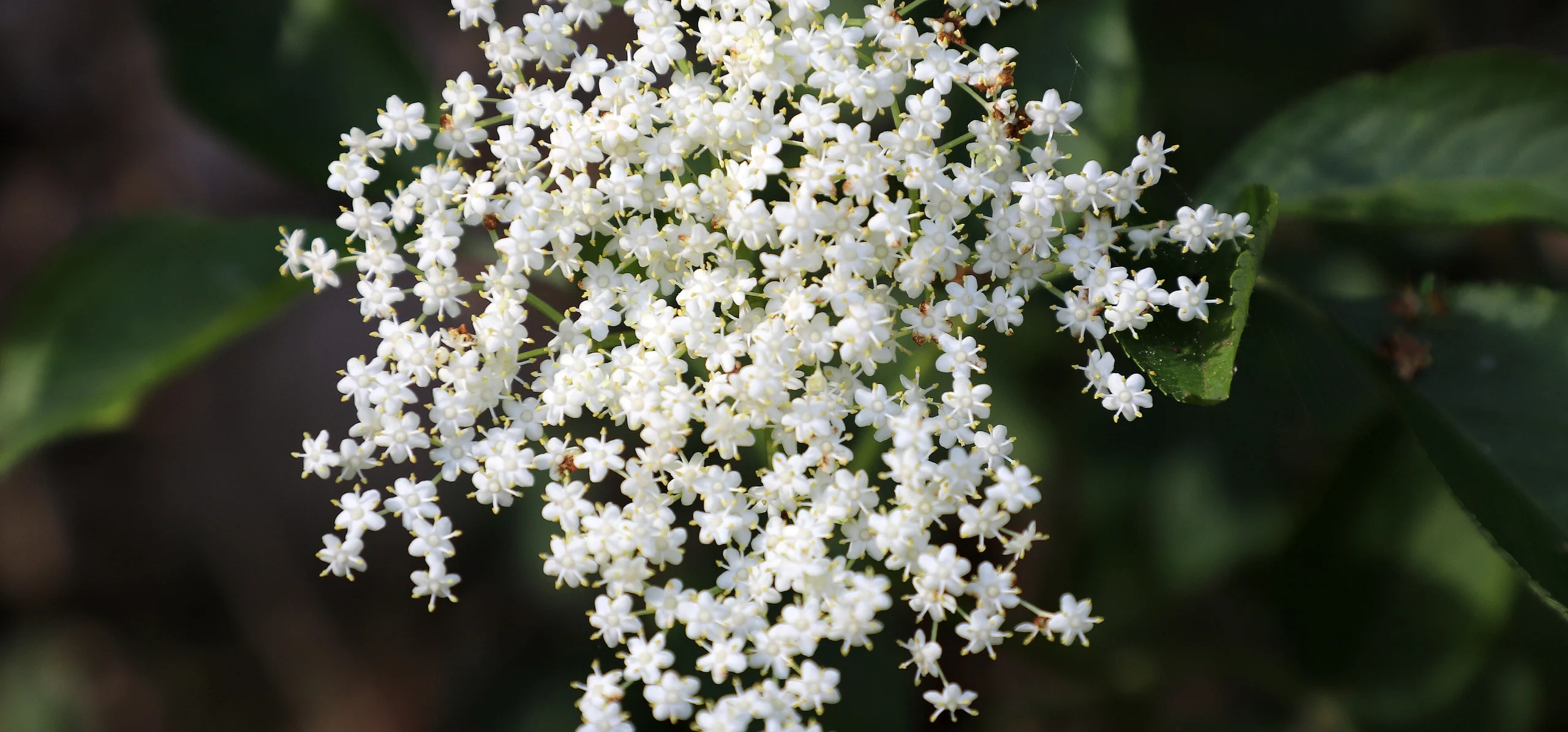
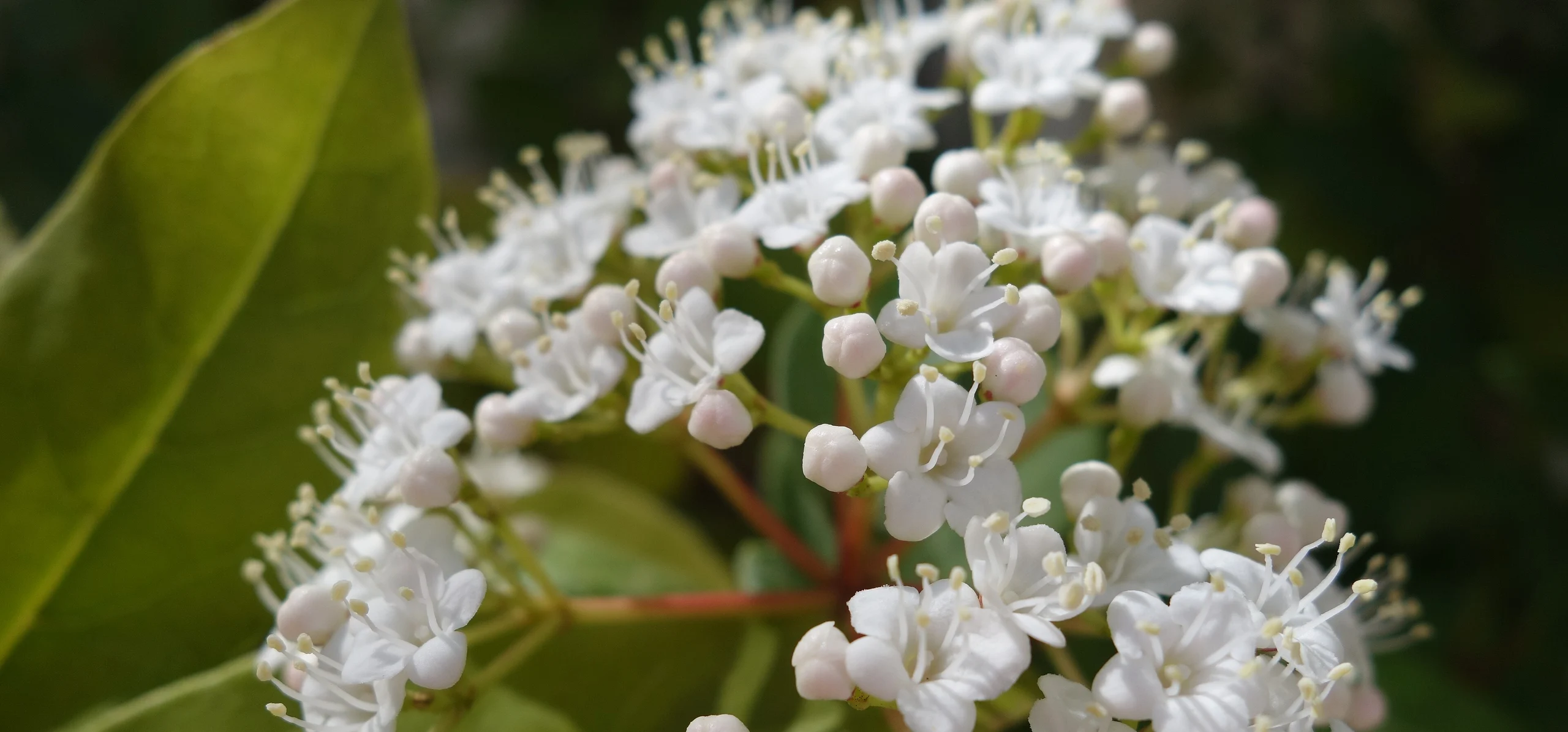
Nurseries sell distinct kinds of guelder rose and they are not interchangeable if fruit matters to you. The wild species carries flat lacecap flowerheads, tiny fertile florets ringed by larger sterile ones, and goes on to produce the bright red berries that give the shrub its winter interest and its value to blackbirds and thrushes. 'Roseum', in cultivation across Europe since the sixteenth century, has been bred so every floret in the ball-shaped flowerhead is sterile: the flowers are larger and showier, ageing to a rose blush, but the plant never sets a single berry and offers pollinators far less to work with than the species form. A few named forms such as 'Xanthocarpum' keep the fertile lacecap flowers but ripen yellow rather than red fruit. If the point of planting guelder rose is birds, preserving, or the winter berry display, buy the species or a fruiting cultivar, not 'Roseum'.
Site and Soil: A Shrub That Tolerates Wet Ground
RHS growing notes list guelder rose as happy on chalk, clay, loam or sand, at acid, neutral or alkaline pH, in moist-but-well-drained or simply well-drained soil, and in full sun or partial shade. What that tolerance hides is a real preference: unlike most shrubs on that same broad list, guelder rose is one of the few that shrugs off ground that stays wet for part of the year, which is why it turns up along ditches, pond margins and low, damp corners where more fussy shrubs would rot. RHS rates it hardiness H6, hardy through UK and northern European winters down to about -20C, and North Carolina State Extension lists it as reliable across USDA zones 2a to 8b, among the more cold-tolerant garden shrubs available. Full sun gives the densest flowering and the best berry set; part shade is tolerated but flowering and fruiting both thin out.


Planting and the First Two Summers
Plant bare-root guelder rose between autumn and early spring while it is dormant, or a containerised plant at any time the ground is workable, watering it in well. RHS lists an ultimate spread of 2.5 to 4 metres reached over 10 to 20 years, so give a specimen shrub that much room, or space hedging plants roughly 60 to 90 cm apart for a screen that closes within a few seasons. Water deeply through the first two summers while the roots establish, especially on lighter soils that dry out faster than the clay and damp ground the species is adapted to; a mulch of garden compost or leaf mould in spring conserves moisture and feeds the shrub without the need for regular fertiliser.
Flowering, Pollinators and the Berry Display
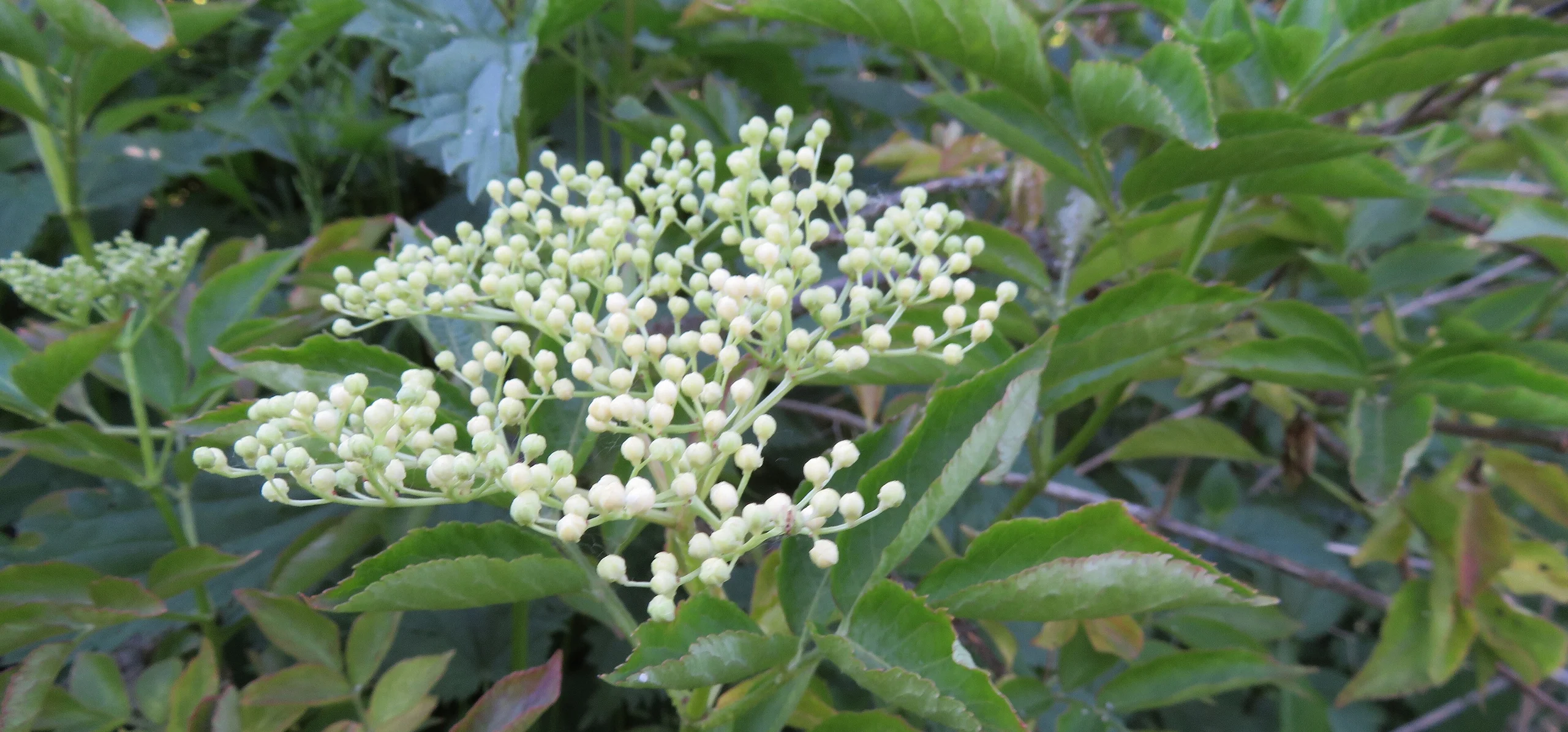
Flowers open in flat, lacecap-style heads in late spring and early summer: a ring of large, flat, sterile florets frames a centre of small, tubular, fertile ones, a structure built to lure pollinators in to the flowers that actually set seed. RHS carries a Plants for Pollinators badge on the species for exactly that reason. Through summer the fertile florets swell into green, then yellow, then translucent bright red berries, hanging in loose, drooping clusters that persist on the bare branches well into winter once the leaves have dropped, food for blackbirds, thrushes and other garden birds as other berries run out. North Carolina State Extension notes the fruit shrivels raisin-like after the first hard frost, is mildly deer-resistant even as it feeds birds, and that the species also hosts the spring azure butterfly.
Pruning Group 1: After Flowering, Unless You Want the Berries
RHS places guelder rose in pruning group 1: cut out dead, damaged or crossing wood immediately after flowering in early summer, and otherwise leave the shrub largely alone; it tolerates a hard renovation cut if it outgrows its space. The timing matters more than it looks, because pruning right after flowering in June removes the same branches that would have carried the berries through winter. If the fruit display is the point of growing it, skip the early prune and wait until late winter, once the berries have dropped or been stripped by birds, cutting back before the new season's growth begins.
Viburnum Leaf Beetle: The Species' Main Threat
Guelder rose is among the viburnum species most damaged by the viburnum leaf beetle, Pyrrhalta viburni, according to Cornell University's horticulture research. Adult females chew small cavities into the current year's twigs each October, lay eggs inside and cap the holes with a protective plug, and the eggs overwinter there until larvae hatch in late April or early May. The larvae feed on the underside of the youngest leaves for four to five weeks, skeletonising them down to a lace of veins, then drop to the soil to pupate before re-emerging as adults around mid-July to chew ragged holes in the second flush of leaves, mate and lay the next set of eggs. A single season of feeding rarely kills an established shrub, but two or three consecutive years of heavy defoliation can. Checking twig tips for the telltale row of capped egg cavities in winter, and scraping or pruning them out before the eggs hatch, is the most effective control.
Propagation, Toxicity and Common Mistakes
RHS recommends propagating guelder rose from seed sown in containers in a cold frame in autumn, or from softwood cuttings taken in summer, both straightforward on a shrub this vigorous. The berries themselves are rated by RHS as ornamental only, not for eating, with the advice to wear gloves and other protective equipment when handling the plant. The ASPCA's toxic and non-toxic plant database carries no entry for Viburnum opulus by name; the only viburnum it lists, black haw (Viburnum lentago), is rated non-toxic to cats, dogs and horses, but that rating cannot be extended to guelder rose without a species-specific listing, so treat the raw berries around pets and children with ordinary caution rather than a confirmed safety claim. The most common mistakes with this shrub are planting sterile 'Roseum' while expecting a berry display for winter birds, siting it in a hot, free-draining border where the moisture-loving species dries out and looks ragged by midsummer, and mistaking a lace of skeletonised leaves in May for disease rather than viburnum leaf beetle larvae, which are easier to control by hand-picking or removing egg-laden twigs in winter than by spraying once the damage is visible.
Test your plant knowledge
Tap a card to flip it and reveal the answer.
Guelder rose tolerates soil that stays wet for part of the year better than most garden shrubs. Tap to reveal ✓ True
The 'Roseum' cultivar produces the bright red berries prized for winter bird food. Tap to reveal ✕ False
RHS recommends pruning guelder rose immediately after flowering if you want to keep this winter's berry display. Tap to reveal ✕ False
Viburnum leaf beetle females lay their eggs in capped cavities chewed into twigs each autumn. Tap to reveal ✓ True
The ASPCA lists Viburnum opulus by name as non-toxic to cats and dogs. Tap to reveal ✕ False
Sources
References consulted for this guide
- GBIF Backbone Taxonomy: Viburnum opulus L.gbif.org
- Plants of the World Online (Kew): Viburnum opulus L.powo.science.kew.org
- RHS: Viburnum opulus (guelder rose)rhs.org.uk
- NC State Extension Gardener Plant Toolbox: Viburnum opulusplants.ces.ncsu.edu
- Cornell University: Viburnum Leaf Beetle, egg-laying siteshort.cornell.edu
- Reference entity : Wikipédiaen.wikipedia.org