Laurustinus
Viburnum tinus
Family · Viburnaceae
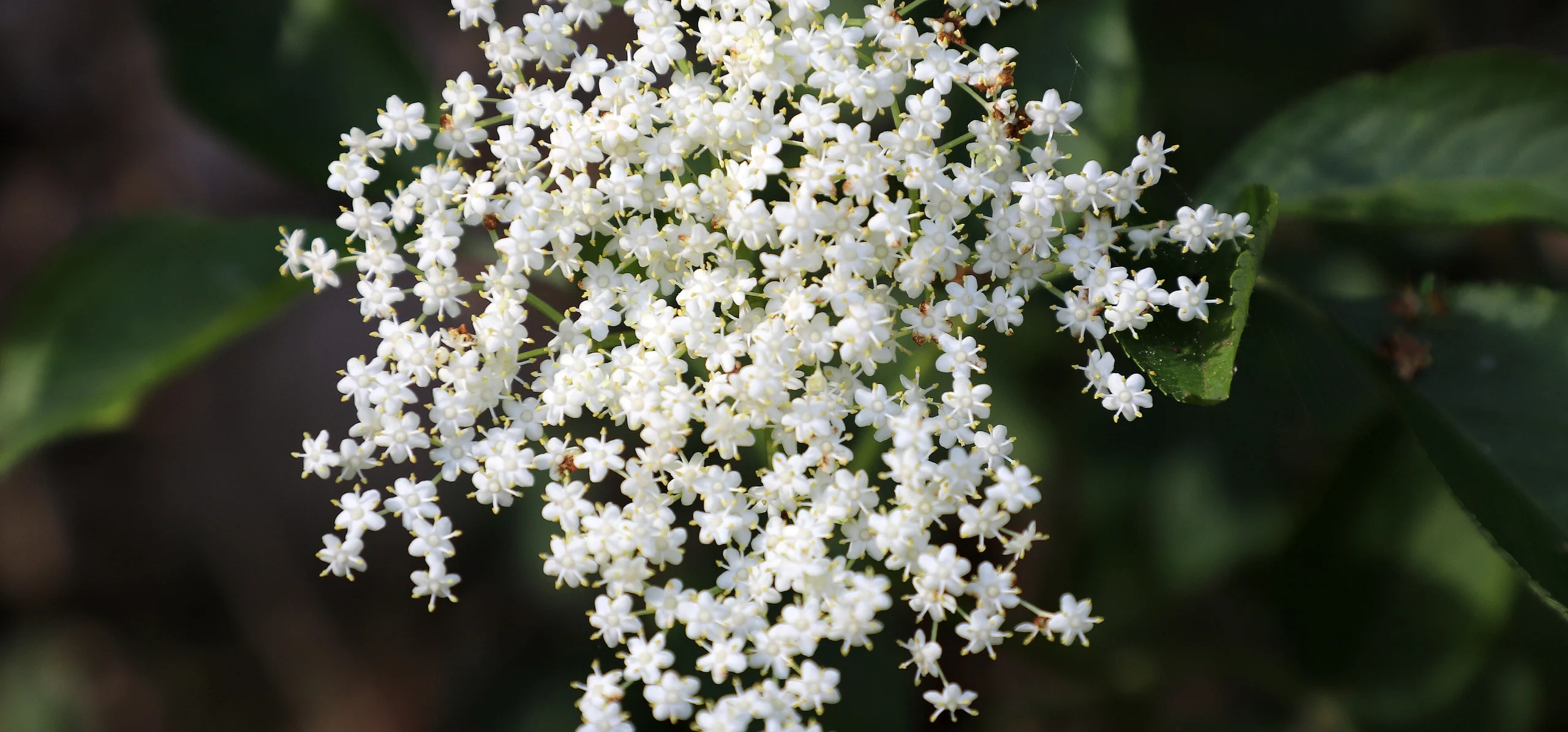
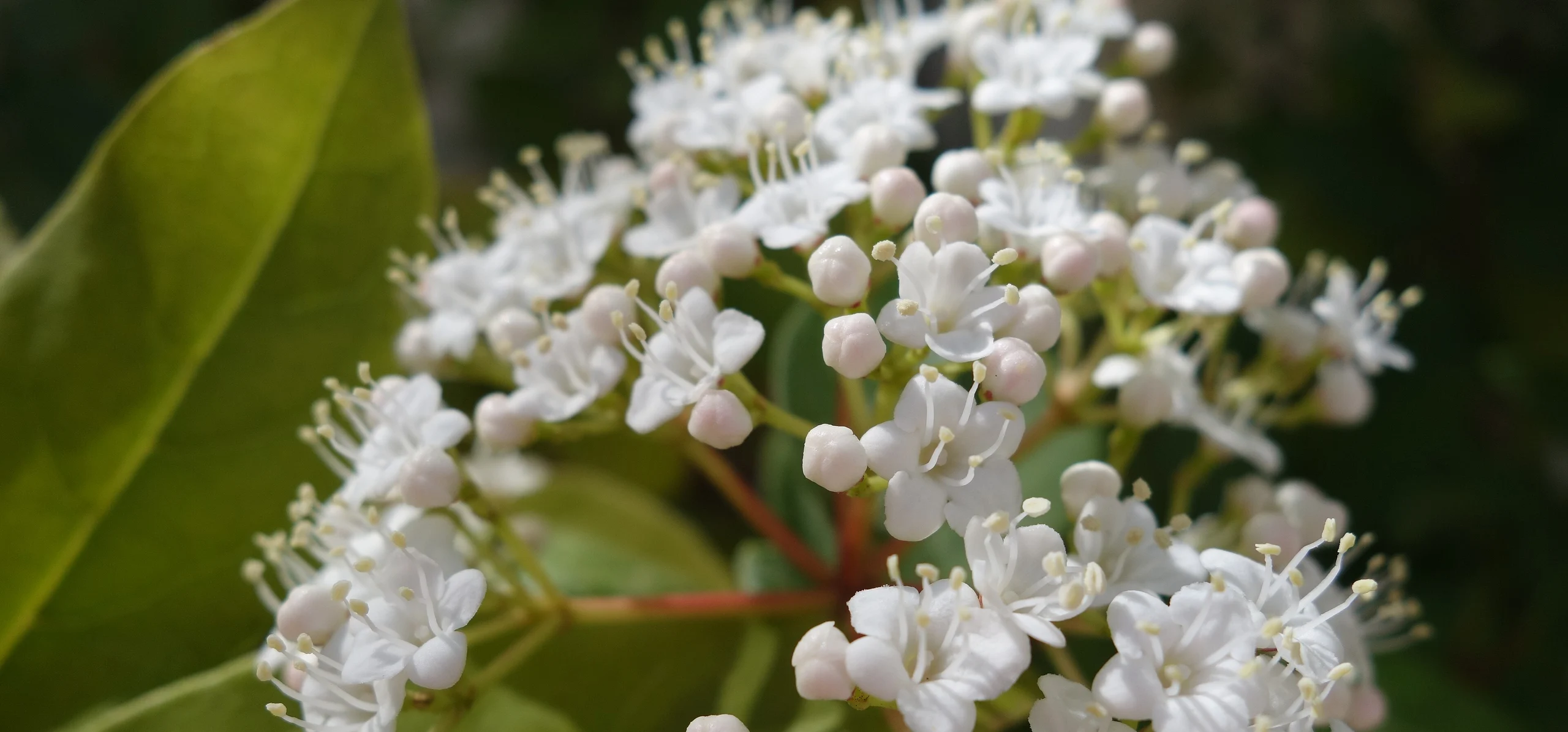
Laurustinus opens pink buds to white flowers from November to April, tolerates chalk, coastal wind and cold to about -10C, and needs pruning right after bloom.
Viburnum tinus
Plant profile
- WateringModerateWater every 10 days
- Light exposureIndirect light
- Hardiness zoneUSDA 7–9
Growth
- Family
- Viburnaceae
- Life cycle
- Perennial
- Growth speed
- 4/10
- Mature size
- 250–400 cm
- Spread
- 250–400 cm
- Flowering
- Pink buds open to white flowers, November to April
- Propagation
- Cutting
Dormancyevergreen, no true winter dormancy
Time to maturityfull size in 10-20 years
Soil & climate
- Soil types
- chalk, clay, loam, sand
- Saline soil
- Tolerated
- Drought tolerance
- Yes
Light & Placement
- Origin
- Mediterranean basin (Plants of the World Online)
- Where to place it
- coastal hedge
- chalk-garden screening
- shaded boundary
- woodland edge
- large terracotta planter
- wooden half-barrel
Safety
- Toxicity
- Not listed by the ASPCA; RHS flags the berries as harmful if eaten
- Pet safe
- No
Data fromGBIF Backbone Taxonomy: Viburnum tinus LPlants of the World Online (Kew): ViburnRHS: Viburnum tinus (laurustinus)RHS: Viburnum beetleMissouri Botanical Garden Plant Finder:
Where it grows
World distribution
Laurustinus is native to 15 countries: Albania, Algeria, Croatia, Cyprus, France, Greece, Italy, and Lebanon….GBIF records 143,711 documented identifications across 67 countries, with the largest concentrations in France, Spain, and Italy.
- Albania
- Algeria
- Croatia
- Cyprus
- France
- Greece
- Italy
- Lebanon
- Libya
- Morocco
- Palestinian Territories
- Portugal
- Spain
- Tunisia
- Türkiye
Yellow to orange dots: concentration of documented identifications per country. Green countries: sourced native range. Source: GBIFNative range from POWO (Kew).
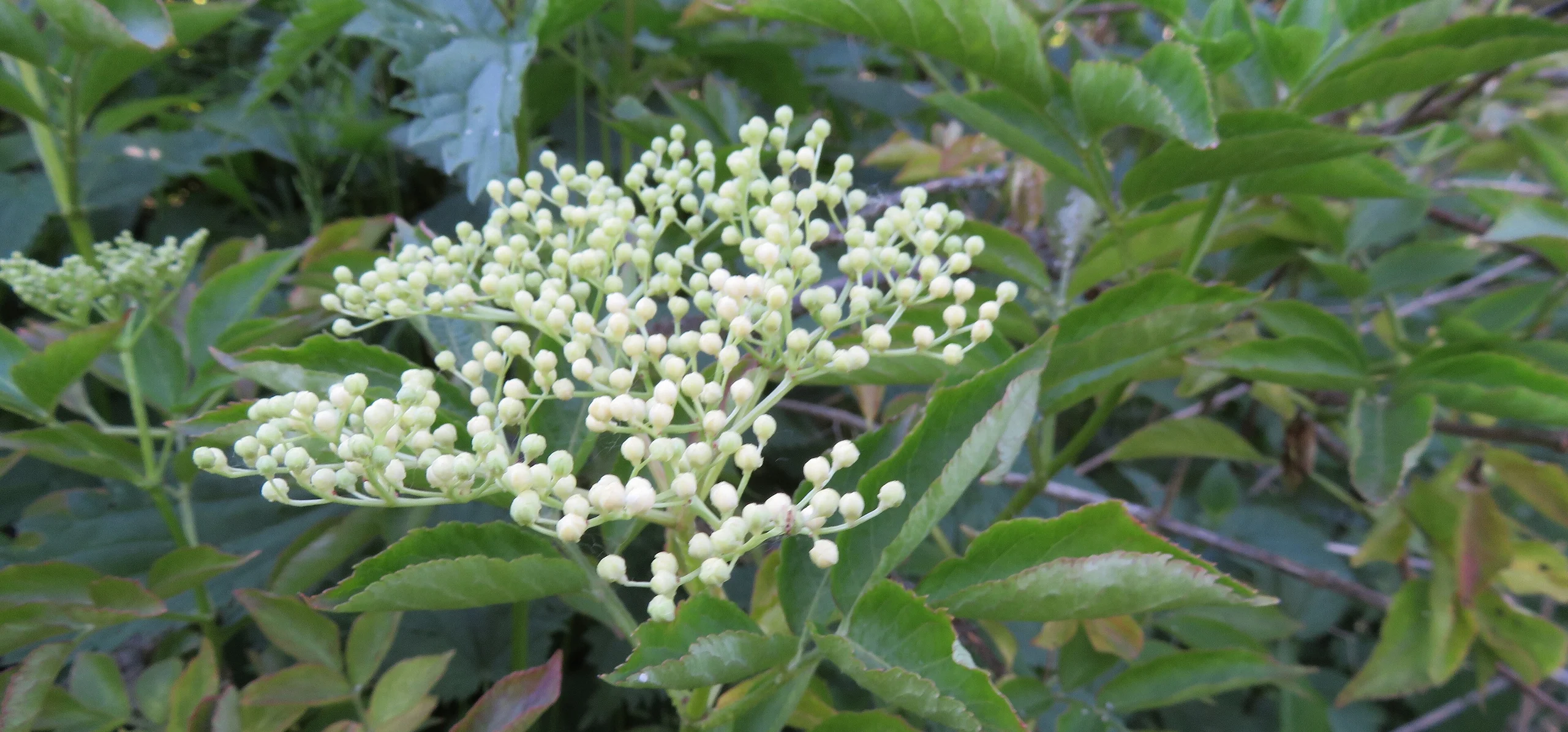
Laurustinus flowers when little else in the garden does: carmine-pink buds open to small white stars from November through to April, sometimes as early as October in a mild autumn, giving scent and a trickle of nectar to bumblebees on the milder days of a British winter. The glossy, leathery, dark green leaves stay on the plant year round, which is why it is planted as a hedge or screen as often as it is grown as a specimen shrub, and it copes with shade, chalk and salt-laden coastal wind better than most evergreens asked to do the same job. Left unclipped it settles into a rounded shrub 2.5 to 4 metres tall and wide over ten to twenty years (RHS); kept as a hedge it is cut back every year and stays a fraction of that size.
Origin and Why It Flowers Through Winter
Plants of the World Online (Kew) places the native range of Viburnum tinus across the Mediterranean basin: Portugal, Spain, France, Italy, the north-west Balkan peninsula, Greece, Turkiye, Cyprus, Lebanon-Syria, Palestine, Algeria, Tunisia, Libya and Morocco, plus the Balearic, Corsican, Sardinian, Sicilian and eastern Aegean islands. GBIF (family Viburnaceae, order Dipsacales) accepts the name Viburnum tinus L. without qualification; the species has picked up a long list of synonyms over three centuries of description, among them Viburnum lucidum and Viburnum laurifolium, none of which is the currently accepted name. On its native rocky, wooded slopes it flowers through a mild Mediterranean winter rather than pausing for a hard dormancy it rarely meets, a habit it keeps in cooler gardens: the buds form in late summer and simply wait for the first mild spell to open, which is why a plant in a sheltered corner can be in bloom by November while one in an exposed border waits until February.
Choosing a Variety: 'Eve Price' and 'Gwenllian'
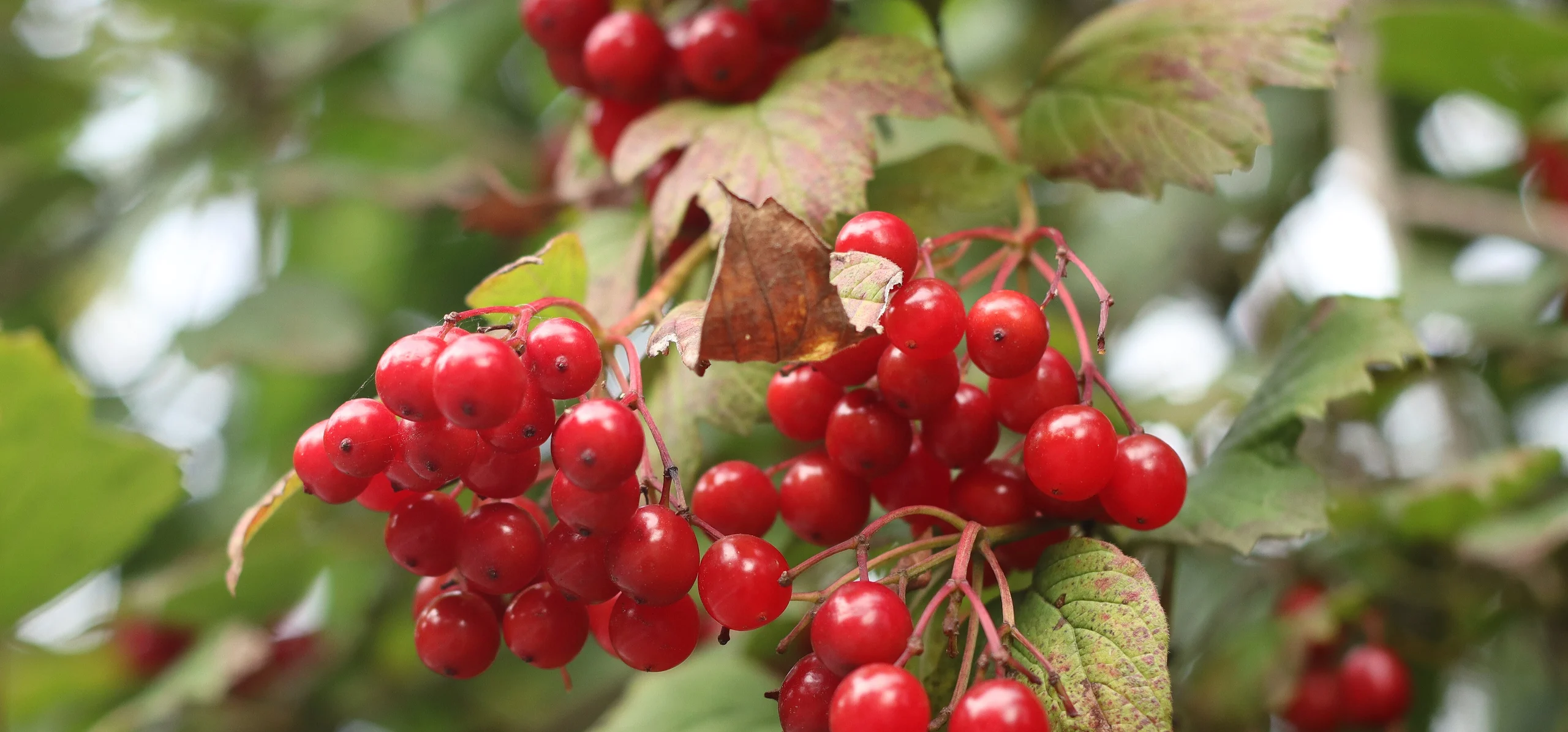
The plain species is rarely what a nursery actually sells; named cultivars flower more reliably and hold a tighter shape. 'Eve Price', an RHS Award of Garden Merit holder, is the cultivar most often planted as hedging: flattened clusters of deep carmine-pink buds open to pinkish-white, faintly scented flowers from December to April, followed by the metallic-blue berries typical of the species, on a bushy shrub the RHS rates hardy to H4 (down to about -10C) and lists at 1.5 to 2.5 metres in ten years, tight enough to clip into a dense flowering hedge 1.5 to 1.8 metres high. 'Gwenllian' is a similar-sized AGM cultivar with reddish buds opening to fragrant, starry white flowers and ovoid metallic-blue fruit, and it carries the RHS Perfect for Pollinators badge, which fits a plant whose main flowering window falls when few other nectar sources are open to bees. Both need the same siting and pruning as the species; the choice between them comes down to bud colour and availability rather than any real difference in hardiness or habit.


Site, Soil and Coastal Wind
RHS growing notes list Viburnum tinus as tolerant of chalk, clay, loam and sand, at neutral to alkaline pH, in full sun, partial shade or full shade, and in moist but well-drained to well-drained ground, an unusually wide tolerance for an evergreen shrub. That range is what makes it a standard choice for coastal gardens and exposed boundaries, where chalk downland soil and salt-laden wind rule out plants that need acid, humus-rich ground; the RHS still recommends siting it out of the coldest, driest winds where possible, since hardiness rating H4 means the shrub itself copes down to roughly -10C but flower buds and young growth can be marked by a hard, dry frost even where the plant survives. Missouri Botanical Garden lists it hardy in USDA zones 7 to 9, best in evenly moist, well-drained soil in full sun to part shade, and notes it prefers deep, rich loam but tolerates clay if drainage is adequate.
Planting a Hedge or Screen
Space hedging plants 45 to 60 cm apart for a screen that closes within two or three seasons; wider spacing costs less but leaves gaps at the base for longer. Work garden compost or well-rotted manure into the top of the planting hole rather than digging deep, since the roots spread wide rather than down, and water well through the first two summers while the root system establishes; an established plant is markedly more drought-tolerant than a newly planted one. As a freestanding shrub it also works in a large container of loam-based compost, given a pot deep enough for its wide root spread and watered more often than the same plant in open ground.
Pruning After Flowering
Laurustinus flowers on wood made the previous year, so the pruning window is immediately after flowering finishes in late spring, not in autumn or winter when next year's buds are already forming. Cutting a hedge or shrub back at the wrong time of year removes the wood that would have carried next winter's flowers, which is the single most common reason a Laurustinus hedge stops flowering well even though it still looks perfectly healthy. It tolerates hard pruning and regenerates readily from old wood, so a neglected or overgrown plant can be cut back significantly in late spring without killing it, at the cost of losing most of that year's flowers while it regrows.
Viburnum Beetle and Viburnum Whitefly
Viburnum beetle is, by the RHS's own account, the pest most associated with garden viburnums, and Viburnum tinus is its most affected host, alongside V. opulus and V. lantana. Creamy-yellow larvae with black markings feed on the foliage from April to June, eating the tissue between the veins and leaving a lace-like skeleton of holes; a bad infestation can strip a plant of most of its leaves by early summer, and the RHS notes that affected Viburnum tinus foliage sometimes develops an unpleasant smell, particularly when the damaged leaves are wet. Greyish-brown adult beetles do further, lighter feeding from late July into September before laying eggs in the bark for the following year. Hand-picking larvae, encouraging birds and ground beetles, and accepting that most plants recover their leaves the same season keep it manageable without spraying. Viburnum whitefly is a separate, generally less damaging insect: small white-winged adults appear on the underside of young leaves in mid-summer, both adults and nymphs excrete sticky honeydew, and where numbers build up that honeydew blackens into sooty mould on the upper leaf surface, the source of the pest's association with a sooty look on badly affected leaves. The RHS rates it as rarely affecting a plant's overall vigour and recommends leaving it to natural predators such as ladybirds and parasitic wasps rather than treating it.
Toxicity, Bees and Common Mistakes
The ASPCA's toxic and non-toxic plant lists carry no entry for Viburnum tinus or Laurustinus by name; the only viburnum on its database is black haw, Viburnum lentago, which it rates non-toxic to dogs, cats and horses. Without a species-specific ASPCA ruling, treat the berries with ordinary caution rather than a confirmed toxicity claim: the RHS separately flags the plant as harmful if eaten, and swallowing any quantity of unfamiliar garden berries can upset a child's or pet's stomach regardless of a formal rating. On the positive side, both 'Eve Price' and 'Gwenllian' carry the RHS Perfect for Pollinators badge, and a Laurustinus in flower on a mild winter day is one of the few nectar sources a foraging bumblebee can find between November and February. The most common mistakes are pruning in autumn or winter and losing the next flush of flowers, planting in ground that stays wet despite the shrub's reputation for tolerating poor soil (it is drainage, not fertility, that actually matters), and mistaking a beetle-damaged, lace-holed hedge in June for a disease problem instead of simply hand-picking the larvae or letting it regrow.
Test your plant knowledge
Tap a card to flip it and reveal the answer.
Viburnum tinus flowers mainly in summer. Tap to reveal ✕ False
Pruning should be done immediately after flowering, in late spring, rather than in autumn or winter. Tap to reveal ✓ True
Viburnum tinus tolerates chalky soil and salt-laden coastal wind. Tap to reveal ✓ True
Viburnum beetle larvae leave leaves with a lace-like pattern of holes. Tap to reveal ✓ True
The ASPCA lists Viburnum tinus by name as toxic to dogs and cats. Tap to reveal ✕ False
Sources
References consulted for this guide
- GBIF Backbone Taxonomy: Viburnum tinus L.gbif.org
- Plants of the World Online (Kew): Viburnum tinus L.powo.science.kew.org
- RHS: Viburnum tinus (laurustinus)rhs.org.uk
- RHS: Viburnum beetlerhs.org.uk
- Missouri Botanical Garden Plant Finder: Viburnum tinusmissouribotanicalgarden.org
- Reference entity : Wikipédiaen.wikipedia.org