Elderberry
Sambucus nigra
Family · Viburnaceae
Elder tolerates chalk, clay, loam and sand, reaches 4 to 8 metres if left unpruned, and needs hard pruning every few years to stay a manageable shrub.
Sambucus nigra
Plant profile
- WateringModerateWater every 7 days
- Light exposurePartial sun
- Hardiness zoneUSDA 5–7
Growth
- Family
- Viburnaceae
- Life cycle
- Perennial
- Growth speed
- 8/10
- Mature size
- 400–800 cm
- Spread
- 250–400 cm
- Propagation
- Cutting
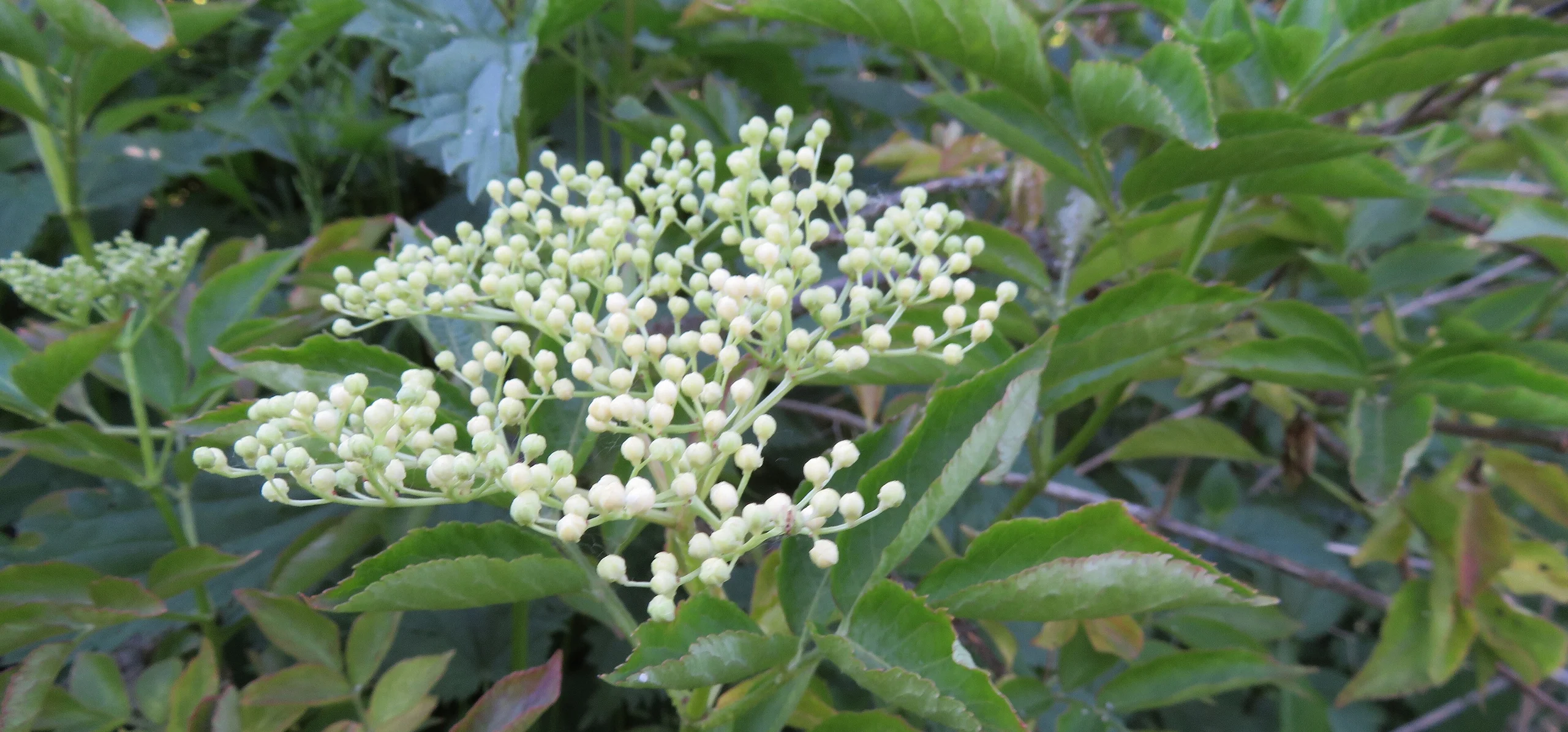
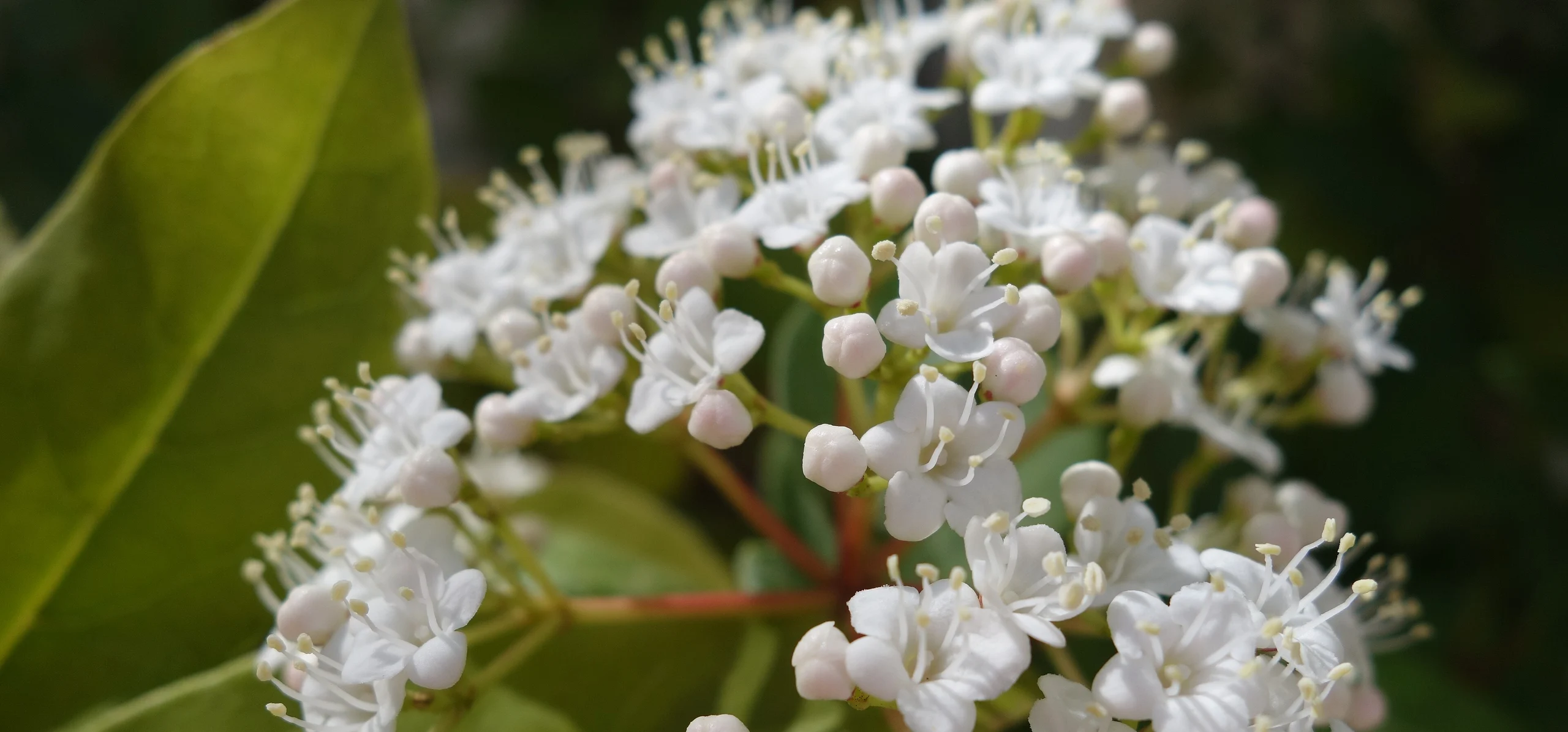
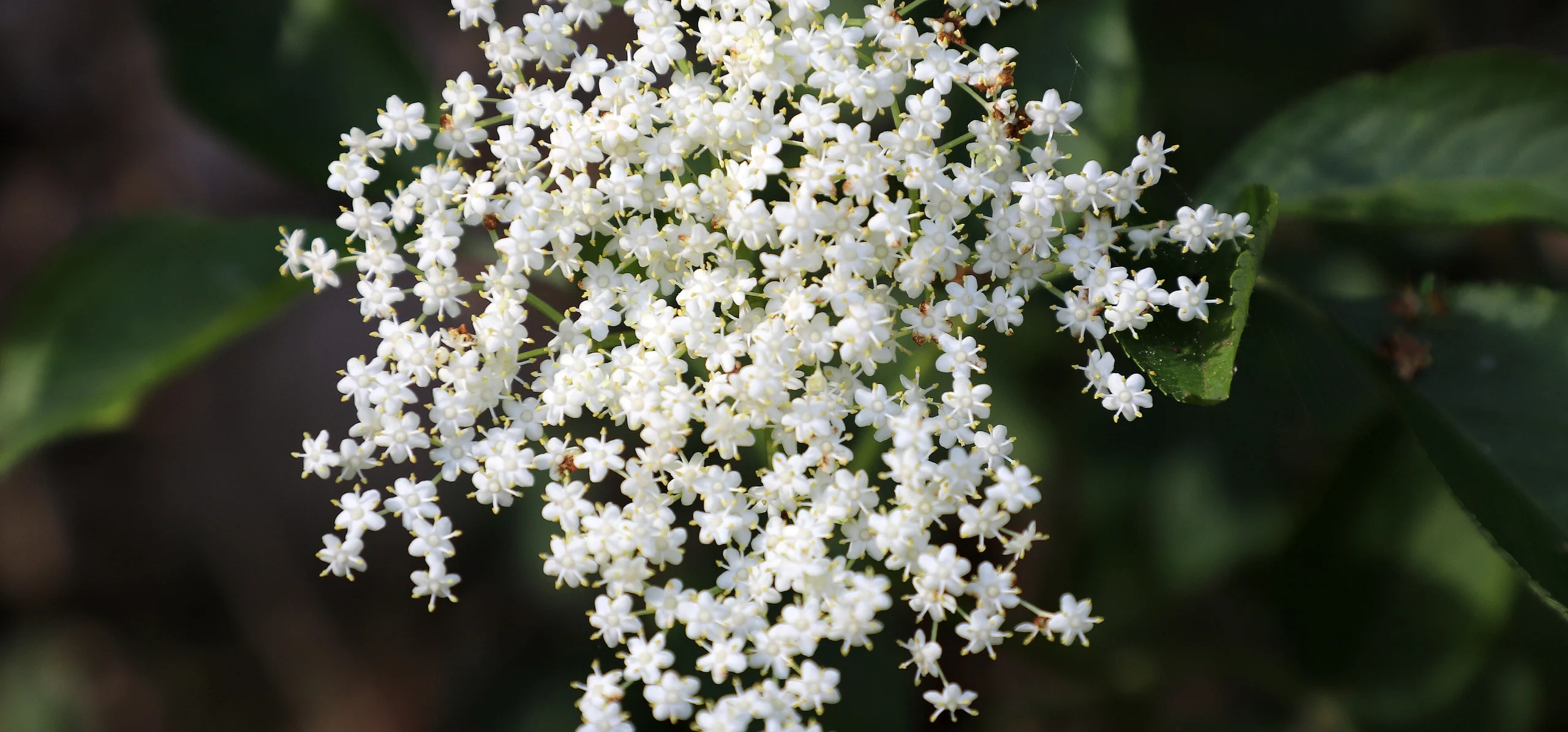
FloweringFlat-topped clusters of small white to yellowish-white flowers in early summer, followed by black berries in late summer
Dormancydeciduous, dormant in winter
Time to maturityfull size in 10-20 years
Soil
- Soil types
- chalk, clay, loam, sand
Light & Placement
- Origin
- Azores, Europe to W. Iran (POWO)
- Where to place it
- hedgerow or boundary
- woodland edge
- wildlife garden border
Safety
- Pet safe
- No
ToxicityRaw leaves, stems, roots and seeds contain cyanide-inducing glycosides; fruit and flowers are edible once cooked
Invasive speciesSpreads by root suckers and self-seeding, and can naturalise readily in hedgerows and waste ground (NC State Extension)
Data fromGBIF Backbone Taxonomy: Sambucus nigra LPlants of the World Online (Kew): SambucRHS: Sambucus nigra (common elder)RHS: How to grow Sambucus (growing guideNC State Extension Gardener Plant Toolbo
Where it grows
World distribution
Elderberry is native to 30 countries: Albania, Austria, Belarus, Belgium, Bulgaria, Croatia, Czechia, and Denmark….GBIF records 1,157,170 documented identifications across 104 countries, with the largest concentrations in United Kingdom, France, and Germany.
- Albania
- Austria
- Belarus
- Belgium
- Bulgaria
- Croatia
- Czechia
- Denmark
- Estonia
- France
- Georgia
- Germany
Show 18 more countriesShow fewer countries
- Greece
- Hungary
- Iran
- Iraq
- Ireland
- Italy
- Lebanon
- Netherlands
- Palestinian Territories
- Poland
- Portugal
- Romania
- Russia
- Spain
- Switzerland
- Türkiye
- Ukraine
- United Kingdom
Yellow to orange dots: concentration of documented identifications per country. Green countries: sourced native range. Source: GBIFNative range from POWO (Kew).
A young elder (Sambucus nigra) that turns up self-sown at the back of a border or along a fence line is rarely a mistake to leave in the ground: this multi-stemmed shrub is unfussy about soil, feeds pollinators with wide, flat-topped flower heads from early summer, and hands over kilos of small black berries by late summer. The one thing to grip early is scale, left alone it becomes a small tree of 4 to 8 metres, so the pruning decisions made in the first two or three seasons matter more than almost anything else for keeping it in check. Every part of the raw plant, leaves, stems, roots and seeds, carries cyanide-inducing compounds, so treat foraging and pruning with the same respect gardeners give any plant in this family.
Origin and Natural Habitat
Plants of the World Online (Kew) lists the native range of Sambucus nigra as the Azores, Europe and east to western Iran, and GBIF's accepted classification places it in the family Viburnaceae, alongside the viburnums rather than the honeysuckles it was once grouped with. In the wild it colonises hedgerows, woodland edges, riverbanks and disturbed, nitrogen-rich ground, the same conditions it exploits in gardens: NC State Extension notes it spreads readily by both root suckers and self-sown seedlings, which is why an uninvited elder so often appears near a fence line or compost heap. That opportunistic habit is an asset in a wildlife hedge and a nuisance in a border meant to stay tidy.
Choosing a Variety
The wild species has plain green, pinnate leaves and creamy white flowers, but nurseries also stock ornamental selections on the same rootstock. Purple-leaved cultivars such as 'Eva' (sold as Black Lace) and 'Gerda' (Black Beauty) hold their near-black foliage colour best in full sun and carry pink-tinged flowers instead of white. Golden-leaved forms such as 'Aurea' need some shade from hot afternoon sun, and RHS growing notes warn that gold and variegated elders lose their colour in deep shade. Cut-leaved forms such as f. laciniata give a lacy, fern-like texture that reads as a different plant entirely from a few metres away. Whichever form is planted, expect the same underlying vigour and suckering habit as the species.
Site and Soil
RHS growing information lists Sambucus nigra as tolerant of chalk, clay, loam and sand, across acid, neutral and alkaline soils, provided the ground is moist but well-drained; it is one of the few shrubs that genuinely thrives on the thin, chalky sites where many others struggle. Full sun gives the densest flowering and, on coloured-leaf cultivars, the strongest foliage tone, though the species itself is equally content in partial shade. RHS lists it as tolerant of exposed as well as sheltered positions and of any aspect, north, south, east or west, which makes it one of the more forgiving choices for a difficult corner of a garden.


Planting and Spacing
Container-grown elders can go into the ground at any time of year, though RHS advises against planting into waterlogged or frozen soil in winter or bone-dry ground in summer. Left unpruned, the species reaches an ultimate height of 4 to 8 metres and a spread of 2.5 to 4 metres over 10 to 20 years, so a specimen grown freely needs the footprint of a small tree, not a gap in a shrub border. Where space is tight, plan from the outset to manage it as a coppiced or hard-pruned shrub rather than trying to fit a full-sized elder into a small bed.
Pruning and Coppicing
Elder falls into RHS Pruning Group 1 and tolerates hard cutting back to restrict its size. RHS growing advice recommends waiting until the plant is established, roughly two years after planting, before starting a pruning routine, then cutting hard in late winter or early spring; the resulting flush of new growth on purple- and gold-leaved cultivars comes back with noticeably brighter colour. For a smaller, shrubby plant rather than a small tree, coppice it, cutting all stems back close to the base, every three to four years. This renewal pruning also removes older wood before it turns into the weak, storm-prone growth that NC State Extension flags as a vulnerability on older, unmanaged specimens.
Propagation from Cuttings
Elder roots easily from stem cuttings. RHS recommends softwood or greenwood cuttings taken in early summer and kept in a propagator or greenhouse until rooted, or hardwood cuttings taken while the plant is dormant, from mid-autumn to late winter, and pushed directly into open ground or pots of free-draining compost. A cutting reproduces the exact cultivar, leaf colour included, while a self-sown seedling is a genetic unknown and often reverts toward the plain green species.
Flowers, Fruit and Safe Harvest
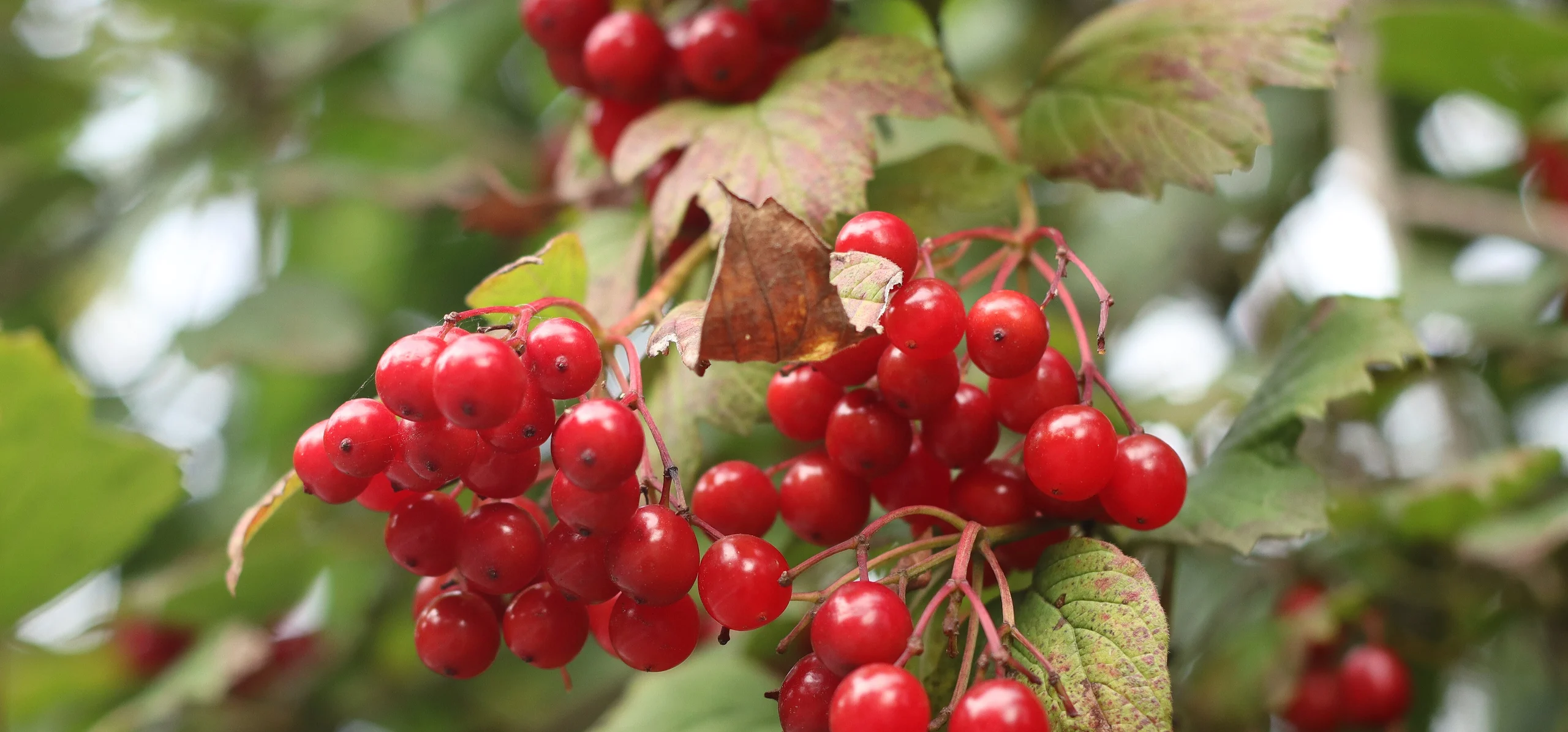
NC State Extension describes the summer bloom as tiny, yellowish-white flowers packed into large, flat-topped clusters, followed by glossy black fruits about 1 cm across that ripen in late summer to fall and are a favourite of songbirds. RHS notes the plant is harmful if eaten raw, but that the fruit and flowers become edible once cooked, which is why elderflower cordial and elderberry syrup are always made with heat rather than served fresh from the shrub. NC State Extension is more specific about the raw plant: leaves, stems, roots and seeds contain cyanide-inducing glycosides rated medium severity, causing nausea, vomiting and diarrhoea if eaten uncooked. The ASPCA's toxic and non-toxic plant database currently carries no separate listing for elder or elderberry, so treat it with the same ordinary caution given any plant not confirmed either way, rather than assuming it is automatically safe around pets.
Pests, Diseases and Common Mistakes
RHS lists aphids and glasshouse red spider mite as the main pests, alongside occasional verticillium wilt and honey fungus; NC State Extension adds cankers, leaf spot and powdery mildew to the list, and notes the wood is weak enough to be vulnerable to wind and snow damage on older, unmanaged plants, another reason regular renewal pruning pays off. The most common mistake is planting a seedling too close to a path, fence or smaller shrub without allowing for its eventual 4 to 8 metre height: NC State Extension's own maintenance rating for the species is high, largely because of that vigorous growth combined with its habit of spreading by root suckers and self-sown seedlings into places it was never planted. A second frequent error is eating the raw berries straight off the branch on the assumption that all elderberries are automatically safe to eat; always cook the fruit first.
Test your plant knowledge
Tap a card to flip it and reveal the answer.
Sambucus nigra tolerates a wide range of soils, from chalk to clay. Tap to reveal ✓ True
The raw berries and leaves of elder are safe to eat straight from the shrub. Tap to reveal ✕ False
Hard pruning in late winter is safe for an established elder. Tap to reveal ✓ True
Elder cannot be propagated from cuttings and must be grown from seed. Tap to reveal ✕ False
Elder can spread on its own through both root suckers and self-sown seedlings. Tap to reveal ✓ True
Sources
References consulted for this guide
- GBIF Backbone Taxonomy: Sambucus nigra L.gbif.org
- Plants of the World Online (Kew): Sambucus nigra L.powo.science.kew.org
- RHS: Sambucus nigra (common elder)rhs.org.uk
- RHS: How to grow Sambucus (growing guide)rhs.org.uk
- NC State Extension Gardener Plant Toolbox: Sambucus nigraplants.ces.ncsu.edu
- Reference entity : Wikipédiaen.wikipedia.org