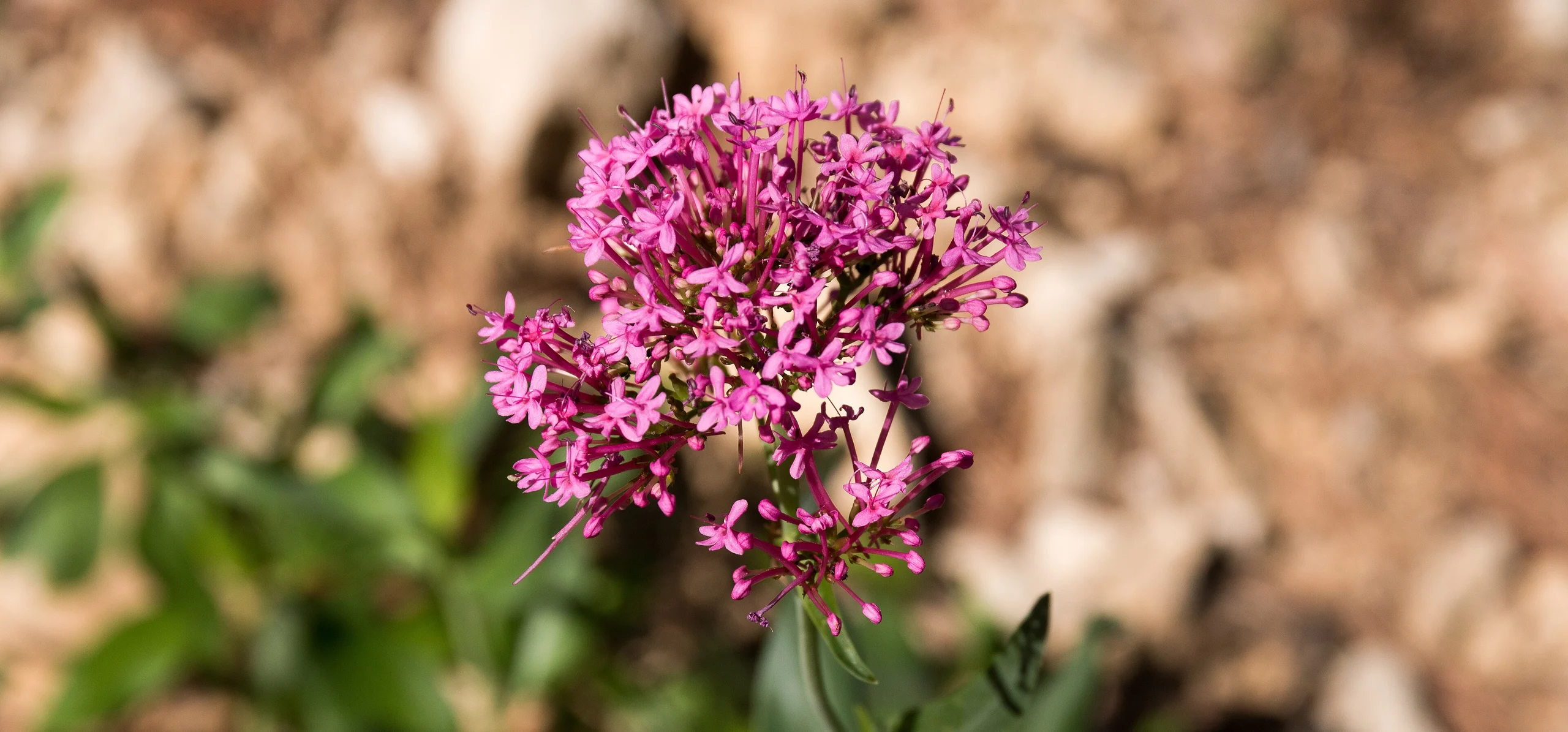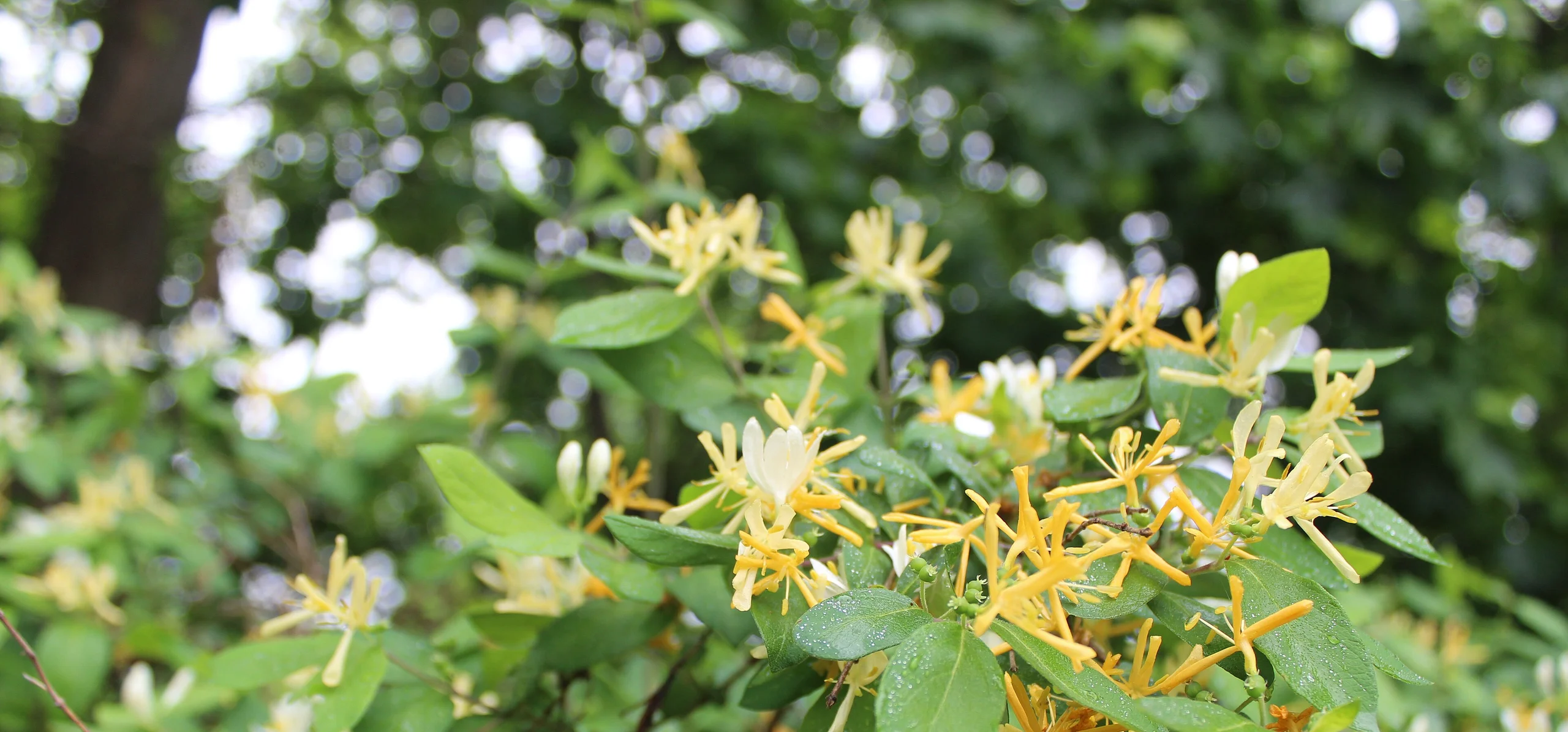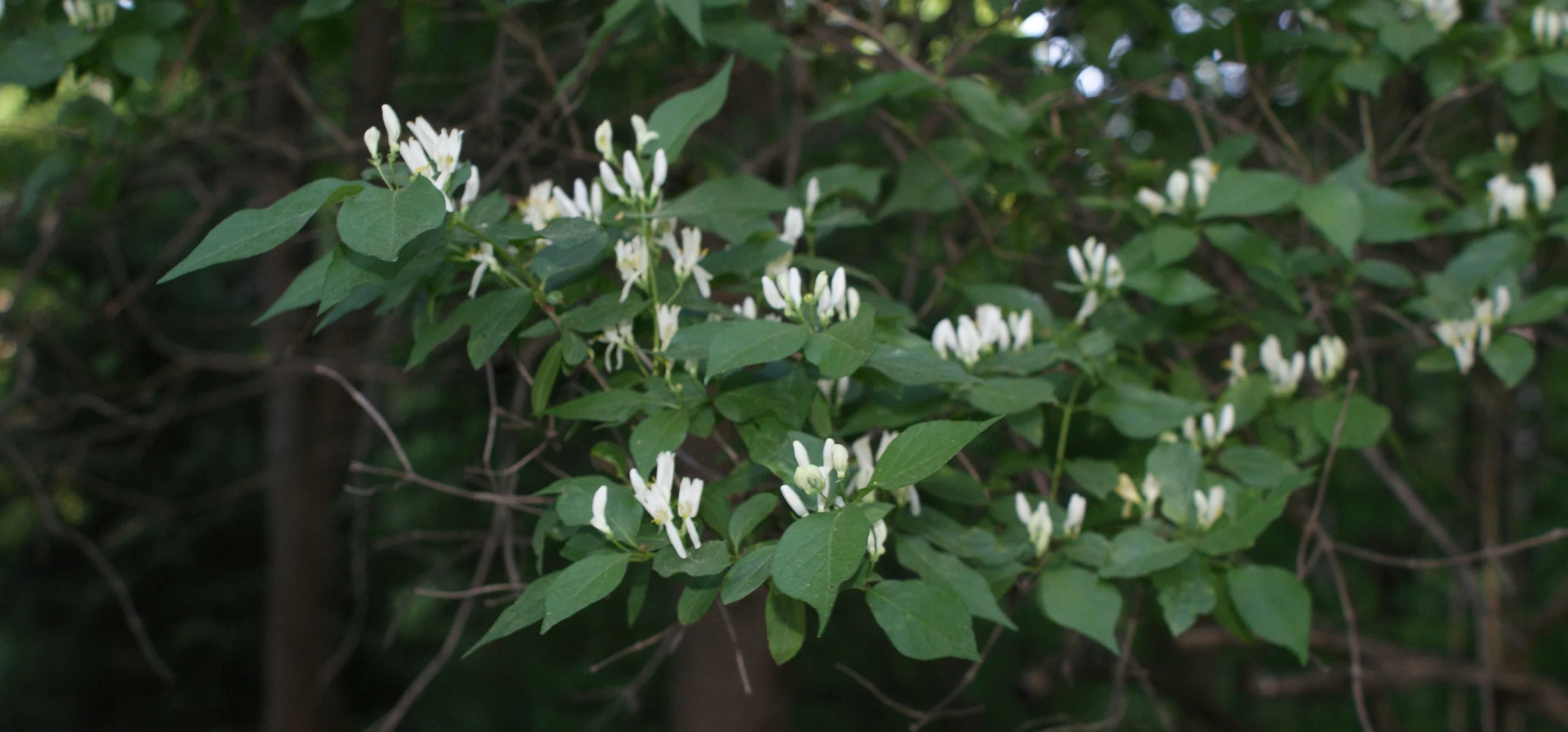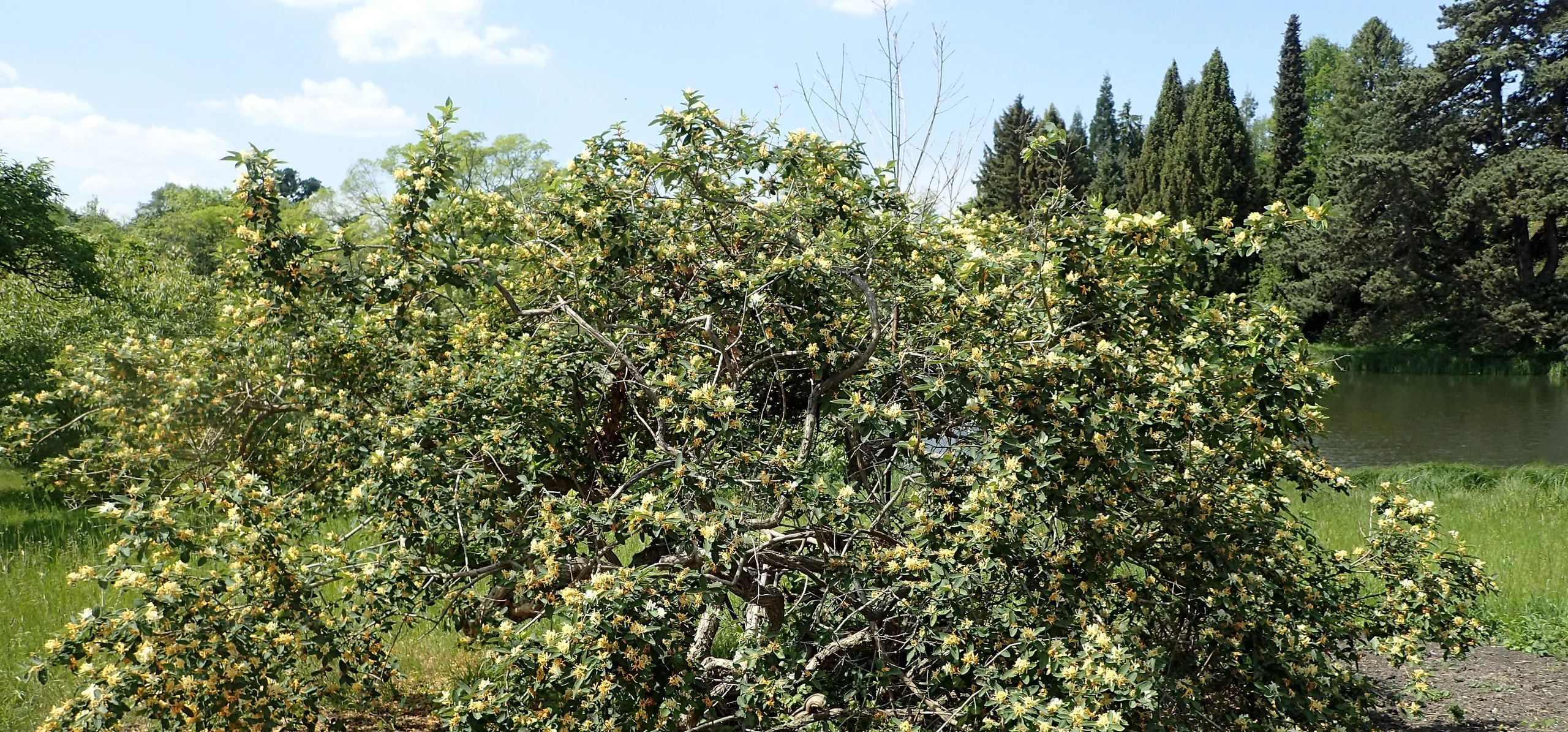
Weigela
Weigela florida
Family · Caprifoliaceae
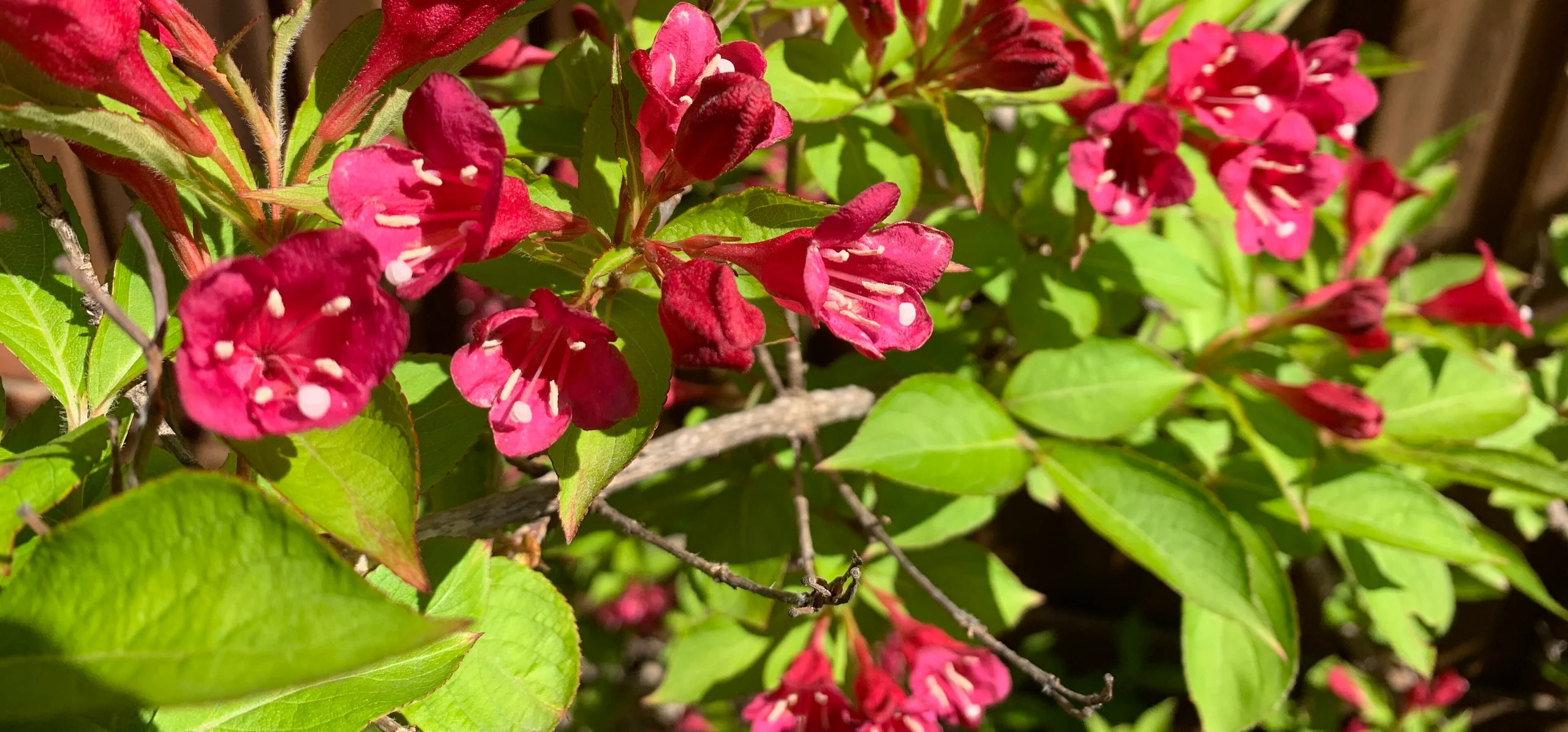
Weigela florida blooms rose-pink in late spring on old wood: prune right after flowering, plant in full sun to part shade, and expect 1.5 to 2.5 m at maturity.
Weigela florida
Plant profile
- WateringModerateWater every 10 days
- Light exposurePartial sun
- Hardiness zoneUSDA 4–8
Growth
- Family
- Caprifoliaceae
- Life cycle
- Perennial
- Mature size
- 150–250 cm
- Spread
- 150–250 cm
- Flowering
- Funnel-shaped rose-pink flowers in late spring, sparse rebloom in summer
- Propagation
- Cutting
DormancyDeciduous, bare in winter
Soil & climate
- Soil types
- clay, loam, sand, chalk
- Drought tolerance
- Yes
Light & Placement
- Origin
- Northern and eastern China, Korea and Japan; southern Russian Far East
- Where to place it
- Sunny mixed border
- East-, west- or south-facing bed
- Informal flowering hedge
Safety
- Toxicity
- Not evaluated by the ASPCA; toxicity undetermined
- Pet safe
- No
Data fromWeigela florida (Bunge) A.DC., GBIF BackWeigela florida (Bunge) A.DC., Plants ofWeigela florida, Missouri Botanical GardWeigela florida, RHS PlantsHow To Grow and Care for Old Fashioned W
Where it grows
World distribution
Weigela is native to 4 countries: China, Japan, Russia, and South Korea.GBIF records 7,064 documented identifications across 47 countries, with the largest concentrations in South Korea, United Kingdom, and China.
- China
- Japan
- Russia
- South Korea
Yellow to orange dots: concentration of documented identifications per country. Green countries: sourced native range. Source: GBIFNative range from POWO (Kew).
Weigela florida, usually just called weigela or old-fashioned weigela, is the deciduous shrub responsible for the arching branches smothered in funnel-shaped, rose-pink flowers that show up in nurseries every spring. If you have just planted one or inherited an overgrown specimen from a previous owner, the two things that matter most are timing the pruning to come right after the spring flush, not in winter, and giving it enough sun, because a shaded weigela sulks and its flower count drops. Left alone in a decent border it settles in fast, tolerates a wide range of soils, and asks for very little beyond an occasional cutback.
Origin and Native Range
Weigela florida is native to a band of East Asia that Plants of the World Online (Kew) lists as the southern Russian Far East to northern and eastern China, Korea, and Japan's Kyushu island. The Missouri Botanical Garden narrows that further to northern China, Korea and Japan, where it grows as an understory and woodland-edge shrub. The genus name honors Christian Ehrenfried Weigel, an eighteenth-century German professor of botany, and the species name florida simply means freely flowering, a fair description of a shrub that can hide its own foliage under bloom for two or three weeks each spring.
Light and Choosing a Spot
Give weigela full sun if you want a dense shrub and a heavy bloom: six hours of direct light a day is the benchmark used by both the RHS and the Clemson Cooperative Extension. It tolerates part shade, but shift it toward shade and the growth habit gets leggy while the flower count drops. Aspect matters less than total exposure: the RHS lists east-, west- and south-facing positions as all workable, so a spot that only gets morning or afternoon sun still works as long as the hours add up. Give it room, too: a mature plant reaches roughly 1.5 to 2.5 m tall and wide within five to ten years by the RHS reckoning, though the straight species has been recorded up to 3 m tall and nearly 3.7 m wide in the milder, longer summers the Missouri Botanical Garden describes, so treat the RHS figures as a minimum footprint rather than a ceiling.
Soil and Planting
Weigela is not fussy about soil chemistry. The RHS lists it as tolerant of acid, neutral and alkaline conditions, and of chalk, clay, loam and sand alike, provided drainage is reasonable; both the RHS and the Missouri Botanical Garden flag clay tolerance specifically, which is unusual for a shrub grown mainly for flower. The one condition it dislikes is a permanently waterlogged spot: plant it on a slight mound or improve drainage first if your soil holds water after rain. Set new plants at the same depth they sat in the pot, water in well, and mulch to hold moisture while roots establish over the first season.
Watering Through the Seasons
A newly planted weigela needs regular water for its first year while roots spread, then settles into genuinely modest needs. The Missouri Botanical Garden rates its water requirement as medium, and the Clemson Cooperative Extension is more specific: water regularly until the shrub is established, then rely on rain and only step in during real drought. Overwatering in heavy soil is a bigger risk than underwatering once the plant is a year or two old; the fastest way to lose a weigela is a wet spot from a leaking downspout, not a dry summer.
How often to water your Weigela
Pruning Right After Flowering
Weigela flowers on wood it grew the previous year, which is the single fact that decides when to prune. Cut it in winter or early spring, and every cut removes flower buds that were already set. The RHS classifies weigela in pruning group 2 and recommends cutting back flowered shoots in midsummer, right after the bloom fades; the Clemson Cooperative Extension says the same thing in plainer terms, prune immediately after flowering because late pruning reduces next year's flowers. For an overgrown, hollow-centered shrub, both sources agree that weigela responds well to renovation: remove around a third of the oldest stems at ground level each year after flowering, and a leggy specimen rebuilds itself with fresh, flower-bearing wood within two or three seasons.
Propagation From Softwood Cuttings
Weigela roots readily from cuttings, which is how most named cultivars are multiplied rather than from seed. The Clemson Cooperative Extension recommends taking softwood cuttings in summer, and the RHS adds semi-ripe cuttings in midsummer and hardwood cuttings in late autumn or winter as alternatives if the softwood window is missed. Strip the lower leaves, dip the cut end in rooting hormone if available, and keep the cutting in a humid, bright but not sunny spot; softwood cuttings from a vigorous shrub typically strike within a few weeks.
Common Problems, Mistakes and Pet Safety
Weigela carries a good disease record. The Missouri Botanical Garden lists no serious insect or disease problems for the species, though the RHS notes it can pick up leaf and bud eelworms, capsid bug or brown scale in some gardens, and the Clemson Cooperative Extension flags occasional flea beetles and mealybugs. None of these tend to threaten an established plant; treat visible infestations as they appear rather than spraying preventively. The most common mistake is pruning at the wrong time of year, which trades this year's tidiness for next year's flowers; the second is a spot with too much shade, which produces a sparse bloom that gets blamed on the plant rather than the placement. On safety, the ASPCA does not carry a toxicity listing for Weigela florida or the genus Weigela, so there is no confirmed data either way for cats, dogs or horses; treat it with the ordinary caution given to any unlisted ornamental around pets that chew on plants.


Test your plant knowledge
Tap a card to flip it and reveal the answer.
Weigela sets next year's flower buds on the current year's wood, so it should be pruned right after it finishes flowering. Tap to reveal ✓ True
Weigela grows best in permanently moist, boggy soil. Tap to reveal ✕ False
The straight species Weigela florida is native to East Asia, including China, Korea and Japan. Tap to reveal ✓ True
The ASPCA lists Weigela as toxic to cats and dogs. Tap to reveal ✕ False
Cutting back about a third of the oldest stems at ground level each year can renovate an overgrown weigela. Tap to reveal ✓ True
Sources
References consulted for this guide
- Weigela florida (Bunge) A.DC., GBIF Backbone Taxonomygbif.org
- Weigela florida (Bunge) A.DC., Plants of the World Online (Kew)powo.science.kew.org
- Weigela florida, Missouri Botanical Garden Plant Findermissouribotanicalgarden.org
- Weigela florida, RHS Plantsrhs.org.uk
- How To Grow and Care for Old Fashioned Weigela (Weigela Florida), Clemson Cooperative Extension HGIChgic.clemson.edu
- Reference entity : Wikipédiaen.wikipedia.org