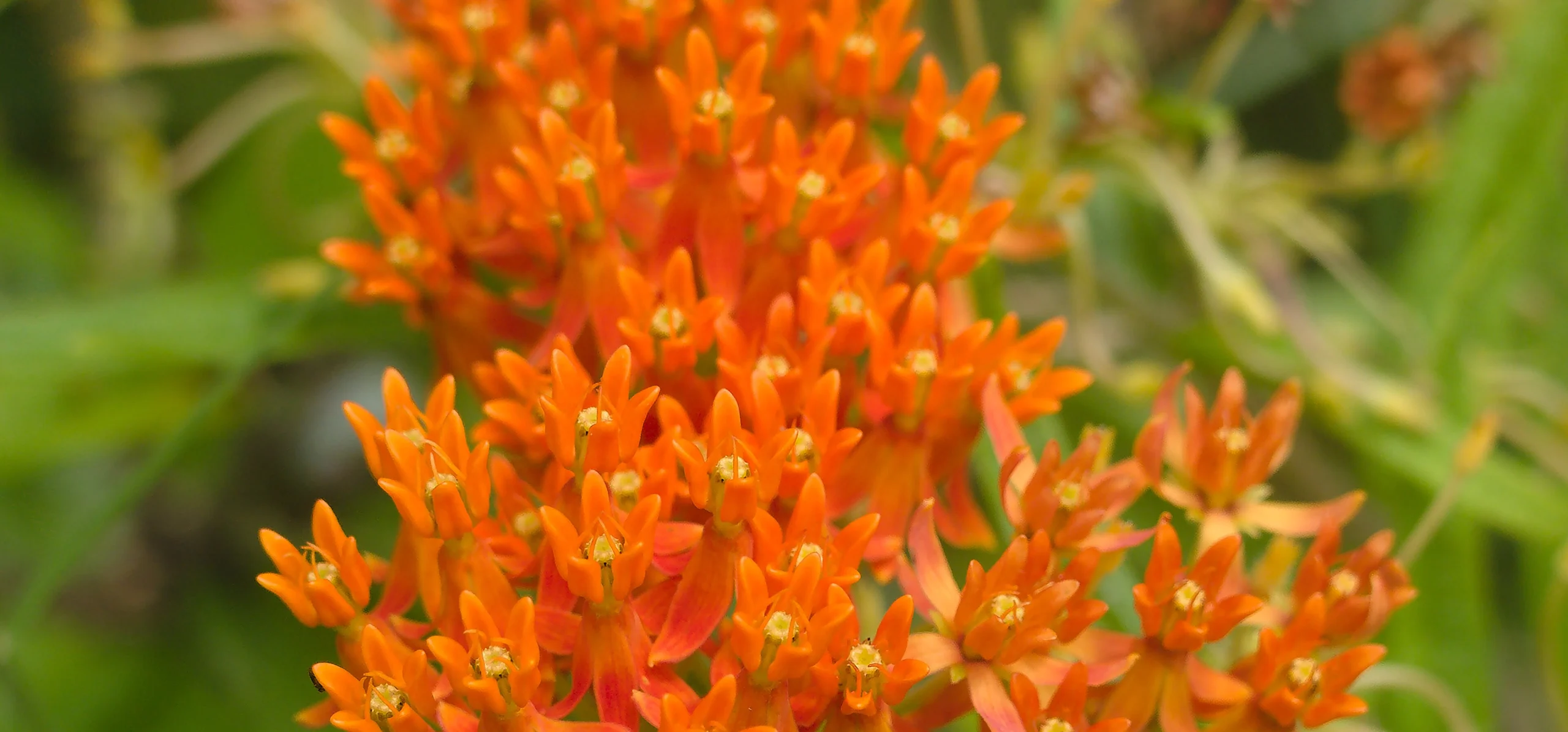
Butterfly Weed
Asclepias tuberosa
Family · Apocynaceae
Butterfly weed grows from a deep taproot that hates transplanting, emerges late each spring and needs cold-stratified seed. Covers sap, pests and pet toxicity.
Asclepias tuberosa
Plant profile
- WateringLittleWater every 12 days
- Light exposureFull sun
- Hardiness zoneUSDA 3–9
Growth
- Family
- Apocynaceae
- Life cycle
- Perennial
- Growth speed
- 3/10
- Mature size
- 30–90 cm
- Spread
- 30–45 cm
- Flowering
- Late spring to late summer, sometimes with a secondary bloom into early fall
- Propagation
- Seed
Dormancydies back to the crown after fall frost; the taproot survives underground and top growth is often the last prairie perennial to reappear each spring
Time to maturity2-3 years from seed to first flowering
Soil & climate
- Soil types
- sand, loam, rocky
- Saline soil
- Partially tolerated
- Drought tolerance
- Yes
Light & Placement
- Origin
- Southeastern Canada to northern Mexico
- Where to place it
- dry meadow or prairie planting
- rock garden or gravel bed
- sunny border or roadside slope
- deep, narrow nursery pot used only briefly for a seed-grown plant before it goes into the ground; not suited to long-term container culture because of the taproot
Safety
- Toxicity
- CatsToxic
- DogsToxic
- HorsesToxic
Invasive speciesNot regulated as invasive; unlike rhizomatous relatives such as common milkweed, it stays in a tight clump and spreads only slowly by seed
Data fromAsclepias tuberosa L., GBIF Backbone TaxPOWO: Asclepias tuberosa L., native distASPCA: Milkweed toxicity to cats, dogs aMissouri Botanical Garden Plant Finder: North Carolina State Extension Gardener
Where it grows
World distribution
Butterfly Weed is native to 3 countries: Canada, Mexico, and United States.GBIF records 68,888 documented identifications across 20 countries, with the largest concentrations in United States, Canada, and Mexico.
- Canada
- Mexico
- United States
Yellow to orange dots: concentration of documented identifications per country. Green countries: sourced native range. Source: GBIFNative range from POWO (Kew).
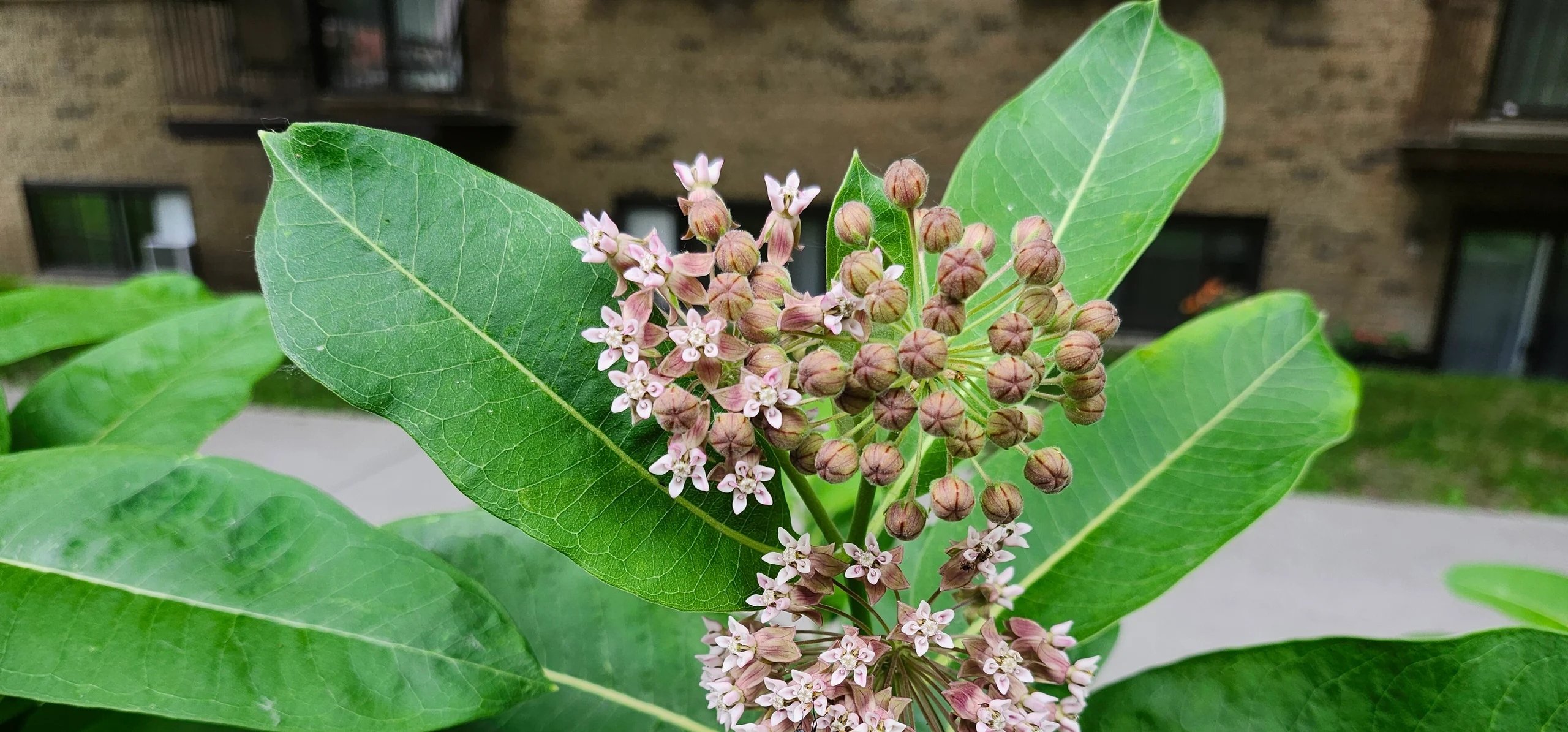
Asclepias tuberosa, butterfly weed, arrives from the nursery as a small potted seedling but lives as a taprooted perennial that resents ever being moved again, so where you plant it is really the only decision that matters. Expect clumping stems 30 to 90 cm tall topped with clusters of bright orange, sometimes yellow or red-orange, flowers, a clear watery sap instead of the thick white latex most milkweeds ooze when cut, and new growth that takes its time reappearing each spring. It is a monarch butterfly host plant like its relatives, drought tolerant once its taproot is established, and easiest to get right if you treat that root as permanent from planting day.
The Taproot That Rules Every Decision
Missouri Botanical Garden is blunt about it: butterfly weed does not transplant well because of its deep taproot, and it is best left undisturbed once established. That single fact should decide where you plant it, directly in its final bed, a large permanent container, or a deep nursery pot you use only briefly before moving it into the ground while it is still young. Shifting a two-year-old clump to a better spot later usually kills it or sets it back for a season or two; if you inherit one in an awkward location, work around it rather than dig it out. Division is possible in principle but rarely worth the risk to the root, propagate from seed instead if you want more plants.
Site, Soil and Sun
Give it full sun and a dry to medium, well-drained soil, the conditions of the rocky glades, prairies and roadsides it grows in naturally. It tolerates poor, sandy or rocky ground better than rich, moisture-retentive beds and is moderately salt tolerant, useful along a gravel drive or roadside border. Missouri Botanical Garden lists it hardy across USDA zones 3 to 9, a wide enough range that winter cold is rarely the limiting factor, waterlogged soil is. Ground that stays wet through winter is the one condition to avoid; the taproot rots long before it gets the chance to object to being moved.


Slow Spring Emergence
Do not assume a dormant clump has died just because nothing shows above ground while neighboring perennials are already leafing out. Missouri Botanical Garden notes that new growth tends to emerge late in spring, often weeks behind other prairie natives, and this is one of the most common reasons gardeners accidentally dig up or hoe off a perfectly healthy plant. Mark the spot in autumn before the top growth dies back, and wait through a full warm spell before writing a clump off. The taproot is doing the real growing underground long before any shoot breaks the surface.
Growing From Seed and Cold Stratification
Butterfly weed germinates reliably after roughly 30 days of cold, moist stratification, seed mixed into damp sand or wrapped in a damp paper towel, sealed in a bag, and held in the refrigerator, according to North Carolina State Extension. Check the bag every few days as that period ends; A. tuberosa seed can start sprouting inside the stratification bag itself. Afterward, sow indoors under bottom heat 8 to 10 weeks before the last frost, or direct sow outdoors in autumn and let winter do the stratifying. Either way, budget two to three years before a seed-grown plant produces its first flowers, this is a slow starter, not a plant for gardeners chasing quick color.
Clear Sap and the Monarch Connection
Cut a stem and you will notice something unusual for the genus: the sap runs clear and watery rather than the thick white latex of common or swamp milkweed. That lower-toxin sap means monarch caterpillars feeding on it sequester fewer cardenolides than they would from milkier relatives, leaving them somewhat less chemically defended against predators, though butterfly weed remains a genuine larval host plant and a strong nectar source for adult monarchs and many other butterflies. Flower color ranges from classic bright orange to yellow or deep red-orange depending on the plant, umbels open from late spring through late summer, and a single well-sited clump can bloom for months without deadheading.
Pests: Aphids and Milkweed Bugs
Oleander aphids, bright orange and clustering thickly on new growth and flower stems, are close to unavoidable on any milkweed and are best knocked off with a strong jet of water every few days rather than sprayed with anything that would also harm monarch eggs or caterpillars elsewhere on the plant. Large milkweed bugs, orange and black true bugs roughly 1.5 cm long, gather in groups on ripening seed pods to feed on the seeds inside; they rarely damage the plant itself and are usually left alone. Beyond those two, North Carolina State Extension describes it as a largely pest-free plant.
Toxicity: Sap and Pets
The sap contains cardiac glycosides, and the ASPCA lists milkweed, naming butterfly weed specifically, as toxic to cats, dogs and horses. Wear gloves when cutting stems, deadheading or handling seed pods, the clear sap still irritates skin and eyes on contact even without the obviously staining latex of other milkweeds, and rinse promptly if it reaches bare skin. Site plants away from areas where pets graze or chew, and keep the same caution in mind around small children, who are drawn to the bright flowers and inflated seed pods just as readily as monarchs are.
Test your plant knowledge
Tap a card to flip it and reveal the answer.
Because of its deep taproot, an established butterfly weed transplants poorly and is best left where it was planted. Tap to reveal ✓ True
Butterfly weed oozes the same thick, milky white sap as most other milkweeds. Tap to reveal ✕ False
New top growth on butterfly weed usually appears very early in spring, ahead of most perennials. Tap to reveal ✕ False
Butterfly weed seed germinates best after about 30 days of cold, moist stratification. Tap to reveal ✓ True
The ASPCA lists milkweed, including butterfly weed, as toxic to cats, dogs and horses. Tap to reveal ✓ True
Sources
References consulted for this guide
- Asclepias tuberosa L., GBIF Backbone Taxonomygbif.org
- POWO: Asclepias tuberosa L., native distributionpowo.science.kew.org
- ASPCA: Milkweed toxicity to cats, dogs and horsesaspca.org
- Missouri Botanical Garden Plant Finder: Asclepias tuberosamissouribotanicalgarden.org
- North Carolina State Extension Gardener Plant Toolbox: Asclepias tuberosaplants.ces.ncsu.edu
- Reference entity : Wikipédiaen.wikipedia.org