Bitter Orange
Citrus aurantium
Family · Rutaceae
Bitter orange (Citrus aurantium) needs full sun, steady feeding and winter protection below 25 F. Covers rootstock, marmalade fruit, neroli, potting and scale.
Citrus aurantium
Plant profile
- WateringHighWater every 5 days
- Light exposureFull sun
- Ideal temperature-5–1 °C
- Humidity30–60 %
- Hardiness zoneUSDA 8–11
Growth
- Family
- Rutaceae
- Life cycle
- Perennial
- Growth speed
- 5/10
- Mature size
- 400–800 cm
- Spread
- 250–400 cm
- Flowering
- Fragrant white flowers in late spring, fruit ripens through autumn and winter
- Propagation
- Seed
- Cutting
- Grafting
Dormancyevergreen, slows in winter
Time to maturity10-20 years to full size
Soil & climate
- Soil pH
- pH 5–8
- Soil types
- clay, loam, sand
- Drought tolerance
- No
Light & Placement
- Origin
- Cultigen from South China
- Where to place it
- brightest south facing window
- sheltered south or west facing wall
- sunny patio or courtyard
- loam based potting compost with added grit or bark
Safety
- Toxicity
- CatsToxic
- DogsToxic
- HorsesToxic
Data fromCitrus aurantium, GBIF Backbone TaxonomyRHS: Citrus x aurantium (Seville orange)ASPCA: Bergamot Orange (Citrus aurantiumNC State Extension Gardener Plant ToolboClemson HGIC: Container Citrus Productio
Where it grows
World distribution
GBIF records 11,334 documented identifications across 157 countries, with the largest concentrations in United States, Brazil, and China.
Yellow to orange dots: concentration of documented identifications per country. Green countries: sourced native range. Source: GBIF.
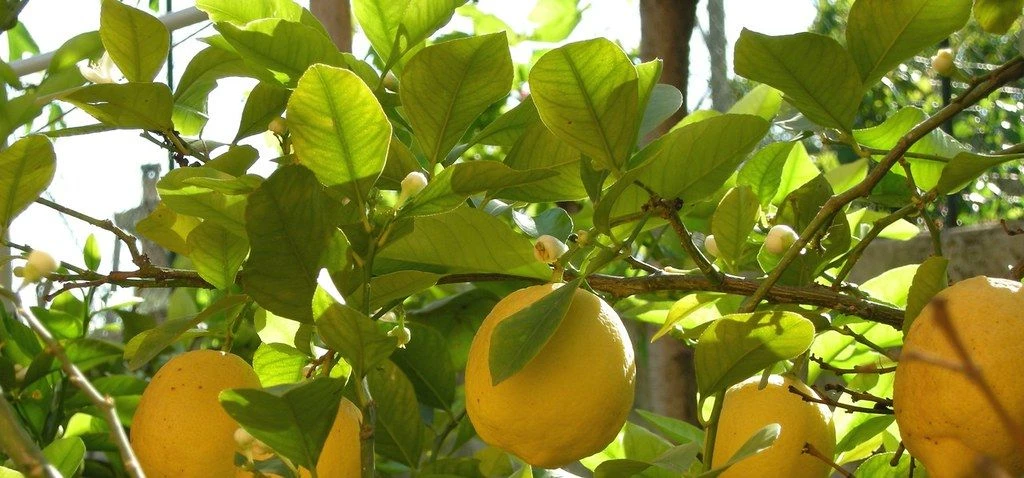
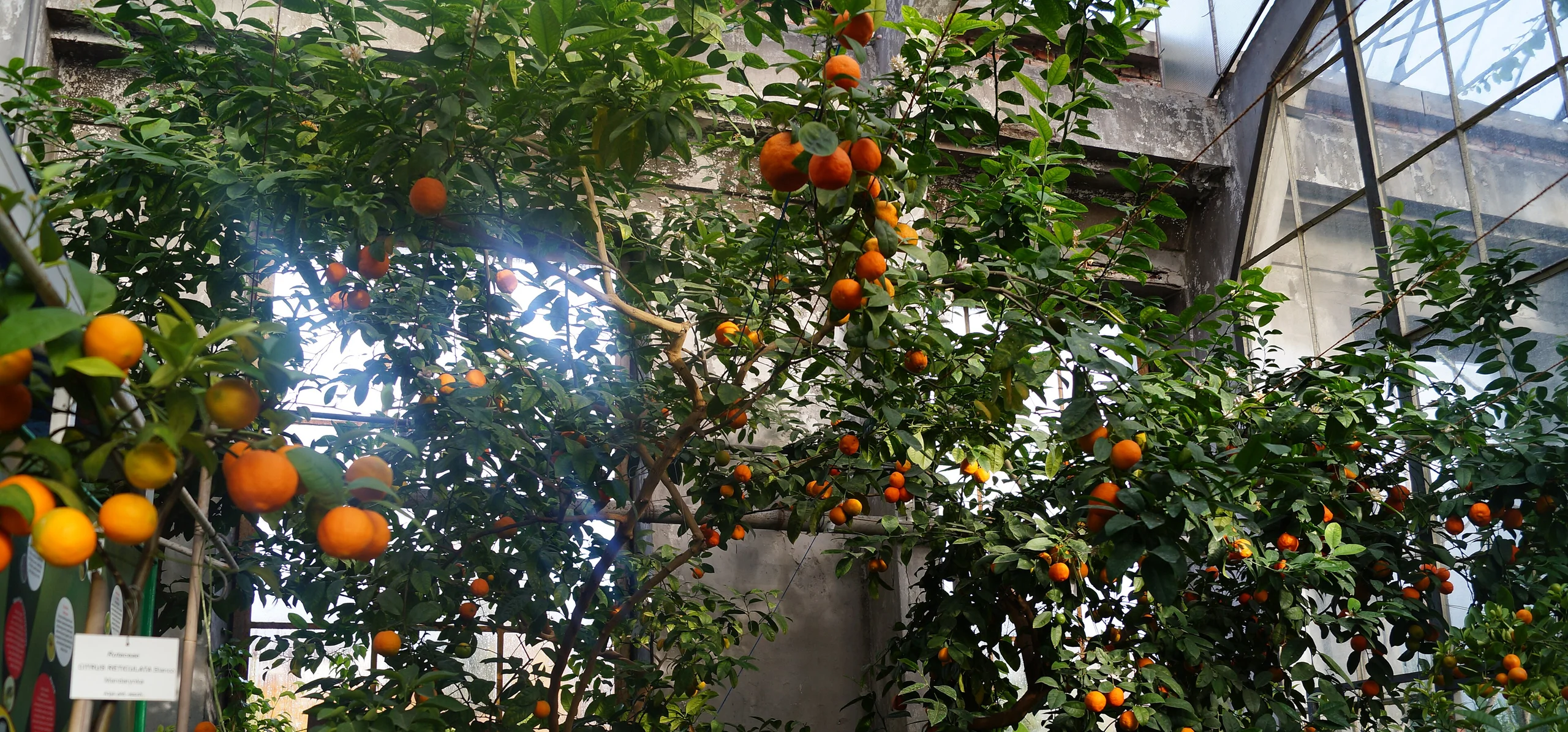
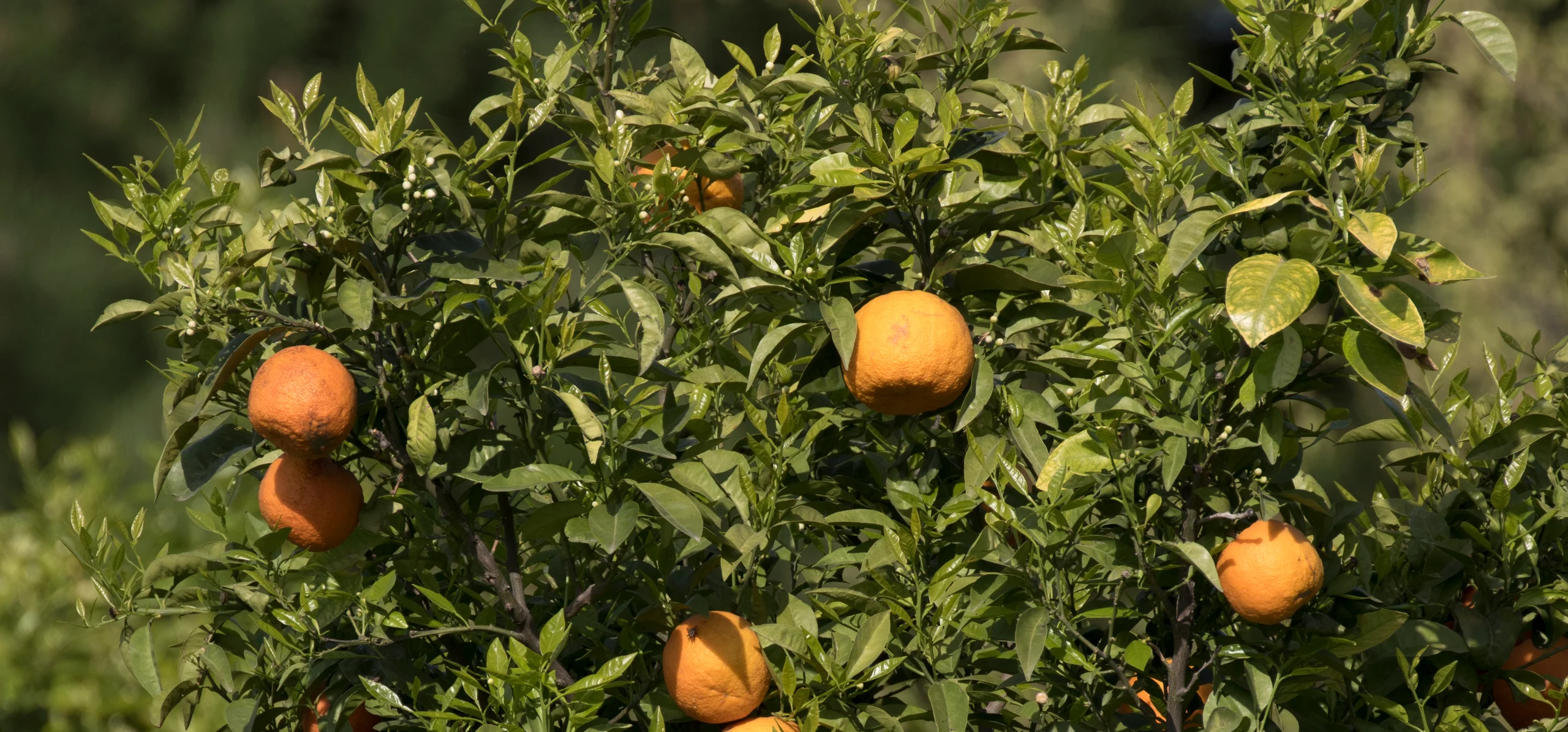
A bitter orange in a pot on the patio is not a failed sweet orange, it is Citrus aurantium, a distinct citrus grown for its perfume and its peel rather than its pulp. Bite into the fruit fresh and the reason it is called sour or Seville orange rather than an eating orange becomes obvious: the flesh is sharp, acidic and too bitter to eat out of hand. What it excels at is marmalade, where that bitterness turns into the deep flavour that separates a proper Seville marmalade from a bland one, while its waxy white flowers are distilled into neroli, one of perfumery's most valuable oils. Bought as a young grafted tree, it needs a warmer, more sheltered routine than a hardy garden shrub: full sun, steady feeding and, outside the mildest climates, a winter spent indoors.
A Name With Two Faces
GBIF lists the accepted name simply as Citrus aurantium L., though nursery labels and older references almost always sell the same plant as Citrus x aurantium, the multiplication sign flagging its origin as an old natural hybrid between pomelo (Citrus maxima) and mandarin (Citrus reticulata). Both names point at the identical tree; this guide uses the accepted GBIF form throughout but keeps the x version in the title because that is what shows up on plant tags and search results. A long tail of historical synonyms, Aurantium citrum, Aurantium x acre and half a dozen others once filed under the now defunct genus Aurantium, shows how many times this tree was renamed before citrus classification settled down. Common names pile up in the same way: Seville orange, sour orange and bigarade all describe the same plant, sometimes narrowed to a particular selection grown for marmalade or for perfume.
Rootstock, Marmalade and Neroli: What This Tree Is Actually For
Most home growers meet bitter orange in one of three unrelated roles, and knowing which one you have shapes what to expect from the tree. The first is as a rootstock: for well over a century, growers grafted sweet oranges, lemons and mandarins onto bitter orange roots for its vigour and disease resistance, so any grafted citrus you own may technically be growing on Citrus aurantium below the graft union, even though the top growth is a different species entirely. The second role is the marmalade tree proper, grown for its thick, aromatic, intensely bitter fruit, harvested through autumn and winter and cooked down, peel and all, with sugar. The third is neroli: the fragrant blossom is steam distilled into neroli oil, sold separately as orange flower water when hydro-distilled, while the leaves and twigs processed the same way give petitgrain. A single tree can supply all three across one season, flowers in late spring and fruit ripening through the colder months.


Light and Placement
Give it as much direct sun as the site allows, six to eight hours or more. The RHS recommends a south or west facing aspect with shelter from wind for a tree grown outdoors against a wall, or a conservatory position in full light with some shade from the hottest midday sun. Indoors, the brightest south facing window in the house is the minimum, since low winter light is the single biggest limit on how well a potted specimen flowers and fruits the following year.
Soil and Potting Mix
Bitter orange tolerates a wider soil pH than many citrus, from 5.0 to 8.0 according to NC State Extension, and accepts clay, loam or sandy ground provided drainage is sharp. In a pot, the RHS suggests a peat free, loam based compost with added grit; a home mix of roughly four parts shredded pine bark to one part peat or coir, as recommended by Clemson HGIC, drains just as well and suits a tree that resents sitting wet. Repot into a container about two inches wider every three to five years, keeping the root flare at the surface rather than burying it, until the pot reaches somewhere between eighteen and thirty six inches across for a mature specimen.
Watering
Water regularly and let the top two to three inches of the mix dry between waterings rather than following a fixed schedule. In hot weather a container tree in active growth can need water almost daily, since a small volume of mix dries fast and citrus roots want air as much as moisture; in cool weather cut right back. NC State Extension flags overwatering, not underwatering, as the more common cause of fungal problems and root rot in this species, so check before you pour rather than watering on autopilot.
Feeding a Hungry Citrus
Container citrus rely on you for every nutrient they get, and bitter orange is no exception. Clemson HGIC recommends a slow release fertiliser such as a 12-6-6 or 12-4-6 blend, applied two to three times through the spring to late summer growing season, backed up with a water soluble acidic feed if growth looks tired. Because frequent watering flushes nutrients out of a small pot quickly, citrus in containers commonly run short of iron, manganese and calcium; adding a pinch of Epsom salt and garden gypsum to the mix supplies the magnesium and calcium that ordinary liquid feeds tend to skip. Stop feeding by early autumn so new growth hardens off before cold weather arrives.
Container Growing and Overwintering in Cold Climates
NC State Extension places bitter orange in USDA zones 8a to 11b, and the RHS rates it H3, hardy outdoors year round only in mild, coastal or otherwise sheltered parts of the UK, with damage likely between about -5 and 1 C. Clemson HGIC is more specific still: expect significant harm once temperatures drop below 25 F, roughly -4 C. Anywhere colder, the practical answer is a container that comes indoors before the first frost, kept in a bright, south facing room between about 55 and 65 F with humidity held around 30 to 60 percent using a pebble tray or humidifier, since centrally heated winter air is drier than the tree is used to. Move it back outside gradually once nights stay reliably mild again, rather than shifting it straight from a warm room into full sun.
Leaf Drop, Scale and Toxicity to Pets
Leaf drop after a house move, a cold draft near a door, or a sudden swing between wet and dry soil is the most common complaint with a container bitter orange, and the fix is almost always steadier conditions rather than more fertiliser. The RHS lists red spider mite, scale insects, aphids, caterpillars and mealybugs as the pests to watch for under glass or indoors, and notes the species is otherwise largely disease free outdoors. Left untreated, aphids, whiteflies and soft scale all excrete honeydew that sooty mould then grows on, per Clemson HGIC, so treating the insect is what actually clears the black coating rather than wiping the leaves. Poorly drained mix invites Pythium and Phytophthora root rots, another reason sharp drainage matters as much as feeding.
Keep the tree away from pets and grazing animals. The ASPCA lists Citrus aurantium as toxic to dogs, cats and horses, with essential oils and psoralens as the toxic principles and vomiting, diarrhoea, depression and potential photosensitivity or dermatitis as the reported signs of exposure.
Test your plant knowledge
Tap a card to flip it and reveal the answer.
Bitter orange fruit is sourer and more bitter than a sweet eating orange. Tap to reveal ✓ True
Bitter orange fruit is normally picked and eaten fresh like a sweet orange. Tap to reveal ✕ False
A potted bitter orange tree can safely stay outdoors through a hard frost. Tap to reveal ✕ False
Bitter orange is a heavy feeder that needs regular citrus fertiliser to grow and fruit well. Tap to reveal ✓ True
Bitter orange (Citrus aurantium) is safe for cats and dogs to nibble. Tap to reveal ✕ False
Sources
References consulted for this guide
- Citrus aurantium, GBIF Backbone Taxonomygbif.org
- RHS: Citrus x aurantium (Seville orange)rhs.org.uk
- ASPCA: Bergamot Orange (Citrus aurantium) toxicity to pets and horsesaspca.org
- NC State Extension Gardener Plant Toolbox: Sour Orange (Citrus x aurantium)plants.ces.ncsu.edu
- Clemson HGIC: Container Citrus Productionhgic.clemson.edu
- Reference entity : Wikipédiaen.wikipedia.org