Mandarin Orange
Citrus reticulata
Family · Rutaceae
Mandarins need full sun, free-draining slightly acid soil and deep, infrequent watering. Satsuma is the hardiest citrus, briefly tolerating about -9 C.
Citrus reticulata
Plant profile
- WateringHighWater every 6 days
- Light exposureFull sun
- Ideal temperature-9–5 °C
- Hardiness zoneUSDA 9–11
Growth
- Family
- Rutaceae
- Life cycle
- Perennial
- Growth speed
- 4/10
- Mature size
- 250–400 cm
- Spread
- 100–150 cm
- Flowering
- Fragrant spring flowers, fruit ripens autumn to winter
- Propagation
- Seed
- Cutting
- Grafting
Dormancyevergreen, slows in winter
Time to maturity10-20 years to full size
Soil & climate
- Soil pH
- pH 6–6.5
- Soil types
- loam, sand
- Drought tolerance
- No
Light & Placement
- Origin
- China (Guangxi to Hunan and Jiangxi)
- Where to place it
- brightest south facing window
- south or west facing sheltered wall
- sunny patio or courtyard
- loam based citrus compost with added grit or bark
Safety
- Toxicity
- Not specifically listed by ASPCA; related citrus are toxic
- Pet safe
- No
Data fromCitrus reticulata Blanco, GBIF Backbone Citrus reticulata Blanco, Plants of the RHS: Citrus reticulata Satsuma Group (SaClemson HGIC: In-Ground Citrus ProductioNC State Extension Gardener Plant Toolbo
Where it grows
World distribution
Mandarin Orange is native to a single country: China.GBIF records 2,698 documented identifications across 93 countries, with the largest concentrations in China, United States, and Brazil.
- China
Yellow to orange dots: concentration of documented identifications per country. Green countries: sourced native range. Source: GBIFNative range from POWO (Kew).
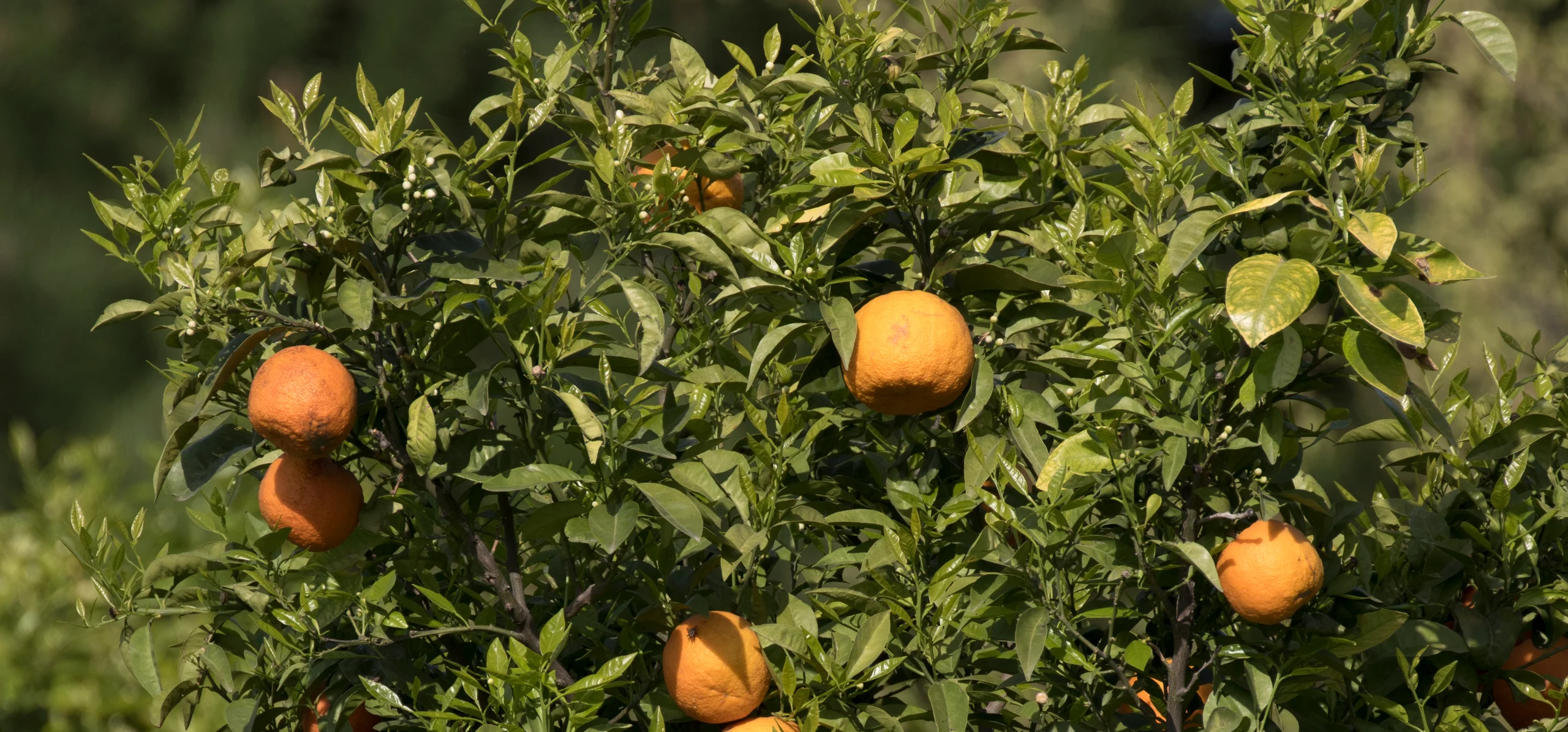
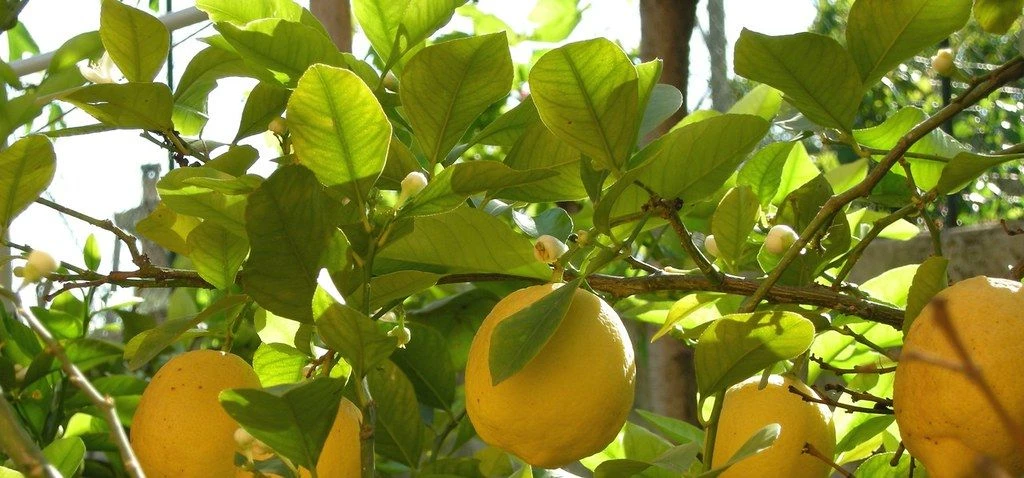
A mandarin is the citrus that asks for the least in return for the most: the skin slips off in one motion, the flesh is usually seedless, and of the whole citrus family it copes best with a cold snap. Citrus reticulata is one accepted name covering a wide group, everything sold as clementine, tangerine, or satsuma, and GBIF even folds the old species Citrus nobilis into it as a synonym. Where you can grow one outdoors year round depends entirely on winter lows, and a large pot wheeled under cover for the cold months does the same job anywhere harsher. Get the soil, water, and feed right and a mandarin will crop reliably for decades with very little pruning.
Choosing a Variety: Clementine, Satsuma, and 'Honey'
Clementine is the classic seedless, deep orange mandarin sold loose or in nets from autumn, thin skinned and quick to suffer if the pot sits wet. Satsuma, especially the long grown Japanese cultivar 'Owari', is the toughest widely available mandarin in cold weather, and its fruit is famously loose skinned and close to seedless, which is why it peels apart in seconds. 'Honey', often sold as Honey Murcott or Murcott, ripens later into winter with a deeper orange rind and a richer, sweeter flavour than either clementine or satsuma, though it is the least cold hardy of the three and tends to bear more heavily every other year. Whichever you choose, buy a grafted tree: a mandarin grown from seed can take a decade to fruit and rarely matches its parent.
Hardiness and Where This Tree Belongs
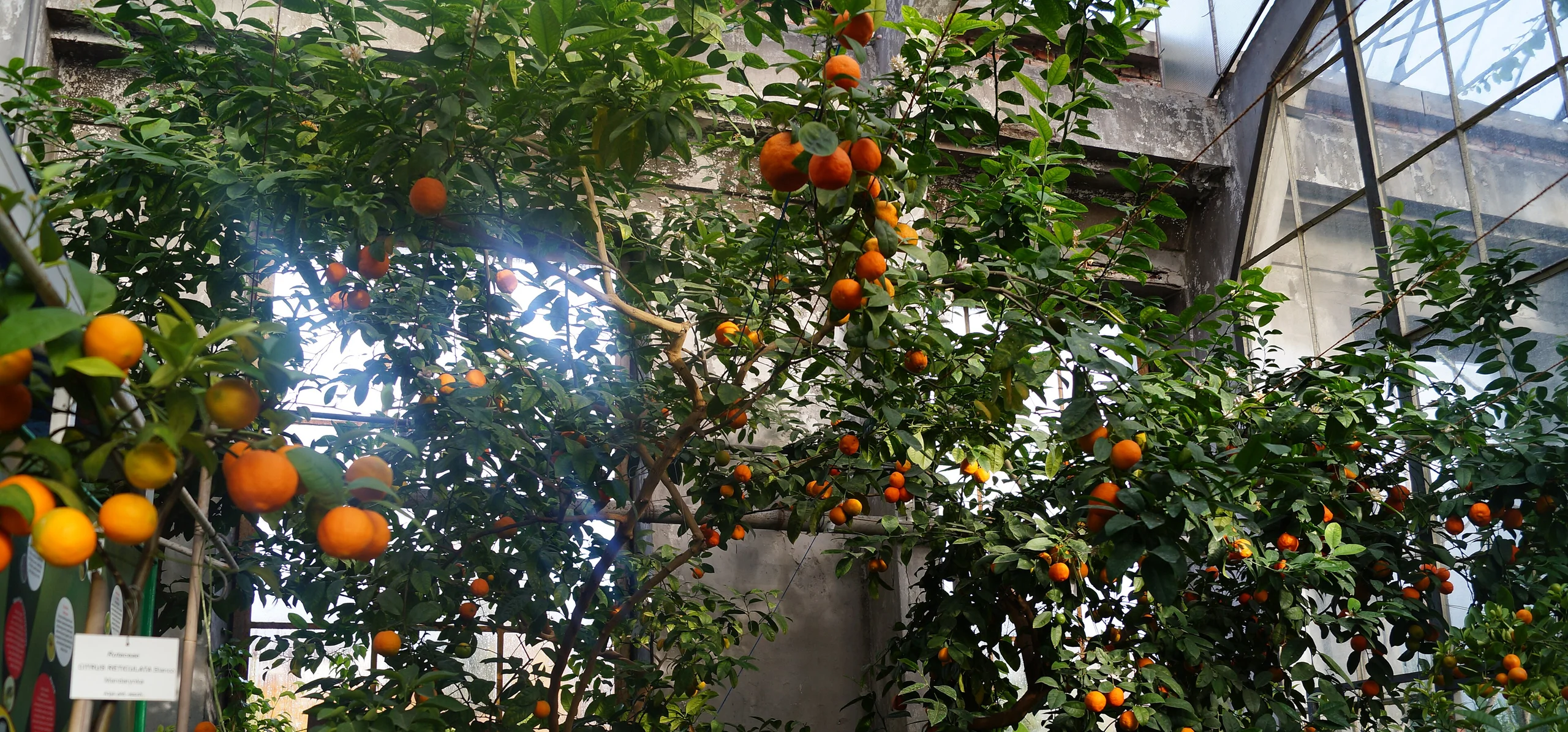
The RHS rates Citrus reticulata H2, needing protection once temperatures drop much below 1 to 5 C, which limits year round outdoor growing to genuinely mild, largely frost free climates such as coastal Mediterranean gardens or the American Gulf Coast. Satsuma is the exception: Clemson Extension's cold tolerance data puts a mature satsuma's hardiness at around 15 F, about -9 C, for a brief cold snap, the best figure of any commonly grown citrus, though a longer freeze or a young tree will still suffer real damage at that temperature. Everywhere colder than the mild citrus belt, grow a mandarin in a pot large enough to crop well but light enough to move under cover, an unheated porch, garage, or cool conservatory, before the first hard frost.


Light and Placement
Give a mandarin full sun. NC State Extension lists six or more hours of direct light a day as the baseline across the citrus genus, and more is better still. Outdoors, a south or west facing wall or an open, sheltered patio suits it best. Indoors over winter, use the brightest window in the house; a shaded corner keeps a mandarin alive but rarely lets it flower or colour its fruit properly the following season.
Soil and Potting Mix
Mandarins want a free-draining, slightly acid mix. Clemson HGIC recommends a soil pH between 6.0 and 6.5, and the RHS specifies a loam based, moist but well drained compost for potted Satsuma Group plants. In a container, a citrus specific mix or a loam based compost cut with grit or bark drains fast enough to keep roots aerated; heavy, moisture retentive potting soil sitting wet is the most common route to root rot in a potted mandarin.
Watering Deeply, Not Often
Water deeply, until it runs from the drainage holes, then let the top couple of centimetres of the mix dry before watering again rather than keeping the soil constantly damp. Mandarins are unusually sensitive to inconsistent watering: a dry spell followed by a heavy soak, especially once fruit has set, is a common cause of fruit splitting on the tree or dropping early, so a steady rhythm matters more than any single perfect watering. In hot weather a potted tree in active growth can need water every couple of days; in a cool winter rest, once a week or less is often enough.
Feeding for Fruit, Not Just Leaves
Citrus are hungry plants, and a mandarin in a pot has no soil reserve to fall back on. Use a dedicated citrus fertiliser, higher in nitrogen than a general purpose feed and formulated with the trace elements citrus need most: iron, magnesium, and manganese. Feed through the spring and summer growing season and taper off as growth slows in autumn. Yellowing leaves are the classic mandarin complaint and usually trace back to a shortage of one of those three elements, or nitrogen itself, rather than a pest or disease, so correcting the feed is often a faster fix than watering more.
Pruning, Suckers, and Fruit Thinning
A mandarin needs very little pruning beyond removing dead or crossing wood and shaping lightly to keep the canopy open to light. The one cut that matters is any sucker growing from below the graft union: that growth comes from the rootstock, not the mandarin variety, grows faster than the rest of the tree, and will never bear the fruit you bought the plant for if left to take over. After a heavy crop, mandarins commonly swing into a lighter one the next year, a pattern known as alternate bearing; thinning young fruit by hand on a tree carrying an unusually heavy load helps even out the cycle and produces larger, better coloured fruit at harvest. Expect fruit to ripen through autumn and into winter, later for 'Honey' types than for clementine or satsuma.
Pests, Root Rot, and Pet Safety
Scale insects and mealybugs are the most persistent problems, both feeding on sap and leaving sticky honeydew that then grows sooty mould; aphids do the same on soft new growth. Citrus leaf miner tunnels through young leaves in meandering silvery trails, disfiguring new flush but rarely harming a mature tree's yield enough to justify spraying. Indoors over winter, dry heated air favours red spider mite, showing up as fine webbing and dull, stippled leaves; raising humidity and wiping the foliage down helps more than any single treatment. Outdoors and in, waterlogged, poorly drained soil is the most common cause of root rot in citrus, another reason drainage matters as much as watering itself. On pet safety, the ASPCA carries no dedicated listing for mandarin or tangerine, but it does list several close relatives, including orange, bergamot orange, and calamondin orange, as toxic to cats, dogs, and horses through essential oils and psoralens in the leaves and peel; treating a mandarin with the same caution and keeping curious pets away from fallen fruit and trimmings is the sensible approach.
Test your plant knowledge
Tap a card to flip it and reveal the answer.
Satsuma is the most cold-hardy of the commonly grown citrus, tolerating a brief drop to about -9 C. Tap to reveal ✓ True
Suckers growing from below the graft union will fruit true to the mandarin variety if left in place. Tap to reveal ✕ False
Mandarins do best with a deep soak followed by letting the mix dry out, rather than frequent light watering. Tap to reveal ✓ True
A mandarin's heavy fruit crop one year has no effect on how much it fruits the following year. Tap to reveal ✕ False
The ASPCA carries a specific toxicity listing for mandarin or tangerine. Tap to reveal ✕ False
Sources
References consulted for this guide
- Citrus reticulata Blanco, GBIF Backbone Taxonomygbif.org
- Citrus reticulata Blanco, Plants of the World Online, Kew Sciencepowo.science.kew.org
- RHS: Citrus reticulata Satsuma Group (Satsuma mandarin)rhs.org.uk
- Clemson HGIC: In-Ground Citrus Productionhgic.clemson.edu
- NC State Extension Gardener Plant Toolbox: Citrusplants.ces.ncsu.edu
- Reference entity : Wikipédiaen.wikipedia.org