Japanese Aralia
Fatsia japonica
Family · Araliaceae
Fatsia japonica thrives in shade outdoors or as a houseplant, tolerates frost to USDA zone 8, and stays non-toxic to pets: how to site, prune and propagate it.
Fatsia japonica
Plant profile
- WateringModerateWater every 7 days
- Light exposurePartial shade
- Hardiness zoneUSDA 8–10
Growth
- Family
- Araliaceae
- Life cycle
- Perennial
- Growth speed
- 4/10
- Mature size
- 200–300 cm
- Spread
- 200–300 cm
- Flowering
- Greenish-white flower heads in autumn, followed by black berries
- Propagation
- Cutting
- Seed
Dormancyevergreen, growth slows in winter
Time to maturityseveral years to reach full 2-3 m spread
Soil & climate
- Soil types
- fertile, moisture-retentive soil, tolerates drier soil in deep shade
- Drought tolerance
- No
Light & Placement
- Origin
- S. Korea and Japan, including the Nansei-shoto islands
- Where to place it
- cool room near a bright but sun-free window
- hallway or stairwell
- shaded, sheltered courtyard
- north- or east-facing border
- large container with drainage on a shaded patio
- houseplant pot with free-draining mix
Safety
- Toxicity
- CatsSafe
- DogsSafe
- HorsesSafe
Data fromGBIF Backbone Taxonomy: Fatsia japonica Plants of the World Online (Kew): FatsiaRHS: How to Grow FatsiaMissouri Botanical Garden Plant Finder: ASPCA: Japanese Aralia toxicity to pets
Where it grows
World distribution
Japanese Aralia is native to 2 countries: Japan and South Korea.GBIF records 5,827 documented identifications across 41 countries, with the largest concentrations in Japan, New Zealand, and United Kingdom.
- Japan
- South Korea
Yellow to orange dots: concentration of documented identifications per country. Green countries: sourced native range. Source: GBIFNative range from POWO (Kew).
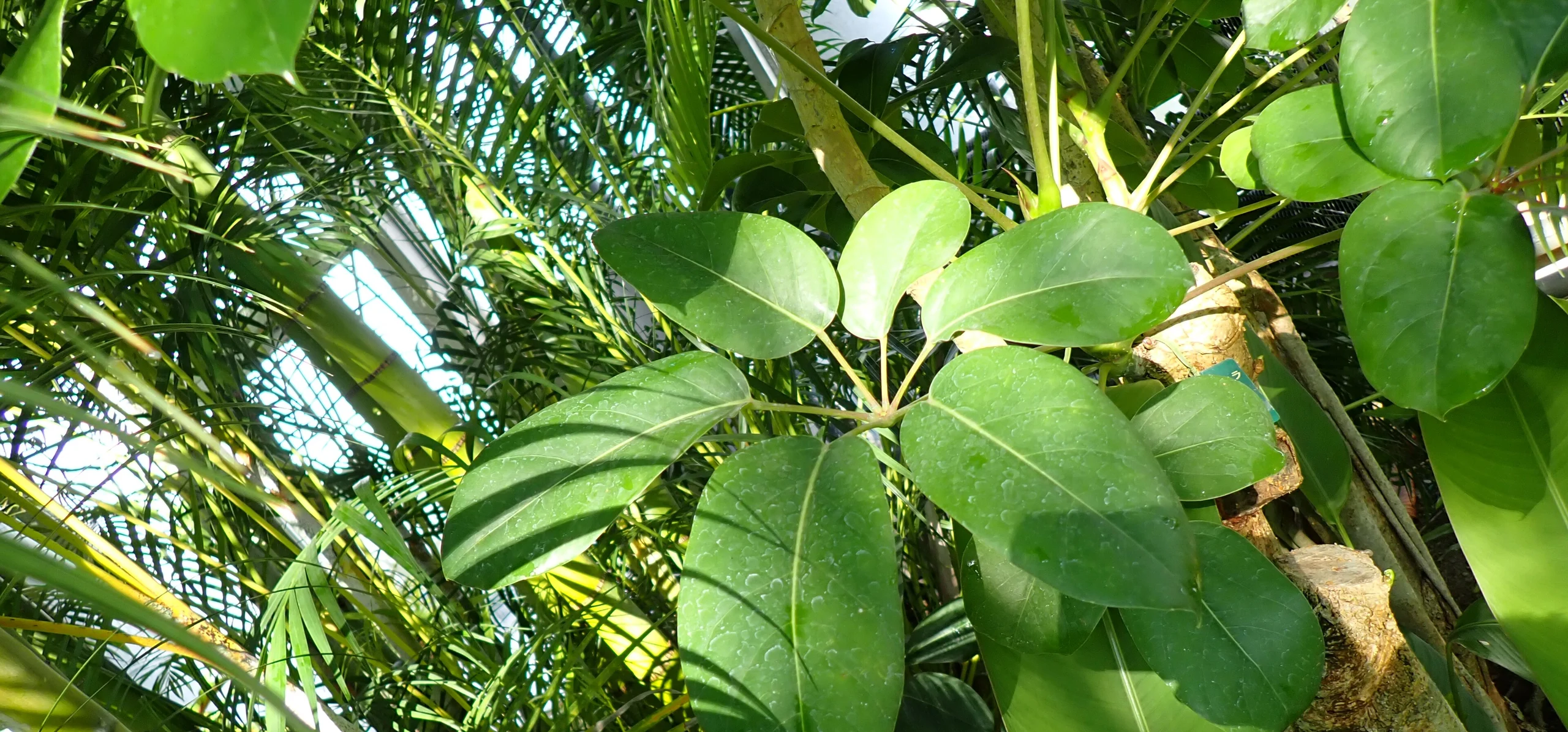
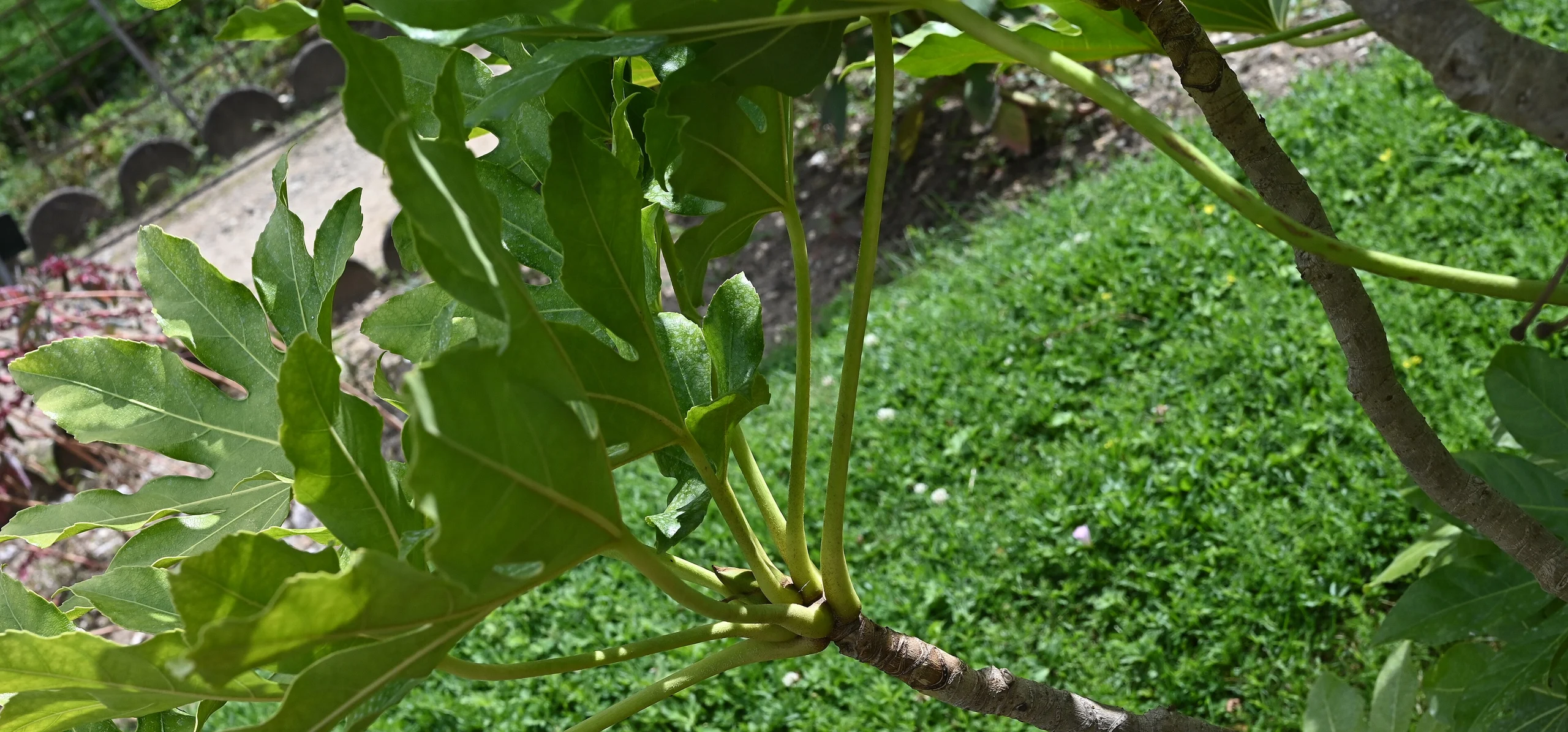
A newly potted Fatsia japonica already looks like it belongs in deep woodland: leathery, hand-sized leaves split into seven to nine lobes, glossy enough to catch what little light reaches a shaded corner. Outdoors in mild climates it becomes a genuine architectural shrub, 2 to 3 meters tall and wide within a few seasons; indoors, or anywhere winters bite harder, it settles happily into a large pot by a cool, bright window. The plant asks for shade rather than sun, steady moisture rather than drought, and almost no pruning, which is why it has become a fixture of shaded courtyards and north-facing beds from Britain to the Pacific Northwest.
Origin and Habitat
Fatsia japonica is native to S. Korea and Japan, including the Nansei-shoto island chain, where it grows as an understory shrub in subtropical coastal forest, according to Plants of the World Online. In that native range it can reach small-tree proportions, and the wide, deeply lobed leaves are an adaptation to gathering light under a forest canopy rather than standing in open sun. That forest-floor origin explains almost everything about how the plant behaves in cultivation: it wants shelter, filtered or absent direct sun, and soil that never fully dries out.
Light and Placement, Indoors and Out
Outdoors, site Fatsia japonica in partial shade; it also tolerates deep shade or full sun as long as the soil stays fertile and consistently moist, per the RHS growing guide. In practice a north- or east-facing border, a shaded courtyard, or the north side of a wall works better than an open bed in full afternoon sun, where the big leaves can scorch. As a houseplant, Missouri Botanical Garden recommends part shade to shade with no prolonged direct summer sun, and cool room temperatures around 60 to 70°F (15 to 21°C); a cool hallway, stairwell or north-facing room suits it better than a hot, bright living room. Whichever spot you choose, give it shelter from strong wind, since the large, thin leaves tear and brown at the edges when constantly buffeted.
Watering, Soil and Feeding
Water regularly through spring and summer to keep the soil evenly moist, then cut back substantially from fall through late winter as growth slows, following Missouri Botanical Garden's guidance for container-grown plants. Fertile, moisture-retentive soil suits it best outdoors, though established plants will also tolerate drier soil in deep shade; indoors, a humusy, free-draining potting mix does the same job. Feed lightly during the growing season only. Overly wet, poorly drained soil is the more common failure mode than underwatering, since waterlogged roots invite rot faster than a few dry days ever will.


Hardiness and Overwintering
Fatsia japonica is described by the RHS as mostly frost hardy, and Missouri Botanical Garden lists it as winter hardy outdoors in USDA zones 8 to 10; north of that range it needs to come indoors or be grown permanently as a houseplant. In borderline zones, a sheltered position against a warm wall, a thick mulch over the root zone and fleece over the crown during hard freezes will carry an established plant through winters that would otherwise damage it. Container plants that spend summer outdoors should move to a bright, cool, frost-free spot before the first hard frost, since a sudden freeze does more damage to a plant still carrying soft, unhardened summer growth.
Pruning and Shaping
Fatsias need no routine pruning to perform well, and cutting them back is entirely optional. When you do prune, the RHS recommends removing wayward, dead or damaged shoots in mid to late spring, once the risk of hard frost has passed. Because the plant's appeal is largely architectural, that loose, multi-stemmed rosette of huge leaves, heavy cutting for size control tends to spoil its shape rather than improve it. An old, leggy or storm-damaged plant, though, responds well to hard renovation pruning in spring, resprouting readily from old wood.
Variegated and Compact Varieties
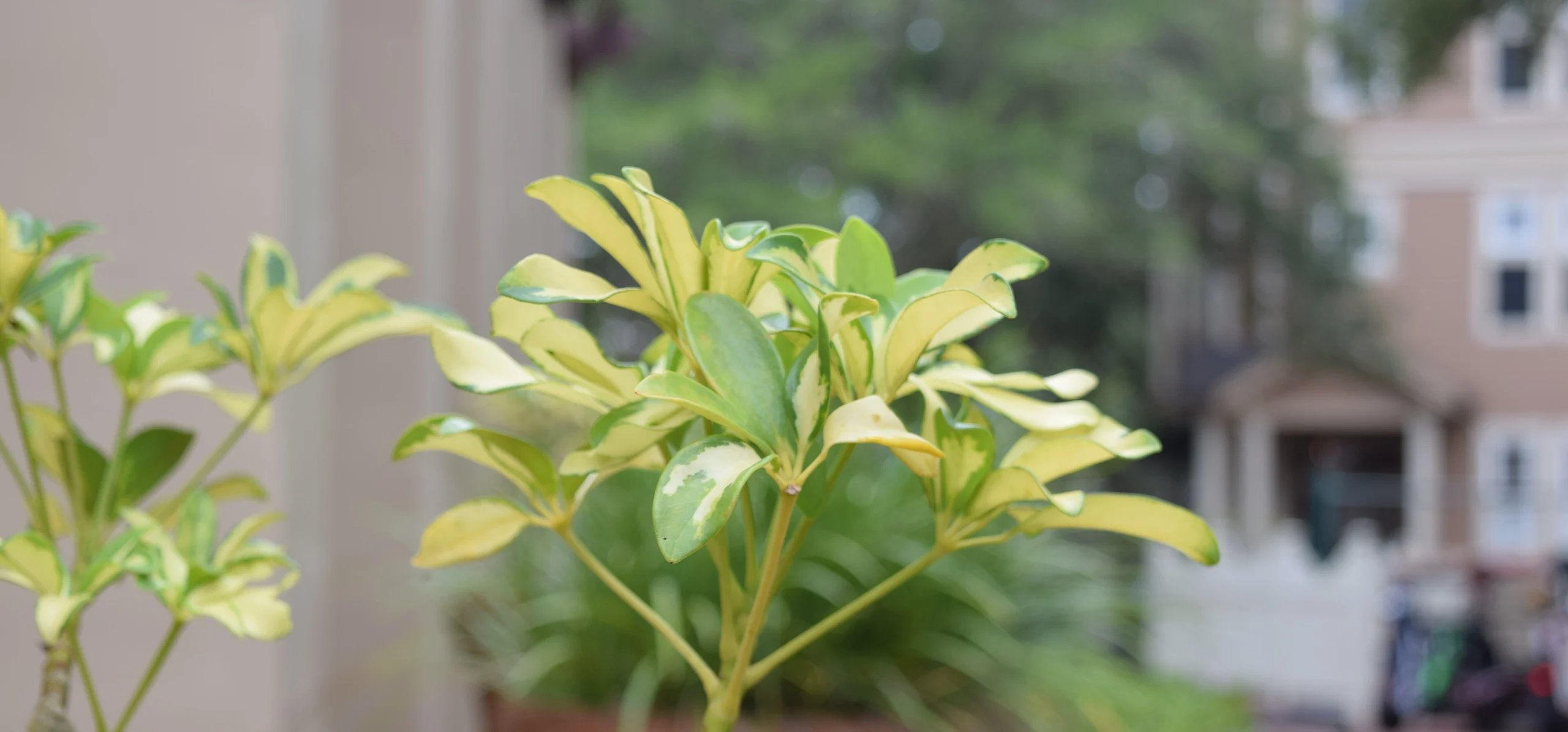
Beyond the plain species, RHS-listed selections include 'Variegata', with leaves marked cream at the lobe tips, and 'Spider's Web' (also sold as 'Tsumugi-shibori'), whose leaves are flecked and mottled with white in a fine, web-like pattern rather than a solid margin. Variegated forms generally want a touch more light than the plain green species to keep their patterning, since deep shade encourages them to green back up, but they still scorch in direct sun. They are otherwise grown exactly like the species: same soil, same watering, same shelter from wind.
Flowers, Berries and Propagation
Mature plants produce rounded, greenish-white flower heads at the stem tips in autumn, followed by clusters of small black berries through late winter into early spring, per the RHS. The berries are ornamental rather than edible and are usually left for birds. To propagate, take semi-ripe cuttings around 20cm long in spring or summer, or collect and sow the ripe berries in late winter, both methods recommended by the RHS growing guide; cuttings root fastest held at a steady 15 to 20°C (59 to 68°F).
Pests, Diseases and Common Mistakes
Watch for aphids, mealybugs, scale and spider mites, particularly on plants grown indoors or in a greenhouse, and for root rot in soil that stays waterlogged, all noted by Missouri Botanical Garden. The most common mistake is the opposite of what growers expect from a big, tropical-looking leaf: giving Fatsia japonica full, unshaded summer sun, which scorches and bleaches the foliage instead of encouraging growth. The second is planting it in an exposed, windy spot, which shreds the leaf margins; the third is treating an unpruned plant as neglected, when in fact this is a shrub that largely looks after itself once it is sited in shade with reliably moist soil.
Test your plant knowledge
Tap a card to flip it and reveal the answer.
Fatsia japonica is native to Japan and S. Korea. Tap to reveal ✓ True
Fatsia japonica needs full, unshaded summer sun to thrive. Tap to reveal ✕ False
Fatsia japonica is toxic to cats and dogs. Tap to reveal ✕ False
Fatsia japonica can be propagated from semi-ripe cuttings taken in spring or summer. Tap to reveal ✓ True
Fatsia japonica can only be grown as a houseplant and never survives outdoors. Tap to reveal ✕ False
Sources
References consulted for this guide
- GBIF Backbone Taxonomy: Fatsia japonica (Thunb.) Decne. & Planch.gbif.org
- Plants of the World Online (Kew): Fatsia japonica (Thunb.) Decne. & Planch.powo.science.kew.org
- RHS: How to Grow Fatsiarhs.org.uk
- Missouri Botanical Garden Plant Finder: Fatsia japonicamissouribotanicalgarden.org
- ASPCA: Japanese Aralia toxicity to petsaspca.org
- Reference entity : Wikipédiaen.wikipedia.org