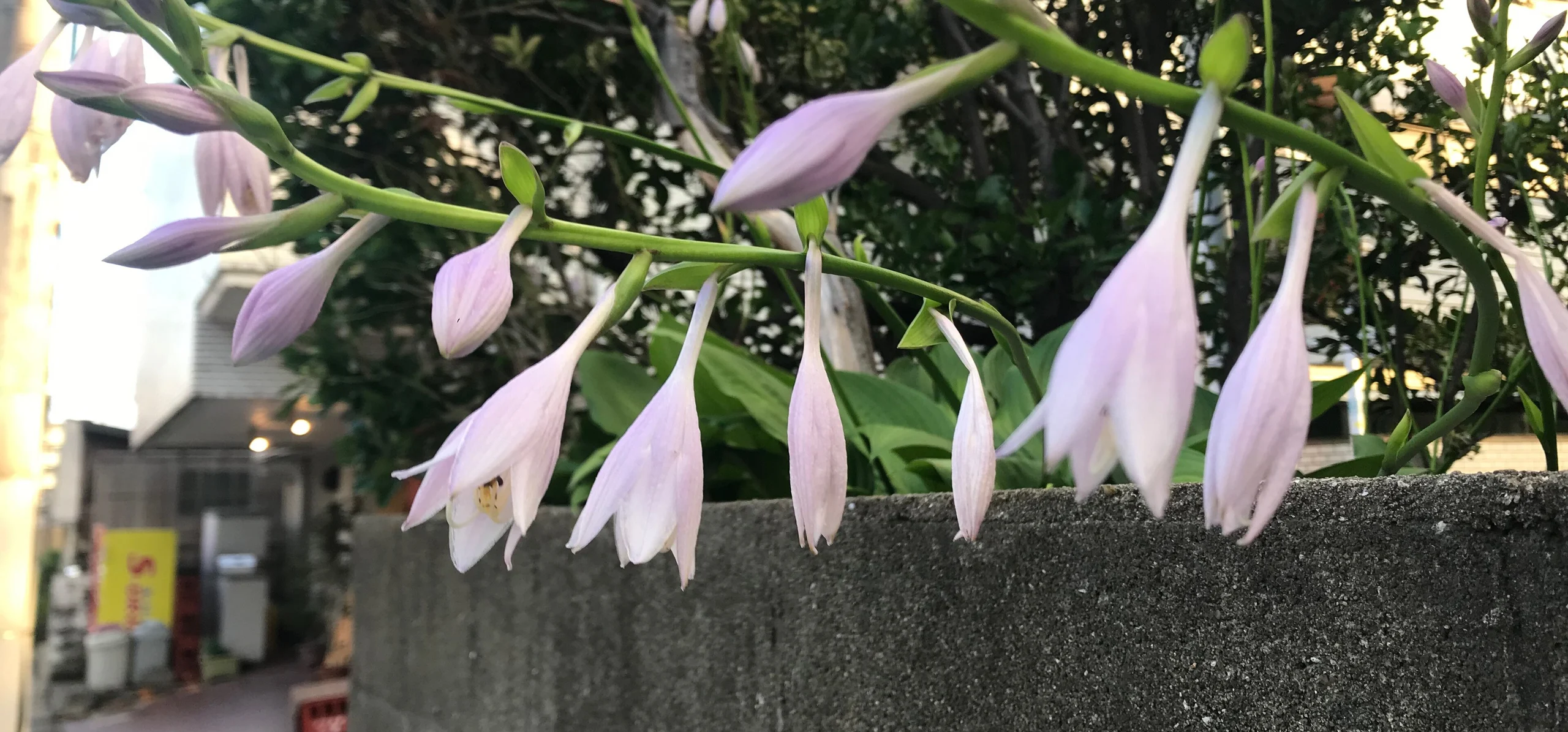
Siebold's Plantain Lily
Hosta sieboldii
Family · Asparagaceae
Hosta sieboldii is a narrow-leaved species, not the giant blue Hosta sieboldiana. Covers shade, slug defense, spring division and pot growing.
Hosta sieboldii
Plant profile
- WateringModerateWater every 6 days
- Light exposurePartial shade
Growth
- Family
- Asparagaceae
- Life cycle
- Perennial
- Growth speed
- 4/10
- Mature size
- 50–100 cm
- Spread
- 10–50 cm
- Flowering
- Mid to late summer, lavender funnel-shaped flowers on stems to 60 cm
- Propagation
- Division
- Seed
Dormancydeciduous; dies back after autumn frost, new shoots emerge in spring
Time to maturity2-5 years
Soil & climate
- Soil pH
- pH 6–7
- Soil types
- clay, loam
- Drought tolerance
- No
Light & Placement
- Origin
- Sakhalin to Japan, per Plants of the World Online
- Where to place it
- woodland shade bed
- sheltered border
- north, east or west-facing bed
- 30-45 cm diameter pot with drainage holes
- raised off the ground on pot feet to slow slugs
Safety
- Toxicity
- CatsToxic
- DogsToxic
- HorsesToxic
Invasive speciesnot reported as invasive; self-seeded plants rarely come true to the white-margined leaf pattern of the parent
Data fromHosta sieboldii (Paxton) J.W.Ingram, GBIHosta sieboldii (Paxton) J.W.Ingram, PlaRHS: Hosta sieboldii, small-leaved plantRHS: How to grow hostasASPCA: Toxic and Non-toxic Plants, Hosta
Where it grows
World distribution
Siebold's Plantain Lily is native to 2 countries: Japan and Russia.GBIF records 2,474 documented identifications across 20 countries, with the largest concentrations in Japan, Russia, and Germany.
- Japan
- Russia
Yellow to orange dots: concentration of documented identifications per country. Green countries: sourced native range. Source: GBIFNative range from POWO (Kew).
Hosta sieboldii is a small, narrow-leaved species from Japan, and it is easy to confuse with Hosta sieboldiana on a plant tag because the names are one letter apart. They are not the same plant. Hosta sieboldiana is the giant with broad, puckered, blue-grey leaves that grows to a mound the size of a wheelbarrow; Hosta sieboldii stays compact, with plain mid-green, lance-shaped leaves rarely longer than 15 cm, according to the RHS. If your plant is small, upright and clumping rather than sprawling and blue, you almost certainly have the species covered here, or one of the many cultivars bred from it.
A Species That Became Dozens of Cultivars
Hosta sieboldii is the parent, directly or through its variegated forms, of a long line of small garden cultivars: white-margined selections such as f. alba, gold-centred forms like 'Kabitan', and other narrow-leaved hybrids all trace back to this species and its natural variants. The GBIF backbone taxonomy lists half a dozen synonyms under old Funkia and Hemerocallis names, a sign of how long this plant has circulated in Western gardens under different labels before settling as Hosta sieboldii. If a nursery tag reads Hosta 'Kabitan' or a similar small, white or gold-edged hosta, the plant you are growing shares this same parentage and the same basic culture described below.
The straight species carries narrow, lance-shaped leaves with mid-green centres, sometimes narrowly edged in white, on a clump-forming plant that stays compact compared to most garden hostas. That smaller stature is exactly what makes it useful: it fits a shaded corner or a modest pot where a large-leaved cultivar would swamp the space.


Shade and the Moisture It Depends On
Give Hosta sieboldii partial shade, a north, east or west-facing spot works well per the RHS, sheltered from cold, dry wind. Full shade suits it too, though flowering and leaf colour are usually best with some filtered morning light rather than deep, dry shade under evergreens.
Soil needs to stay moist but well-drained: the RHS lists clay and loam as suitable, with an acid to neutral pH. Dry soil shows up fast as browning along the leaf margins, while waterlogged soil rots the crown over winter, so the goal is constant dampness without standing water. Working in garden compost or well-rotted manure at planting time, and keeping a mulch layer on the surface afterward, does more for this plant than almost any other single step.
Watering Through the Growing Season
Check the soil to a depth of about 15 cm during dry spells and water when it starts to dry there, not just at the surface. Pots dry out faster than open ground and need more frequent watering through summer, since a hosta in a container has no reserve of surrounding damp soil to draw on.
New divisions need the closest attention: water them in well and keep the soil consistently damp until roots re-establish, which typically takes a few weeks after spring or late-summer planting.
The Slug and Snail War
Slugs and snails are the defining pest problem for hostas, and Hosta sieboldii's thin, plain green leaves are on the more vulnerable end of the spectrum. Thicker, corrugated or blue-grey hosta cultivars shrug off far more damage than thin, glossy, bright green or gold-leaved sorts, so if slug pressure is heavy in your garden, this narrow-leaved species will need more active defense than a thick-leaved blue hybrid planted alongside it.
Timing matters more than any single product: damage is worst in early spring, when new shoots push through and offer the softest, most attractive growth of the year. Physical barriers help most at that stage, copper tape around pots, grit or crushed eggshell mulch around crowns, and raising container-grown plants on pot feet so slugs have to work harder to reach the foliage. Wider spacing between plants also reduces problems, since it removes the bridges of overlapping leaves that let slugs move between clumps unseen. Ferric phosphate slug pellets are the RHS's preferred chemical option where physical barriers are not enough, being less harmful to pets and wildlife than metaldehyde-based products. Container-grown plants can also draw vine weevil, whose grubs feed on roots below the compost line; an unthrifty pot-grown clump is worth tipping out to check.
Dividing the Clump
The RHS lists division for Hosta sieboldii in late summer or early spring, before or just after leaves unfold. Lift the whole clump and split it with a sharp spade or two forks worked back to back, aiming for divisions that each keep one to three healthy buds. Smaller divisions take longer to bulk back up to a floriferous size, so err toward fewer, larger pieces if you want the new clumps to flower again quickly.
Division is also the only reliable way to propagate the exact white-margined or gold-centred leaf pattern of a named form. Seed is possible, and self-sown seedlings do turn up in a bed over the years, but they rarely repeat the variegation of the parent plant, reverting instead to plain green foliage.
Growing Hosta sieboldii in Pots
This species' compact size makes it one of the better hostas for container growing. The RHS recommends a 30 to 45 cm diameter pot with good drainage holes, filled with peat-free multipurpose compost or a loam-based mix such as John Innes No. 3, with the top of the rootball planted level with where it sat in its previous pot.
Raise the pot on feet rather than setting it directly on paving, which slows slugs down and improves drainage at the same time. Water more often than an in-ground plant through summer, feed monthly with a general-purpose liquid feed while the plant is in active growth, and move the pot to a sheltered spot against a wall or fence in winter so the compost does not sit waterlogged and freeze solid around the roots.
Hardiness, Deer and Winter Care
The RHS rates Hosta sieboldii H7, its top hardiness band, meaning established plants in the ground survive below -20 degrees C without protection. The main winter risk is not cold but wet: soggy, poorly drained soil around a dormant crown is more likely to cause rot than frost is to cause direct damage. If a late, hard frost threatens tender new shoots as they emerge in spring, covering them overnight with two or three layers of horticultural fleece is enough to see them through.
Deer are a genuine threat where they are present in numbers: they browse hosta foliage and the leaf petioles, and no hosta, including this species, is reliably deer-proof. Fencing or exclosures around a prized bed are more dependable than any repellent where deer pressure is heavy.
Flowers and Toxicity to Pets
From mid to late summer, Hosta sieboldii sends up flower stems to 60 cm carrying funnel-shaped, lavender flowers, a paler and more understated display than some of the large-flowered hosta hybrids, but reliable and long-lasting on an established clump.
The ASPCA lists hosta as toxic to cats, dogs and horses, with saponins as the toxic principle; ingestion can cause vomiting, diarrhea and depression. The leaves taste bitter, which limits how much a curious pet is likely to eat, but a garden or patio with dogs or cats that chew on foliage is not the right spot for an unprotected clump.
Test your plant knowledge
Tap a card to flip it and reveal the answer.
Hosta sieboldii is the same plant as the large blue-leaved Hosta sieboldiana. Tap to reveal ✕ False
The RHS rates Hosta sieboldii hardy to H7, surviving below -20 degrees C. Tap to reveal ✓ True
Thick, corrugated hosta leaves are eaten by slugs and snails just as readily as thin, glossy ones. Tap to reveal ✕ False
The RHS recommends dividing hosta clumps in late summer or early spring. Tap to reveal ✓ True
The ASPCA lists hosta as non-toxic to cats and dogs. Tap to reveal ✕ False
Sources
References consulted for this guide
- Hosta sieboldii (Paxton) J.W.Ingram, GBIF Backbone Taxonomygbif.org
- Hosta sieboldii (Paxton) J.W.Ingram, Plants of the World Online (Kew)powo.science.kew.org
- RHS: Hosta sieboldii, small-leaved plantain lilyrhs.org.uk
- RHS: How to grow hostasrhs.org.uk
- ASPCA: Toxic and Non-toxic Plants, Hostaaspca.org
- Reference entity : Wikipédiaen.wikipedia.org