Paddle Plant
Kalanchoe thyrsiflora
Family · Crassulaceae
Kalanchoe thyrsiflora care: white powdery paddle leaves, soak-and-dry watering, the monocarpic flower spike, and how to tell it apart from Kalanchoe luciae.
Kalanchoe thyrsiflora
Plant profile
- WateringLittleWater every 14 days
- Light exposureFull sun
Growth
- Family
- Crassulaceae
- Life cycle
- Perennial
- Growth speed
- 3/10
- Mature size
- 10–100 cm
- Spread
- 10–50 cm
- Propagation
- Seed
- Offsets
- Cutting
FloweringGreenish-yellow, sweetly scented tubular flowers in spring; the rosette dies after flowering (monocarpic)
Dormancygrowth slows in winter with cooler temperatures and less light
Time to maturity2 to 5 years to ultimate size (RHS)
Soil & climate
- Soil types
- loam or sand, well-drained, gritty cactus/succulent mix
- Drought tolerance
- Yes
Light & Placement
- Origin
- South Africa
- Where to place it
- bright, full-sun windowsill
- full sun, sheltered position in summer
- shallow pot with drainage hole
Safety
- Toxicity
- CatsToxic
- DogsToxic
Data fromGBIFPlants of the World Online (Kew)RHSMissouri Botanical GardenASPCA
Where it grows
World distribution
Paddle Plant is native to 4 countries: Botswana, Eswatini, Lesotho, and South Africa.GBIF records 687 documented identifications across 15 countries, with the largest concentrations in South Africa, Lesotho, and United States.
- Botswana
- Eswatini
- Lesotho
- South Africa
Yellow to orange dots: concentration of documented identifications per country. Green countries: sourced native range. Source: GBIFNative range from POWO (Kew).
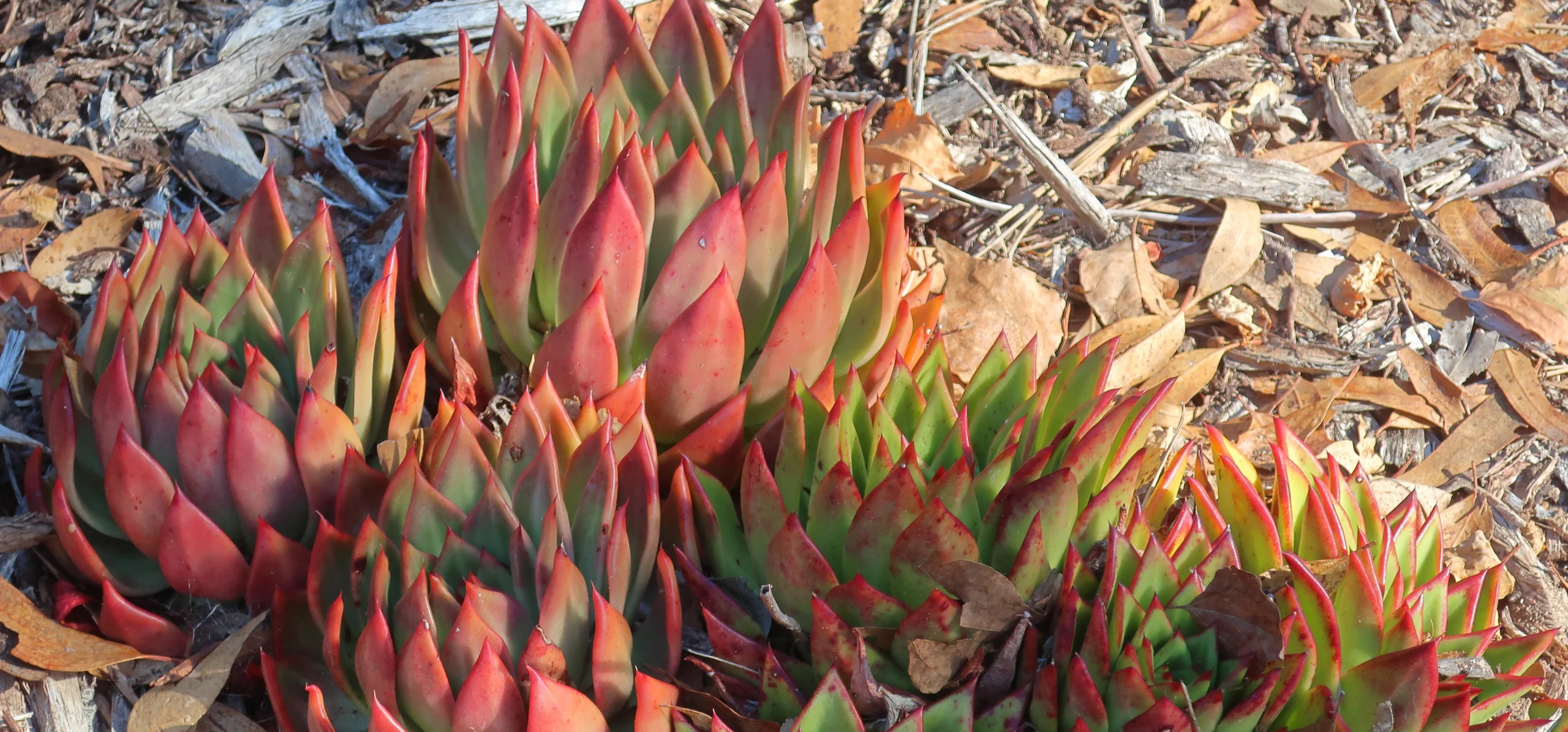
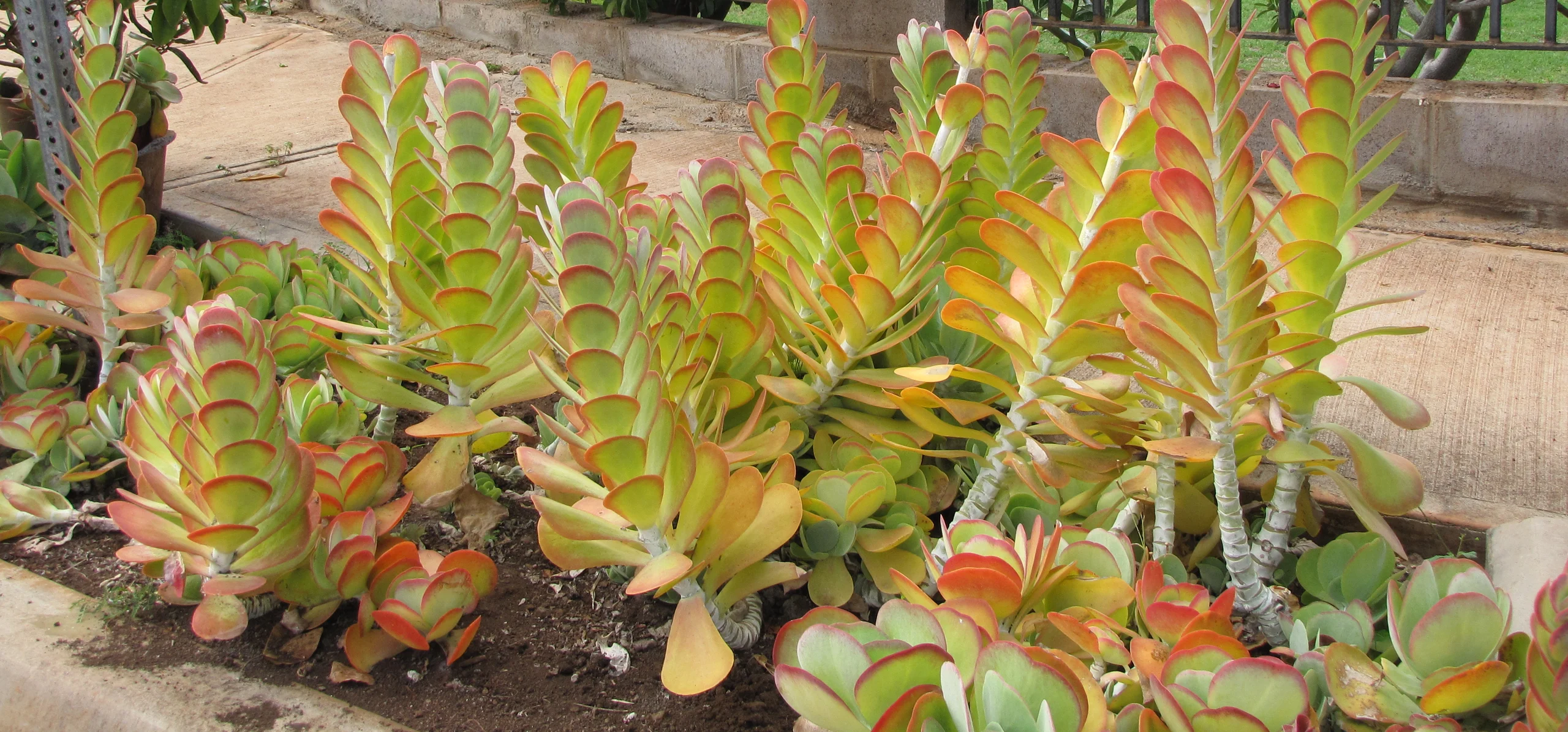
Kalanchoe thyrsiflora forms a tight rosette of flat, rounded leaves stacked in pairs, each one dusted with a white, chalky bloom that gives the whole plant a frosted look, the trait behind the common names paddle plant and flapjacks. In strong sun and cool weather the rim of each leaf blushes coral to deep red, while a plant kept warm and shaded stays a plain sage green with barely a hint of color. It wants the same treatment as most South African succulents: as much direct sun as you can give it, a gritty mix that drains fast, and long dry spells between waterings. The one surprise for new owners is that the whole rosette is built to flower once, on a tall spike, and then die back, handing off to offsets forming around its base.
Origin and the powdery bloom
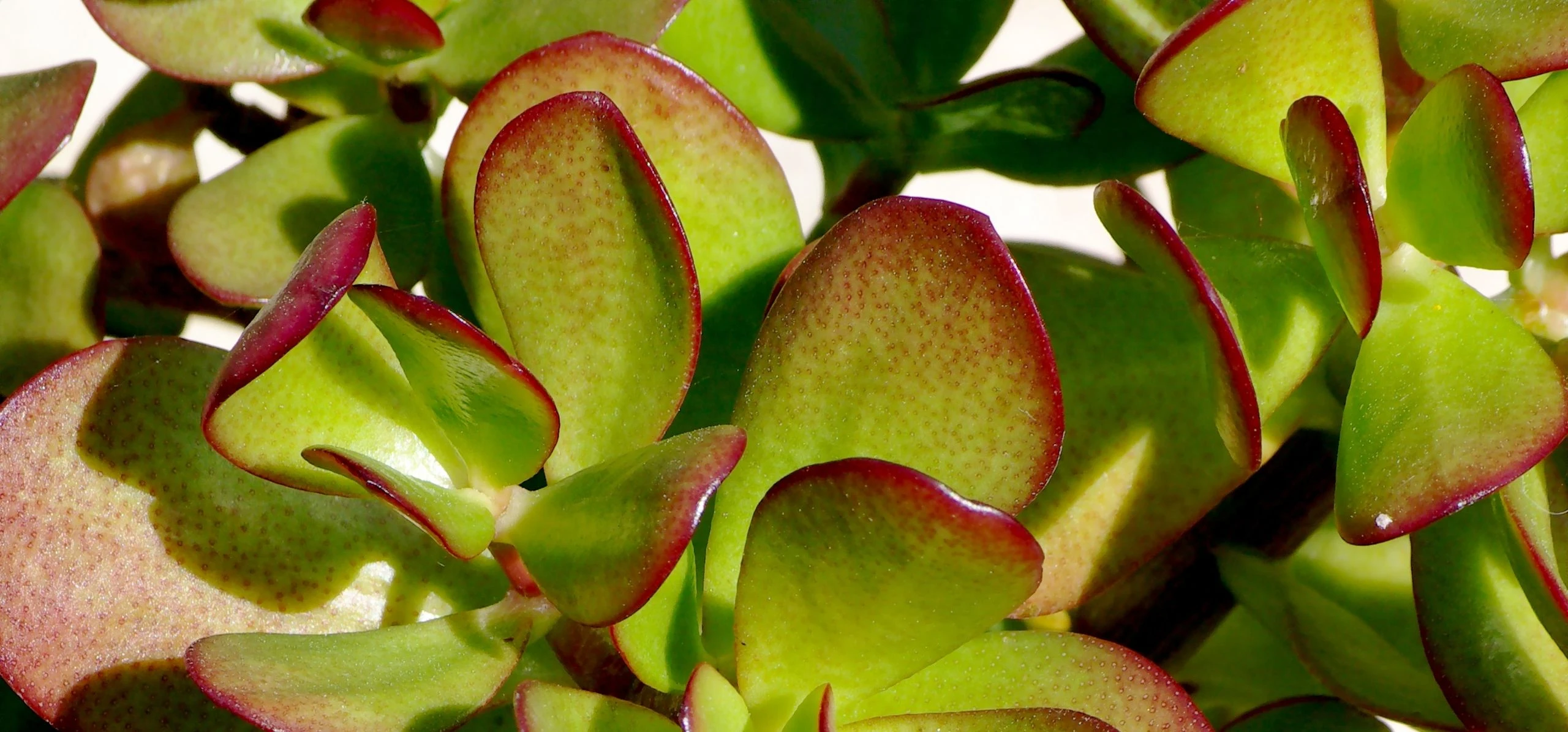
Kew's Plants of the World Online lists the native range of Kalanchoe thyrsiflora as South Africa, where it grows on dry, rocky, exposed ground rather than in humus-rich soil. The Missouri Botanical Garden describes it as a drought-tolerant member of the stonecrop family, Crassulaceae, with paddle-shaped, stalkless, gray-green leaves up to 6 inches (15 cm) long, covered in a white powdery bloom. That bloom, sometimes called farina, is a wax-like coating the plant produces itself; it reflects intense sun and slows moisture loss through the leaf surface, so a leaf wiped clean of it or scuffed by handling is left more exposed to sunburn and loses some of its natural protection.
Kalanchoe thyrsiflora or Kalanchoe luciae?
Most of the plants sold under the name Kalanchoe thyrsiflora in nurseries and online are actually Kalanchoe luciae, a closely related species tangled up with it in the trade decades ago. The two are easiest to tell apart by their coating and their flowers: true K. thyrsiflora carries a heavier, more uniform powdery bloom that mutes its red color even in strong sun, and it produces small, sweetly scented, greenish-yellow tubular flowers, a detail confirmed on the RHS plant record. K. luciae has a thinner coating that lets more red show through, especially at the margins, and its flowers are white with no scent. If a label just says paddle plant or flapjacks with no flower photo, treat the species name as unconfirmed; the care below applies to both, since they share the same habitat and grow the same way.
Light and placement
Give this plant as much direct sun as the setting allows, a south-facing windowsill indoors or a spot that gets sun most of the day outdoors in a warm climate; the RHS rates it for full sun and lists south, east or west aspects as suitable. Color tracks light closely: a rosette moved from bright glass into a shadier corner will green out within weeks as the red margin fades, while one given strong light and cool nights develops the deepest color. New leaves unfurl pale and folded at the center of the rosette and take a week or two to flatten out and pick up their coating and color, so judge a plant's light by its outer, mature leaves rather than the newest growth.


Soil and the soak-and-dry rule
Plant it in a loam or sand-based mix that drains quickly, a bagged cactus and succulent mix or a standard potting soil cut by half with coarse sand, pumice or perlite; the RHS lists loam and sand as suitable soil types and calls for sharp drainage regardless of pH. Water thoroughly until it runs from the drainage holes, then let the mix dry out completely before watering again, checking with a finger rather than a fixed schedule. Because the leaves store water, a thirsty plant pulls its outer leaves in tight and slightly wrinkled rather than wilting outright, while one watered too often develops soft, translucent patches or a mushy base, the more common and more serious mistake with this species.
The flower spike and the end of the rosette
A mature rosette sends up a thick flower stalk from its center that can reach around 1 m, according to the RHS, well above the basal rosette. The flowers themselves are small, tubular and sweetly scented, greenish-yellow, clustered along the upper part of the stem in spring. This is a monocarpic species: the rosette that produces the flower spike spends its reserves doing so and dies back afterward, sometimes over several weeks as the leaves dry and the stem browns from the top down. That is not a sign of disease or bad care, it is the expected end of that particular rosette's life, and offsets that have already formed at its base, or lower on the flowering stem, take over as the next generation.
Winter care and frost tenderness
This is not a frost-hardy plant. The RHS rates it H1B, meaning it needs protection once temperatures drop toward 10 to 15°C (50 to 59°F), so in any climate with real winter cold it has to come indoors or into a greenhouse before the first frost. Indoors over winter, keep it in the brightest spot available and water more sparingly than in summer, since cool temperatures and low light both slow the plant down and make it easier to overwater by accident. A plant that has spent the summer outdoors in strong sun should be brought back to a dimmer indoor spot gradually, the same way it would be reintroduced to sun in spring, so the leaves have time to adjust rather than scorching or bleaching.
Propagation from offsets and leaves
Offsets that form around the base of the rosette, or along the lower part of a spent flower stem, are the most reliable way to propagate this species; the RHS lists seed and offsets as its usual propagation methods. Let an offset grow to a reasonable size with its own small root system before separating it, then pot it into the same gritty mix used for the mature plant. Leaf cuttings work too, though less predictably than with thinner-leaved succulents: twist a healthy leaf free at its base in one motion, let the wound callus for a few days out of direct sun, then rest it flat on dry mix without burying it. Rooting from a leaf takes patience and not every leaf strikes, so offsets remain the faster, more dependable route whenever the plant is producing them.
Mealybugs, common mistakes and toxicity
Mealybugs are the main pest to watch for, hiding in the tight space between overlapping leaf pairs near the crown; a cotton swab dipped in isopropyl alcohol wiped directly onto the white, cottony clusters kills them on contact, with a repeat treatment a week later for a bad infestation. The RHS also notes occasional trouble with aphids, powdery mildew and rust. The most common mistake is watering on a fixed schedule through a cool or cloudy stretch, which rots the base before the leaves show stress; the second is leaving the plant in low light and then wondering why its color has faded to plain green. The ASPCA lists Kalanchoe as toxic to both cats and dogs, with bufadienolide compounds behind signs like vomiting, diarrhea and, rarely, an abnormal heart rhythm, so keep it out of reach of pets that chew on houseplants.
Test your plant knowledge
Tap a card to flip it and reveal the answer.
Full sun and cool nights bring out the reddest color in the paddle plant's leaf margins. Tap to reveal ✓ True
Soak-and-dry watering means keeping the potting mix constantly damp. Tap to reveal ✕ False
Most plants labeled Kalanchoe thyrsiflora in nurseries are genetically true to that species. Tap to reveal ✕ False
After its rosette flowers, that same rosette usually dies back while offsets keep growing. Tap to reveal ✓ True
Kalanchoe thyrsiflora tolerates outdoor frost without any protection. Tap to reveal ✕ False
Sources
References consulted for this guide
- GBIF - Kalanchoe thyrsifloragbif.org
- Plants of the World Online (Kew) - Kalanchoe thyrsiflorapowo.science.kew.org
- RHS - Kalanchoe thyrsiflorarhs.org.uk
- Missouri Botanical Garden - Kalanchoe thyrsiflora 'Flapjacks'missouribotanicalgarden.org
- ASPCA - Kalanchoeaspca.org
- Reference entity : Wikipédiaen.wikipedia.org