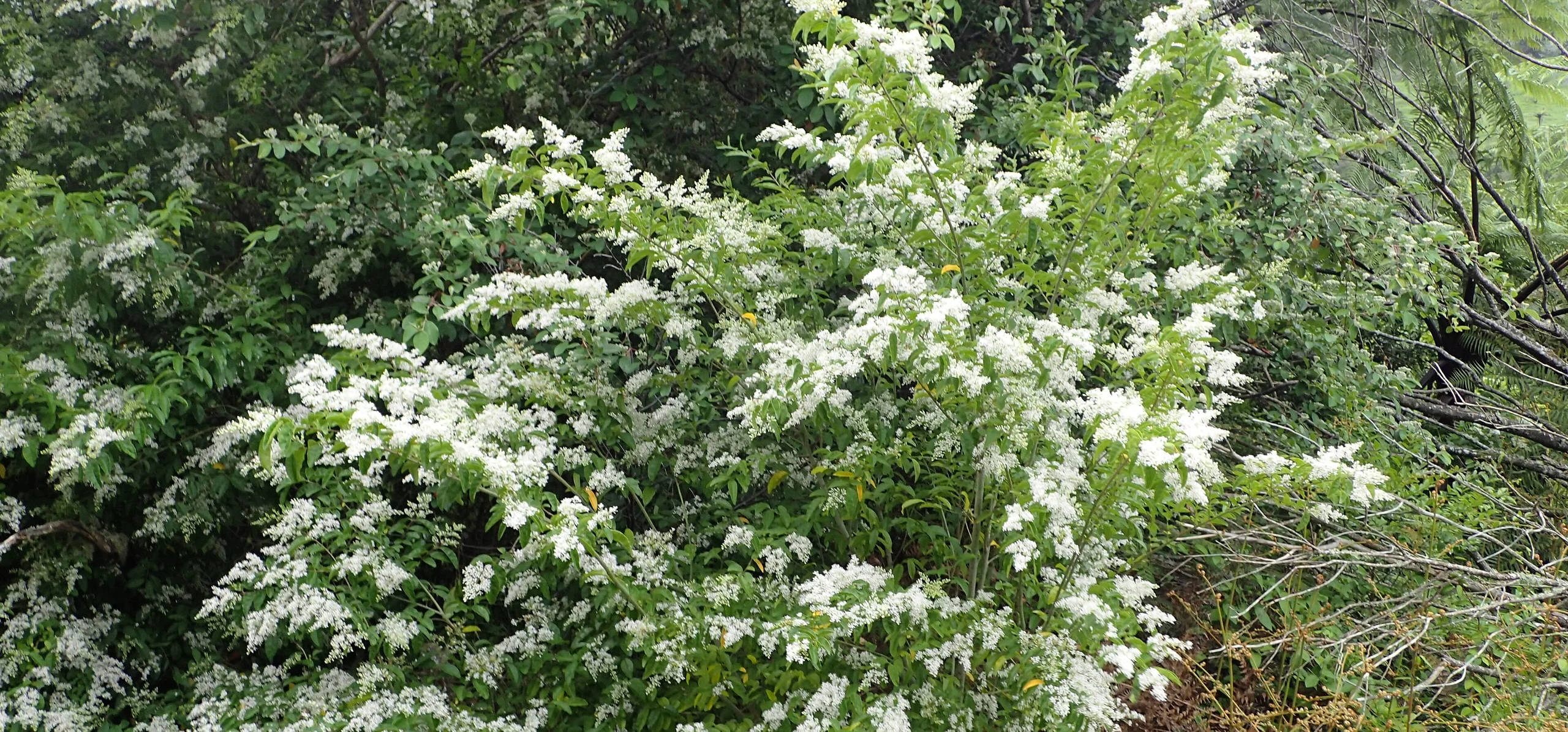
Chinese Privet
Ligustrum sinense
Family · Oleaceae
Chinese privet grows fast in almost any soil, which is exactly why it has become a hedge you may need to control rather than one to plant on purpose.
Ligustrum sinense
Plant profile
- WateringModerateWater every 10 days
- Light exposurePartial sun
- Hardiness zoneUSDA 6–9
Growth
- Family
- Oleaceae
- Life cycle
- Perennial
- Growth speed
- 7/10
- Mature size
- 198–457 cm
- Spread
- 305–457 cm
- Propagation
- Seed
- Cutting
- Division
FloweringFetid-smelling white flower clusters in late spring, followed by black drupes in summer
Dormancyevergreen to semi-evergreen, may lose some leaves in colder winters within its hardiness range
Soil
- Soil types
- Tolerates poor and alkaline soil (pH above 8.0)
Light & Placement
- Origin
- China, extending to Vietnam and Taiwan
- Where to place it
- hedgerow or property-line screen
- informal shrub border with room to contain spread
Safety
- Toxicity
- HumansToxic
Invasive speciesclassified as invasive across the southeastern United States; spreads by bird-dispersed seed and by resprouting from cut stems, stumps, and roots, forming dense thickets in bottomland forests and woodland edges that crowd out native vegetation
Data fromGBIF Backbone Taxonomy: Ligustrum sinensPlants of the World Online (Kew): LigustNC State Extension Gardener Plant ToolboMississippi State University Extension: UF/IFAS Landscape Plant Propagation Info
Where it grows
World distribution
Chinese Privet is native to 3 countries: China, Taiwan, and Vietnam.GBIF records 58,575 documented identifications across 59 countries, with the largest concentrations in United States, Australia, and China.
- China
- Taiwan
- Vietnam
Yellow to orange dots: concentration of documented identifications per country. Green countries: sourced native range. Source: GBIFNative range from POWO (Kew).
If a fast, dense shrub with small glossy leaves and clusters of white flowers showed up on your property line or along a creek bank, there is a good chance it is Ligustrum sinense, Chinese privet. It was brought into cultivation as a cheap, tough hedge plant, and it is still tough: it roots wherever a stem touches soil, resprouts hard after cutting, and tolerates soil most other shrubs refuse. That same toughness is why it now dominates the shrub layer of bottomland forests across the southeastern United States, and why most extension services list it as one of the region's worst woody invasives rather than a plant to buy.
Where It Comes From and How It Got Everywhere
Chinese privet is native to China, extending to Vietnam and Taiwan. It was introduced to North America and other temperate regions as an ornamental hedge and screening plant, prized for a growth habit that fills in fast and shrugs off shearing. That same vigor let it escape gardens: birds eat the black summer fruit and carry seed into woodland edges and streambanks, while cut or damaged stems throw up new shoots from the base and roots. Decades of that combination have made it one of the top invasive woody plants across Alabama, Georgia, and neighboring states, where it forms thickets so dense that little else germinates underneath.
Telling It Apart from Other Privets
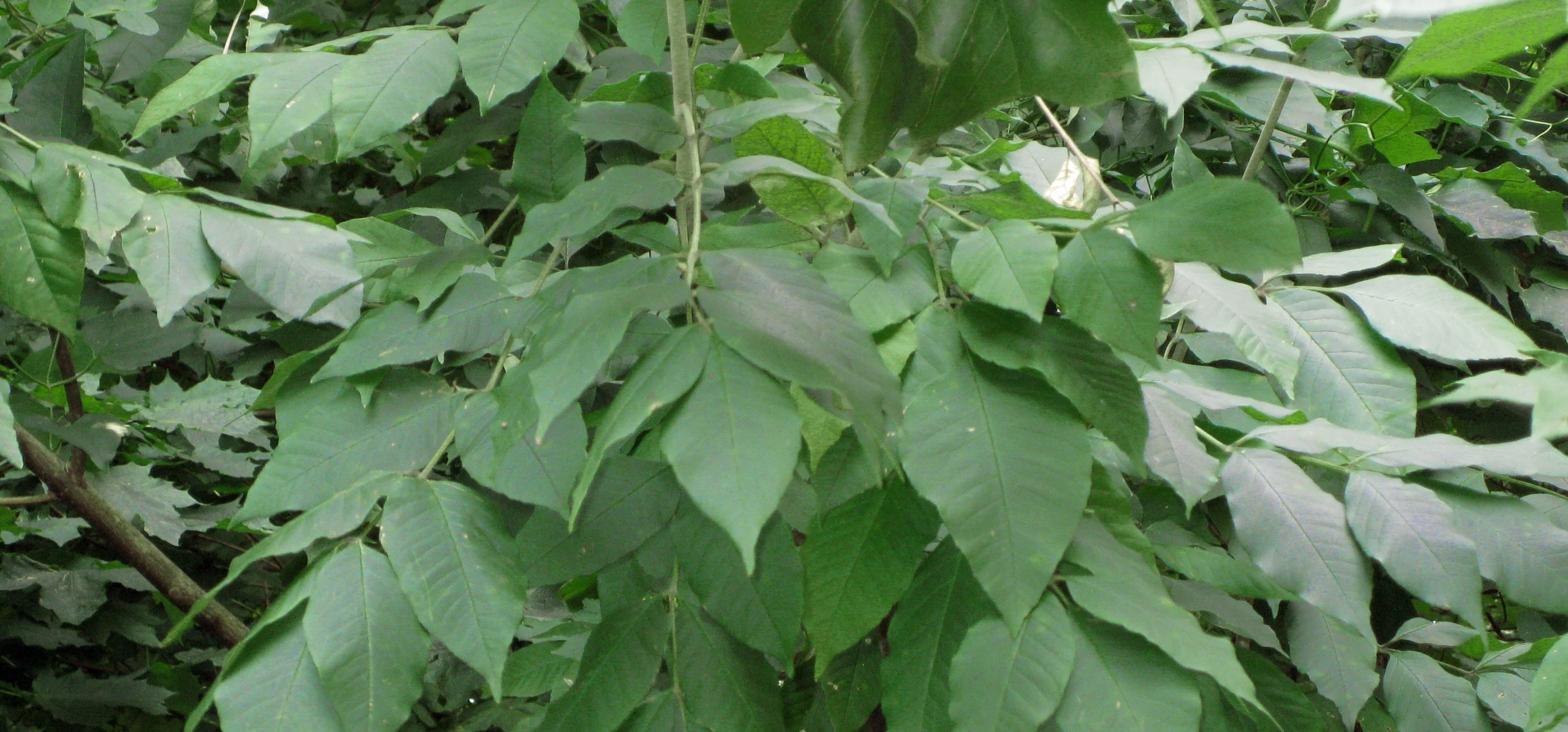
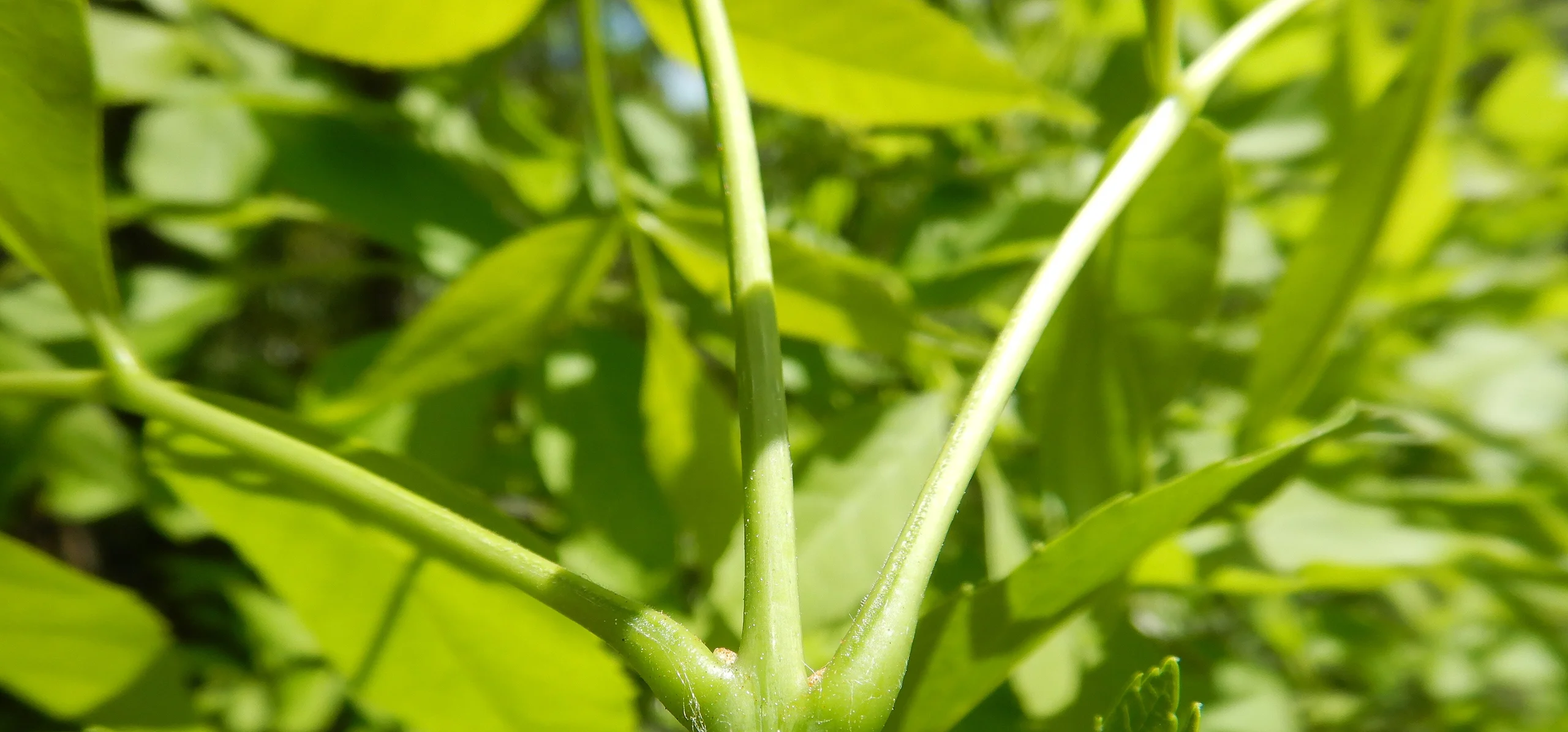
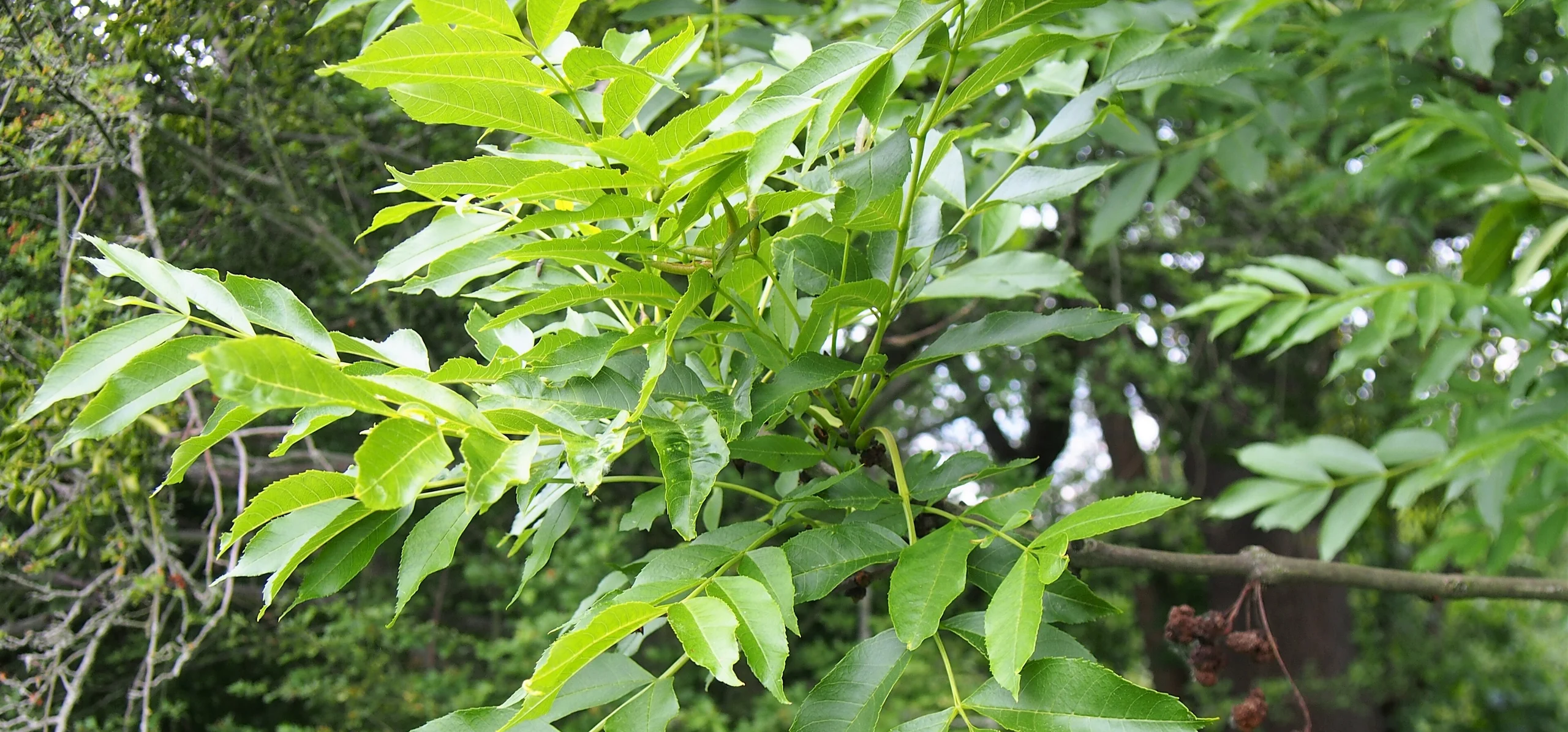
Several Ligustrum species get sold and confused under the common name "privet," and telling them apart matters because control advice and toxicity data differ by species. Chinese privet has opposite, elliptic to oblong leaves 1 to 3 inches long with a papery, smooth texture and a hairy midvein on the underside, a detail worth checking with a hand lens. Its stems are gray-yellow and noticeably hairy (pubescent) with conspicuous lenticels, unlike the smoother stems of common privet (Ligustrum vulgare) or the thicker, glossier leaves of glossy privet (Ligustrum lucidum). Flower clusters are small, dense panicles 2 to 3 inches long at the branch tips, carrying an odor most people find unpleasant rather than sweet, one more field mark once you have smelled it once.


Light and Where It Ends Up Growing
This is not a shrub that needs a carefully chosen spot, which is part of the problem. It grows equally well in full sun, partial shade, and dappled shade under a forest canopy, which lets it establish along the shaded edges of woodlots as easily as in an open hedgerow. If you are managing an existing planting rather than starting a new one, that flexibility means shade alone will not slow it down, only removal will.
Soil and Watering
Chinese privet is rated poor-soil tolerant and alkaline-soil tolerant, handling pH above 8.0 without the chlorosis that stops many other shrubs. In the wild it favors bottomland forests, fencerows, and the transition zones between open and wooded ground, sites with reliably moist soil for at least part of the year, yet it also holds up in average garden soil once established. There is no published watering schedule for it as a landscape plant because it rarely needs one: treat it as adaptable to both consistently moist ground and ordinary garden conditions rather than a shrub that needs a drought-tolerance regime.
Growth Rate and Pruning
Growth rate is rated rapid and overall maintenance high, a combination that explains both why it made a popular hedge and why it is hard to keep in bounds. Left untrimmed it reaches roughly 6.5 to 15 feet tall and 10 to 15 feet wide, with multiple stems forming a mounded, spreading habit. If you are maintaining an existing hedge, expect to cut it back hard on a regular schedule; because it resprouts vigorously from cut wood and from the roots, pruning alone will shape it but will not eliminate it; removing seed heads before they ripen at least limits how far it can spread from that particular plant.
Flowers, Fruit, and the Birds That Spread It
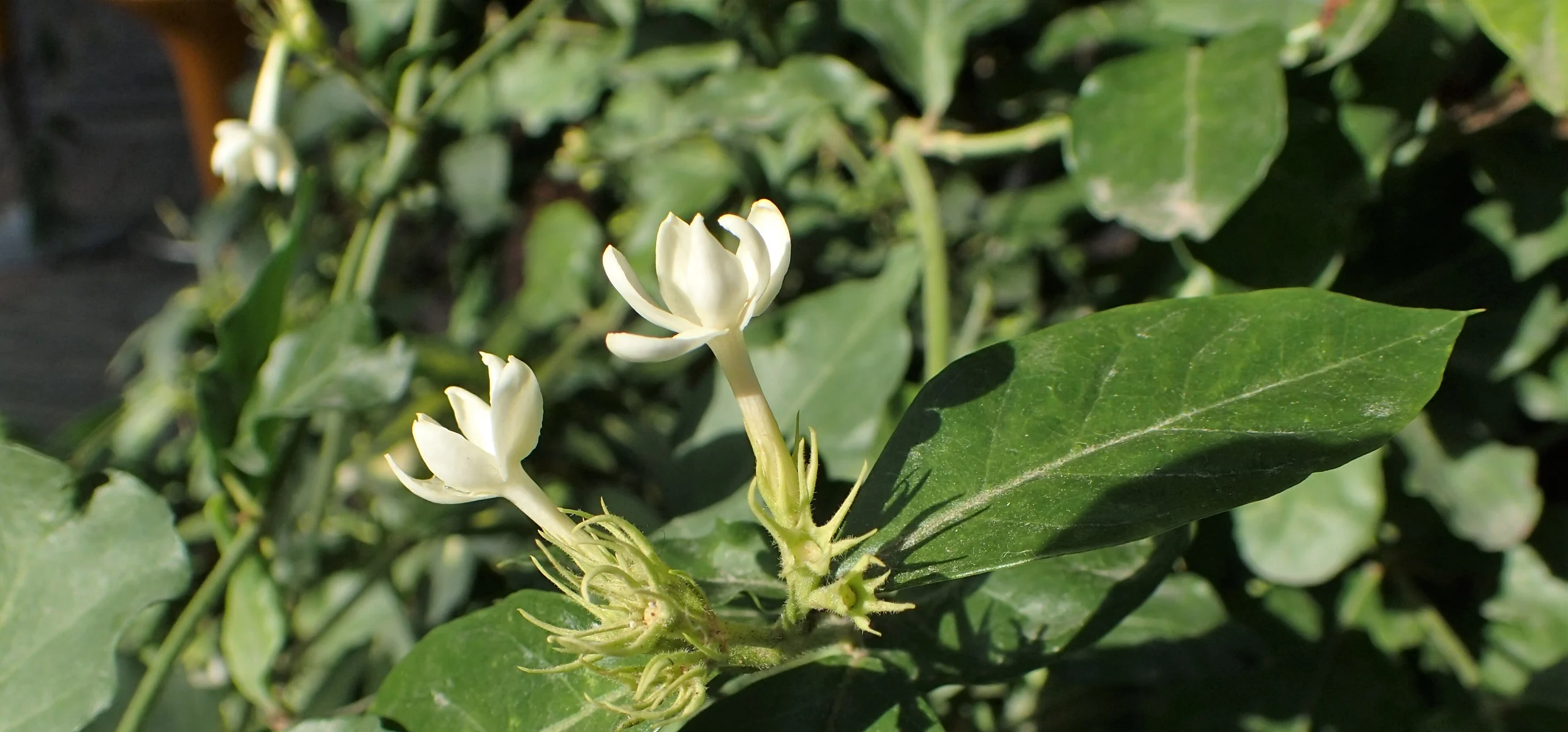
Small, four to five-petaled white flowers open in terminal panicles in late spring, and while the display is showy at a distance, up close the scent is distinctly unpleasant rather than fragrant, a trait NC State Extension describes plainly as "fetid." Flowers give way through summer to clusters of small black, semi-fleshy drupes that resemble tiny olives. Birds eat these readily and disperse the seed widely, which is the primary way Chinese privet colonizes new ground far from the parent shrub, in addition to spreading locally by root and stump sprouts.
Why Most Extensions Recommend Against Planting It
Chinese privet is classified as invasive across the southeastern United States and ranked among the worst weeds in states like Alabama and Georgia. Once established along a stream or in a bottomland forest, it forms a dense shrub layer that crowds out native seedlings and shifts the whole understory to a single species. Control on invaded land typically combines mechanical removal, hand-pulling seedlings or cutting stems before they set seed, with herbicide applied to cut stumps or as a foliar spray (glyphosate, triclopyr, and imazapyr are commonly used), and in some programs, targeted goat grazing. If you are choosing a hedge plant today rather than managing one you inherited, most university extensions now steer gardeners toward non-invasive alternatives instead of Chinese privet.
Handling the Berries and Toxicity
The ASPCA does not carry a listing specifically for Ligustrum sinense, so no confirmed cat, dog, or horse toxicity status exists for this exact species, though other privets in the genus are listed as toxic to pets and caution around the berries is sensible regardless. For people, NC State Extension rates the fruit and leaves as low-severity poisonous, capable of causing digestive upset if eaten in quantity. Keep an eye on small children around a fruiting hedge, and treat any resprouting stump you are trying to remove as a plant to cut and dispose of rather than compost, since chopped stem sections can root on their own.
Test your plant knowledge
Tap a card to flip it and reveal the answer.
Chinese privet is native to China, Vietnam, and Taiwan. Tap to reveal ✓ True
Chinese privet only grows well in full sun and struggles in shade. Tap to reveal ✕ False
Cutting Chinese privet stems to the ground usually kills the plant. Tap to reveal ✕ False
Birds are a major way Chinese privet spreads into new areas. Tap to reveal ✓ True
The ASPCA has published a toxicity rating specifically for Ligustrum sinense. Tap to reveal ✕ False
Sources
References consulted for this guide
- GBIF Backbone Taxonomy: Ligustrum sinense Lour.gbif.org
- Plants of the World Online (Kew): Ligustrum sinense Lour.powo.science.kew.org
- NC State Extension Gardener Plant Toolbox: Ligustrum sinense (Chinese Privet)plants.ces.ncsu.edu
- Mississippi State University Extension: Chinese Privetextension.msstate.edu
- UF/IFAS Landscape Plant Propagation Information: Ligustrum sinense 'Variegatum'hort.ifas.ufl.edu
- Reference entity : Wikipédiaen.wikipedia.org