Wild Pansy
Viola tricolor
Family · Violaceae
Wild pansy wants full sun to part shade and soil that stays lightly moist. Covers deadheading, self-seeding, hardiness, pests and pet safety for Viola tricolor.
Viola tricolor
Plant profile
- WateringModerateWater every 7 days
- Light exposurePartial sun
- Hardiness zoneUSDA 2–9
Growth
- Family
- Violaceae
- Life cycle
- Biennial
- Growth speed
- 6/10
- Mature size
- 8–25 cm
- Spread
- 8–30 cm
- Flowering
- Spring through autumn
- Propagation
- Seed
- Division
- Cutting
Dormancymay die back to a low rosette in cold winters, especially where grown as a short-lived perennial
Time to maturity1-2 years to full size (RHS), often flowering within weeks of an early sowing
Soil & climate
- Soil pH
- pH 5.5–8
- Soil types
- clay, loam, sand, silt
- Drought tolerance
- No
Light & Placement
- Origin
- Europe to SW Siberia and NW Iran
- Where to place it
- cottage garden border
- rockery
- gravel path edge
- window box or container
- wildflower meadow
- shallow container or window box with peat-free, moisture-retentive but free-draining compost
Safety
- Toxicity
- CatsSafe
- DogsSafe
Invasive speciesself-seeds readily, up to about fifty seeds per capsule, and can naturalize in beds and paths, though it is not considered aggressive or invasive
Data fromRHS: Viola tricolor (heart's ease)Viola tricolor, GBIF Backbone TaxonomyASPCA: Fall Plants, Hazardous or HarmlesNorth Carolina State Extension: Viola tr
Where it grows
World distribution
Wild Pansy is native to 33 countries: Albania, Austria, Belarus, Belgium, Bulgaria, Croatia, Czechia, and Denmark….GBIF records 216,977 documented identifications across 102 countries, with the largest concentrations in Netherlands, Sweden, and United Kingdom.
- Albania
- Austria
- Belarus
- Belgium
- Bulgaria
- Croatia
- Czechia
- Denmark
- Estonia
- Faroe Islands
- Finland
- France
Show 21 more countriesShow fewer countries
- Georgia
- Germany
- Greece
- Hungary
- Iceland
- Iran
- Ireland
- Italy
- Kazakhstan
- Netherlands
- Norway
- Poland
- Romania
- Russia
- Spain
- Sweden
- Switzerland
- Tajikistan
- Türkiye
- Ukraine
- United Kingdom
Yellow to orange dots: concentration of documented identifications per country. Green countries: sourced native range. Source: GBIFNative range from POWO (Kew).
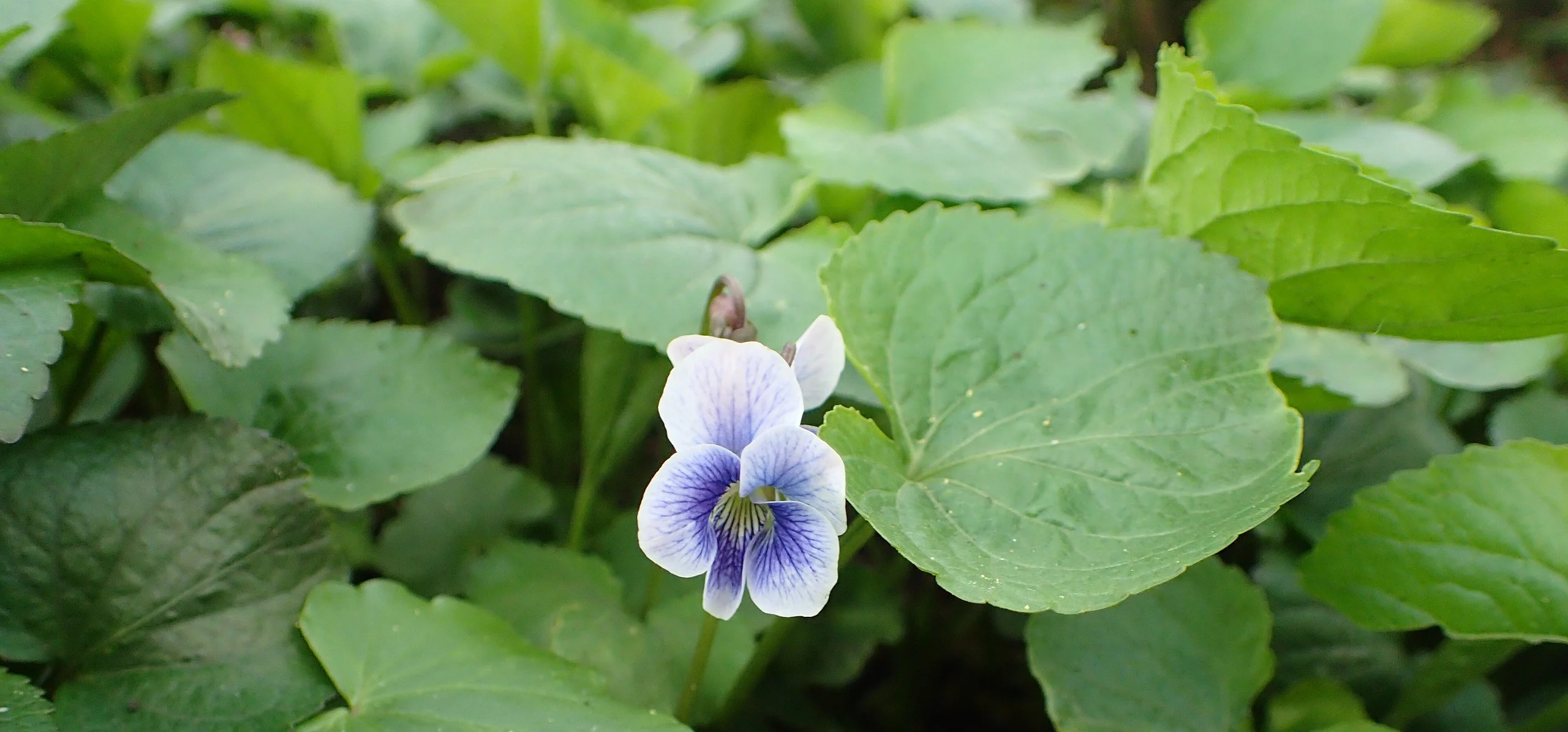
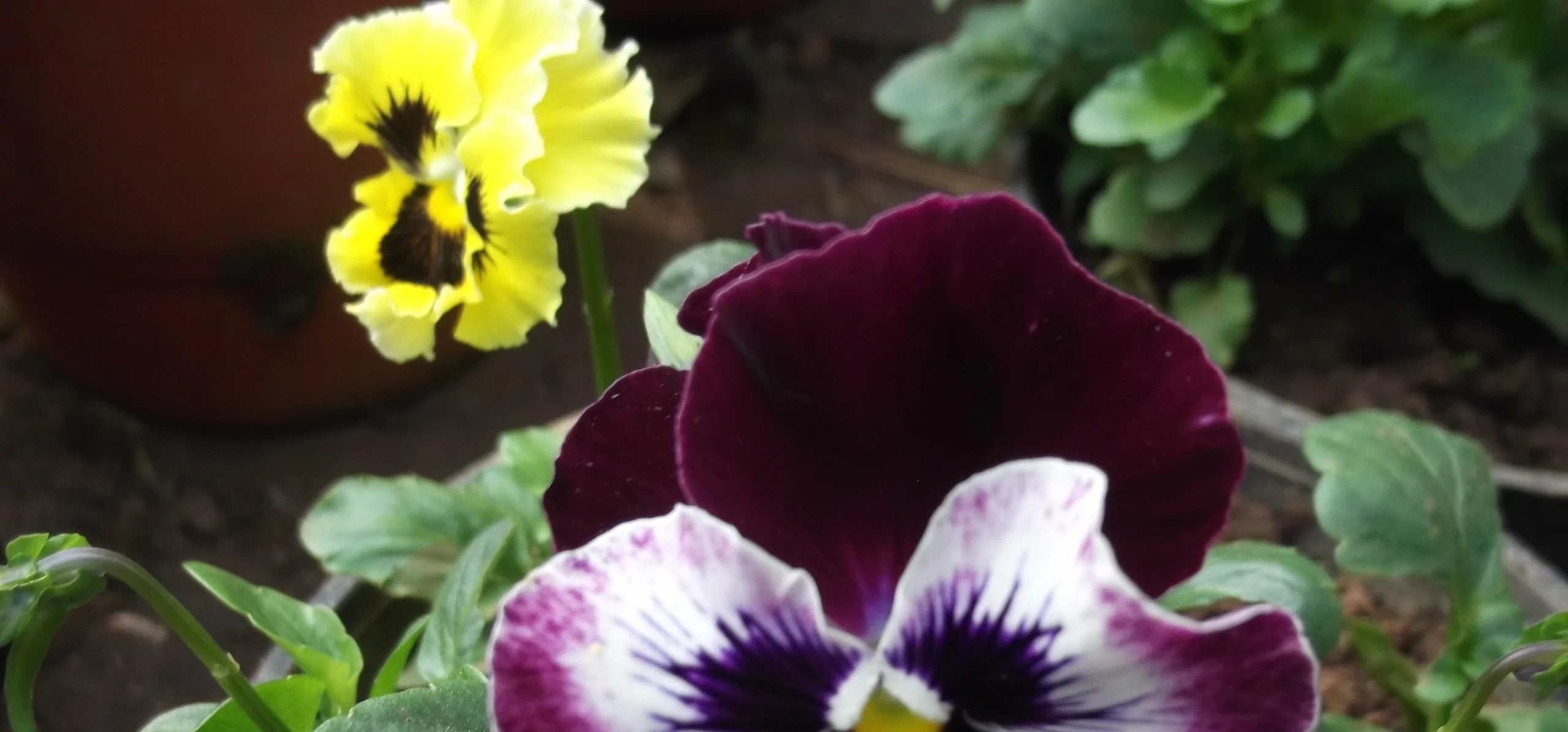
Viola tricolor is the small, wiry species behind the name heartsease, and it is not the same plant as the large-flowered bedding pansies, Viola x wittrockiana, sold in trays every spring. Each flower stays under about 2.5 cm across and carries three colours on five petals, typically a dark purple upper pair, pale purple or pale yellow middle petals and a dark yellow lower petal streaked into a whiskery face. It grows fast from seed and flowers within weeks, so if a pot came labelled wild pansy or Johnny jump-up, this is almost certainly it.
Heartsease Versus the Garden Pansy
The confusion runs deep because nineteenth-century breeders crossed Viola tricolor with other European violas to create the modern bedding pansy, and some seed packets still list pansy cultivars under the older name Viola tricolor var. hortensis. The true wild species stays smaller, self-seeds far more freely, and reverts to its three-colour pattern generation after generation, while F1 pansy hybrids need fresh seed or bedding plants each year to keep a chosen colour. If a plant is turning up in gravel cracks and along path edges on its own after the first season, that is the species at work, not a hybrid.
Light and Where to Plant It
Wild pansy grows in full sun or partial shade, needing at least a few hours of direct light to flower well but coping with dappled shade under deciduous shrubs. In hot inland summers, afternoon shade keeps the flowers from bleaching and extends the bloom into the warmer months; in cooler, cloudier climates full sun all day works without scorching the foliage. It suits cottage borders, rockeries, gravel paths and window boxes, anywhere its low, spreading habit can spill over an edge.
Soil and Watering
The RHS lists it as tolerant of acid, neutral and alkaline soils and of clay, loam and sand, and North Carolina State Extension adds silt to that list, so soil type rarely limits where it will grow. What it does not tolerate for long is drying out: heartsease wants soil that stays lightly moist through the growing season, particularly while it is in flower, unlike the Mediterranean herbs it sometimes gets planted alongside. Water once the top couple of centimetres of soil feel dry, checking more often for plants in containers or window boxes, which dry out faster than open ground.


Starting From Seed
Seed is the easiest route to a first planting, and division or stem cuttings work on established clumps for gardeners who want to keep a particular colour form. Sow in situ in spring or late summer, or start trays undercover a few weeks earlier for an early display; germination is quick at room temperature and seedlings raised early enough often flower the same season. The RHS records a maturity time of one to two years to reach full size, though the first flowers usually open well before that.
Deadheading to Keep It Flowering
Because it flowers over such a long window, from spring through summer and into autumn, deadheading matters more here than on a plant with one short flush. Pinch or snip off each flower as it fades and before the seed capsule swells; left alone, the plant channels its energy into ripening seed rather than opening new buds, and flowering tails off within a few weeks. Regular deadheading through the season keeps flowers coming until the first hard frosts.
Self-Seeding and Keeping It in Bounds
Each seed capsule holds around fifty seeds, and a single untended plant can fill a gravel path or border edge with seedlings within a year or two. That is a feature in a cottage garden, where volunteers filling gaps between paving stones is part of the look, but it also means deadheading is the main tool for controlling spread where self-sowing everywhere is not wanted. Seedlings transplant easily while small for anyone who would rather move volunteers to a new spot than pull them.
Pests, Disease and Winter
Aphids cluster on new growth in spring, and slugs and snails target seedlings and low foliage after rain, both worth checking for in wet weeks. Powdery mildew can appear on crowded plantings in still, humid air; wider spacing and watering in the morning rather than the evening reduce the risk. As an annual, biennial or short-lived perennial depending on climate and how it is grown, plants often die back to a low rosette over winter and resume growth in spring, particularly at the milder end of their range; in harsher winters it is simplest to treat it as an annual and let self-sown seedlings take over the following year.
Toxicity and the Edible Flowers
The ASPCA describes pansies of this type as non-toxic to pets, and Viola tricolor flowers are edible in small amounts, commonly used fresh as a garnish with a mild, faintly minty taste. Even so, no plant material should be treated as a food source for cats or dogs beyond the occasional nibble, and a pet that eats a large quantity and then seems unwell is still worth a call to a vet, regardless of the toxicity listing.
Test your plant knowledge
Tap a card to flip it and reveal the answer.
Viola tricolor typically grows as an annual, biennial, or short-lived perennial depending on climate. Tap to reveal ✓ True
Once established, wild pansy tolerates several weeks of drought like a Mediterranean herb. Tap to reveal ✕ False
Deadheading spent flowers keeps wild pansy blooming from spring into autumn. Tap to reveal ✓ True
The ASPCA lists Viola tricolor as toxic to cats and dogs. Tap to reveal ✕ False
A single Viola tricolor seed capsule can hold around fifty seeds. Tap to reveal ✓ True
Sources
References consulted for this guide
- RHS: Viola tricolor (heart's ease)rhs.org.uk
- Viola tricolor, GBIF Backbone Taxonomygbif.org
- ASPCA: Fall Plants, Hazardous or Harmless (pansies non-toxic to pets)aspca.org
- North Carolina State Extension: Viola tricolor (Wild Pansy) Plant Toolboxplants.ces.ncsu.edu
- Reference entity : Wikipédiaen.wikipedia.org