Spineless Yucca
Yucca gigantea
Family · Asparagaceae
How to grow Yucca gigantea (the spineless yucca): full sun, fast-draining soil, deep infrequent watering, hardiness limits, and its true botanical name.
Yucca gigantea
Plant profile
- WateringLittleWater every 14 days
- Light exposurePartial sun
Growth
- Family
- Asparagaceae
- Life cycle
- Perennial
- Growth speed
- 4/10
- Mature size
- 800–1200 cm
- Spread
- 400–800 cm
- Flowering
- Creamy-white flower spikes to 1 m, summer to autumn on mature plants; rare indoors
- Propagation
- Cutting
- Offsets
- Seed
DormancyEvergreen; growth slows in winter, no true dormancy
Time to maturity20 to 50 years to full outdoor size
Soil & climate
- Soil types
- sand, loam
- Drought tolerance
- Yes
Light & Placement
- Origin
- Central Mexico to Central America
- Where to place it
- Bright room with some direct sun
- Sunny conservatory
- South- or west-facing bed, sheltered from wind
- Sunny patio, moved under cover before frost
- Terracotta pot with a drainage hole
- John Innes No. 2 potting mix with added grit
Safety
- Toxicity
- CatsToxic
- DogsToxic
- HorsesToxic
Data fromGBIF Backbone Taxonomy: Yucca gigantea LPlants of the World Online (Kew): Yucca RHS: Yucca elephantipes (spineless yuccaMissouri Botanical Garden Plant Finder: ASPCA: Toxic and Non-Toxic Plants, Yucca
Where it grows
World distribution
Spineless Yucca is native to 7 countries: Belize, Costa Rica, Guatemala, Honduras, Mexico, Nicaragua, and Panama.GBIF records 1,874 documented identifications across 51 countries, with the largest concentrations in United States, Mexico, and Colombia.
- Belize
- Costa Rica
- Guatemala
- Honduras
- Mexico
- Nicaragua
- Panama
Yellow to orange dots: concentration of documented identifications per country. Green countries: sourced native range. Source: GBIFNative range from POWO (Kew).
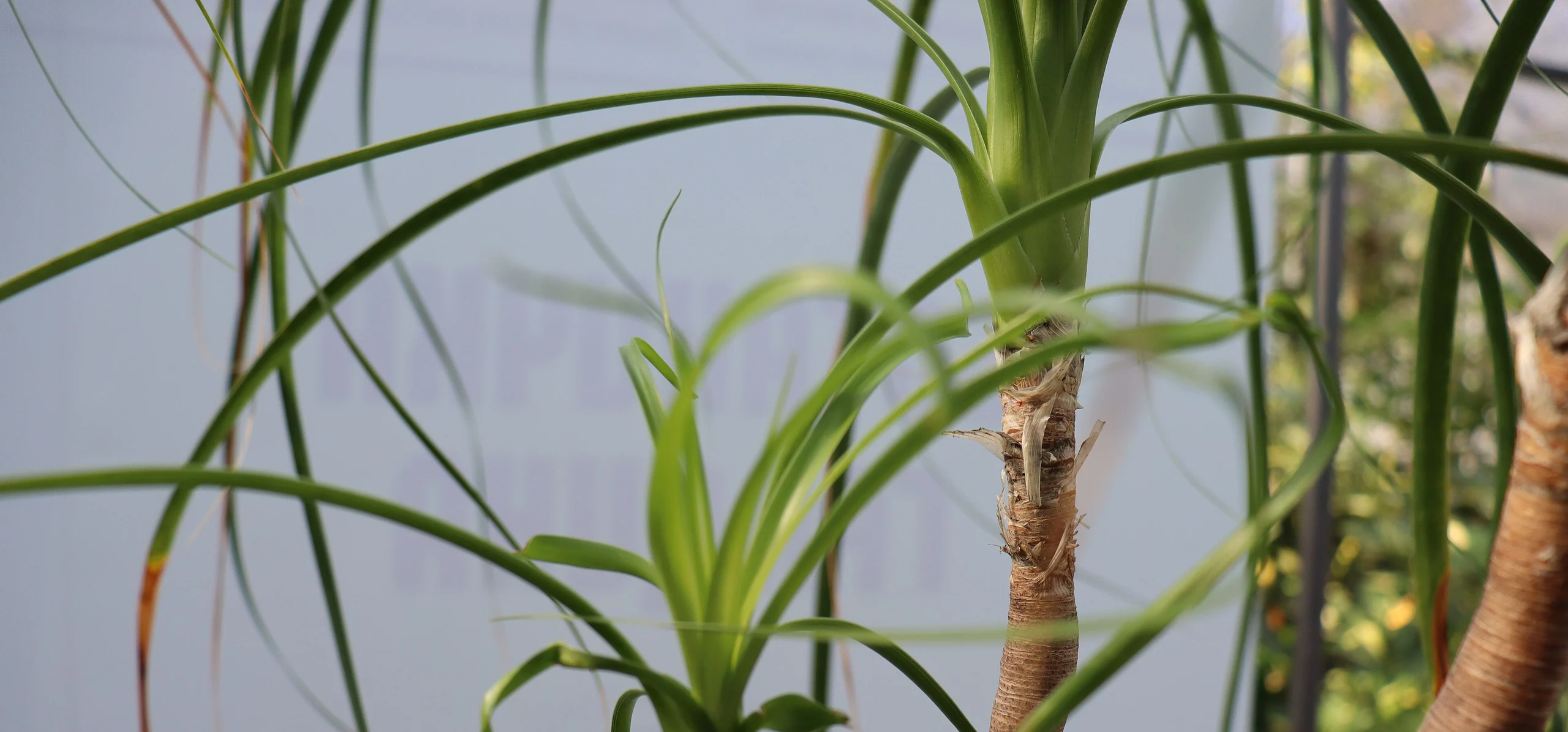
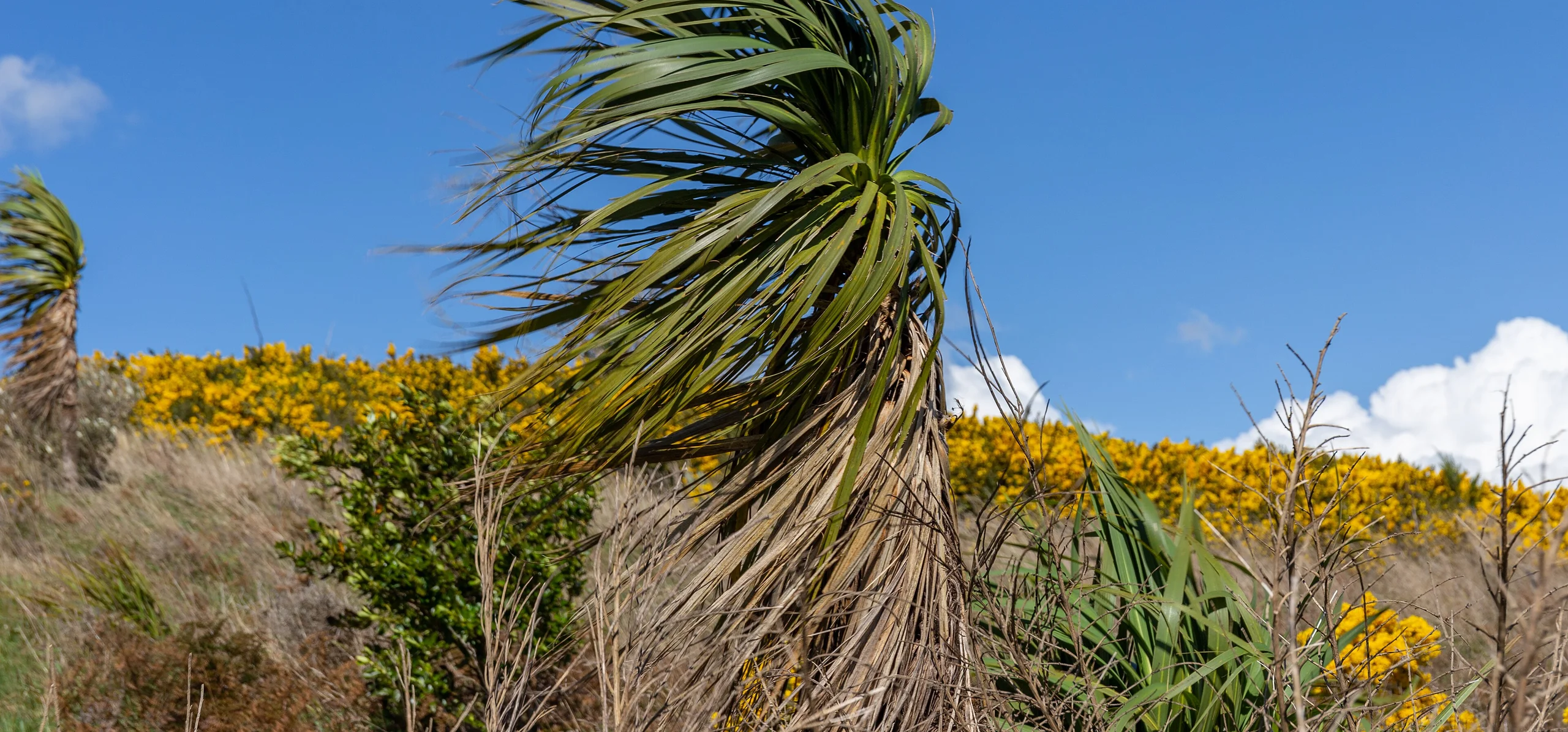
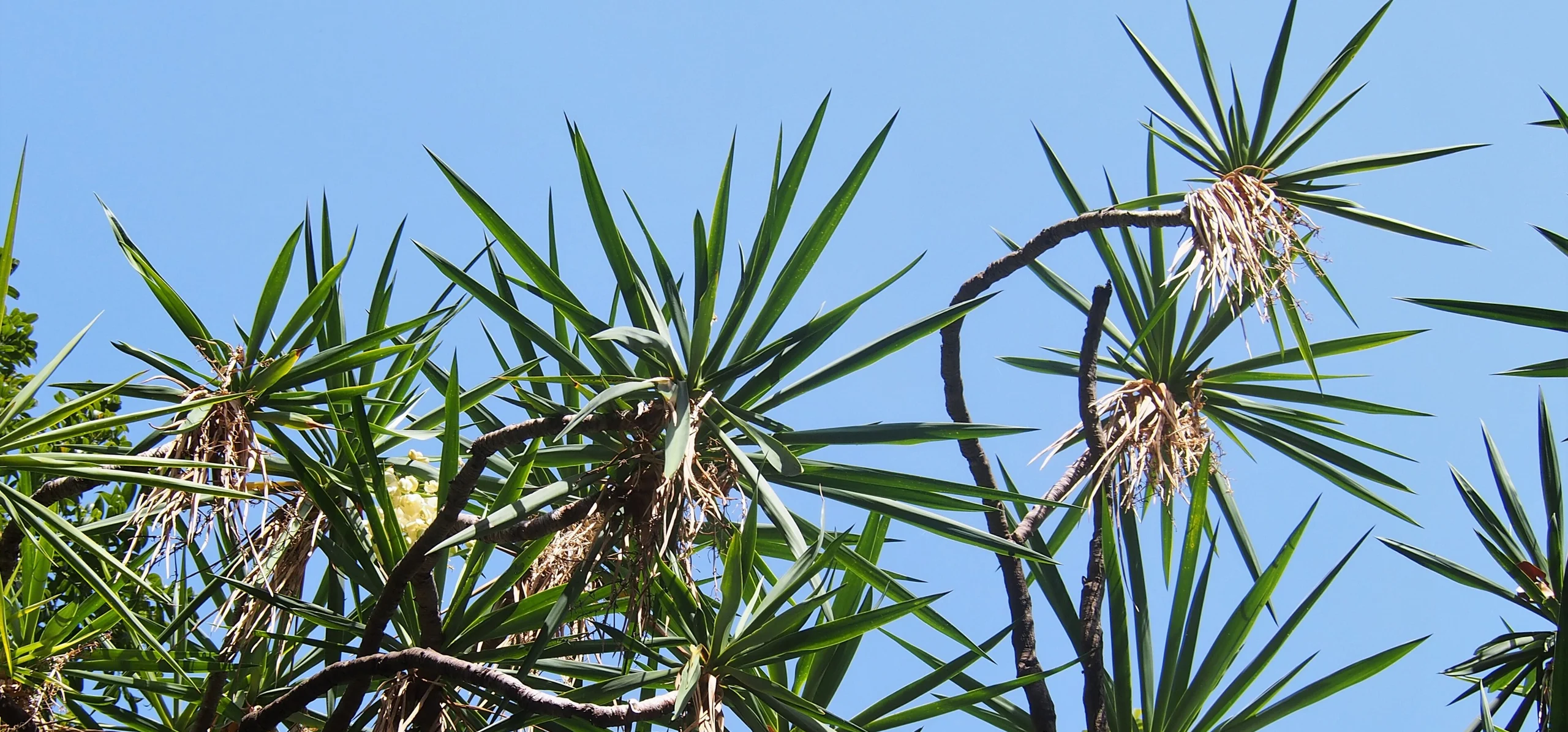
Yucca gigantea is the tree-like plant sold almost everywhere as "Yucca elephantipes" or "yucca cane": one or several woody, cane-like stems topped with rosettes of arching, sword-shaped leaves that, unlike most yuccas, carry no sharp spine at the tip. It survives long stretches of neglect because it stores water in its thick stem and roots, and it declines for the opposite reason, constant watering and dim corners. Give it strong light and a pot that drains fast and it asks for very little else.
The name on the label is wrong: gigantea, not elephantipes
Nurseries almost universally sell this plant as Yucca elephantipes, but GBIF's accepted taxonomy lists Yucca elephantipes Regel as a synonym of Yucca gigantea Lem., the name published first and therefore the valid one under botanical priority rules. The Missouri Botanical Garden goes further and describes elephantipes as an illegitimate name outright. Other synonyms still turning up on older plant tags include Yucca guatemalensis and Sarcoyucca elephantipes. None of this changes how the plant is grown, but it explains why the same species appears under three or four different names depending on where it was bought.
In the wild, Plants of the World Online (Kew) records its native range as central Mexico south through Central America, where it grows as a tree in seasonally dry tropical habitat. That climate, long dry spells followed by a wet season, explains most of its indoor behaviour: it is built to coast through drought and to put on a growth spurt once water finally arrives.
Light and placement
Outdoors, the RHS rates this species for full sun with a south- or west-facing, sheltered aspect. Indoors, the closest equivalent is the brightest spot in the room, a south- or west-facing window with at least some direct sun for part of the day. In low light the cane stretches and the rosette thins, with new leaves arriving soft and drooping instead of standing upright; that sagging look is the plant signalling a need for more light, not more water. Turn the pot a quarter turn every few weeks so the crown does not lean permanently toward the glass.
Soil and potting
Both the RHS and the Missouri Botanical Garden specify a sandy, loam-based mix that drains within seconds of watering, not a moisture-retentive compost. The RHS recipe for container specimens is John Innes No. 2 with an extra 20 to 30 percent grit or coarse sand added for drainage. A pot with a generous drainage hole matters more than the exact soil brand: standing water at the base of the root ball is the fastest way to kill this plant. Repot only when roots fill the container and begin circling, moving up one pot size in spring.


Watering
This is a drought-tolerant plant by both RHS and Missouri Botanical Garden accounts, and it should be watered like one: thoroughly, then left alone until the top layer of soil is dry to the touch. Water freely through the growing season from spring into early autumn, then cut back hard once temperatures drop; most winter problems trace back to soil kept damp in low light and cool air. Crisp, brown lower leaves point to underwatering or simply old age, since lower leaves shed naturally as the cane grows. Sudden yellowing across the plant is the classic overwatering symptom, and it is worth tipping the plant out of its pot to check for soft, blackened roots if it appears.
Feeding
Feed container-grown plants with a balanced liquid fertiliser roughly every two weeks from April to September, following RHS guidance, and stop completely once growth slows in autumn. Fertiliser applied over winter, when roots are not actively taking up water, tends to sit in the compost as salt rather than being used, which shows up later as scorched leaf tips.
Hardiness and overwintering
The RHS rates this species H2: tolerant of low temperatures down to around 1 to 5 degrees Celsius, but not surviving an actual freeze. The Missouri Botanical Garden lists it as reliable in the open ground only from USDA zone 9 upward; further north it is a container and conservatory plant that can summer outside and must return under cover before the first frost. If it spends summer outdoors, introduce it to full sun gradually over a week or two, since leaves that spent months under a roof or grow light will scorch in sudden midday sun.
Pruning and propagation
Pruning is rarely needed beyond removing damaged leaves and spent flower spikes in spring, according to the RHS. On mature plants, flower spikes up to a metre long appear in summer and autumn, carrying large numbers of hanging, creamy-white blooms, though flowering is uncommon on plants kept indoors. If a cane has outgrown the room, cut it back by roughly half in spring; the stump usually reshoots below the cut, and the severed top is the easiest way to propagate the plant. RHS guidance calls for 20 to 25 cm stem cuttings rooted in sandy compost, ideally with bottom heat of at least 18 degrees Celsius. Basal offsets, small rosettes that sometimes form at the base of an outdoor plant, can be separated in March or April, left to callus for a couple of days, and potted separately. Seed germinates too, at 19 to 24 degrees Celsius after a 24-hour soak, but it is by far the slowest route to a usable plant.
Pests, disease and toxicity
Aphids on the flower spikes and snails on the leaves are the pests the RHS flags most often outdoors, and a fungal leaf spot can appear on stressed plants. Indoors, dry, centrally heated rooms favour spider mites instead. On toxicity, the ASPCA lists the genus Yucca as toxic to dogs, cats and horses: the toxic principle is saponins, and it causes vomiting in dogs and cats, and liver disease with dermatitis in horses. Keep it out of reach of pets that chew on foliage.
Test your plant knowledge
Tap a card to flip it and reveal the answer.
The name Yucca elephantipes seen on most plant tags is a synonym; the accepted botanical name is Yucca gigantea. Tap to reveal ✓ True
Unlike most yucca species, Yucca gigantea has no sharp spine at the leaf tip. Tap to reveal ✓ True
Yucca gigantea should be watered on a strict daily schedule to thrive. Tap to reveal ✕ False
Yucca gigantea can survive being frozen outdoors without damage. Tap to reveal ✕ False
The ASPCA lists yucca as toxic to dogs, cats and horses. Tap to reveal ✓ True
Sources
References consulted for this guide
- GBIF Backbone Taxonomy: Yucca gigantea Lem.gbif.org
- Plants of the World Online (Kew): Yucca gigantea Lem.powo.science.kew.org
- RHS: Yucca elephantipes (spineless yucca)rhs.org.uk
- Missouri Botanical Garden Plant Finder: Yucca elephantipesmissouribotanicalgarden.org
- ASPCA: Toxic and Non-Toxic Plants, Yuccaaspca.org
- Reference entity : Wikipédiaen.wikipedia.org