Red Maple
Acer rubrum
Family · Sapindaceae
Red maple (Acer rubrum) wants moist, slightly acid soil: alkaline ground triggers chlorosis. Covers siting, watering, pruning, and toxicity to horses.
Acer rubrum
Plant profile
- WateringHighWater every 7 days
- Light exposurePartial sun
- Hardiness zoneUSDA 3–9
Growth
- Family
- Sapindaceae
- Life cycle
- Perennial
- Growth speed
- 6/10
- Mature size
- 1200–2100 cm
- Spread
- 900–1500 cm
- Flowering
- March to April, before the leaves; red or yellow flowers
- Propagation
- Seed
- Cutting
- Grafting
Dormancydeciduous, leafless in winter
Soil & climate
- Soil types
- well-drained, wet
- Drought tolerance
- Yes
Light & Placement
- Origin
- Eastern Canada to central and eastern United States
- Where to place it
- shade tree
- street tree
- rain garden
Safety
- Toxicity
- CatsSafe
- DogsSafe
- HorsesToxic
Data fromAcer rubrum, GBIF Backbone TaxonomyPOWO: Acer rubrum L. (Plants of the WorlASPCA: Red Maple toxicity to pets and hoMissouri Botanical Garden: Acer rubrum PUniversity of Illinois Extension: Red Ma
Where it grows
World distribution
Red Maple is native to 2 countries: Canada and United States.GBIF records 147,562 documented identifications across 39 countries, with the largest concentrations in United States, Canada, and Germany.
- Canada
- United States
Yellow to orange dots: concentration of documented identifications per country. Green countries: sourced native range. Source: GBIFNative range from POWO (Kew).
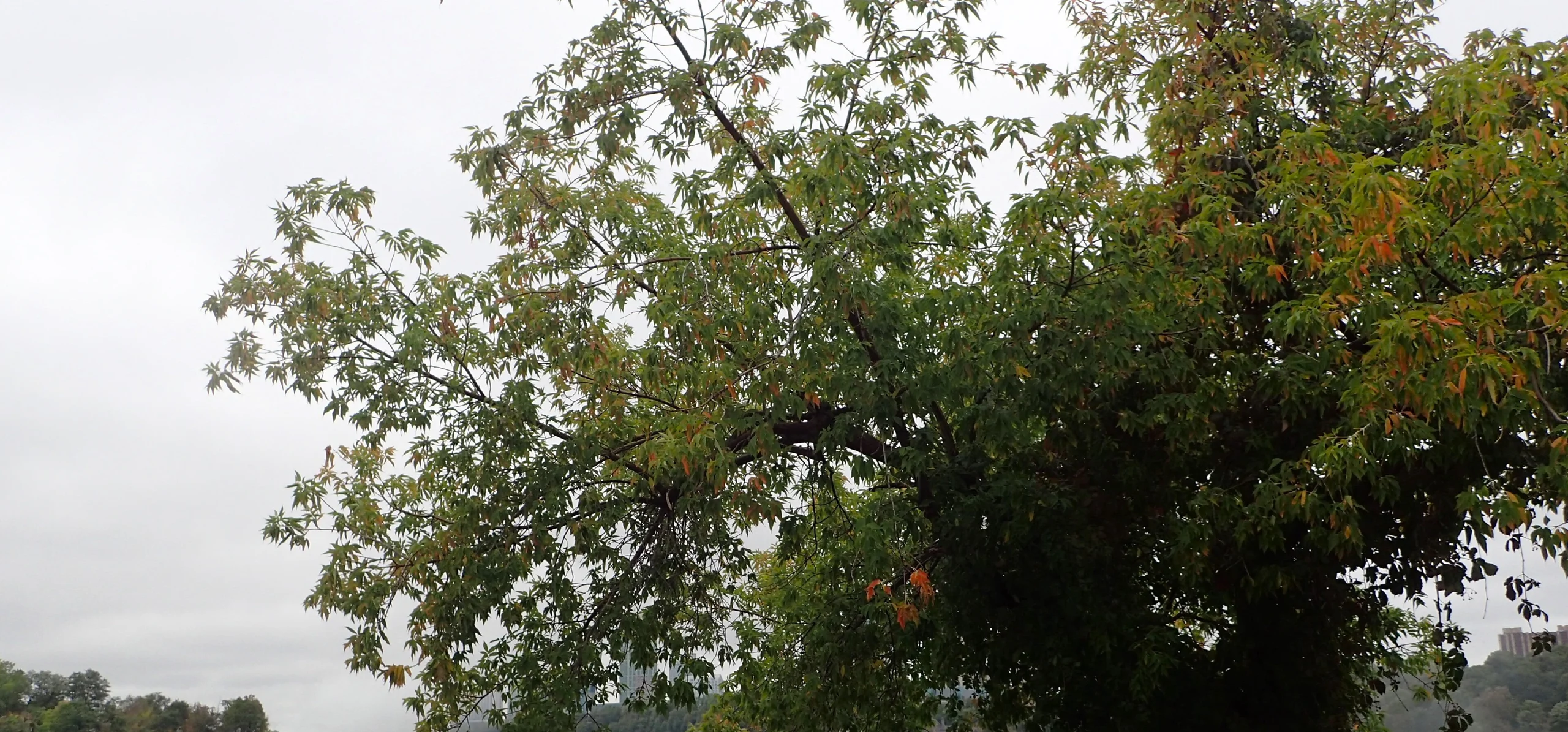
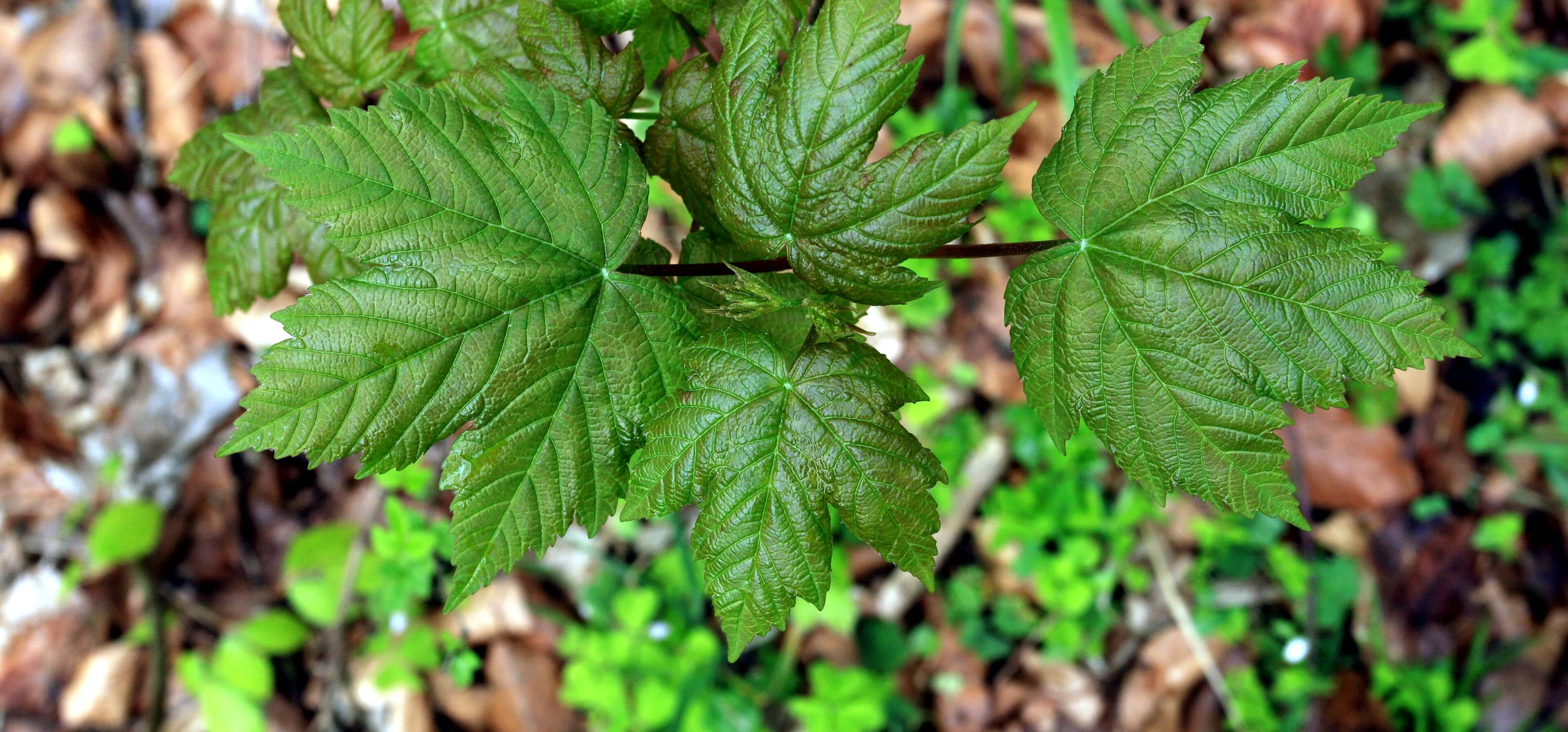
A young red maple (Acer rubrum) freshly planted in a yard, or spotted colonizing the edge of a wet meadow, is one of the easiest native shade trees to place correctly, and one of the easiest to place wrong. Left alone it reaches 12 to 21 m (40 to 70 feet) with a 9 to 15 m spread, is hardy from USDA zone 3 to 9, and grows faster than Norway or sugar maple while staying slower than silver maple. Nearly everything distinctive about it, the reddish new leaves and twigs in spring, the red flowers that open before the leaves, the orange-red color it is named for in autumn, comes from the same tree. The one thing it will not forgive is alkaline soil: get the site right and it needs almost no attention for decades, get the soil chemistry wrong and it tells you within a season or two through yellowing leaves.
Native Range and the Sites It Colonizes on Its Own
Acer rubrum is native to eastern Canada south through the central and eastern United States, from Quebec and Minnesota down to Florida and eastern Texas. In the northern part of that range it is a tree of wet bottomland, river floodplains and swampy woods, which is why the older common name "swamp maple" still circulates; further south and in drier regions such as Missouri it shifts onto rockier upland ground instead. That flexibility is why it turns up on suggested-use lists for shade trees, street trees and rain gardens: few large native trees tolerate both standing water and an ordinary urban planting strip, plus growing near black walnut, a tree whose roots poison many other species.
Site and Soil: Avoiding the Chlorosis Trap
Give a red maple average to wet, well-drained, slightly acid soil and it asks for nothing else. What it does not tolerate is alkaline ground: soil above about pH 7.0 blocks manganese uptake and produces chlorosis, yellow leaves with the veins staying green, most visible on new growth in early summer. This is the single most common reason a red maple looks sickly in a landscape where every other tree is thriving, and it is a soil chemistry problem rather than a pest or a watering mistake, so extra water or fertilizer will not fix it. The tree also carries a shallow, flattened root system, strong enough to buckle a sidewalk or driveway if the trunk sits too close to the pavement, so keep the planting hole well clear of hardscaping.


Watering: Wet Ground Suits It Better Than Dry
Established red maple wants medium to wet soil moisture and genuinely tolerates occasional standing water, a trait most shade trees lack. It also tolerates occasional moderate drought once its roots are established, but a newly planted tree in a hot, exposed street strip needs supplemental irrigation if it is not sited in naturally moist soil. A tree planted at the edge of a rain garden or a low spot in the yard will often need no watering at all beyond its first season.
Light: Full Sun to Part Shade
Red maple grows in full sun to part shade, and although young trees establish naturally as understory seedlings in light shade, a mature specimen produces its densest crown and best fall color in full sun. The crown itself is rounded to oval and casts fairly heavy shade of its own, which is exactly why the species is planted so often as a shade tree for lawns and parking strips.
Pruning and the Storm-Damage Question
Wind and ice are enough to break branches on a red maple, so storm resistance is worth planning for on a tree that otherwise grows quickly and needs little care. Structural pruning while the tree is young addresses this directly: remove competing co-dominant leaders and crossing branches early so the mature canopy develops well-spaced main limbs instead of the narrow, included-bark unions that split apart in a storm decades later. Because the root system is shallow and flattened, avoid heavy soil compaction or grade changes near the trunk when working under the canopy, and keep mower and string-trimmer damage away from the base of young trees, since bark wounds are an entry point for the cankers and rots covered below.
Flowers, Fall Color and the Winged Seed Drop
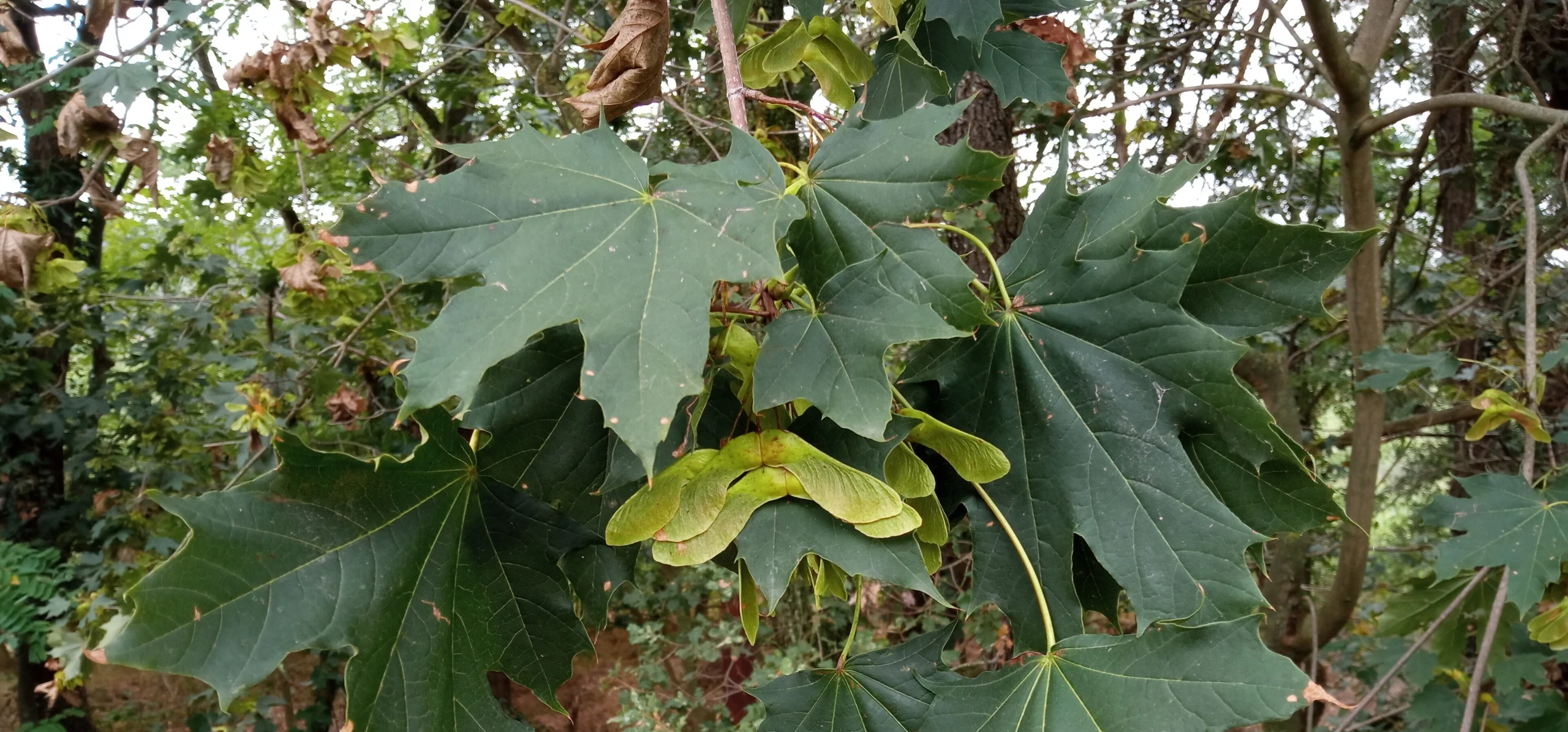
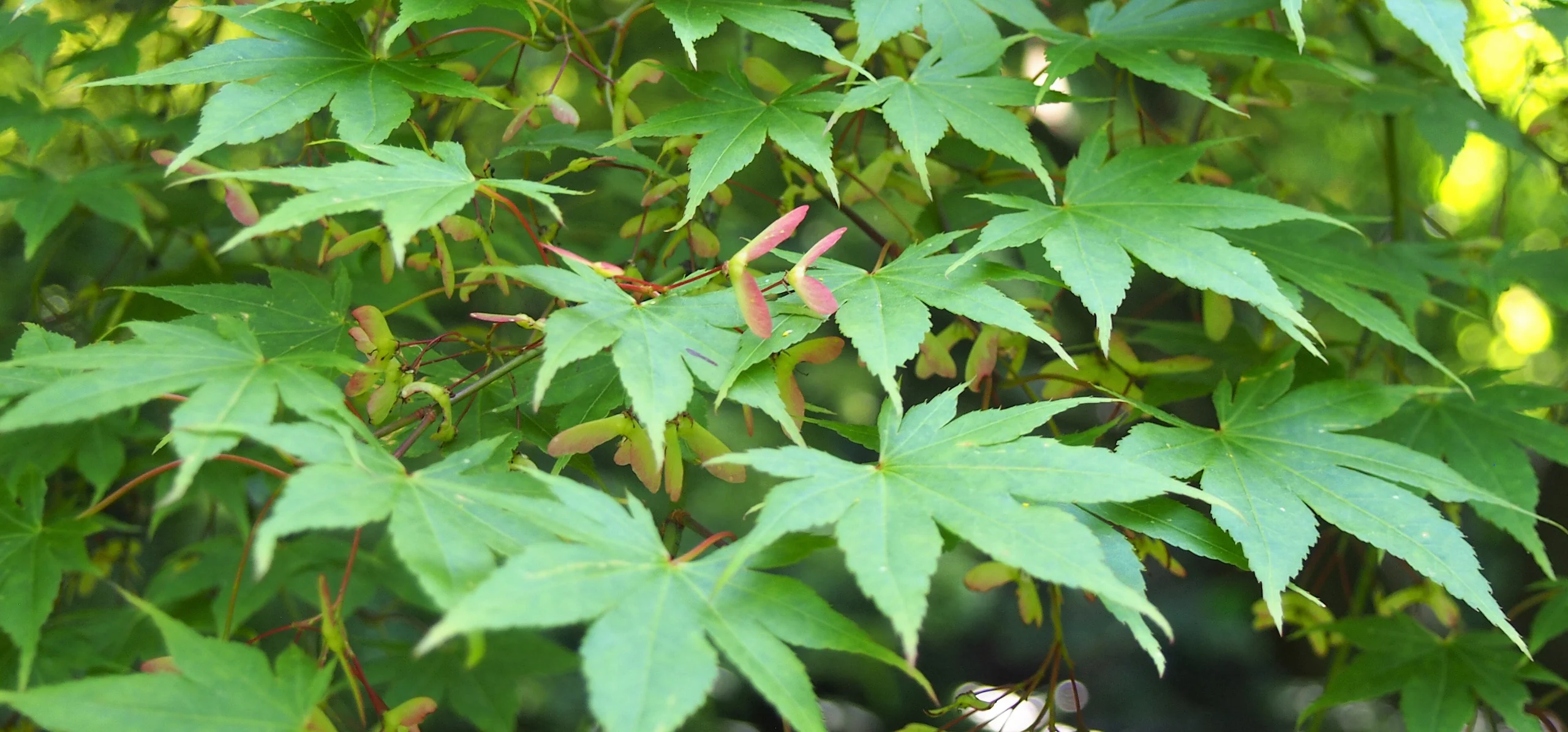
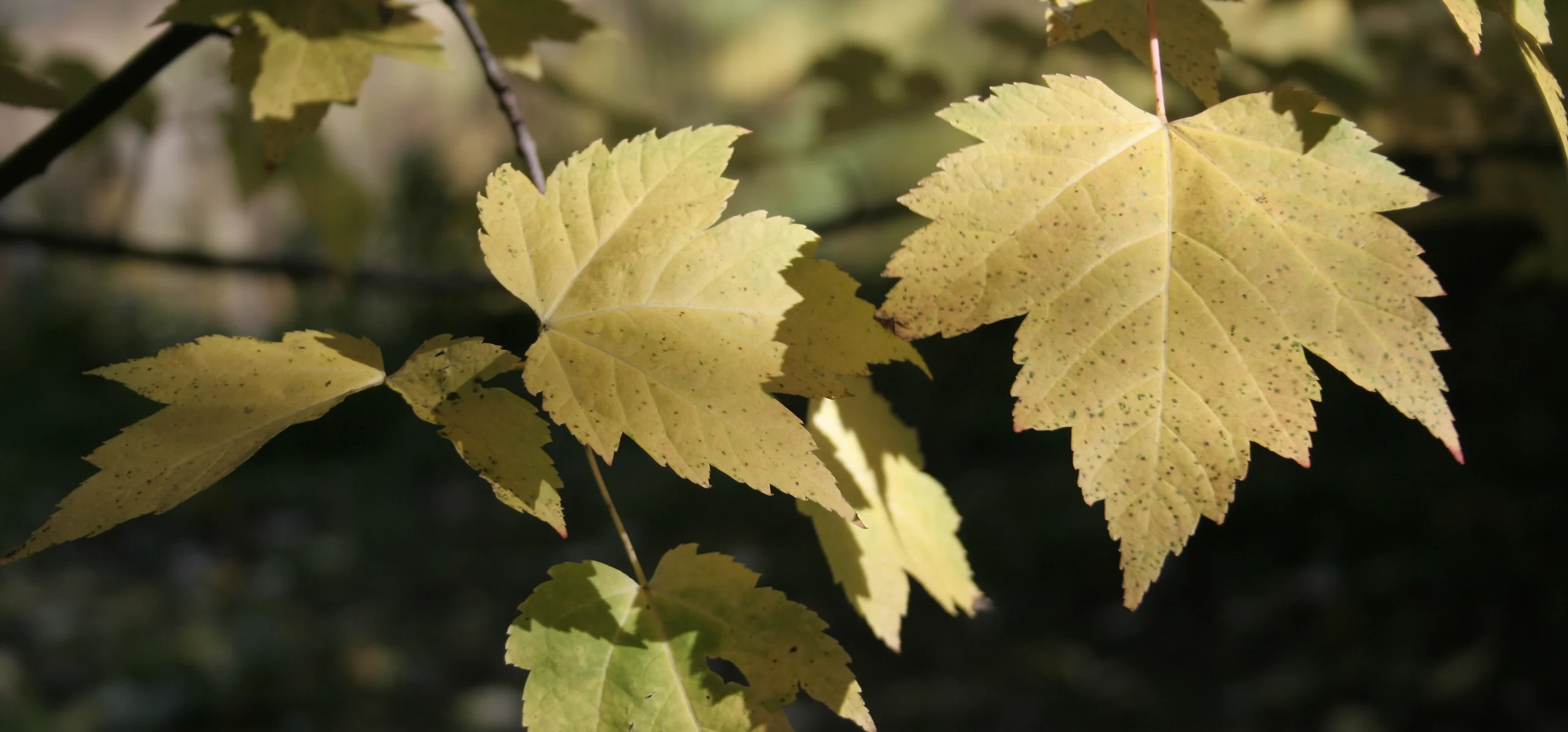
Flowers open in March and April, before the leaves, in dense red clusters, occasionally yellow, and a given tree tends to carry mostly male or mostly female flowers rather than an even mix of both. The fruit is a two-winged samara, reddish when it first forms, and it feeds a long list of birds along with the caterpillars and other insects that live on the foliage. Fall color, the tree's namesake trait, runs from orange to a strong red, but its quality is genuinely inconsistent from one seedling to the next. If a specific, reliable color matters, buy a named, grafted cultivar rather than a seed-grown tree, since seedlings can just as easily turn a dull yellow-brown.
Pests, Diseases and Toxicity to Horses
Watch for aphids, leafhoppers, scale, caterpillars and borers, plus bagworms and the yellow-bellied sapsucker. Canker, fungal leaf spot, root rots including Phytophthora, crown gall, anthracnose and bacterial leaf scorch all affect the species. Verticillium wilt is the most serious of these: it attacks the vascular system and can kill the tree outright.
Red maple foliage is non-toxic to cats and dogs but toxic to horses. Tannins and gallic acid in the leaves are converted to pyrogallol by gut bacteria, damaging red blood cells and reducing their capacity to carry oxygen. Wilted leaves, not fresh ones, carry the highest risk, which is why most poisonings happen from midsummer through early winter, when storm-felled branches or trimmings are left within reach of a paddock. Signs in horses include dark urine, weakness, laminitis and abortion in pregnant mares, so keep fallen or pruned red maple branches out of any area grazed by horses.
Test your plant knowledge
Tap a card to flip it and reveal the answer.
Acer rubrum is hardy from USDA zone 3 to 9. Tap to reveal ✓ True
Red maple thrives in alkaline soil above pH 7.0. Tap to reveal ✕ False
Red maple flowers open in early spring before the leaves unfurl. Tap to reveal ✓ True
Red maple wood rarely breaks in wind or ice storms. Tap to reveal ✕ False
Red maple leaves are toxic to horses, especially once wilted. Tap to reveal ✓ True
Sources
References consulted for this guide
- Acer rubrum, GBIF Backbone Taxonomygbif.org
- POWO: Acer rubrum L. (Plants of the World Online, Kew Science)powo.science.kew.org
- ASPCA: Red Maple toxicity to pets and horsesaspca.org
- Missouri Botanical Garden: Acer rubrum Plant Findermissouribotanicalgarden.org
- University of Illinois Extension: Red Maple (Acer rubrum), HortAnswersweb.extension.illinois.edu
- Reference entity : Wikipédiaen.wikipedia.org