Chinese Evergreen
Aglaonema commutatum
Family · Araceae
Chinese Evergreen thrives in low light but needs watering only when the top 1 to 2 inches of soil dry out, and warmth that never drops below 55°F.
Aglaonema commutatum
Plant profile
- WateringModerateWater every 8 days
- Light exposurePartial shade
- Ideal temperature13–27 °C
Growth
- Family
- Araceae
- Life cycle
- Perennial
- Mature size
- 30–90 cm
- Spread
- 30–90 cm
- Propagation
- Division
- Cutting
- Layering
- Seed
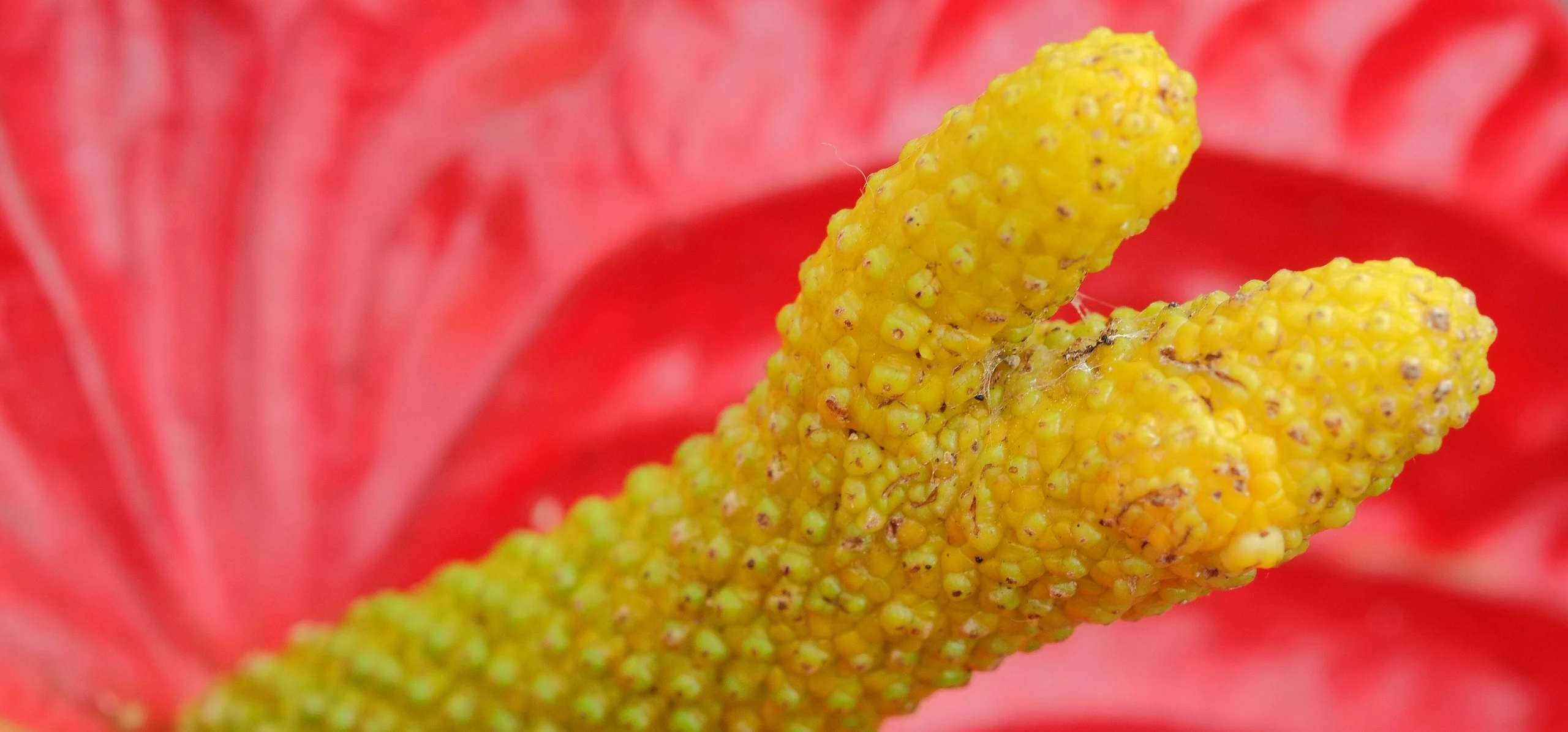
FloweringRarely flowers indoors; a small creamy white spadix in a pale green spathe appears in late summer or early autumn, sometimes followed by red berries (Missouri Botanical Garden)
DormancyGrowth slows in low light and once temperatures fall toward the 55°F floor; water and feed less in winter (Clemson HGIC)
Soil & climate
- Soil types
- Commercial soilless potting mix, Extra humus
- Drought tolerance
- No
Light & Placement
- Origin
- Philippines, central Luzon, for the typical variety (POWO)
- Where to place it
- Low-light corner or hallway for solid green cultivars (Clemson HGIC)
- Bright, indirect spot near an east- or north-facing window for variegated cultivars (Clemson HGIC)
- Container with drainage holes filled with a soilless mix enriched with humus (Clemson HGIC)
Safety
- Toxicity
- CatsToxic
- DogsToxic
- HorsesToxic
Data fromAglaonema commutatum Schott, GBIF BackboAglaonema commutatum var. commutatum, PlChinese Evergreen, ASPCA Animal Poison CAglaonema commutatum, Missouri BotanicalChinese Evergreen (Aglaonema): Care, Cul
Where it grows
World distribution
Chinese Evergreen is native to 2 countries: Indonesia and Philippines.GBIF records 851 documented identifications across 55 countries, with the largest concentrations in Philippines, United States, and Brazil.
- Indonesia
- Philippines
Yellow to orange dots: concentration of documented identifications per country. Green countries: sourced native range. Source: GBIFNative range from POWO (Kew).
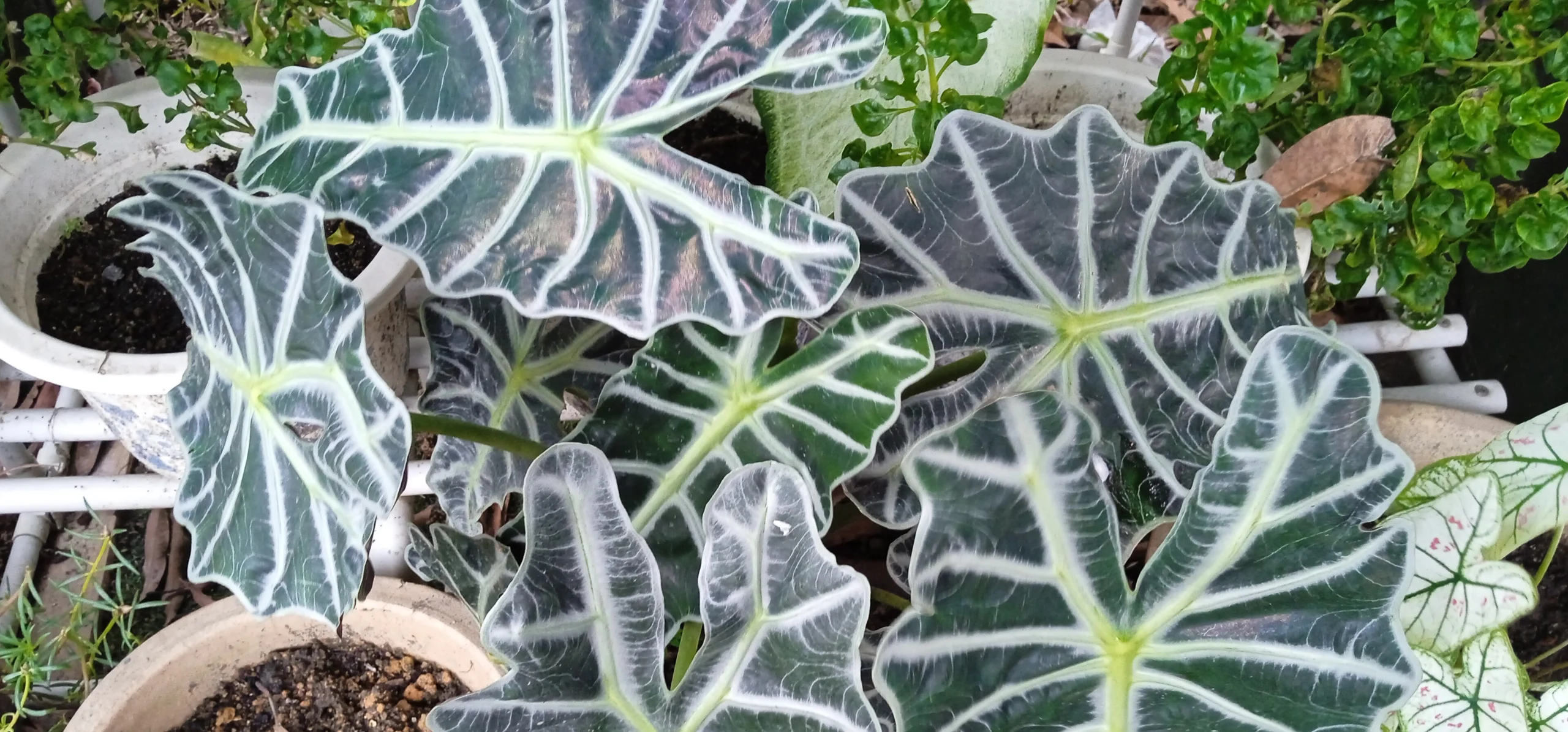
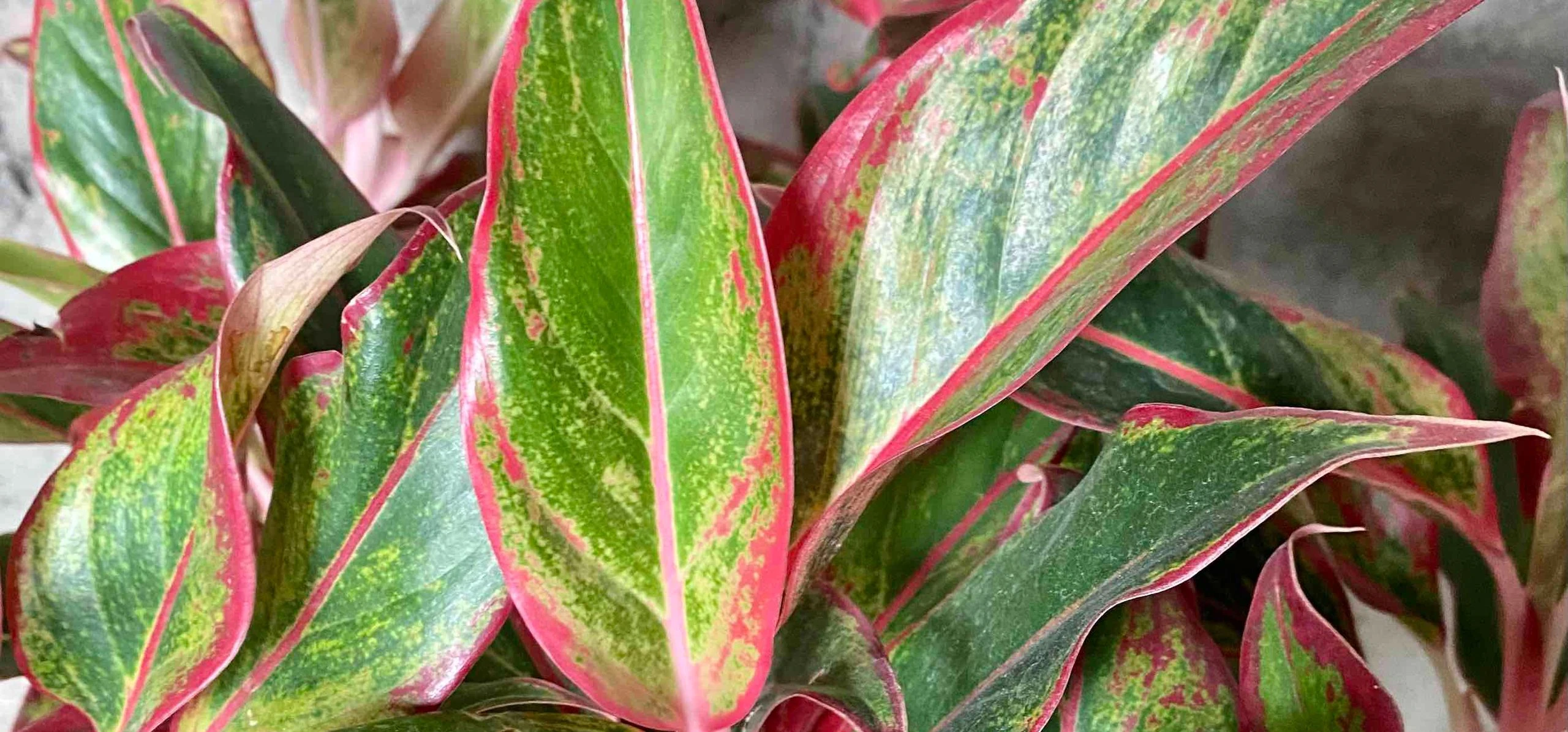
A glossy, silver-blotched houseplant sold as "Chinese Evergreen" is almost always Aglaonema commutatum, an aroid GBIF records as accepted under the name Aglaonema commutatum Schott, in the arum family Araceae alongside philodendrons and peace lilies. POWO traces the native range of the typical variety to the Philippines, specifically central Luzon, where it grows as an understorey plant on a shaded forest floor. That habitat explains most of what keeps it alive indoors: low light it can shrug off, standing water and cold draughts it cannot. Missouri Botanical Garden describes the species as resembling a smaller dieffenbachia, with thick, elliptic to lance-shaped dark green leaves 4 to 8 inches long marked with silver-gray blotches on stems that reach about 20 inches tall.
Light: Read the Leaf Pattern Before Choosing a Spot
Clemson University's Home & Garden Information Center draws a clear line between cultivars: solid green forms will grow in low light, while variegated types need low to moderate light to keep their pattern crisp and their growth compact. Direct sun is the one condition every cultivar refuses; it bleaches and scorches the foliage within a season. A spot a few metres from a window, or a room lit mostly by fluorescent tubes, still counts as workable for a plain green form. A patterned cultivar that fades toward plain green and starts stretching sideways is asking for a brighter, still indirect, position rather than more water.
Watering: The Top 1 to 2 Inches Rule
Clemson's guidance is specific rather than seasonal: keep the soil moist, but let the top 1 to 2 inches dry out before watering again, then water thoroughly with room temperature water until it drains through. Both extremes cause damage. Missouri Botanical Garden notes that rot sets in quickly if the plant is kept too wet, while Clemson lists drought as an equally real risk, since Aglaonema does not bounce back well from a mix that has gone bone dry for long stretches. A pot with no drainage holes turns the first mistake into the second, so check for holes before choosing a container rather than after a leaf yellows.


Temperature and Humidity: Why 55°F Is the Hard Floor
Clemson lists an optimal range of 68 to 80°F (20 to 27°C), with a hard floor at 55°F (about 13°C): growth stalls and leaves suffer once temperatures dip below that line, so the plant belongs away from single-glazed windowsills, exterior doors and air-conditioning vents once the weather turns cold. Humidity is far more forgiving. Clemson rates low to moderate humidity as acceptable, with moderate simply preferred over the driest air a heated room produces in winter. That tolerance is one reason the species has stayed a standard office and lobby plant for decades, growing steadily where a fussier houseplant would decline within a season.
Soil and Feeding: Restraint Matters More Than Quantity
Clemson recommends a commercial soilless mix enriched with extra humus, set in a container with drainage holes rather than a sealed decorative pot. Fertilizer needs the same restraint: Clemson's own warning is that excessive fertilizer causes leaf-edge burn, a blemish that does not heal once it appears on a leaf. Feed sparingly and only while the plant is actively producing new growth, and skip it altogether on a plant that has just been repotted or is sitting in low light and barely growing.
Propagation and an Occasional Bloom
Division is the easiest route on a plant that has formed several stems. Clemson lists division alongside stem cuttings, tip cuttings, air-layering and even seed as workable propagation methods, and notes that the bare lower stems of a leggy, older plant can be cut off and rooted on their own rather than discarded. Flowering is a rare event indoors. When it happens, Missouri Botanical Garden describes a small, creamy white spadix wrapped in a pale green spathe, appearing in late summer or early autumn and occasionally followed by clusters of red berries.
Pests, Root Rot and Common Mistakes
Missouri Botanical Garden and Clemson list much the same short roster of problems: mealybugs, aphids, scale and spider mites feeding on new growth and the undersides of leaves, and root rot once the pot stays wet in poorly drained soil. Clemson adds powdery mildew as a risk in high humidity, though it calls disease rarely a problem on a plant kept indoors. Missouri Botanical Garden also flags a specific, easy-to-miss cause of brown leaves: dry air combined with a drafty spot, a combination that mimics both underwatering and cold injury without actually being either one.
Toxicity: Keep It Out of Reach of Cats and Dogs
The ASPCA's own reference page titled "Chinese Evergreen" lists the plant as toxic to dogs, cats and horses, with insoluble calcium oxalates as the toxic principle, causing oral irritation, drooling and vomiting if an animal chews a leaf. That ASPCA page is filed under the botanical name Aglaonema modestum rather than Aglaonema commutatum, a quirk of the trade name "Chinese Evergreen" covering several species in the same genus; Clemson's own factsheet repeats the identical warning for Aglaonema as a group and separately flags Aglaonema modestum by name as toxic to pets. Since the calcium oxalate crystals responsible for the reaction sit in the sap throughout the Araceae family rather than in one species alone, the safest working assumption for Aglaonema commutatum is the same: keep it off a shelf pets cannot reach, and wash hands after pruning since the sap can also irritate skin.
Test your plant knowledge
Tap a card to flip it and reveal the answer.
Variegated Aglaonema commutatum cultivars tolerate deep shade just as well as solid green ones. Tap to reveal ✕ False
You should water again once the top 1 to 2 inches of soil have dried out. Tap to reveal ✓ True
This plant tolerates temperatures down to 40°F (about 4°C) without harm. Tap to reveal ✕ False
The ASPCA lists Chinese Evergreen as toxic to dogs, cats and horses. Tap to reveal ✓ True
Excessive fertilizer can cause the leaf edges of this plant to burn. Tap to reveal ✓ True
Sources
References consulted for this guide
- Aglaonema commutatum Schott, GBIF Backbone Taxonomygbif.org
- Aglaonema commutatum var. commutatum, Plants of the World Online (Kew)powo.science.kew.org
- Chinese Evergreen, ASPCA Animal Poison Controlaspca.org
- Aglaonema commutatum, Missouri Botanical Garden Plant Findermissouribotanicalgarden.org
- Chinese Evergreen (Aglaonema): Care, Cultivation & Growing Guide, Clemson HGIChgic.clemson.edu
- Reference entity : Wikipédiaen.wikipedia.org