Alocasia Mortfontanensis
Alocasia mortfontanensis
Family · Araceae
Alocasia mortfontanensis, the African mask hybrid, needs bright indirect light and high humidity. Exact watering, soil and propagation steps here.
Alocasia mortfontanensis
Plant profile
- WateringModerateWater every 8 days
- Light exposureIndirect light
- Ideal temperature16–27 °C
- Humidity50–80 %
- Hardiness zoneUSDA 10–12
Growth
- Family
- Araceae
- Life cycle
- Perennial
- Growth speed
- 5/10
- Mature size
- 100–150 cm
- Spread
- 100–150 cm
- Flowering
- Rare indoors, small white spadix
- Propagation
- Division
- Offsets
DormancyLeaves may yellow and die back in cool, dry winters, then regrow in spring
Time to maturityReaches full size in about 5 to 10 years
Soil & climate
- Soil pH
- pH 5.5–7
- Soil types
- Loam based potting mix with perlite, Moisture retentive but free draining compost
- Saline soil
- Not tolerated
- Drought tolerance
- No
Light & Placement
- Origin
- Hybrid of garden origin, no native range
- Where to place it
- East or west facing window, out of direct sun
- Bright bathroom or kitchen with steady humidity
- Sheltered, shaded patio in USDA zones 10 to 12
- Plastic nursery pot to retain moisture
- Terracotta only with more frequent watering
Safety
- Toxicity
- CatsToxic
- DogsToxic
- HorsesToxic
- HumansToxic
Invasive speciesNot documented as invasive; a sterile hybrid grown only as a potted houseplant
Data fromAlocasia x mortfontanensis André, GBIF BAlocasia x mortfontanensis André, PlantsAlocasia, ASPCA Animal Poison ControlAlocasia x mortfontanensis, NC State ExtAlocasia x amazonica, RHS Plant Details
Where it grows
World distribution
GBIF records 51 documented identifications across 18 countries, with the largest concentrations in Benin, United States, and Colombia.
Yellow to orange dots: concentration of documented identifications per country. Green countries: sourced native range. Source: GBIF.
A hybrid bred in a French nursery, not a species from the wild
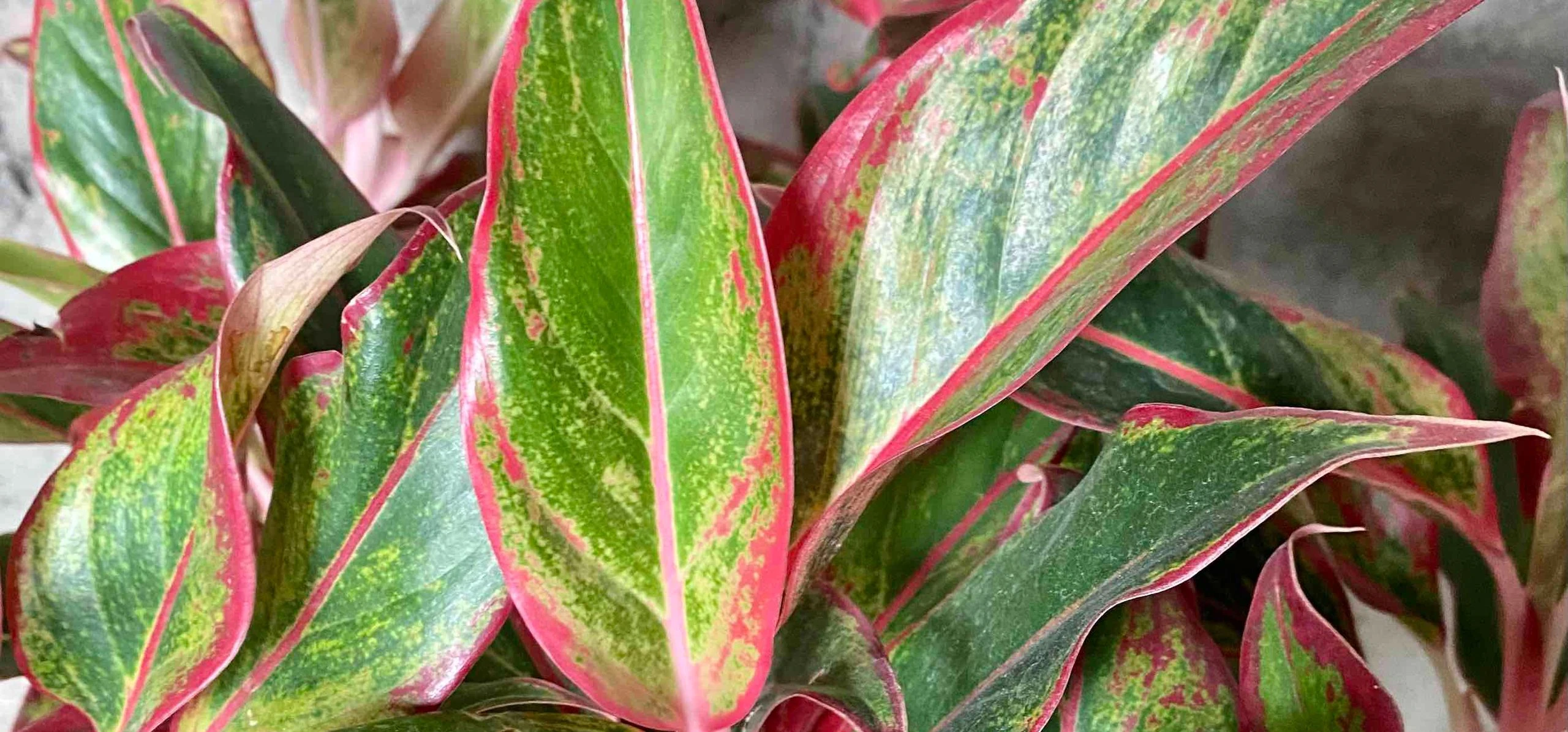
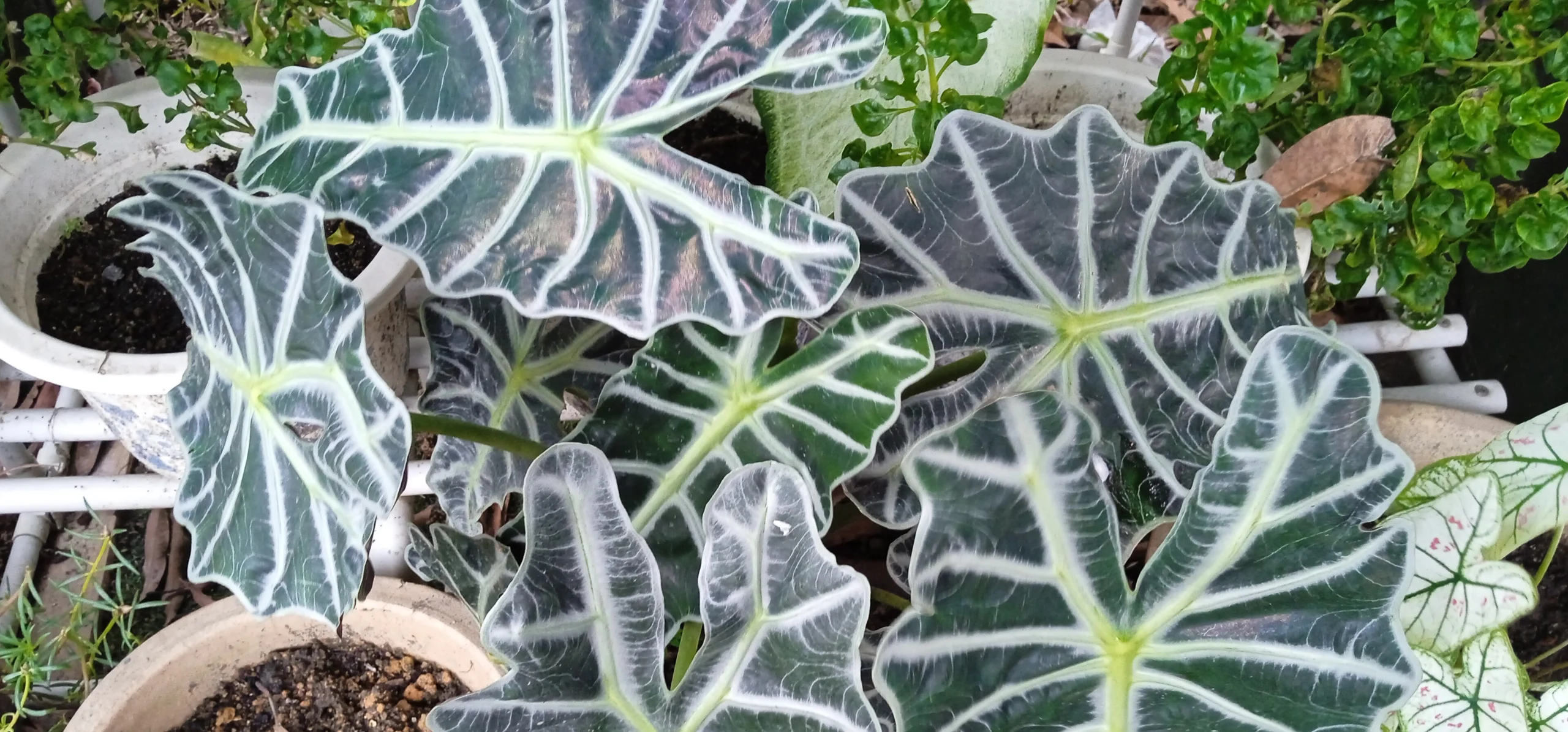
Alocasia mortfontanensis is the plant sold almost everywhere as Alocasia amazonica or Alocasia 'Polly': a compact aroid with dark, arrow shaped leaves cut by thick silvery white veins and a scalloped, wavy edge. It was bred by the Chantrier nursery in Mortefontaine, France, crossing Alocasia longiloba from Southeast Asia with the Philippine species Alocasia sanderiana, which is where the epithet mortfontanensis comes from. Because it is an artificial cross rather than a species that grows wild, Plants of the World Online records no native range for it, the plant exists only in cultivation. Expect a smaller, denser plant than most Alocasia species, usually staying under a metre indoors, with a new leaf unfurling pale green and hardening to full color over seven to ten days.
Light and placement
Give it bright, indirect light for most of the day. An east or west facing window with the plant set back from the glass suits it well: RHS growing notes describe the ideal exposure as partial shade rather than full sun. Direct midday sun through south facing glass bleaches the leaves and can scorch the thin tissue within a single afternoon, while a spot that is too dark produces smaller leaves with duller, less defined veining. A steady position matters more than intensity: this plant sulks when moved repeatedly between light levels, so pick one bright, filtered spot and leave it there.


Watering and humidity
Water again once the top 5 cm of potting mix has dried; the RHS growing guide for the genus gives this as the standard test during the growing season from April to October. In a 15 to 20 cm pot that usually means once a week in summer conditions and considerably less over winter, when growth slows and the roots need far less moisture. Humidity matters as much as watering: alocasias want medium to high humidity, and dry indoor air is the most common reason a mortfontanensis develops crisp brown leaf margins. A pebble tray, a nearby humidifier, or grouping it with other houseplants all raise the humidity around the foliage without wetting the roots.
Soil and potting
Use a loam based mix that is moist but free draining, with added perlite or orchid bark so water passes through rather than sitting around the rhizome. RHS lists an acid to neutral pH as suitable. A plastic nursery pot with generous drainage holes keeps moisture more even than terracotta, which can dry the small root system too quickly between waterings. Repot every couple of years in spring, moving up about 5 cm in diameter each time; this hybrid's compact root system rarely needs a dramatic size increase.
Feeding
Feed with a balanced liquid houseplant fertiliser from April to October, diluted according to the label and applied roughly once a month. Stop feeding through the winter dormancy period: the plant's uptake slows once temperatures and light drop, and unused fertiliser salts simply accumulate in the pot instead of being absorbed. If the potting mix develops a pale crust on the surface, flush it through with plain water before feeding resumes in spring.
Propagation by division
As a sterile hybrid, Alocasia mortfontanensis is not grown from seed. RHS and NC State Extension both describe the same method: separate the offsets that form around the base of the rhizome in spring, keeping a few roots attached to each piece, and pot them individually in fresh mix. Rhizome division in late spring or early summer works the same way for older, congested plants. New divisions are slow to establish and benefit from a humidity dome or a clear bag over the pot for the first few weeks.
Pests, diseases and common mistakes
Watch for spider mites, mealybugs and aphids, all of which NC State Extension lists as the plant's main pests; spider mites in particular thrive when humidity drops, so a dry room is often the real trigger. Overwatering is the most damaging mistake: a pot that stays wet encourages root rot and bacterial stem rot, both flagged in the same extension listing, and a mortfontanensis with a soft, collapsing base rarely recovers. The plant's winter behaviour also catches people out. It is normal for some or even all leaves to yellow and die back as light and temperature drop; keep the soil barely moist through this rest period rather than continuing a summer watering routine, and new growth returns once conditions warm up in spring.
Toxicity and pet safety
Every part of the plant contains insoluble calcium oxalate crystals, and ASPCA lists Alocasia as toxic to cats, dogs and horses, with oral irritation, drooling and vomiting typical after chewing. RHS notes the sap is also irritating to human skin and eyes, so wear gloves when dividing or repotting and wash your hands afterward. Keep the plant out of reach of pets and curious children, and rinse the mouth or affected skin promptly with water if the sap causes irritation.
Test your plant knowledge
Tap a card to flip it and reveal the answer.
Alocasia mortfontanensis is a naturally occurring wild species with a documented native range. Tap to reveal ✕ False
This hybrid needs several hours of direct, unfiltered sun each day to thrive. Tap to reveal ✕ False
The plant is toxic to cats, dogs and horses if chewed or eaten. Tap to reveal ✓ True
The correct routine is to let the potting mix dry out completely before watering again. Tap to reveal ✕ False
New plants are normally produced by dividing rhizome offsets rather than growing from seed. Tap to reveal ✓ True
Sources
References consulted for this guide
- Alocasia x mortfontanensis André, GBIF Backbone Taxonomygbif.org
- Alocasia x mortfontanensis André, Plants of the World Online (Kew)powo.science.kew.org
- Alocasia, ASPCA Animal Poison Controlaspca.org
- Alocasia x mortfontanensis, NC State Extension Gardener Plant Toolboxplants.ces.ncsu.edu
- Alocasia x amazonica, RHS Plant Detailsrhs.org.uk
- Reference entity : Wikipédiaen.wikipedia.org