Caladium
Caladium bicolor
Family · Araceae
Caladium leaves scorch in direct sun and the tuber rots if planted before the soil warms. The light, watering and dormancy routine that keeps both alive.
Caladium bicolor
Plant profile
- WateringHighWater every 4 days
- Light exposurePartial shade
- Ideal temperature16–32 °C
- Humidity50–80 %
- Hardiness zoneUSDA 9–10
Growth
- Family
- Araceae
- Life cycle
- Perennial
- Growth speed
- 6/10
- Mature size
- 30–60 cm
- Spread
- 30–75 cm
- Flowering
- Occasional spathe-and-spadix aroid flowers, grown mainly for foliage
- Propagation
- Division
- Bulb
DormancyDies back and rests as a tuber once nights cool
Time to maturityFull leaf canopy within one growing season
Soil & climate
- Soil pH
- pH 5–6
- Soil types
- Acidic, humus-rich potting mix, Loosened with compost or fine bark and perlite
- Drought tolerance
- No
Light & Placement
- Origin
- Central America to Argentina (Salta)
- Where to place it
- East-facing window
- A few steps back from a south or west window
- Dappled shade under trees
- Porch or bed that only gets morning sun
- Wide, shallow pot to match the shallow clustering tuber
Safety
- Toxicity
- CatsToxic
- DogsToxic
- HorsesToxic
- HumansToxic
Data fromCaladium bicolor (Aiton) Vent., GBIF BacCaladium bicolor (Aiton) Vent., Plants oCaladium, Toxic and Non-Toxic Plants, ASFancy-leaved Caladium (Caladium bicolor)Caladium bicolor, Missouri Botanical Gar
Where it grows
World distribution
Caladium is native to 14 countries: Argentina, Bolivia, Brazil, Colombia, Costa Rica, Ecuador, French Guiana, and Guyana….GBIF records 8,143 documented identifications across 117 countries, with the largest concentrations in Brazil, India, and Colombia.
- Argentina
- Bolivia
- Brazil
- Colombia
- Costa Rica
- Ecuador
- French Guiana
- Guyana
- Honduras
- Nicaragua
- Panama
- Peru
- Suriname
- Venezuela
Yellow to orange dots: concentration of documented identifications per country. Green countries: sourced native range. Source: GBIFNative range from POWO (Kew).
A caladium newly potted or dug from a garden bed is not a permanent houseplant the way a pothos is: it is a tuber running a seasonal program, pushing out a flush of paper thin, patterned leaves through the warm months and then dying back to a resting tuber once nights cool. The straight species, Caladium bicolor, and the hundreds of fancy leaved cultivars bred from it, come from wet lowland forest running from Central America down to northern Argentina, which is why the leaves want warmth, shade and steady moisture rather than a sunny windowsill. Two mistakes account for most dead caladiums: planting the tuber into cold, wet soil before it has any warmth to grow into, and leaving a dormant tuber somewhere damp over winter where it rots instead of resting. Get the timing of both right and a single tuber can be grown, stored and replanted for years.
A tuber that once wore other names
Botanists placed this plant under Alocasia and even Arum before settling it into Caladium, and the old names, Alocasia rex, Arum bicolor, Arum pellucidum among them, still turn up on old nursery labels and seed packets. The accepted name today, confirmed by GBIF, is Caladium bicolor (Aiton) Vent., in the arum family Araceae alongside philodendrons and elephant ears. In the wild it grows as an understorey geophyte in wet tropical forest from Central America to Argentina (Salta), sending up leaves during the wet season and dying back to a starchy underground tuber when conditions turn dry or cool, the same rhythm a potted plant follows on a windowsill or a patio.
Choosing a cultivar for the light you actually have
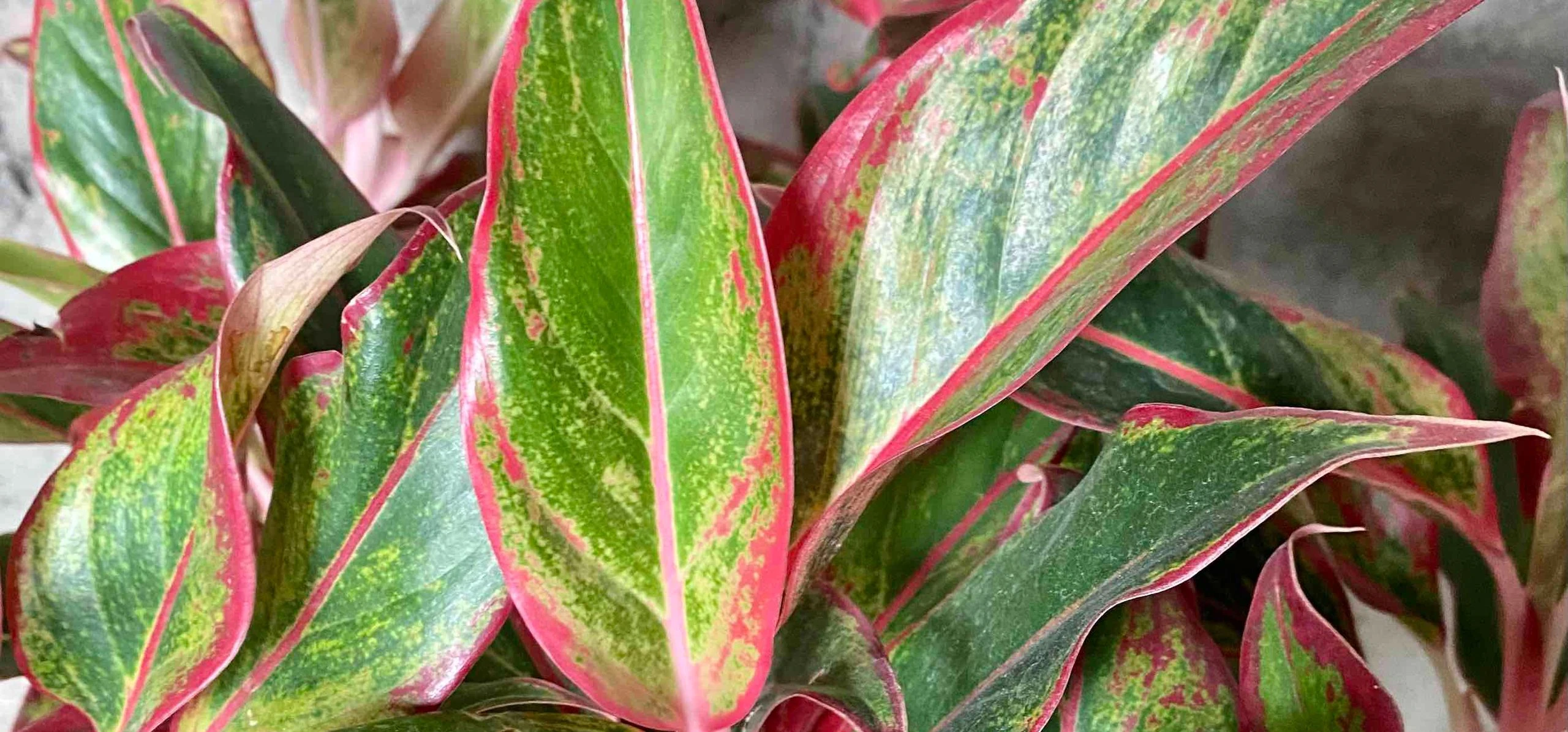
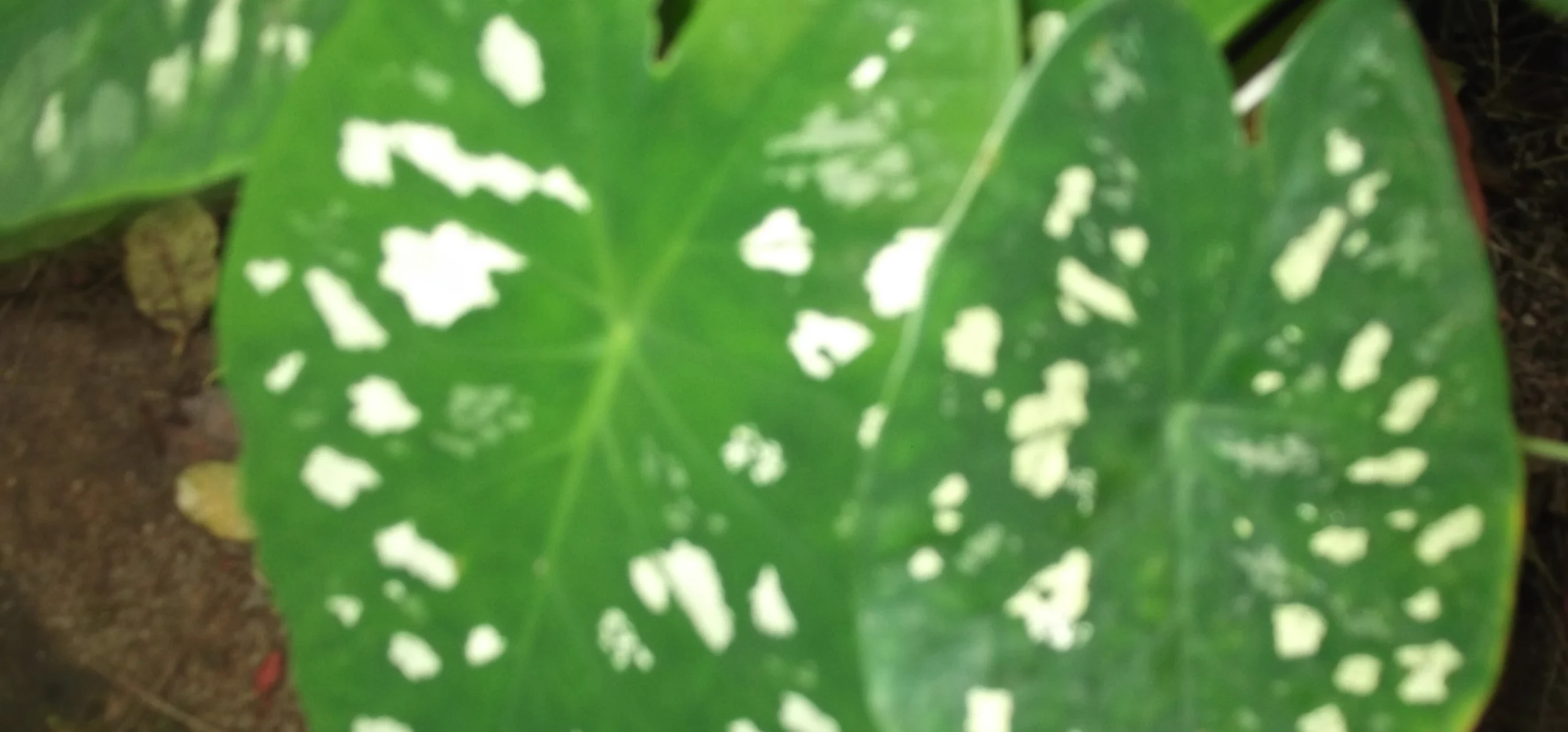
Not every caladium tolerates the same light. Older fancy leaved types, bred close to the wild species, have thin, papery leaves with heavy white or pink variegation and scorch fast in anything more than dappled sun, so they want deep to partial shade. Sturdier strap leaved hybrids, with narrower, glossier and more heavily green leaves, tolerate several hours of morning or filtered sun and are the better pick for a bright patio or a bed that only gets afternoon shade. Reading the tag before buying saves a summer of scorched leaves: a cultivar bred for sun performs poorly in deep shade, and a shade cultivar burns badly in direct exposure.


Planting: waiting for warm soil
The single most common reason a caladium tuber never sprouts is being planted too early. It needs soil that has warmed to around 21°C (70°F) before it will break dormancy; planted into cold spring soil, a tuber often just sits and rots instead of sprouting. Indoors, start tubers in pots a few weeks ahead of the last frost, knobby side up and buried about 5 cm deep, and keep the pot somewhere warm until shoots appear. Outdoors, wait until night temperatures are reliably staying above about 16°C before moving plants out or planting tubers directly, which in most temperate climates is well after the last frost date, not right at it.
Light and placement
Indoors, a spot with bright, indirect light, an east window or a few steps back from a south or west one, suits most cultivars better than direct sun through the glass, which fades and scorches the leaf pattern within a day or two. Outdoors, a bed or container in dappled shade under trees, or a porch that only catches morning sun, keeps the foliage fully sized and richly coloured. Too little light shows up as smaller leaves with a duller, less contrasted pattern rather than outright damage, so it is usually safe to nudge a pale plant toward a little more indirect light before assuming anything else is wrong.
Watering and humidity
Caladiums want soil that stays consistently moist through the growing season, never bone dry and never waterlogged; a pot that dries out fully between waterings pushes the plant into premature dormancy, with leaves yellowing and folding down well before autumn. Good drainage still matters, since a tuber sitting in standing water rots as readily as one left in drought. Humidity above roughly 50% keeps the thin leaf tissue from crisping at the edges, which is why caladiums grown in dry, air conditioned rooms often look ragged by midsummer even with correct watering; a pebble tray or a nearby humidifier helps more than misting the leaves, which dries too fast to change much.
Soil, pots and feeding
An acidic mix, below pH 6, rich in organic matter and sharply drained, matches what the species finds on a forest floor: a standard potting mix loosened with compost or fine bark and a handful of perlite works well in containers. A wide, shallow pot suits the shallow, clustering tuber better than a deep one. Feed lightly every few weeks through the growing season with a balanced liquid fertiliser diluted to half strength; overfeeding pushes soft, floppy growth that tears more easily than leaves grown at a steadier pace.
Dormancy: lifting and storing the tubers
Outside USDA zones roughly 9a to 10b, where winter soil rarely drops near freezing, caladium tubers will not survive in the ground and need to be lifted. As nights cool in autumn, growth slows and leaves yellow and collapse on their own; once the foliage has died back, or right after the first light frost, dig the tubers, brush off loose soil, and let them air dry for a few days somewhere shaded before packing them in barely damp peat or wood shavings. Store the box somewhere dark and dry between 13 and 18°C (55 to 65°F); anything colder than about 7°C (45°F) risks killing the tuber outright, while a warm, damp storage spot invites rot. Replant only once the soil has warmed again the following spring.
Pests, diseases and pet safety
Caladiums are relatively pest free compared with many houseplants, though spider mites can show up on plants kept too dry and aphids sometimes cluster on new shoots; both are usually knocked back with a strong rinse under the tap before they spread. Bacterial and fungal tuber rot are the bigger risk, and almost always trace back to overly wet, cold or poorly drained soil rather than to the plant itself. Every part of the plant carries calcium oxalate crystals, and the ASPCA lists caladium as toxic to cats, dogs and horses, with chewing causing burning and swelling of the mouth and tongue, drooling and vomiting; the same crystals irritate human skin and mouths, so it is worth keeping curious pets and small children away from the leaves and tubers.
Test your plant knowledge
Tap a card to flip it and reveal the answer.
Caladium tubers should be planted once the soil has warmed to around 21°C (70°F). Tap to reveal ✓ True
Caladium foliage thrives in full, direct summer sun. Tap to reveal ✕ False
Tubers can be dug up in autumn and stored dry over winter to replant the following spring. Tap to reveal ✓ True
Caladium is safe for cats and dogs to chew on. Tap to reveal ✕ False
In USDA zones 9a to 10b, caladium tubers can often stay in the ground year-round. Tap to reveal ✓ True
Sources
References consulted for this guide
- Caladium bicolor (Aiton) Vent., GBIF Backbone Taxonomygbif.org
- Caladium bicolor (Aiton) Vent., Plants of the World Online (Kew)powo.science.kew.org
- Caladium, Toxic and Non-Toxic Plants, ASPCA Animal Poison Controlaspca.org
- Fancy-leaved Caladium (Caladium bicolor), NC State Extension Gardener Plant Toolboxplants.ces.ncsu.edu
- Caladium bicolor, Missouri Botanical Garden Plant Findermissouribotanicalgarden.org
- Reference entity : Wikipédiaen.wikipedia.org