Japanese Camellia
Camellia japonica
Family · Theaceae
Camellia japonica needs acidic soil, rainwater over hard tap water, shelter from morning sun after frost, and pruning right after the last flower fades.
Camellia japonica
Plant profile
- WateringHighWater every 7 days
- Light exposureIndirect light
- Hardiness zoneUSDA 7–9
Growth
- Family
- Theaceae
- Life cycle
- Perennial
- Growth speed
- 3/10
- Mature size
- 300–400 cm
- Spread
- 150–300 cm
- Flowering
- Large solitary flowers, late winter into early spring
- Propagation
- Cutting
- Layering
DormancyEvergreen, no true winter dormancy
Time to maturityMany years to full size; slow to grow and slow to establish
Soil & climate
- Soil pH
- pH 5.5–6.5
- Soil types
- loam
- Drought tolerance
- No
Light & Placement
- Origin
- China (Shandong, E. Zhejiang), Korea (Jeju), central and southern Japan to Taiwan
- Where to place it
- Not typically grown indoors; suited to outdoor beds and large containers
- Partial shade sheltered from cold wind
- Away from direct morning sun after winter frost
- Large container filled with acidic, ericaceous, well-draining potting mix
Safety
- Toxicity
- CatsSafe
- DogsSafe
- HorsesSafe
Data fromGBIF Backbone Taxonomy: Camellia japonicPlants of the World Online (Kew): CamellASPCA: Toxic and Non-Toxic Plants, CommoNC State Extension Gardener Plant ToolboClemson HGIC: CamelliaRHS Growing Guide: How to Grow Camellias
Where it grows
World distribution
Japanese Camellia is native to 4 countries: China, Japan, South Korea, and Taiwan.GBIF records 13,861 documented identifications across 63 countries, with the largest concentrations in Japan, South Korea, and United States.
- China
- Japan
- South Korea
- Taiwan
Yellow to orange dots: concentration of documented identifications per country. Green countries: sourced native range. Source: GBIFNative range from POWO (Kew).
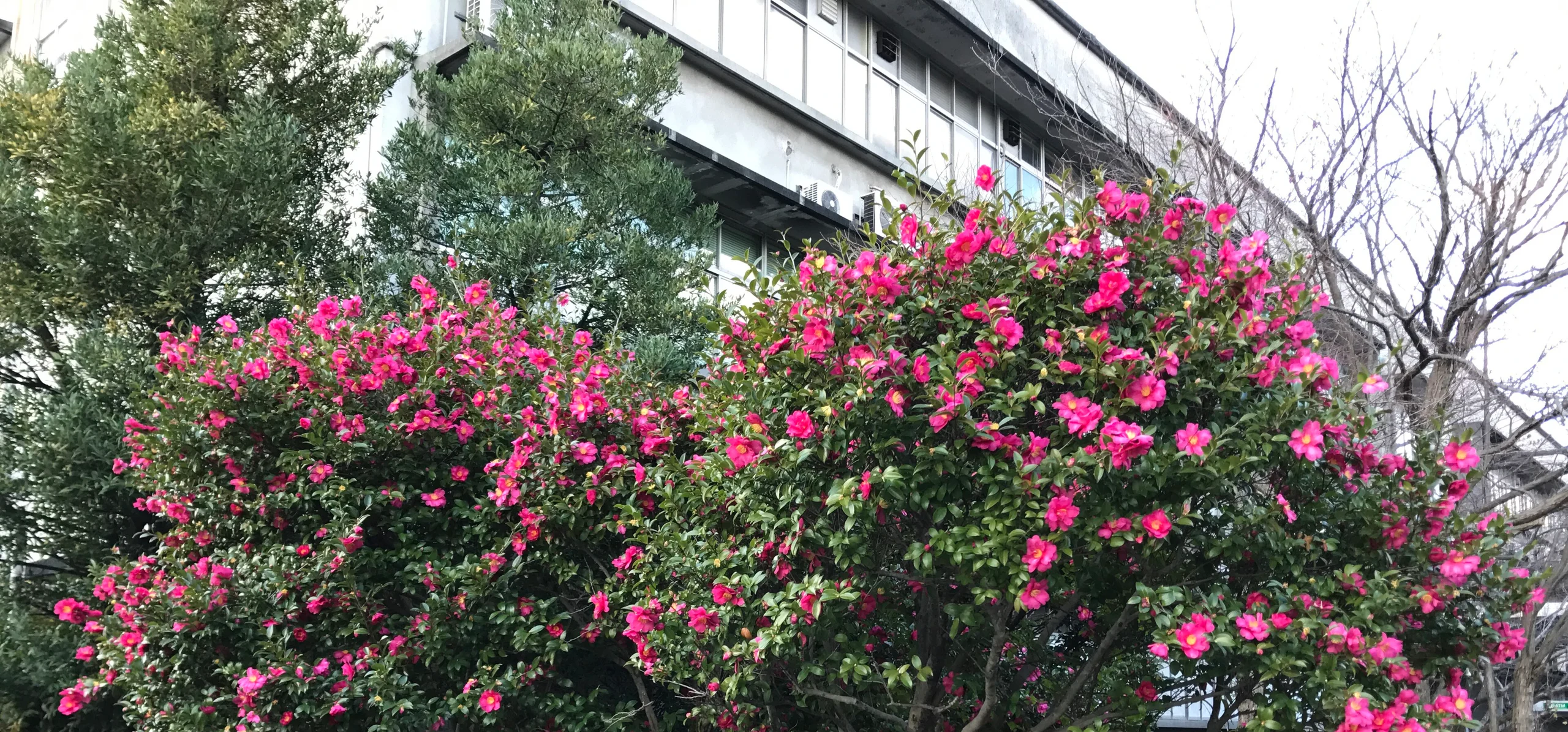
A Camellia japonica newly home from the nursery, glossy leaved and often already carrying flower buds, needs two things above almost everything else: acidic soil that never dries out in late summer, and a spot shielded from direct morning sun once frost season starts. Skip either and the plant survives but sulks, dropping unopened buds by the dozen or scorching its thick, dark green leaves along a frost-thawed edge. It is a slow grower, adding only a little new growth most years, so a young plant put in the wrong spot can take several seasons to recover rather than simply resetting the next spring. Get the siting and the soil right and the reward is a shrub that keeps its glossy foliage year-round and opens large, waxy flowers through the coldest months of the garden calendar.
A Species Native to China, Korea, and Japan
GBIF records the accepted name as Camellia japonica L., in the tea family Theaceae, and Plants of the World Online traces its native range across China (Shandong and eastern Zhejiang), Jeju island in Korea, and central and southern Japan down to Taiwan. Older botanical literature sometimes filed it under Thea japonica, since camellia and tea share the same family, and nurseries still sell it as Japanese camellia, common camellia, or simply camellia, the plant that gave the whole genus its common name. Centuries of selection in Japan, and later in Europe and the American South, have produced a huge range of named cultivars, so the single wild species behind the garden shrub is easy to lose sight of.
Acid Soil, and Rainwater Over Tap Water
North Carolina State Extension puts the target range at a slightly acidic pH 5.5 to 6.5, in soil high in organic matter and well drained; push the pH toward neutral or above and the roots lose their ability to take up iron, showing up as pale, yellowing new leaves. The Royal Horticultural Society adds a detail that catches out gardeners in hard-water regions: tap water is often alkaline enough to nudge an ericaceous mix back toward neutral over a season, so collected rainwater is the safer choice for containers and for hand-watering newly planted specimens. Working in composted pine bark, leaf mould, or a bagged ericaceous compost at planting time, then mulching two to three inches deep afterward, keeps both the acidity and the moisture where the plant needs them.
Shelter From Morning Sun After Frost
NC State Extension rates the species for partial shade, roughly two to six hours of direct sun a day, and both NC State and the RHS single out one placement mistake above others: an east-facing spot that catches direct morning sun right after a frosty night. Flower buds and leaf tissue that thaw slowly in shade come through intact; the same tissue hit by fast morning sun thaws too quickly, rupturing the cell walls and leaving brown, collapsed blotches on leaves and buds that looked perfectly healthy the evening before. A position with dappled shade from taller trees, or shelter behind a wall or hedge to the north and east, avoids the problem without cutting the light the plant needs to flower well; the RHS also recommends a spot sheltered from cold, drying wind for the same reason.


Watering and Feeding Through the Year
Whatever the season, the soil should stay evenly moist without turning waterlogged. NC State Extension is specific about the highest-stakes window: drought in August and September, exactly when next spring's flower buds are forming, is one of the main causes of a shrub that fails to bloom the following year. Feed lightly with an acid-plant fertiliser from the spring flush of growth through midsummer; the RHS is blunt about the cutoff, warning not to feed camellias after the end of July, since a late flush of soft growth competes with bud formation and can push the buds to drop instead of opening.
Why Flower Buds Drop Before Opening
Some bud drop is normal: camellias routinely set more buds than they can open and shed the surplus on their own. Beyond that, Clemson HGIC and NC State Extension point to the same handful of triggers every year: under-watering in late summer, overwatering and waterlogged roots, large swings in temperature, and unseasonably warm weather in autumn or spring that pushes soft new shoot growth at the buds' expense. A plant that is otherwise healthy but still drops most of its buds is usually telling you something about last summer's watering rather than about a disease; check the mulch and the soil moisture history before assuming the worst.
Pruning Right After the Last Flower Fades
Camellia japonica sets next year's flower buds on the current season's wood, so the pruning window sits immediately after flowering finishes and before that new growth hardens off, roughly from mid-February to early May depending on climate and cultivar, per Clemson HGIC. Light shaping and deadheading can happen any time damaged wood needs removing, but a hard cutback done later in the year strips off the buds for the following spring along with the unwanted growth. An established plant tolerates a hard prune well and reliably backbuds on old wood, so an overgrown, leggy camellia can be brought back into shape over a season or two without losing the plant.
Camellia Petal Blight
Camellia japonica is, according to University of California IPM, the species most susceptible to petal blight, caused by the fungus Ciborinia camelliae. Small brown blotches appear on the petals and spread within days until the whole flower turns brown and collapses, with darker veins standing out in a netted pattern that is the clearest way to tell blight apart from ordinary cold damage or old flowers dropping naturally. The fungus overwinters as hard black sclerotia in the soil and mulch beneath the plant, releasing spores from cup-shaped apothecia each bloom season; the spores need wet petals to germinate, so the disease builds fastest during rainy flowering spells. Sanitation is the main defence: pick up and bin fallen petals and blooms through the flowering season rather than composting them, replace the mulch layer annually with fresh material, and avoid overhead watering while flowers are open.
Non-Toxic to Pets, but Still a Slow-Growing Investment
The ASPCA lists common camellia as non-toxic to cats, dogs, and horses, which sets it apart from many other acid-loving garden shrubs, azaleas and rhododendrons among them, that carry warnings against exactly the kind of casual chewing a curious pet gets up to. That is a genuine reason to plant it near a path or a favourite pet spot rather than the usual caution of fencing it off. The tradeoff is patience: this is a slow grower even by shrub standards, so the payoff for getting the soil, siting, and watering right compounds over years rather than a single season, and mistakes made in the first year or two can set a young plant back for several more.
Test your plant knowledge
Tap a card to flip it and reveal the answer.
Camellia japonica thrives in acidic soil, roughly pH 5.5 to 6.5. Tap to reveal ✓ True
This camellia tolerates full, unshaded summer sun without any leaf or flower damage. Tap to reveal ✕ False
Watering with rainwater rather than hard tap water helps keep the soil from drifting away from acidic over time. Tap to reveal ✓ True
Every case of camellia flower buds dropping before opening points to a fungal infection. Tap to reveal ✕ False
According to the ASPCA, Camellia japonica (common camellia) is non-toxic to cats, dogs, and horses. Tap to reveal ✓ True
Sources
References consulted for this guide
- GBIF Backbone Taxonomy: Camellia japonica L.gbif.org
- Plants of the World Online (Kew): Camellia japonica L.powo.science.kew.org
- ASPCA: Toxic and Non-Toxic Plants, Common Camelliaaspca.org
- NC State Extension Gardener Plant Toolbox: Camellia japonicaplants.ces.ncsu.edu
- Clemson HGIC: Camelliahgic.clemson.edu
- RHS Growing Guide: How to Grow Camelliasrhs.org.uk
- UC IPM: Camellia Petal Blightipm.ucanr.edu
- Reference entity : Wikipédiaen.wikipedia.org