Cuban Oregano
Coleus amboinicus
Family · Lamiaceae
Coleus amboinicus (Cuban oregano) grows fast in a pot or bed, tolerates dry spells, and blackens at the first frost, so light and pruning matter most.
Coleus amboinicus
Plant profile
- WateringLittleWater every 7 days
- Light exposurePartial sun
- Hardiness zoneUSDA 9–11
Growth
- Family
- Lamiaceae
- Life cycle
- Perennial
- Growth speed
- 8/10
- Mature size
- 30–105 cm
- Spread
- 30–90 cm
- Flowering
- Sporadic pale purple spikes in summer
- Propagation
- Cutting
- Division
Dormancyminimal in warm climates
Time to maturityfills a pot in one season
Soil & climate
- Soil pH
- pH 6–8
- Soil types
- loam, sand, rocky
- Drought tolerance
- Yes
Light & Placement
- Origin
- East and southern Africa, Arabian Peninsula, India
- Where to place it
- bright south or west windowsill
- partly shaded patio bed
- raised herb bed
- unglazed terracotta with drainage
Safety
- Toxicity
- CatsToxic
- DogsToxic
- HorsesToxic
Invasive speciesspreads readily and can naturalize outdoors in frost-free climates
Data fromGBIF Backbone Taxonomy: Coleus amboinicuPlants of the World Online (Kew): ColeusASPCA Toxic and Non-Toxic Plants: IndianNC State Extension Gardener Plant ToolboUF/IFAS Nassau County Extension: Fact Sh
Where it grows
World distribution
Cuban Oregano is native to 9 countries: Angola, Burundi, Eswatini, India, Kenya, Mozambique, South Africa, and Tanzania….GBIF records 2,595 documented identifications across 102 countries, with the largest concentrations in Brazil, India, and Philippines.
- Angola
- Burundi
- Eswatini
- India
- Kenya
- Mozambique
- South Africa
- Tanzania
- Yemen
Yellow to orange dots: concentration of documented identifications per country. Green countries: sourced native range. Source: GBIFNative range from POWO (Kew).
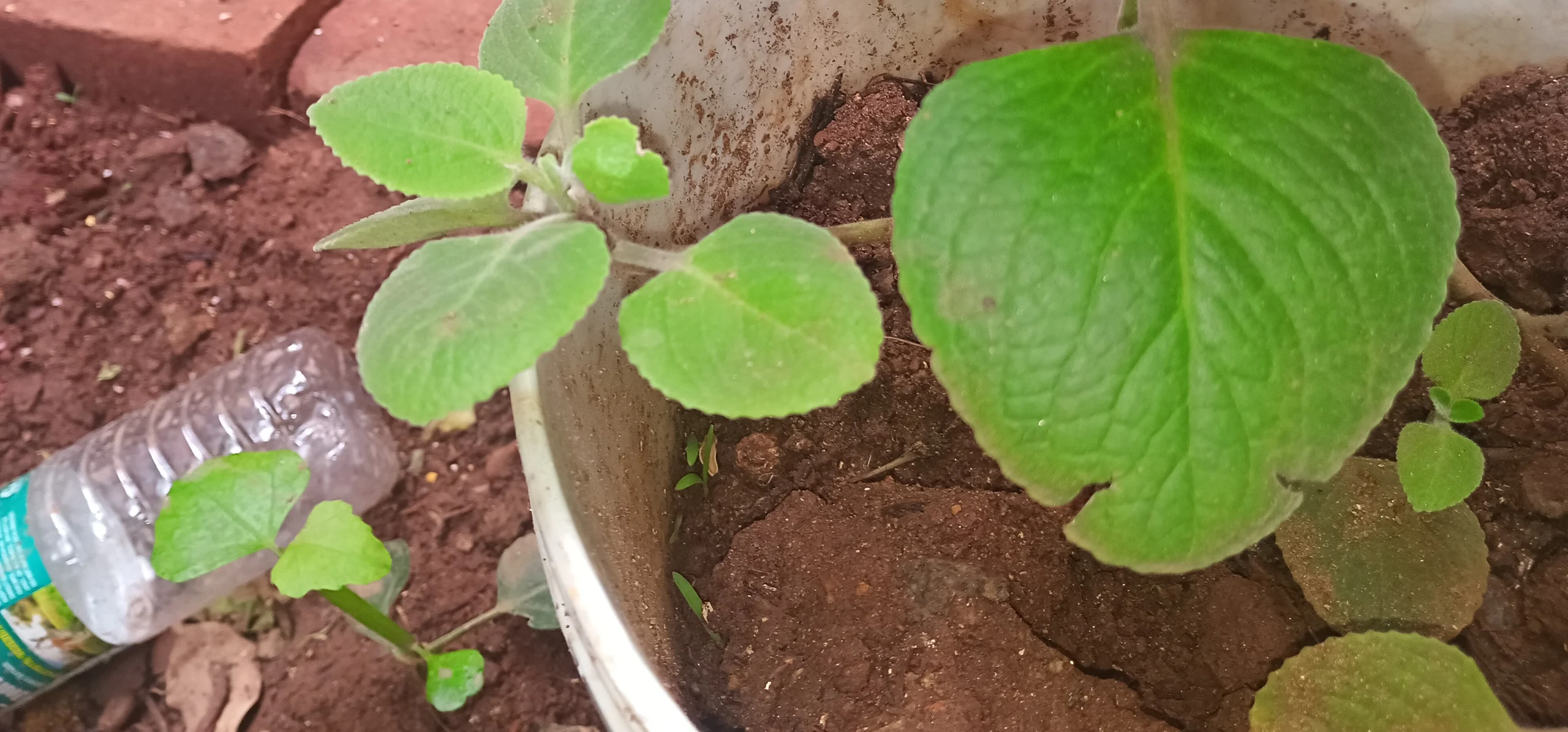
Coleus amboinicus, sold in nurseries as Cuban oregano, Mexican mint, or Indian borage, is a fleshy, velvet-leaved member of the mint family that releases a thick, oregano-like scent the moment a leaf is bruised. A cutting roots in a glass of water within a week and the plant can double in size over a single warm season, which is why it turns up equally often as a kitchen windowsill pot and as a sprawling groundcover along a sunny path in USDA zones 9a to 11b. The one thing that kills it outright is frost: a single freezing night blackens the leaves and turns the stems mushy by morning. Everything below is built around that fact, and around the plant's dislike of soggy roots.
Light and Placement
Give it full sun to part shade, six or more hours of direct light where summers are mild, and morning sun with afternoon shade where summers run hot. The thick, hairy leaves scorch and bleach at the edges under intense midday sun in a dry climate, so a spot that gets strong light but loses the sun by early afternoon produces denser, greener growth than a south-facing wall in full blast. Indoors, the brightest windowsill in the house, ideally one that faces south or west, keeps the stems from stretching. In low light the plant survives but the internodes lengthen and the leaves thin out and lose their characteristic fuzz.
Soil and Potting
Plant it in a loose, fast-draining mix, loam, sand, or shallow rocky soil all work, at a near-neutral pH of about 6.0 to 8.0. What it cannot tolerate is standing water around the roots: heavy clay or a container without a drainage hole rots the base of the stems within weeks. For pots, an unglazed terracotta container around 8 inches across lets excess moisture evaporate through the walls, which matters more for this species than the size of the pot itself. Repot only when roots circle the drainage hole, usually every one to two years given how fast the top growth fills a container; go up one pot size at a time rather than jumping straight to something much larger, since a large volume of damp soil around a small root ball is the fastest route to rot.


Watering
Water sparingly and let the top 2 inches (about 5 cm) of soil dry out between waterings. The leaves are semi-succulent, they hold reserve moisture the way a jade plant does, so the plant tolerates a missed watering far better than a soggy one. In containers outdoors during a hot, dry stretch that might mean watering once a week; in a cooler or more humid spell, once every ten days to two weeks is closer to right. Yellowing lower leaves that drop while the soil still feels damp are the first sign of overwatering, not underwatering, and the fix is to hold off entirely until the pot feels genuinely light.
Feeding
This is not a heavy feeder. A balanced, diluted liquid fertilizer once a month through spring and summer is enough to keep new growth coming without pushing soft, floppy stems that flop over and snap. Skip feeding entirely from autumn through winter, when growth slows or stops outright in anything but the warmest climates; fertilizer applied to a plant that isn't actively growing just sits in the soil and can scorch the roots.
Pruning and Pinching
Left alone, the stems lengthen quickly and flop under their own weight, so pinch the growing tips back to a leaf pair every few weeks through the growing season. This is the single habit that turns a leggy, sprawling plant into a dense, bushy one, each pinch forces two new shoots from the node just below the cut. Cut back harder, by up to half, in early spring on plants that wintered indoors and stretched toward a window; new leaves unfurl within a week or two of a spring prune and quickly fill back in.
Propagation
Stem cuttings are the fast, reliable method and the reason this plant is so widely shared between gardeners. Snip a 4 to 6 inch tip below a leaf node, strip the lower leaves, and set it in a glass of water on a bright windowsill; roots appear within five to ten days and the cutting is ready to pot once they reach an inch or two long. Division works too in spring, on mature clumps with multiple rooted stems at the base, though cuttings are simpler and give more plants per parent. Seed propagation is rarely used since the species flowers sporadically and cuttings are faster in every practical sense.
Overwintering
Outside its hardy range, treat this as a container plant that spends winter indoors. Bring pots in before the first frost warning, not after, since even a light freeze blackens the foliage overnight and there is no recovering leaves lost that way. Indoors, growth slows and the plant needs less water and no fertilizer until spring; a cool, bright room suits it better than a warm, dim one, which encourages weak, stretched growth. Gardeners in marginal zones who want a hedge against a hard freeze usually take a round of cuttings in early autumn as insurance, since a rooted cutting on a windowsill is far easier to keep alive through winter than a full-sized potted specimen.
Pests, Common Mistakes, and Pet Safety
Mealybugs and spider mites are the two pests that show up most often, usually on a plant kept too dry and dusty indoors; a strong jet of water on the leaf undersides every week or two, plus isolating a new cutting before it joins other houseplants, keeps both in check. The most common mistake with this species is treating it like a thirsty tropical foliage plant: constant moist soil rots the roots faster than almost anything else short of frost. The second most common mistake is deep shade, which produces pale, sparse, leggy growth instead of the dense, fragrant foliage the plant is grown for. The essential oils that give the leaves their strong scent are listed as toxic to cats, dogs, and horses by the ASPCA, with ingestion causing vomiting, diarrhea, and loss of appetite, so keep pots out of reach of pets that chew on houseplants.
Test your plant knowledge
Tap a card to flip it and reveal the answer.
Cuban oregano tolerates missed waterings better than constantly damp soil. Tap to reveal ✓ True
A light frost only damages the top growth and the plant recovers quickly outdoors. Tap to reveal ✕ False
Pinching the growing tips regularly produces a denser, bushier plant. Tap to reveal ✓ True
Stem cuttings rooted in water are a slower method than growing this plant from seed. Tap to reveal ✕ False
The essential oils in the leaves are listed as toxic to cats, dogs, and horses by the ASPCA. Tap to reveal ✓ True
Sources
References consulted for this guide
- GBIF Backbone Taxonomy: Coleus amboinicus Lour.gbif.org
- Plants of the World Online (Kew): Coleus amboinicus Lour.powo.science.kew.org
- ASPCA Toxic and Non-Toxic Plants: Indian Borageaspca.org
- NC State Extension Gardener Plant Toolbox: Plectranthus amboinicusplants.ces.ncsu.edu
- UF/IFAS Nassau County Extension: Fact Sheet, Cuban Oreganoblogs.ifas.ufl.edu
- Reference entity : Wikidatawikidata.org