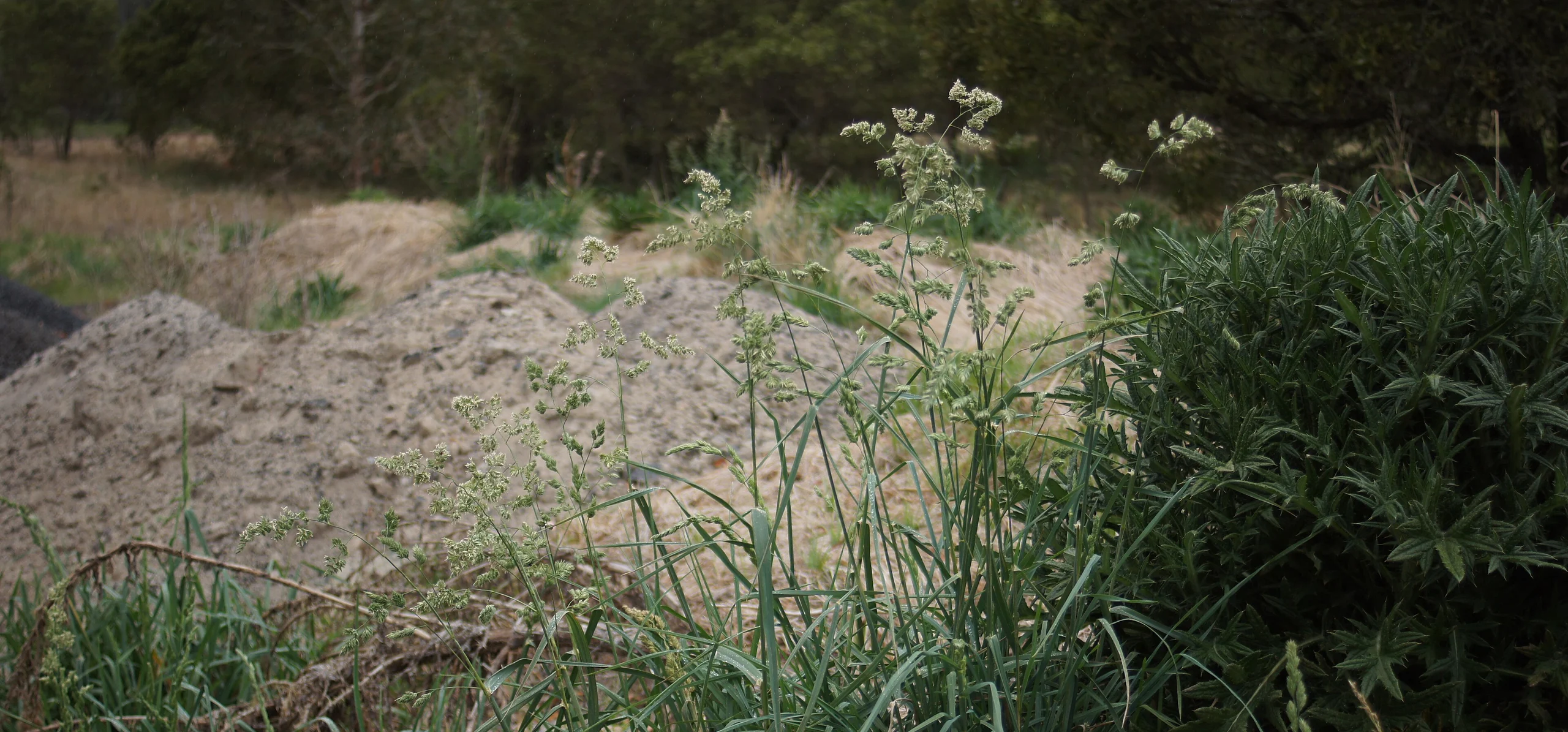
Cocksfoot
Dactylis glomerata
Family · Poaceae
Dactylis glomerata forms coarse clumping tussocks that spoil a fine lawn, feed pasture animals, trigger hay fever, and earn a place in a meadow only if cut back
Dactylis glomerata
Plant profile
- WateringModerateWater every 7 days
- Light exposurePartial sun
- Hardiness zoneUSDA 4–8
Growth
- Family
- Poaceae
- Life cycle
- Perennial
- Growth speed
- 7/10
- Mature size
- 60–150 cm
- Spread
- 10–50 cm
- Propagation
- Seed
- Division
FloweringBranched, one-sided panicles of densely clustered spikelets in summer, green at first with conspicuous cream, pink or purple anthers, graying as seed ripens (RHS)
Dormancysemi-evergreen in mild climates, dying back to a dormant crown in hard winters and regrowing from the base in spring (RHS)
Time to maturitytakes about 2 to 5 years to bulk up into a full-sized, seed-bearing tussock (RHS)
Soil & climate
- Soil types
- chalky, clayey, loamy, sandy
- Drought tolerance
- Yes
Light & Placement
- Where to place it
- hay meadow or pasture
- mixed wildflower meadow, cut and cleared annually before it dominates
- rough grass, verge or orchard floor where it self-seeds
OriginNative to Macaronesia, the Mediterranean and temperate Eurasia (POWO), including Great Britain and Ireland (RHS); widely naturalized as a forage grass and lawn or pasture weed across temperate North America
Safety
- Toxicity
- Not listed by the ASPCA as toxic to cats, dogs or horses
- Pet safe
- No
Invasive speciesgenerally considered a weed and flagged as invasive in parts of the eastern United States (NC State Extension); once established in turf, no selective herbicide removes it without also damaging the lawn around it (K-State Turf)
Data fromGBIF: Dactylis glomerata L.Plants of the World Online (Kew): DactylNorth Carolina State Extension Gardener K-State Turf Lawn Problem Solver: OrcharRHS: Dactylis glomerata (cock's foot)
Where it grows
World distribution
Cocksfoot is native to 55 countries: Afghanistan, Albania, Algeria, Austria, Belarus, Belgium, Bhutan, and Bulgaria….GBIF records 1,857,937 documented identifications across 127 countries, with the largest concentrations in France, United Kingdom, and Netherlands.
- Afghanistan
- Albania
- Algeria
- Austria
- Belarus
- Belgium
- Bhutan
- Bulgaria
- China
- Croatia
- Cyprus
- Czechia
Show 43 more countriesShow fewer countries
- Denmark
- Egypt
- Estonia
- Faroe Islands
- Finland
- France
- Georgia
- Germany
- Greece
- Hungary
- Iceland
- India
- Iran
- Iraq
- Ireland
- Italy
- Kazakhstan
- Kyrgyzstan
- Lebanon
- Libya
- Mongolia
- Morocco
- Nepal
- Netherlands
- Norway
- Pakistan
- Palestinian Territories
- Poland
- Portugal
- Romania
- Russia
- Spain
- Sri Lanka
- Sweden
- Switzerland
- Taiwan
- Tajikistan
- Tunisia
- Türkiye
- Turkmenistan
- Ukraine
- United Kingdom
- Uzbekistan
Yellow to orange dots: concentration of documented identifications per country. Green countries: sourced native range. Source: GBIFNative range from POWO (Kew).
A Coarse Bunch Grass With a One-Sided Flowerhead
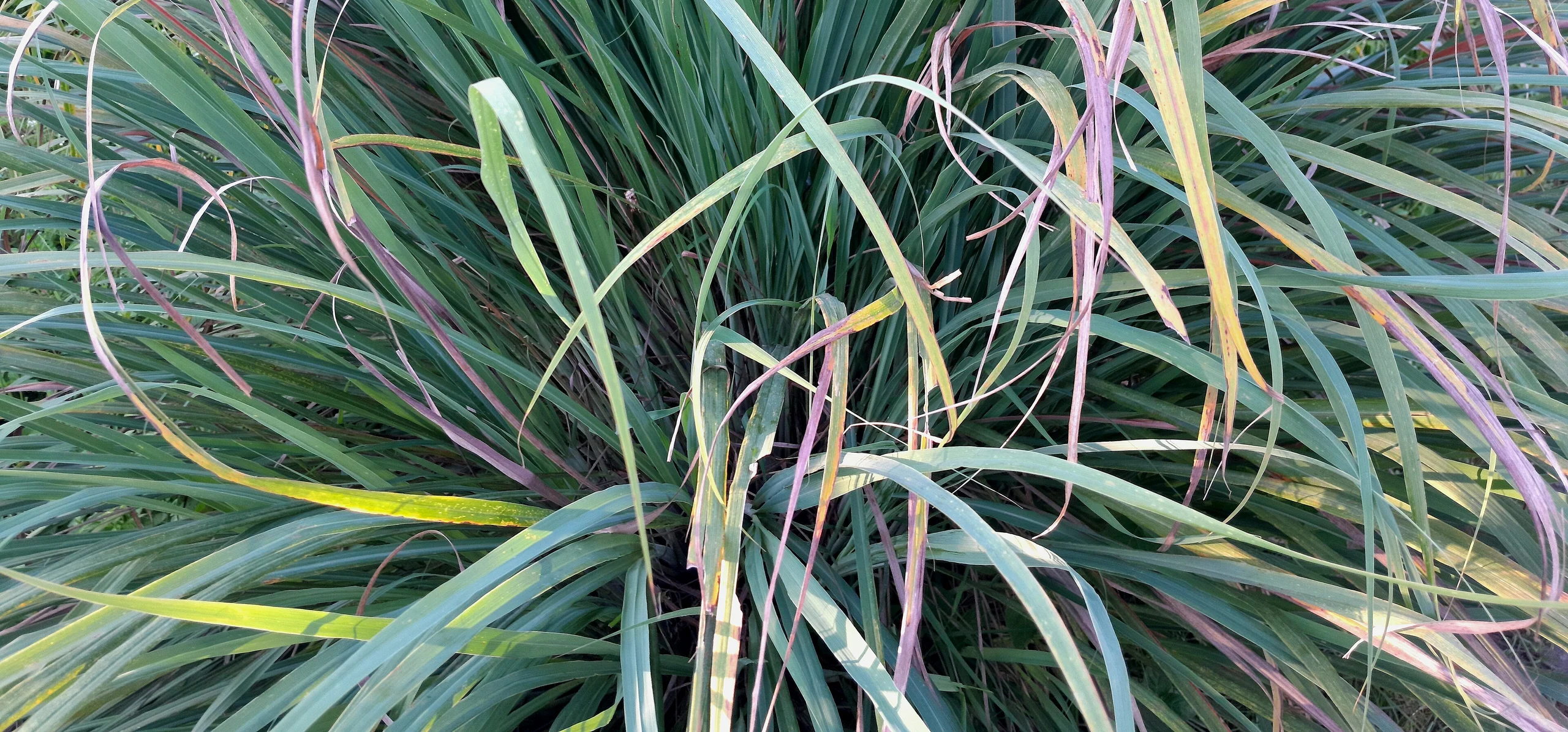
Dactylis glomerata, cocksfoot in Britain and orchardgrass across North America, is a cool-season perennial in the grass family (Poaceae) that grows as an upright bunch rather than spreading into a turf. GBIF records Dactylis glomerata L. as the accepted name, with a long tail of older synonyms, Bromus glomeratus among them, still turning up on old seed packets and in older floras. Its shoots are flattened rather than round at the base, an easy identification check even before it flowers: roll a young shoot between your fingers and a true cocksfoot feels distinctly compressed, unlike the round stem of a fine lawn grass. Once it flowers, the panicle confirms it: a branched, one-sided spray of spikelets bunched into dense, almost fist-like clusters along one side of each branch, green at first and turning grayish as the seed ripens.
Where It Grows and Why It Spreads So Easily
POWO places the native range of Dactylis glomerata across Macaronesia, the Mediterranean and temperate Eurasia, and the RHS lists it as native to Great Britain and Ireland as well. It has since naturalized across most of temperate North America and beyond, arriving both as a deliberately sown forage crop and as a hitchhiker in contaminated grass seed. NC State Extension notes it is generally considered a weed across much of that naturalized range and flags it as invasive in parts of the eastern United States, a status that has little to do with toxicity and everything to do with how readily a single seed head reseeds a pasture, an orchard floor or a neglected verge.
Why It Looks Ugly in a Fine Lawn
Dropped into a lawn of fine fescue or a tidy warm-season turf, cocksfoot is the clump nobody asked for. K-State Turf is blunt about why: the species does not knit into a dense turf canopy no matter how well it is watered and fed, and its rapid vertical growth outpaces the surrounding lawn within days of a mow, so a clump that was flush with the turf on Monday is a shaggy tuft by the weekend. Its blades are also coarser and a duller, grayer green than fine turfgrass, and NC State Extension adds that the broad leaf tips shred rather than cut cleanly, even under a sharp mower blade, leaving a ragged, bruised look exactly where a clump has just been mown.
Removing Established Clumps
There is no shortcut here: K-State Turf states plainly that no reliable selective herbicide exists for cocksfoot in turf, because it is a grass growing among grasses, so anything that kills it will also damage the lawn around it. For a handful of clumps, digging them out by hand or with a shovel, lifting the whole crown and root mass rather than shearing off the top, is the most direct fix; overseed the bare patch immediately afterward so a fast-establishing turf grass fills the gap rather than another weed. Where the infestation is heavier, spot-spraying individual clumps with a non-selective, systemic herbicide and reseeding once they have died back is the practical alternative K-State recommends, since broadcasting it over the whole lawn is not an option. Starting from certified, cocksfoot-free seed the next time a lawn is sown or overseeded prevents the problem recurring from a contaminated bag.


A Place in the Wildflower Meadow, Only If Kept in Check
The same coarse, vigorous grass that ruins a fine lawn earns its keep in a proper wildflower meadow, where the RHS lists it as a food plant for numerous butterfly and moth caterpillars and a pollen source for bees, and where its persistent tussocks make useful overwintering shelter for insects once the top growth has died back. The condition is that it must never be allowed to dominate: left unchecked in a mixed meadow it out-competes finer grasses and the wildflowers the meadow is meant to showcase, the same aggressive habit that makes it a weed elsewhere. An annual hay cut, taken once the main flush of wildflowers has set seed and the grass itself has flowered, with the cuttings raked off and removed rather than left to rot down, is what keeps a meadow's fertility low enough and cocksfoot's share of it modest enough for the mix to stay balanced from one year to the next.
Cocksfoot and Hay Fever
Cocksfoot is one of the grass species most often implicated when hay fever flares during the grass pollen season, alongside close relatives such as timothy and ryegrass in the same mixed pastures and roadside verges. Anyone managing a hay meadow or pasture with a grass allergy in the household does well to mow or cut for hay before the panicles open fully, since it is the wind-borne pollen released at flowering, not the leaves or the cut hay itself, that triggers symptoms.
A Forage Grass First
Long before it was a lawn nuisance anywhere, cocksfoot was bred and sown as a forage crop, and that remains its main deliberate use today: both NC State Extension and the RHS note its long history as a pasture and hay grass, valued for tolerating a wider range of soil and shade conditions than many other cool-season forage grasses. It responds well to rotational grazing and regrows quickly after a cut, exactly the trait that makes an escaped patch such a persistent lawn weed once it is growing somewhere nobody wants it.
Test your plant knowledge
Tap a card to flip it and reveal the answer.
Cocksfoot spreads into a dense, even turf the way fine lawn grasses do. Tap to reveal ✕ False
A selective lawn herbicide can remove cocksfoot from turf without harming the grass around it. Tap to reveal ✕ False
Cocksfoot is native to Great Britain and Ireland. Tap to reveal ✓ True
The ASPCA lists cocksfoot as toxic to cats, dogs or horses. Tap to reveal ✕ False
A cocksfoot clump can take a few years to bulk up to its full size. Tap to reveal ✓ True
Sources
References consulted for this guide
- GBIF: Dactylis glomerata L.gbif.org
- Plants of the World Online (Kew): Dactylis glomerata L.powo.science.kew.org
- North Carolina State Extension Gardener Plant Toolbox: Dactylis glomerata (Orchard Grass)plants.ces.ncsu.edu
- K-State Turf Lawn Problem Solver: Orchardgrassk-state.edu
- RHS: Dactylis glomerata (cock's foot)rhs.org.uk
- Reference entity : Wikipédiaen.wikipedia.org