Bermuda Grass
Cynodon dactylon
Family · Poaceae
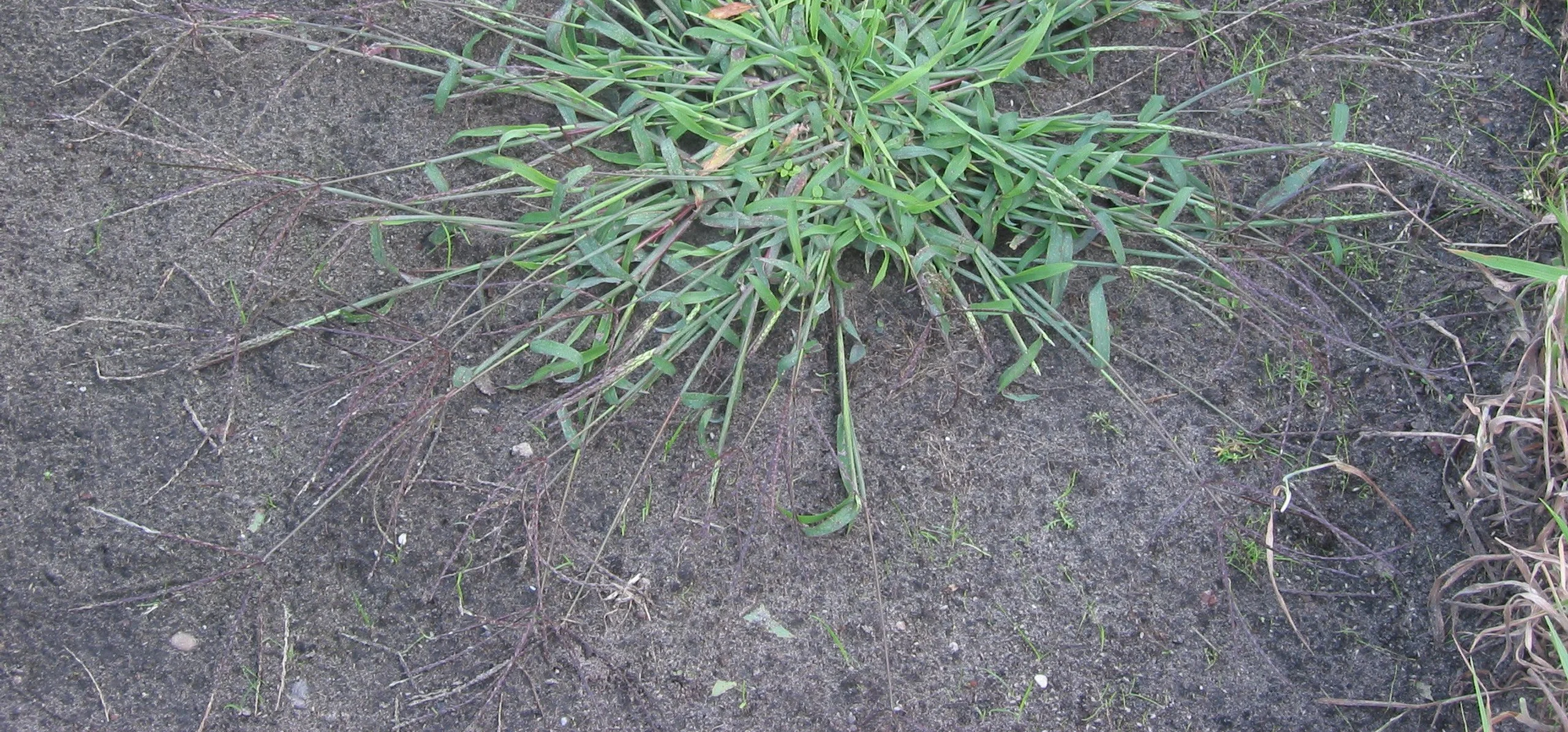
Cynodon dactylon spreads by both stolons and rhizomes, making it a tough warm-season lawn grass and one of the hardest weeds to remove from a flower bed.
Cynodon dactylon
Plant profile
- WateringLittleWater every 10 days
- Light exposureFull sun
- Hardiness zoneUSDA 6–10
Growth
- Family
- Poaceae
- Life cycle
- Perennial
- Growth speed
- 8/10
- Mature size
- 8–15 cm
- Spread
- 8–15 cm
- Propagation
- Seed
- Cutting
- Division
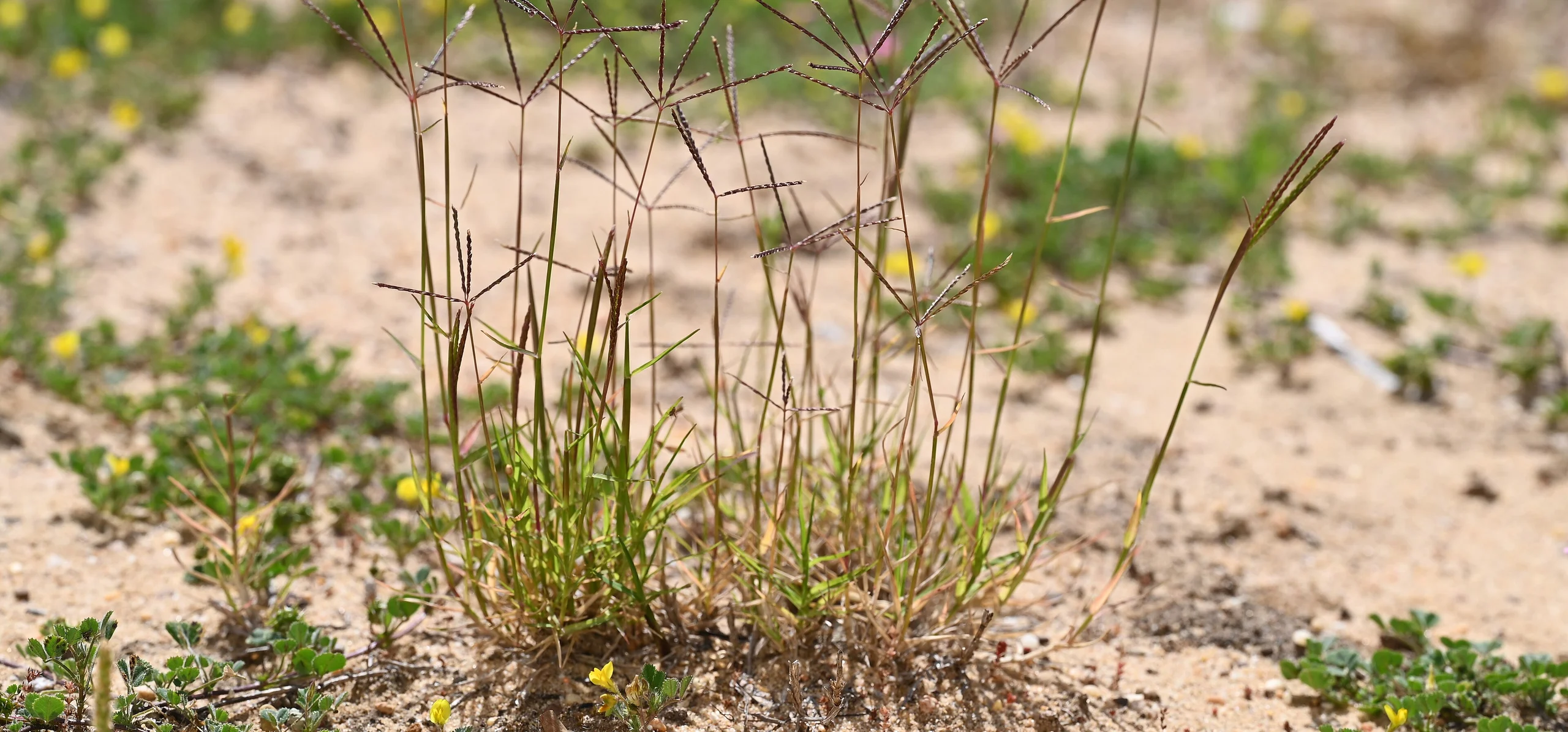
FloweringSmall purplish seed heads made of 3 to 6 finger-like spikes radiating from one point, held above the canopy if left unmown
Dormancyturns straw-brown and stops growing once soil temperature falls into the mid-50s Fahrenheit, regreening from surviving rhizomes and stolons once the soil warms back up in spring
Time to maturityreaches full ground cover in roughly 45 to 90 days from sprigs or seed under good growing conditions
Soil & climate
- Soil types
- clayey, loamy, sandy
- Drought tolerance
- Yes
Light & Placement
- Where to place it
- full-sun lawn
- sports field or golf fairway
- slope needing erosion control
OriginTemperate and subtropical Old World to Australia, spanning Africa and Eurasia; naturalized as turf and as a weed across warm regions worldwide
Safety
- Toxicity
- Not listed by the ASPCA as toxic to cats, dogs or horses
- Pet safe
- No
Invasive speciesranked among the world's most troublesome weeds of cultivated land, spreading from a lawn edge into beds and crops by stolons and rhizomes that resprout from small fragments left behind after weeding or tilling
Data fromGBIF: Cynodon dactylon (L.) Pers.Plants of the World Online (Kew): CynodoNorth Carolina State Extension Gardener UC IPM Pest Notes: BermudagrassUSDA PLANTS Database: Cynodon dactylon (
Where it grows
World distribution
Bermuda Grass is native to 109 countries: Afghanistan, Albania, Algeria, Angola, Australia, Austria, Bangladesh, and Benin….GBIF records 174,280 documented identifications across 225 countries, with the largest concentrations in France, Australia, and United States.
- Afghanistan
- Albania
- Algeria
- Angola
- Australia
- Austria
- Bangladesh
- Benin
- Bhutan
- Botswana
- Bulgaria
- Burkina Faso
Show 97 more countriesShow fewer countries
- Burundi
- Cambodia
- Cameroon
- Cape Verde
- Central African Republic
- Chad
- China
- Congo - Brazzaville
- Congo - Kinshasa
- Côte d’Ivoire
- Croatia
- Cyprus
- Czechia
- Djibouti
- Egypt
- Equatorial Guinea
- Eritrea
- Eswatini
- Ethiopia
- France
- Gabon
- Gambia
- Georgia
- Ghana
- Greece
- Guinea
- Guinea-Bissau
- Hungary
- India
- Indonesia
- Iran
- Iraq
- Italy
- Japan
- Kazakhstan
- Kenya
- Kuwait
- Kyrgyzstan
- Laos
- Lebanon
- Lesotho
- Liberia
- Libya
- Madagascar
- Malawi
- Malaysia
- Mali
- Mauritania
- Mauritius
- Morocco
- Mozambique
- Myanmar (Burma)
- Namibia
- Nepal
- Niger
- Nigeria
- Oman
- Pakistan
- Palestinian Territories
- Papua New Guinea
- Philippines
- Portugal
- Réunion
- Romania
- Russia
- Rwanda
- São Tomé & Príncipe
- Saudi Arabia
- Senegal
- Seychelles
- Sierra Leone
- Solomon Islands
- Somalia
- South Africa
- South Korea
- Spain
- Sri Lanka
- Sudan
- Switzerland
- Taiwan
- Tajikistan
- Tanzania
- Thailand
- Togo
- Tunisia
- Türkiye
- Turkmenistan
- Uganda
- Ukraine
- United Arab Emirates
- United Kingdom
- Uzbekistan
- Vietnam
- Western Sahara
- Yemen
- Zambia
- Zimbabwe
Yellow to orange dots: concentration of documented identifications per country. Green countries: sourced native range. Source: GBIFNative range from POWO (Kew).
A Grass Built to Spread Two Ways
Cynodon dactylon, Bermuda grass, is a warm-season perennial in the grass family (Poaceae) that spreads through two creeping systems running at once: wiry stolons that run along the soil surface and rhizomes that tunnel just under it, both rooting and sending up new shoots wherever a node touches soil. In undisturbed ground those rhizomes usually sit only 1 to 6 inches down, though in loose or sandy soil near a foundation or paved edge they can push deeper. That double runner system is the whole story of this species: it is what lets a few sprigs fill a bare lawn in a single summer, and it is exactly what makes the same plant nearly impossible to dig out once it has crossed into a flower bed. GBIF records Cynodon dactylon (L.) Pers. as the accepted name, with a long list of older synonyms, Agrostis bermudiana and Capriola dactylon among them, that still turn up in older weed keys and nursery tags.
Choosing Between Seed, Sprigs and Sod
Common bermudagrass, the type sold as seed, sets viable seed of its own and fills in from a spring sowing once nights are reliably staying warm. The finer-textured hybrid types bred for golf greens and sports fields, by contrast, are sterile triploid crosses that produce no usable seed at all and have to be planted vegetatively, as sprigs, plugs or sod, generally from spring through late summer so the young grass has time to root before the first frost. Either route, extension trials put full ground cover at roughly 45 to 90 days under good conditions, so a bare patch sprigged in late spring is normally solid turf by midsummer rather than by the following year.


Mowing Low and Often
Bermuda grass wants a short, regular cut rather than being left to grow tall and topped occasionally. North Carolina State Extension recommends keeping mown turf at 3/4 inch to 2 inches, and during the peak of summer growth that usually means mowing at least once a week, sometimes twice, so no single pass removes more than about a third of the blade. A mower set too high lets the grass thatch and grow puffy instead of dense; one set too low, especially with a rotary rather than a reel mower, scalps the crowns and opens bare patches that weeds are quick to colonize.
Watering and Feeding for Dense Turf
This is a genuinely drought-tolerant grass, capable of riding out a dry summer by slowing growth and drawing on its rhizomes, but UC IPM guidance is direct that it grows best when irrigated rather than left to fend for itself. The densest, most wear-resistant turf comes from regular, deep watering through the growing season paired with nitrogen feeding while the grass is actively growing; skip the feeding during a hot, dry stretch and the lawn thins and pales well before it browns off for winter.
Winter Dormancy and Cold Limits
Expect Bermuda grass to lose its green color and stop growing once soil temperature at root depth drops into the mid-50s Fahrenheit, then green back up on its own once the soil warms past that point in spring. This is dormancy, not death, the crowns and rhizomes stay alive under the straw-brown surface the whole time. North Carolina State Extension places its cold hardiness at USDA zones 6a through 10b, but is specific that the plant cannot survive a winter where temperatures drop below about 10°F, which is why it thins out or disappears from lawns at the northern edge of that range.
One of the World's Worst Weeds
The same rhizome-and-stolon system that makes Bermuda grass a good lawn makes it, outside a mown turf setting, one of the most persistently troublesome weeds in cultivated land worldwide, competing hard in crops such as sugarcane, cotton, corn and vineyards across dozens of countries. It survives both flooding and drought by regrowing from whatever rhizome material stays intact underground, climbs over and through neighboring plants along its stolons, and slips from a lawn edge into an adjoining bed with no help from anyone. None of this makes it a poisonous plant: it is not listed by the ASPCA as toxic to cats, dogs or horses, the problem it causes is entirely about competition and persistence, not chemistry.
Getting Bermuda Grass Out of a Flower Bed
Digging is where most people go wrong: a single pass with a spade or tiller chops the rhizomes into short segments, and UC IPM notes plainly that many of those segments simply root again wherever they land, turning one patch into several. Repeated cultivation, two or three passes over a summer with water withheld in between so the exposed rhizomes dry out in the sun, works better than one thorough dig. Clear plastic solarization over a bed during the hottest weeks of summer can kill both the rhizomes and any seed sitting in the soil. Where herbicide is an option, UC IPM points to a grass-selective product applied in spring while new growth is still under 6 inches, or glyphosate applied to actively growing, unmowed grass in late summer when the plant is pulling sugars down into its roots for winter, as the timings that work best, followed by at least a week before mowing or disturbing the treated area. A metal or plastic edging strip sunk along a bed's border, deep enough to sit below the rhizome zone, is the most reliable way to stop a neighboring lawn's Bermuda grass from re-invading a bed that has just been cleared.
Bermuda Grass and Pollen Allergy
Where it is grown as turf across the warmer half of the country, Bermuda grass is also one of the more troublesome grass pollens for people with hay fever: its long warm-season growth cycle lets it flower and shed pollen over a longer stretch of the year than cool-season lawn grasses that go dormant in summer heat. Mowing before seed heads open, keeping the lawn at the recommended height rather than letting flowering stems rise above the canopy, and choosing a low-seeding hybrid variety over common seeded Bermuda grass are practical ways a lawn owner with grass allergies can cut down on exposure without giving up the lawn.
Test your plant knowledge
Tap a card to flip it and reveal the answer.
Bermuda grass spreads using both above-ground stolons and below-ground rhizomes at the same time. Tap to reveal ✓ True
One thorough rototilling pass is usually enough to clear bermuda grass out of a garden bed. Tap to reveal ✕ False
The fine hybrid bermudagrass varieties used on golf greens are typically grown from seed, the same way common bermudagrass is. Tap to reveal ✕ False
Bermuda grass typically stops growing and turns straw-brown once soil temperature drops into the mid-50s Fahrenheit. Tap to reveal ✓ True
Bermuda grass pollen is a recognized trigger of hay fever symptoms in regions where it grows as turf year-round. Tap to reveal ✓ True
Sources
References consulted for this guide
- GBIF: Cynodon dactylon (L.) Pers.gbif.org
- Plants of the World Online (Kew): Cynodon dactylonpowo.science.kew.org
- North Carolina State Extension Gardener Plant Toolbox: Bermudagrass (Cynodon)plants.ces.ncsu.edu
- UC IPM Pest Notes: Bermudagrassipm.ucanr.edu
- USDA PLANTS Database: Cynodon dactylon (CYDA)plants.usda.gov
- Reference entity : Wikipédiaen.wikipedia.org