Wild Carrot
Daucus carota
Family · Apiaceae
Carrot seed is dust-fine and needs thinning, stony soil forks the taproot, and the wild form is easy to mistake for deadly poison hemlock.
Daucus carota
Plant profile
- WateringModerateWater every 6 days
- Light exposureFull sun
Growth
- Family
- Apiaceae
- Life cycle
- Biennial
- Growth speed
- 5/10
- Mature size
- Root ready in 65-75 days; wild form to about 2 ft tall
- Flowering
- Biennial; lacy white umbels in the second year
- Propagation
- Seed
DormancyOverwinters as a first-year rosette before flowering the following year
Time to maturity65-75 days from seed to full-size root
Soil & climate
- Soil types
- deep, loose, well-drained, free of rocks and clods
- Drought tolerance
- No
Light & Placement
- Origin
- Macaronesia to N. Africa and Ethiopia, Europe to S. China
- Where to place it
- open vegetable bed
- raised bed with loose, deep soil
- deep container, 12 inches or more, for short round varieties
Safety
- Toxicity
- CatsSafe
- DogsSafe
- HorsesSafe
Invasive speciesNaturalized well beyond its native Eurasian and North African range and regulated as a noxious weed in parts of North America; self-seeds readily along roadsides and unmown ground.
Data fromGBIF: Daucus carota L.ASPCA: Toxic and Non-Toxic Plants, CarroUniversity of Maryland Extension: GrowinUC IPM (University of California ANR): CPenn State Extension: Poison Hemlock Ide
Where it grows
World distribution
Wild Carrot is native to 50 countries: Afghanistan, Albania, Algeria, Austria, Belarus, Belgium, Bulgaria, and Cape Verde….GBIF records 918,609 documented identifications across 152 countries, with the largest concentrations in France, United Kingdom, and Netherlands.
- Afghanistan
- Albania
- Algeria
- Austria
- Belarus
- Belgium
- Bulgaria
- Cape Verde
- China
- Croatia
- Cyprus
- Czechia
Show 38 more countriesShow fewer countries
- Denmark
- Eritrea
- Estonia
- Ethiopia
- France
- Georgia
- Germany
- Greece
- Hungary
- India
- Iran
- Iraq
- Ireland
- Italy
- Kazakhstan
- Kyrgyzstan
- Lebanon
- Libya
- Morocco
- Nepal
- Netherlands
- Norway
- Pakistan
- Palestinian Territories
- Poland
- Portugal
- Romania
- Russia
- Spain
- Sweden
- Switzerland
- Tajikistan
- Tunisia
- Türkiye
- Turkmenistan
- Ukraine
- United Kingdom
- Uzbekistan
Yellow to orange dots: concentration of documented identifications per country. Green countries: sourced native range. Source: GBIFNative range from POWO (Kew).
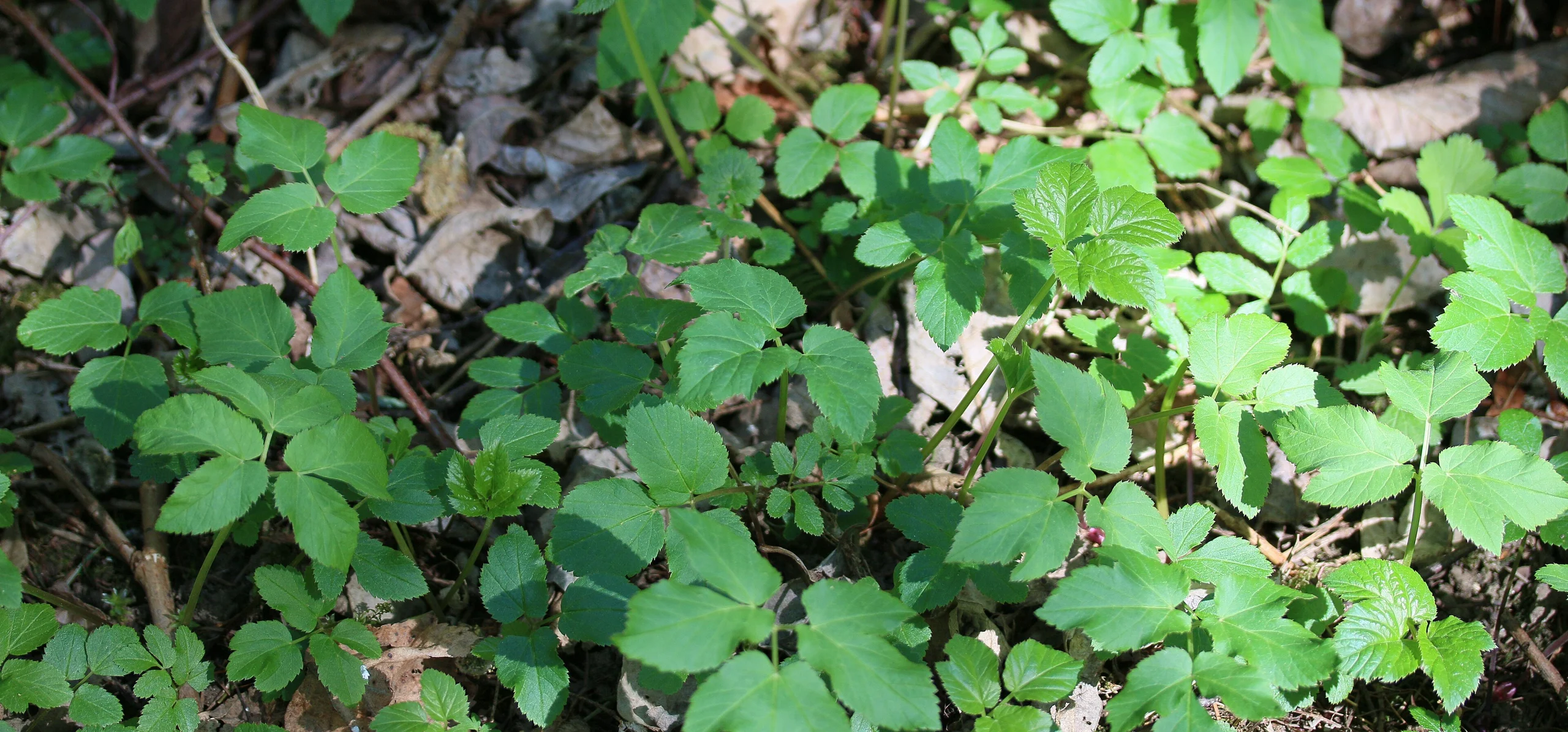
Daucus carota covers two very different plants under one name: the cultivated carrot sown for a root harvest, and the wild form that blooms as Queen Anne's lace along roadsides and old fields. The seed is dust-fine either way, sown a quarter to half an inch deep, and University of Maryland Extension notes germination is uneven enough that thinning is not optional. Grown in stony or compacted ground, the taproot forks around whatever it meets instead of running straight, which is the single most common complaint about homegrown carrots. If you are looking at the wild form instead, in a hedgerow or verge, the one fact worth knowing before touching it is that its stem, flower and height all differ from poison hemlock, a relative that can be fatal.
One Plant, Two Lives: Garden Carrot and Wild Carrot
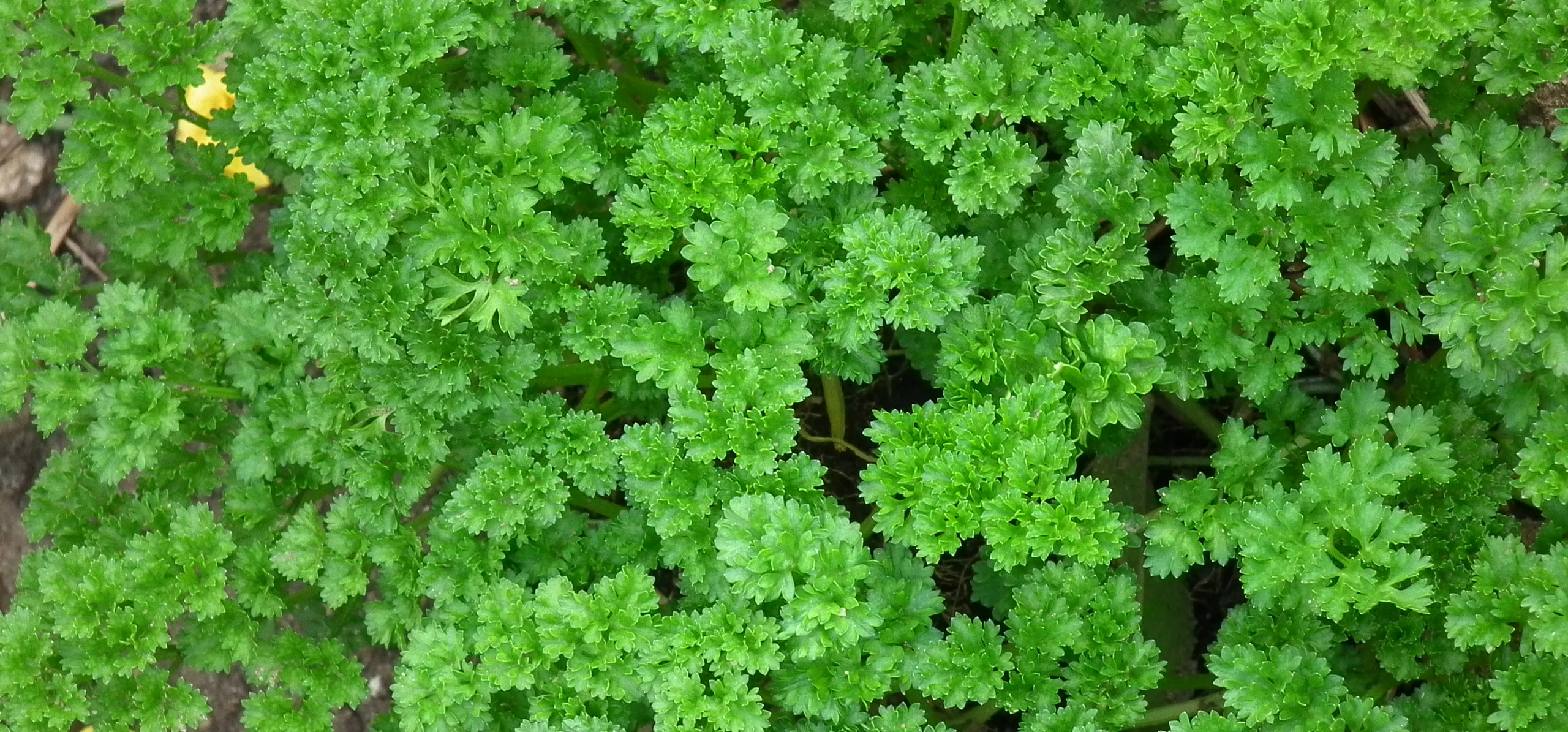
GBIF lists the accepted name as Daucus carota L., family Apiaceae, and treats the cultivated carrot and the roadside wildflower called Queen Anne's lace as varieties of the same species rather than separate plants. According to Plants of the World Online, the native range of Daucus carota runs from Macaronesia to North Africa and Ethiopia, and from Europe to South China, so the plant now common in North American meadows arrived there rather than originating there. The cultivated line has been selected over generations for a sweeter, less woody root and less of the bitter latex the wild form carries in its skin; the wild form keeps the tough, pale, often-forking root and puts its energy into the flower instead. Knowing which one is in front of you changes how you sow it and whether you should touch it at all, covered further down.
Sowing Carrot Seed and the Thinning You Cannot Skip
Carrot seed is small enough to blow off an open hand, and University of Maryland Extension recommends covering it with only a quarter to half an inch of soil and waiting until the ground has warmed to at least 45°F (7°C) before sowing. Because seed is sown thickly to compensate for uneven germination, every row comes up crowded, and the fix is thinning once seedlings reach about two inches tall, cutting rather than pulling the extras so the roots left behind are not disturbed. Left unthinned, no single root in a crowded cluster has room to swell, and the whole row matures into a tangle of thin, twisted carrots instead of a few good ones. UMD puts a full-size root at 65 to 75 days from seed, with baby carrots pullable earlier, before the shoulder passes about an inch across.
Soil, Stones, and Forked Roots
A carrot root only grows as straight as the ground lets it. University of Maryland Extension calls for deep, loose, well-drained soil free of rocks, clods, or debris, precisely because a taproot cannot push through a stone or a hard clod; it splits and grows around the obstruction instead, and that split is what a forked carrot actually is. In practice this means working the bed a full spade deep before sowing, breaking up clods by hand rather than leaving them for the root to find, and skipping fresh manure right before planting, since undecomposed material in the row creates the same kind of obstruction lower down. None of this straightens a crop that has already forked; it only prevents the next one.


Carrot Rust Fly: Damage You Only See Underground
The carrot rust fly, Psila rosae, is the pest that makes a row look fine right up until harvest. UC IPM describes the larvae as stiff white maggots about a third of an inch long that tunnel through the root and leave the tunnels packed with a rusty-colored mush, and it is explicit that there are no aboveground symptoms to warn you while it happens. The practical defense is timing and a physical barrier rather than a spray after the fact: UC IPM recommends planting outside the fly's peak egg-laying window, early summer in cold climates or late winter and late summer where winters are mild, and covering seedbeds with row cover or individual protective cones so adults cannot reach the crown to lay eggs. Harvesting the bed in one pass rather than pulling roots selectively, and clearing carrots out of the ground before winter instead of leaving them stored in the soil, both cut the population available to start the next generation, since related crops like parsley and celery can host the same fly between carrot plantings.
Watering and Harvest Timing
Consistent moisture matters more for carrots than for most root vegetables, because a dry spell followed by heavy watering swells the root unevenly and can split it along its length; the goal is even soil moisture from sowing through the final weeks of bulking up, not a feast-and-famine schedule. Pull a test root once the shoulder is visible at the soil surface rather than guessing by the calendar, since a root left too long past that point turns woody and loses the tenderness that made it worth growing.
Storing the Harvest
Topped carrots, with the leafy tops twisted or cut off close to the crown, hold for four to five months at 32°F (0°C) and 90 to 95 percent relative humidity without a noticeable drop in quality, per University of Maryland Extension. That combination, cold and humid, is harder to get right than it sounds: a refrigerator crisper drawer gets close if the roots are bagged loosely to hold moisture in, while carrots stored dry in an open bowl go limp within days as they lose water through the cut surface at the top. Leaving the leafy tops attached in storage does the opposite of helping, since the foliage keeps drawing moisture out of the root after harvest.
Queen Anne's Lace in the Wild
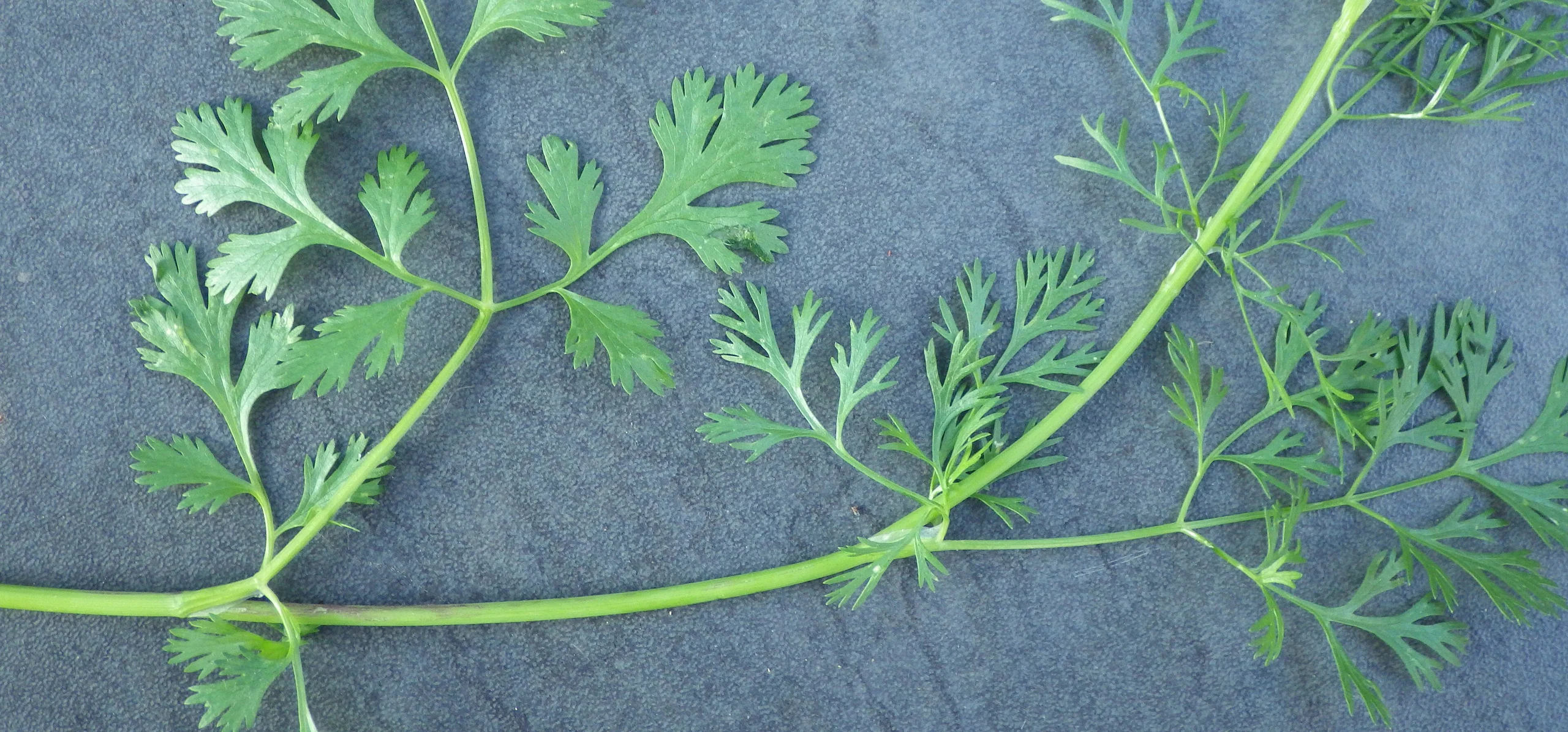
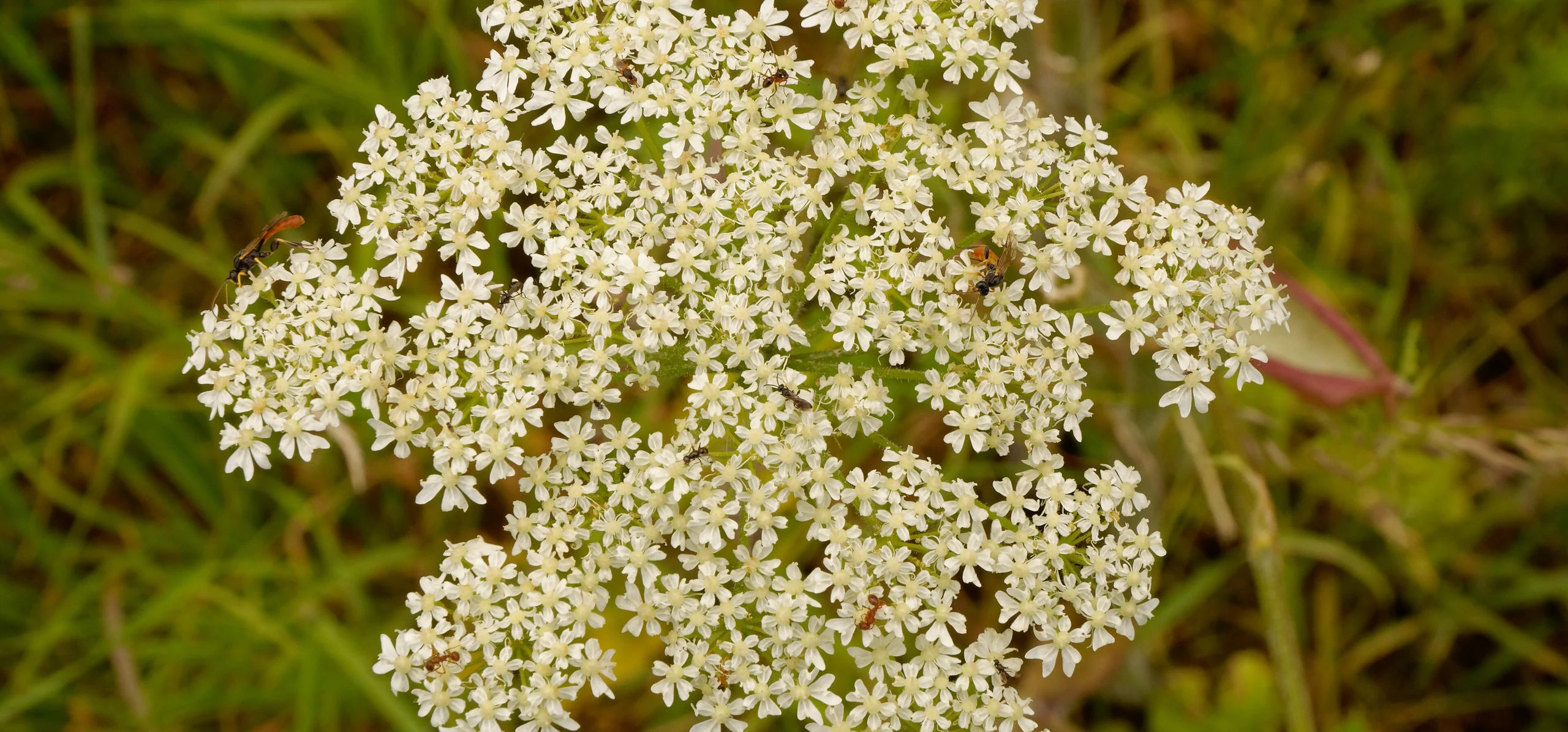
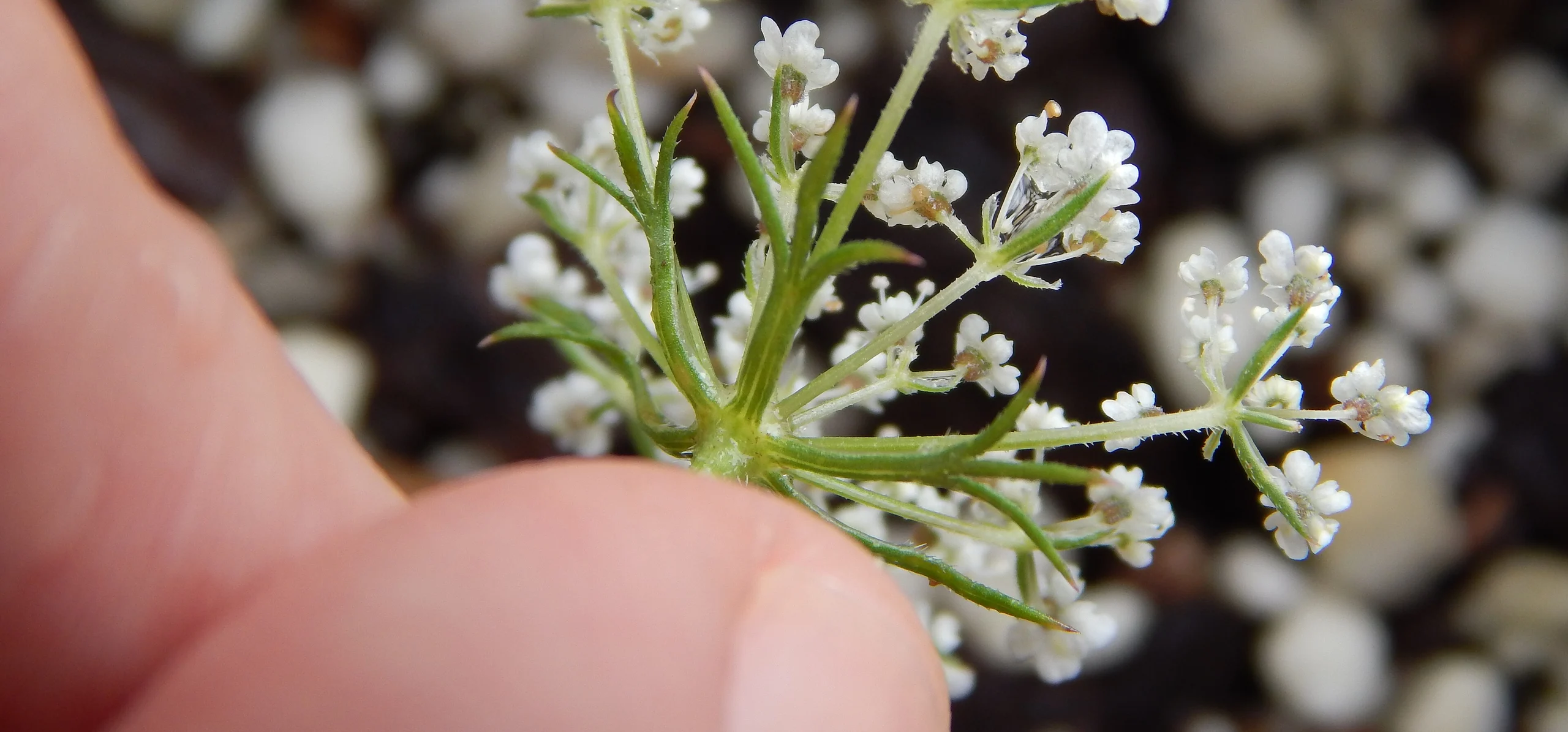
The wild form flowers as a lacy, flat-topped cluster of small white flowers, rarely reaching more than about two feet tall, and Penn State Extension notes its stem is densely covered in hairs along its whole length, a texture you can feel without needing to see it clearly. It is biennial: the first year produces only a low rosette of ferny leaves at ground level, and the flower stalk comes up the second year, the same two-year pattern typical of the family, Apiaceae, that also includes several plants worth treating with caution. Crushed, the foliage and root both smell distinctly of carrot, one of the few identification cues that does not require getting close enough to touch the plant.
The Poison Hemlock Lookalike: A Warning Worth Repeating
Poison hemlock, Conium maculatum, grows alongside wild carrot in the same ditches and field edges, flowers in the same lacy white clusters, and is poisonous to humans and animals, according to Penn State Extension, which recommends gloves even for handling it. The two are told apart by the stem: Penn State Extension describes poison hemlock's stem as marked with red or purplish spots that, by flowering time, can grow together until the whole stem looks purple, while wild carrot's stem carries no such blotches and stays hairy from base to flower. Height helps too: Penn State Extension puts flowering hemlock at three to six feet, roughly double the height wild carrot rarely exceeds. The hardest stage to call correctly is the first-year rosette, before either plant has bolted, when hemlock's purple spotting can still be faint; Penn State Extension's own advice at that stage is to contact a local extension office rather than guess. None of this is a reason to avoid wild carrot in a garden or hedgerow, but it is a reason never to eat, forage, or let a child handle anything in this family without a confident, stem-level identification first.
Test your plant knowledge
Tap a card to flip it and reveal the answer.
Carrot seed germinates unevenly, so most rows need thinning once seedlings are a couple of inches tall. Tap to reveal ✓ True
Poison hemlock's stem is just as hairy as wild carrot's, so touch alone cannot tell the two apart. Tap to reveal ✕ False
Carrot rust fly damage usually shows up as wilting or spotting on the leaves before the root is harvested. Tap to reveal ✕ False
Compacted or rocky soil is a common physical reason a carrot's taproot forks instead of growing straight down. Tap to reveal ✓ True
It is safe to eat any lacy white roadside umbel that looks like Queen Anne's lace without checking the stem first. Tap to reveal ✕ False
Sources
References consulted for this guide
- GBIF: Daucus carota L.gbif.org
- ASPCA: Toxic and Non-Toxic Plants, Carrot Floweraspca.org
- University of Maryland Extension: Growing Carrots in a Home Gardenextension.umd.edu
- UC IPM (University of California ANR): Carrot Rust Flyipm.ucanr.edu
- Penn State Extension: Poison Hemlock Identificationextension.psu.edu
- Reference entity : Wikipédiaen.wikipedia.org