Parsley
Petroselinum crispum
Family · Apiaceae
Petroselinum crispum takes a month to germinate, bolts fast after a cold spell, and keeps producing leaves only with light, regular harvesting.
Petroselinum crispum
Plant profile
- WateringHighWater every 4 days
- Light exposurePartial sun
- Ideal temperature-20–29 °C
Growth
- Family
- Apiaceae
- Life cycle
- Biennial
- Growth speed
- 3/10
- Mature size
- 10–50 cm
- Spread
- 10–50 cm
- Flowering
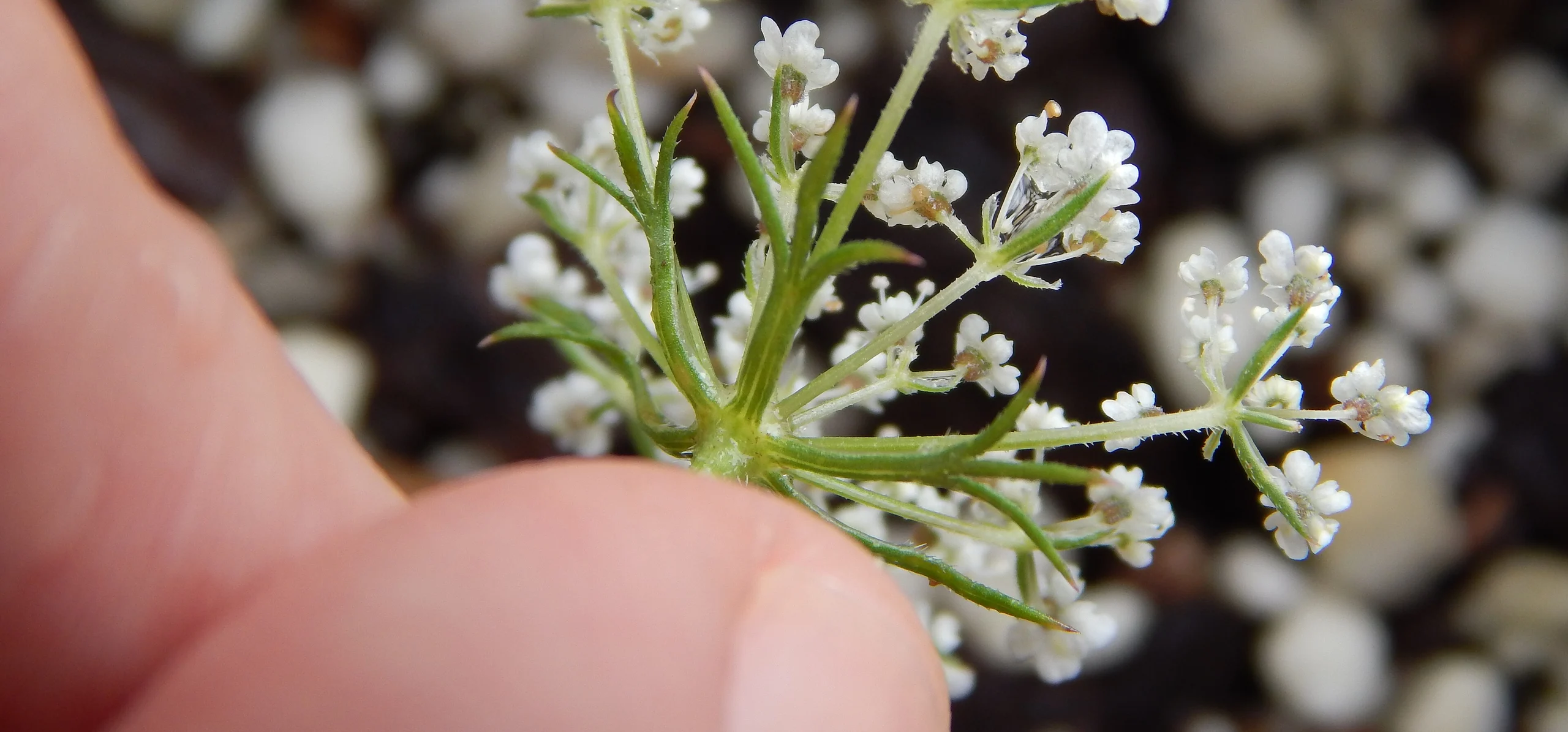
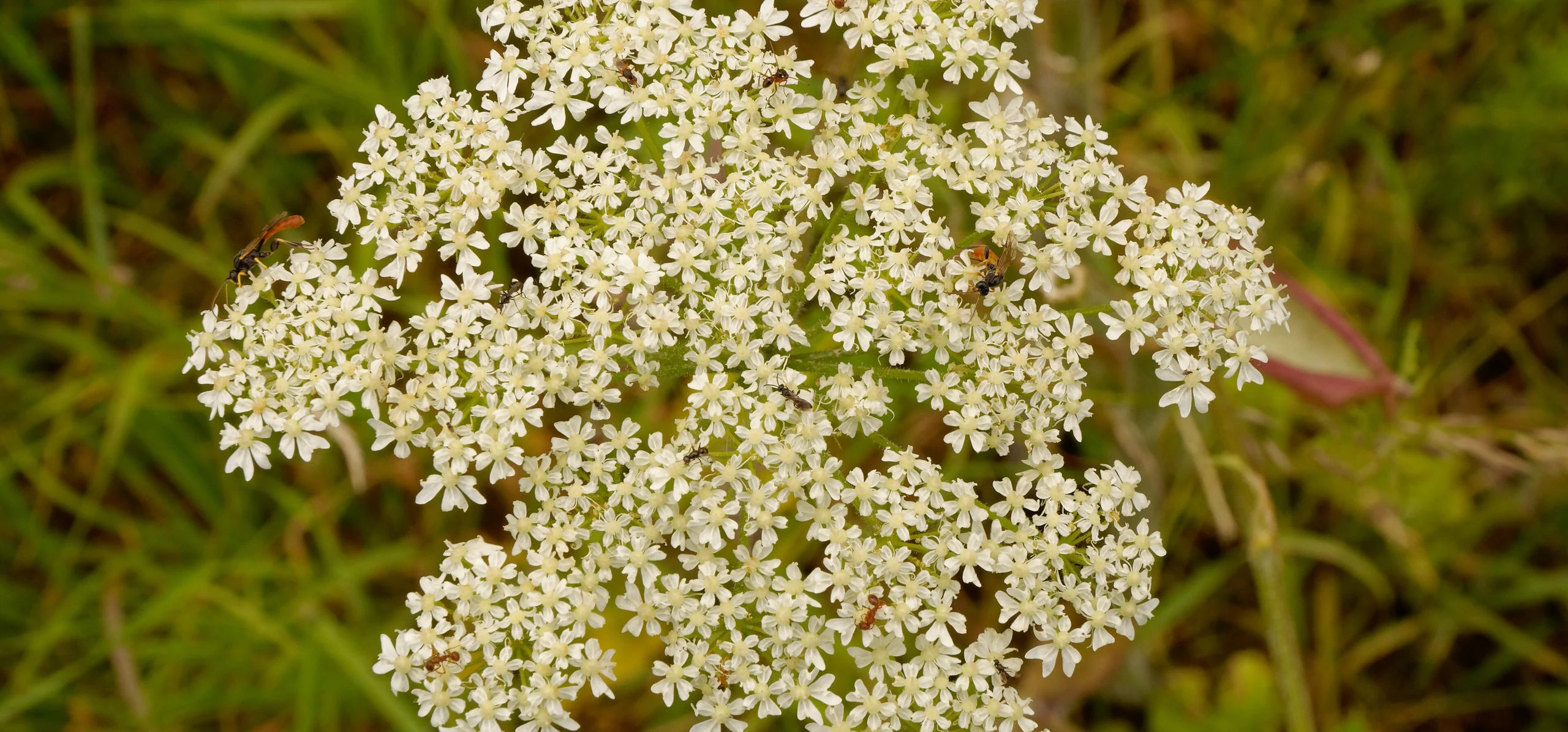
- Small yellow-green flowers, second-year summer
- Propagation
- Seed
DormancySemi-evergreen; overwinters as a leaf rosette in mild climates (RHS)
Time to maturity70-80 days to first harvest, about 30 days of regrowth between cuts (Texas AgriLife Extension)
Soil & climate
- Soil pH
- pH 6–7
- Soil types
- sandy loam, loam, clay, chalk
- Drought tolerance
- No
Light & Placement
- Origin
- NW. Africa and the Balkan Peninsula (POWO)
- Where to place it
- bright windowsill
- sunny vegetable bed or herb border
- partial shade in hot climates
- container at least 25cm wide and deep
Safety
- Toxicity
- CatsToxic
- DogsToxic
- HorsesToxic
Invasive speciesNot invasive; self-seeds if flower stems are left to set seed
Data fromGBIF: Petroselinum crispum (Mill.) FussPOWO (Kew): Petroselinum crispum (Mill.)RHS: Petroselinum crispumTexas AgriLife Extension: ParsleyASPCA: Toxic and Non-toxic Plants, Parsl
Where it grows
World distribution
Parsley is native to 4 countries: Algeria, Croatia, Greece, and Morocco.GBIF records 18,765 documented identifications across 124 countries, with the largest concentrations in United Kingdom, France, and Spain.
- Algeria
- Croatia
- Greece
- Morocco
Yellow to orange dots: concentration of documented identifications per country. Green countries: sourced native range. Source: GBIFNative range from POWO (Kew).
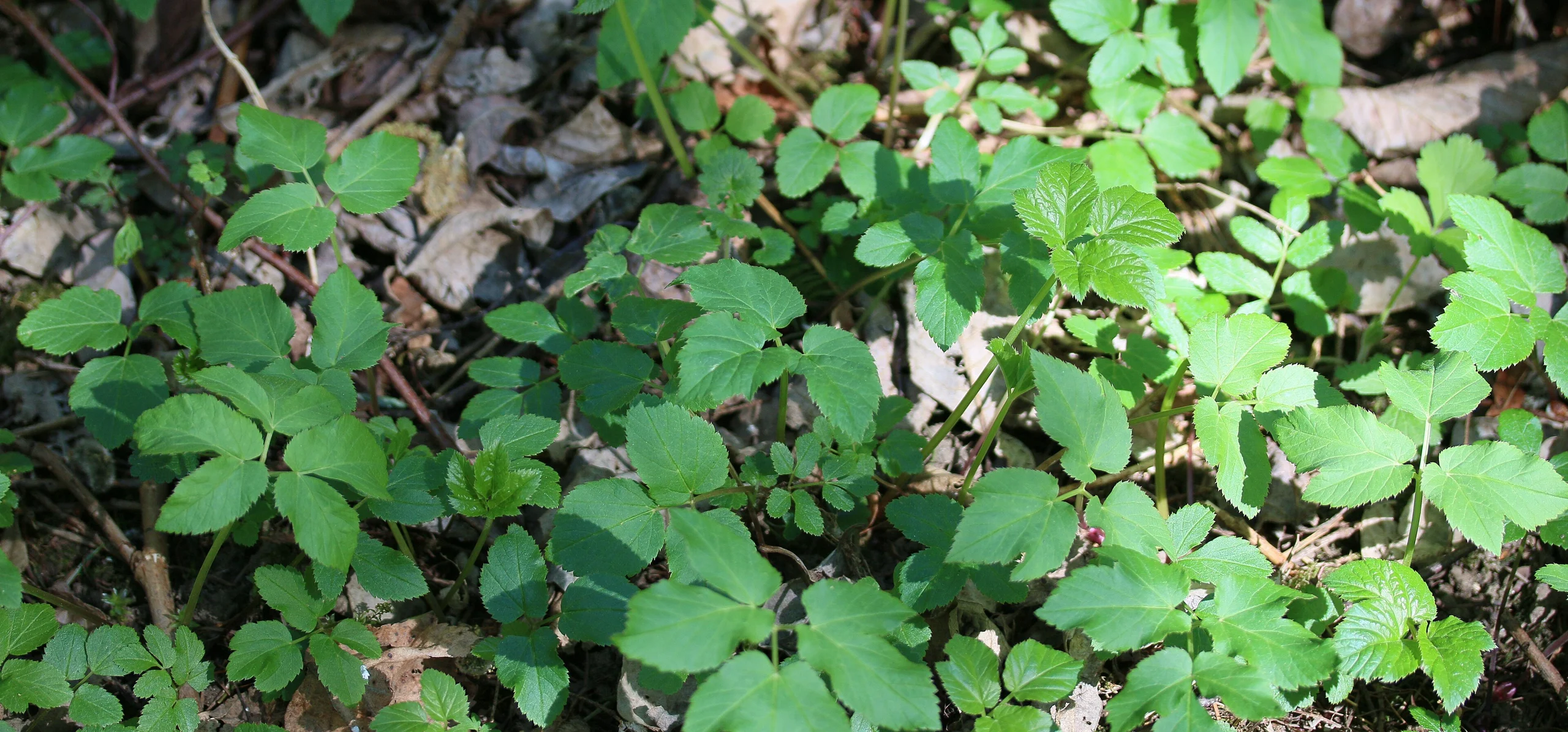
A pot of parsley from the garden centre looks the same whether it has one season of life left or two, and that distinction shapes almost everything about growing it well. Petroselinum crispum is a true biennial: the tight rosette of leaves in the pot is first-year growth, and if the plant survives winter it sends up a tall flowering stem the following summer instead of more usable leaves. Curly and flat-leaf forms are grown the same way, so the real choice is about flavour, not care. Get sowing temperature, moisture and light right early and the plant asks for very little else.
Flat-Leaf or Curly: Picking a Type
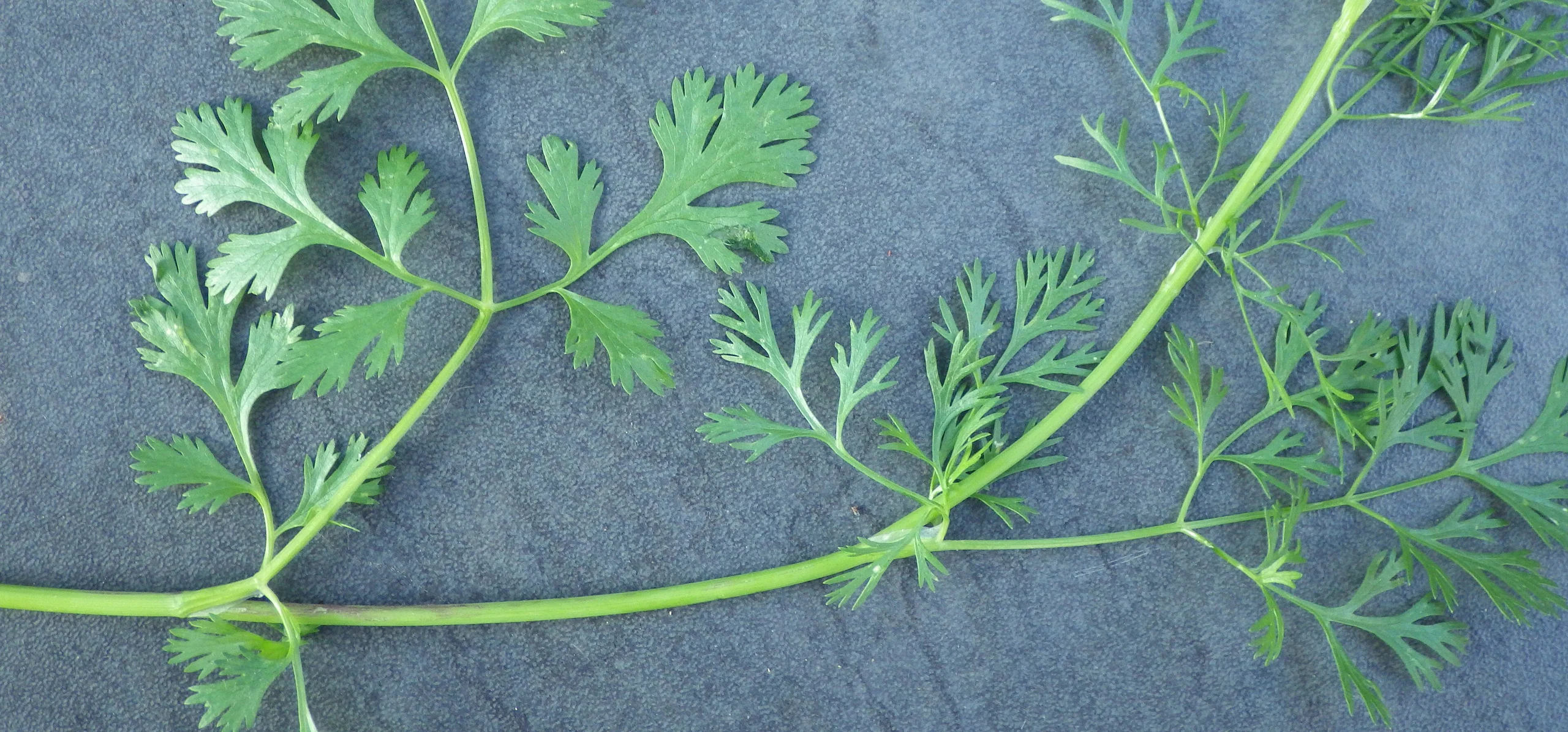
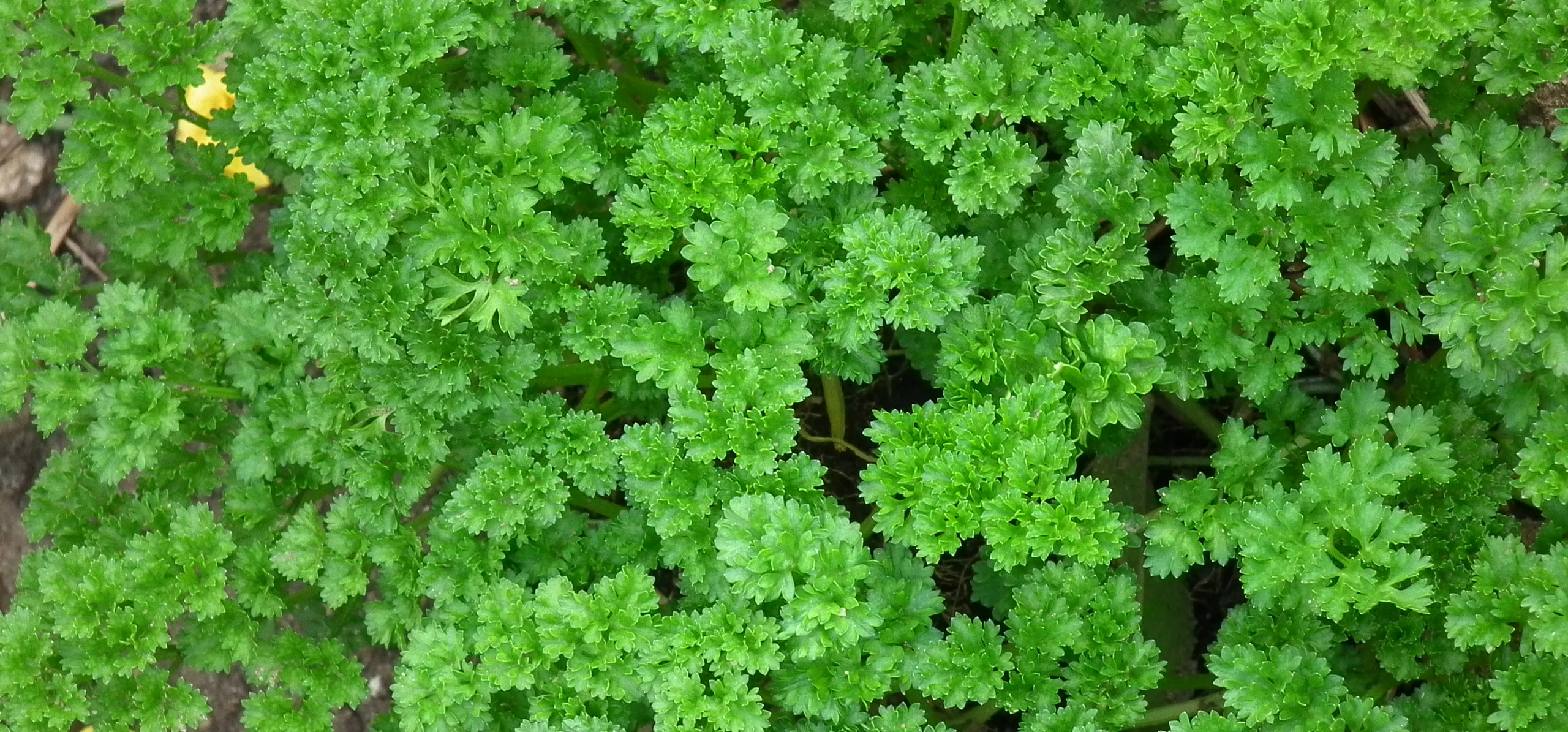
Two forms of Petroselinum crispum dominate seed racks. Flat-leaf, often sold as Italian parsley, has a stronger, more peppery flavour and holds up better in cooked dishes, while curly parsley is more decorative on a plate and slightly milder, though just as edible. Both are grown identically, so the choice comes down to how the leaves will be used rather than anything about care. Hamburg parsley, grown for a thick, parsnip-like root, is a different variety of the same species and needs deeper soil to bulk up that root rather than just the leaves.
Sowing: Why It Takes So Long to Come Up
Parsley seed frustrates first-time growers because it appears to do nothing for weeks. Germination often takes a month or more even in good conditions. Texas AgriLife Extension gives an optimum soil temperature of 50 to 80°F for direct seeding, with 45 to 85°F as the range the plant grows well in afterwards, and notes that a spell below 45°F pushes the plant toward bolting later rather than stopping growth outright. Sow seed shallow, about 1cm deep, into modules or a prepared bed from early spring indoors or mid-spring to late summer outdoors, then thin or space plants 15 to 30cm apart once they are up. There is no reliable trick that speeds germination; the safest approach is to sow earlier than feels necessary and not assume a batch has failed until a full month has passed.


Light, Soil and Watering
Full sun suits parsley best, though it tolerates partial shade. Unlike many Mediterranean herbs, it does not want to dry out between waterings. Texas AgriLife Extension lists well-drained sandy loam with a pH of 6.0 to 7.0 as the preferred soil, and because the plant is shallow-rooted, moisture stress shows up quickly as poor leaf growth rather than obvious wilting. Aim to keep soil consistently moist rather than letting it swing between wet and dry, roughly 6 to 12 inches of water across a growing season according to the same source. Containers dry out fastest and need checking every few days in warm weather; a pot at least 25cm wide and deep, per the RHS, gives roots enough depth to buffer against a missed watering.
Feeding
Parsley grown directly in reasonable garden soil rarely needs feeding at all, according to the RHS. Container-grown plants are the exception: because they cannot draw on a wider soil reservoir, an organic, balanced liquid feed every few weeks during the growing season keeps leaf production going, particularly once regular harvesting has removed a lot of foliage.
Harvesting Without Slowing the Plant Down
Cut a few leafy stems from the outside of the plant at a time, snipping near the base rather than pinching leaf tips, and the plant keeps producing new growth from the centre; strip a plant bare in one go and it needs weeks to recover. Texas AgriLife Extension puts first harvest around 70 to 80 days after sowing, with about 30 days of regrowth between cuts on a plant cropped regularly rather than all at once. Picking little and often, from late spring through autumn per the RHS, produces more usable leaf over a season than a few large harvests.
Bolting and the Biennial Clock
Because parsley is a true biennial, the leaves it spends its first year building are the plant investing in the flower stem it sends up in its second summer. A spell of cold, roughly a month or two below 45°F, is what triggers that shift once temperatures rise again, so a mild autumn followed by a cold snap can push flowering earlier than expected. Once a plant bolts, the leaves that remain turn coarser and more bitter, so most gardeners treat parsley as an annual and resow rather than nurse an ageing plant through a second year for a shrinking crop of leaves. Where overwintering is wanted, the RHS advises moving containers under cover, into a greenhouse or cold frame, or covering ground-grown plants with a cloche.
Pests and Diseases to Watch For
Aphids are the most persistent pest on parsley, colonising the undersides of new leaves and stunting growth if left unchecked. The RHS also lists carrot fly and celery leaf mining fly as species-specific problems, since parsley shares the carrot family's vulnerabilities, along with slugs and snails, one reason many gardeners grow it in pots rather than open ground. Texas AgriLife Extension adds armyworm, beetles and weevils to the insect list, and names damping-off, downy mildew, leaf spots and powdery mildew as the main diseases, all of them worse in crowded, poorly ventilated plantings with wet foliage.
Toxicity: A Kitchen Herb That Is Not Pet-Safe
Despite its everyday use in cooking, the ASPCA lists parsley as toxic to dogs, cats and horses. The toxic principle is a group of compounds called furanocoumarins, and the clinical sign in animals is photosensitization, essentially sunburn and skin irritation on unpigmented skin after sun exposure, though the ASPCA notes that a large amount needs to be eaten before this becomes a problem. Keeping a large, dedicated patch of parsley out of reach of a grazing horse or a dog that likes to browse the vegetable bed is a reasonable precaution rather than cause for alarm over one nibbled sprig.
Test your plant knowledge
Tap a card to flip it and reveal the answer.
Parsley seed usually germinates within a week of sowing. Tap to reveal ✕ False
Petroselinum crispum is a biennial that normally flowers in its second year. Tap to reveal ✓ True
A month or two of temperatures below 45°F can trigger a parsley plant to bolt once it warms up again. Tap to reveal ✓ True
Cutting all the leaves off a parsley plant at once helps it regrow faster than harvesting a few stems at a time. Tap to reveal ✕ False
The ASPCA lists parsley as non-toxic to dogs, cats and horses. Tap to reveal ✕ False
Sources
References consulted for this guide
- GBIF: Petroselinum crispum (Mill.) Fussgbif.org
- POWO (Kew): Petroselinum crispum (Mill.) Fusspowo.science.kew.org
- RHS: Petroselinum crispumrhs.org.uk
- Texas AgriLife Extension: Parsleyaggie-horticulture.tamu.edu
- ASPCA: Toxic and Non-toxic Plants, Parsleyaspca.org
- Reference entity : Wikipédiaen.wikipedia.org