Coriander
Coriandrum sativum
Family · Apiaceae
Coriander bolts fast in heat: sow direct every three weeks, choose a slow-bolt variety, harvest leaf young, and dry the seed once flowers fade.
Coriandrum sativum
Plant profile
- WateringModerateWater every 4 days
- Light exposurePartial sun
- Ideal temperature10–24 °C
Growth
- Family
- Apiaceae
- Life cycle
- Annual
- Growth speed
- 8/10
- Mature size
- 10–50 cm
- Spread
- 10–50 cm
- Flowering
- Weeks after sowing once bolting starts, continuing through summer
- Propagation
- Seed
Dormancynone, completes its life cycle in a single season and dies after setting seed
Time to maturity20-25 days to first leaf harvest; 90-120 days to mature seed
Soil & climate
- Soil types
- chalk, loam, sand
- Drought tolerance
- No
Light & Placement
- Origin
- Eastern Mediterranean to Pakistan
- Where to place it
- bright windowsill away from prolonged direct midday sun through glass
- vegetable bed
- herb border
- light shade under taller crops in summer
- deep container at least 20 cm (8 in) for the taproot
Safety
- Toxicity
- CatsSafe
- DogsSafe
- HorsesSafe
- HumansSafe
Invasive speciesself-seeds readily if flower heads are left to shed; not listed as invasive
Data fromCoriandrum sativum L., GBIF Backbone TaxCoriandrum sativum L., Plants of the WorASPCA: Cilantro toxicity to petsRHS: Coriandrum sativum (coriander)Oregon State University Extension Servic
Where it grows
World distribution
Coriander is native to 10 countries: Afghanistan, Egypt, Georgia, Iran, Lebanon, Pakistan, Palestinian Territories, and Russia….GBIF records 19,785 documented identifications across 145 countries, with the largest concentrations in France, United Kingdom, and Germany.
- Afghanistan
- Egypt
- Georgia
- Iran
- Lebanon
- Pakistan
- Palestinian Territories
- Russia
- Saudi Arabia
- Türkiye
Yellow to orange dots: concentration of documented identifications per country. Green countries: sourced native range. Source: GBIFNative range from POWO (Kew).
One Plant, Two Spices, and a Habit of Bolting
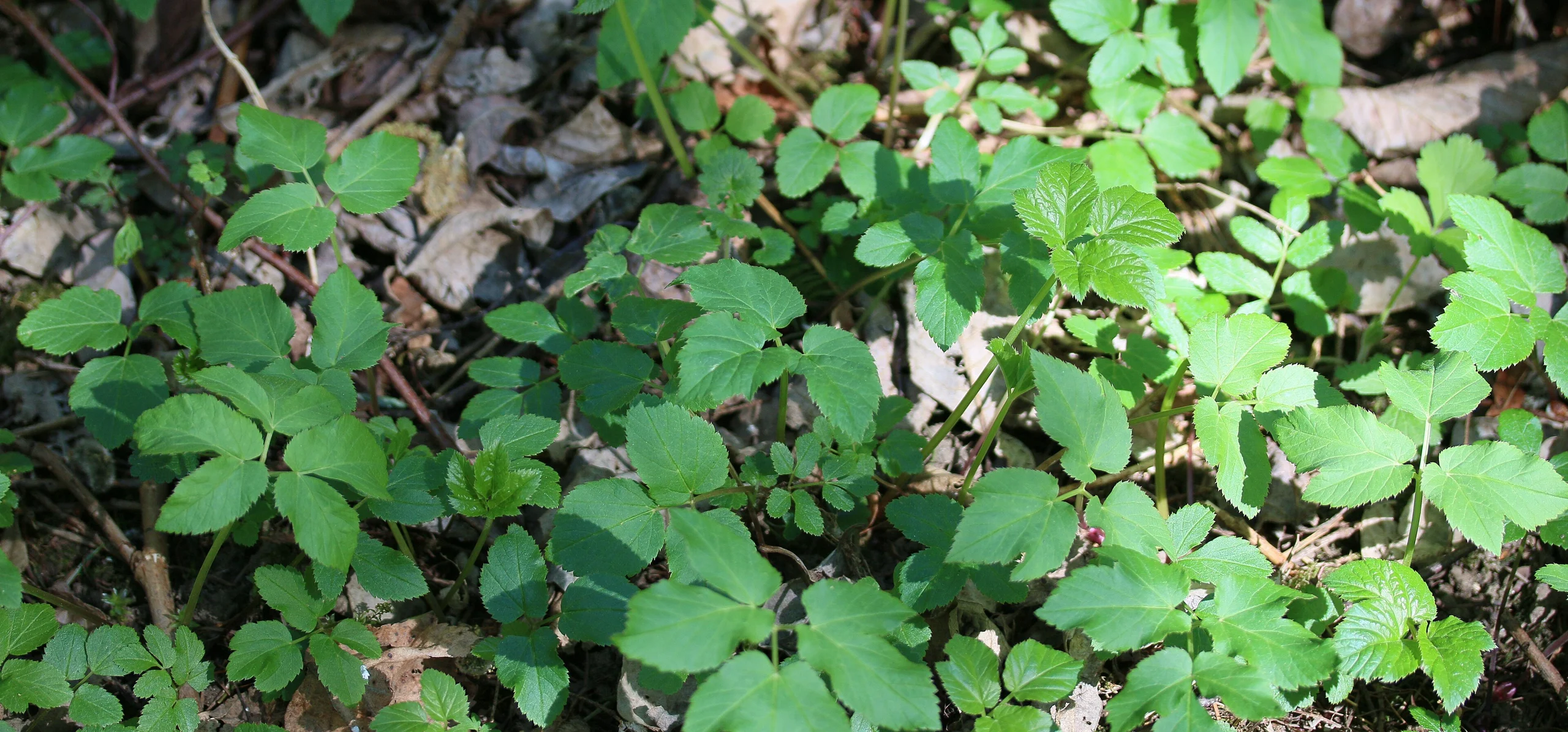
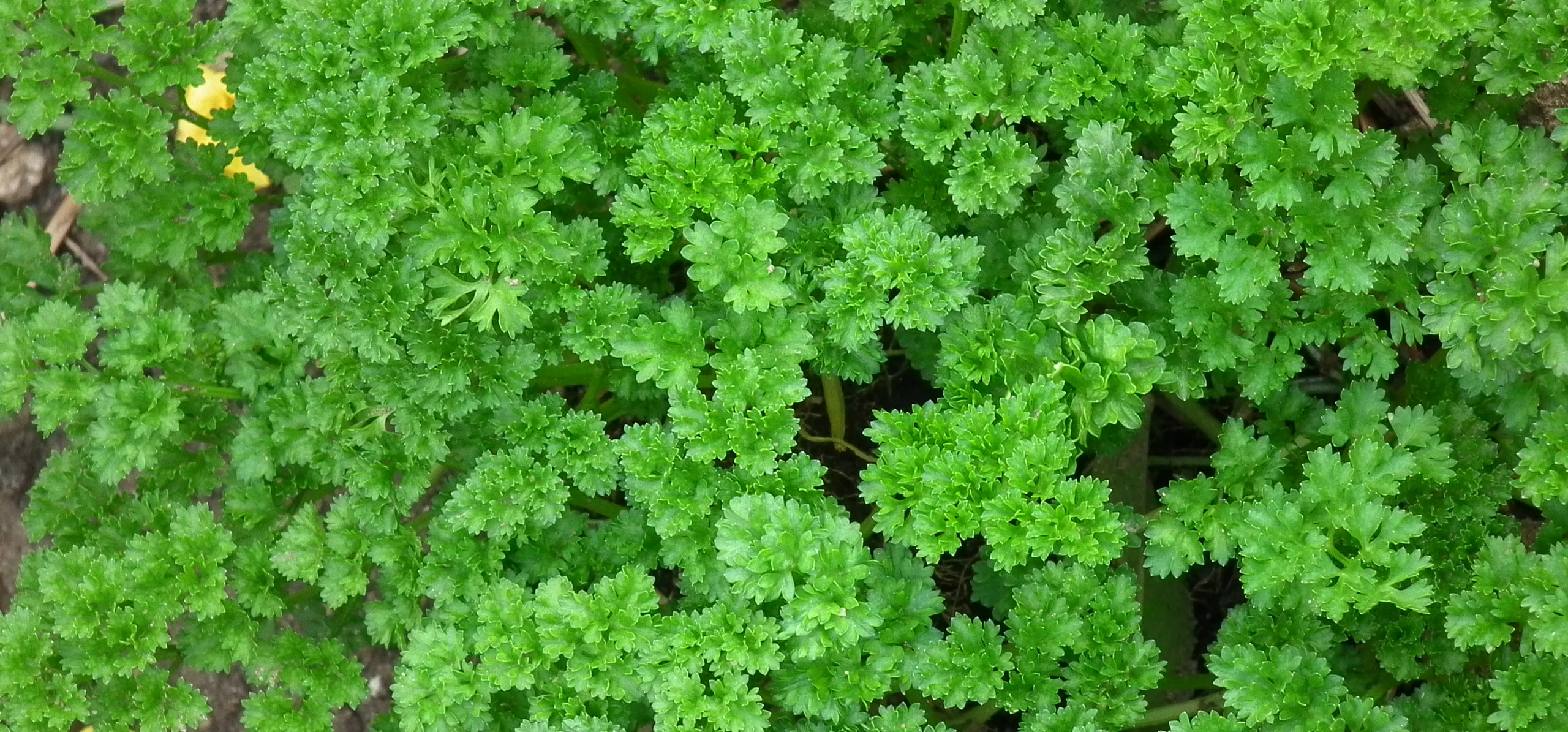
Coriander (Coriandrum sativum) is the rare herb sold under two names for two different harvests from the same plant: the leaf is cilantro, the dried fruit is the spice coriander. Both come from an annual that races through its life cycle faster than almost any other kitchen herb, often bolting to flower within weeks of germinating rather than months. Heat above about 24°C (75°F), long summer daylight, and any disturbance to its taproot all push the plant into flower early, which is why a pot that looked lush on the windowsill can turn into a forest of thin, feathery stems within a fortnight of a hot spell.
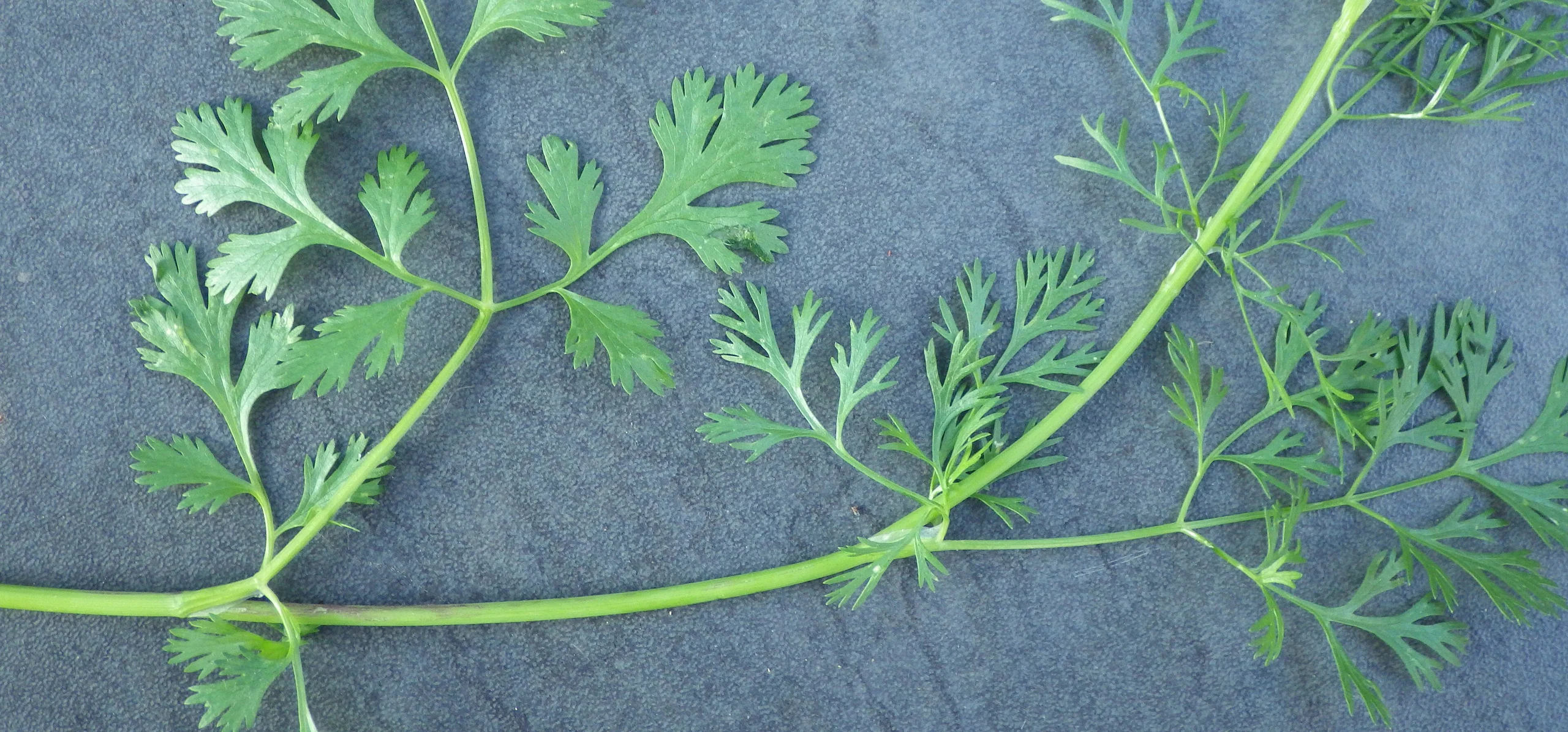
Once bolting starts, leaf production effectively stops: the rounded lower leaves give way to finely divided, almost dill-like upper foliage that tastes weaker and more bitter. Nothing reverses this once it begins, so the practical goal with coriander is not to stop bolting altogether but to manage it, by timing sowings, choosing slower varieties, and accepting that each batch of leaf has a short working life.
Never Transplant It
Coriander forms a single long taproot early on, and that root resents being lifted or squeezed into a new pot. A seedling started in a tray and moved to the garden a few weeks later usually responds by bolting within days, as if the disturbance itself were the trigger. Sow the seed directly into the final pot or bed, thin the seedlings with scissors rather than pulling them, and skip modules or plug trays unless you are prepared to pot on without disturbing the roots, for instance in biodegradable pots planted whole.
Succession Sowing to Outrun the Heat
Because each sowing has only a few weeks of useful leaf before it flowers, the working method is to sow little and often rather than one large batch. Direct sow a short row or a fresh pot every three weeks through spring and summer, so a new supply of young leaf is always coming on as the previous batch bolts. In summer, choose a spot in light shade, under a taller crop or on the cooler side of a wall, since shade lowers the soil temperature that drives early flowering. Slow-bolt varieties such as 'Calypso' were bred specifically to hold leaf production longer under long days and warmth, and are worth choosing over a generic packet for a summer sowing.
Leaf Harvest Versus Seed Harvest
Growing for leaf and growing for seed pull in opposite directions. For leaf, harvest often and lightly, snipping the outer stems close to the base so the plant keeps producing from the centre, and sow a new batch as soon as a planting starts to look thin or begins to send up a central flower stem. For seed, the plant needs to be left alone in full sun to flower and set fruit undisturbed; the round fruits turn from green to a pale tan-brown as they ripen, and the whole flower head is cut once most fruits have coloured, then left to finish drying somewhere airy before the seed is rubbed free and stored whole.
Growing in Pots on a Windowsill
A windowsill pot works well for coriander as long as the container is deep enough for that taproot, at least 20 cm (8 in), since a shallow pot forces the plant to bolt early simply for lack of room. Sow direct into the final pot rather than pricking out, water enough to keep the compost from ever drying out completely, and give it bright light without long hours of direct, hot midday sun through glass, which behaves like a magnifying greenhouse and speeds up bolting just as effectively as an outdoor heatwave. A north- or east-facing sill in summer often outperforms a south-facing one for this reason.
Splitting the Seed Before Sowing
What gardeners sow as a single coriander seed is actually a dried fruit made of two seed-bearing halves, called mericarps, fused together in a papery round shell. Left whole, that shell slows down water uptake and germination can be patchy and slow. Rolling the dried fruits gently underfoot or between two boards to crack them into their two halves before sowing exposes the seed inside directly to moisture and reliably speeds up and evens out germination, a trick worth using whenever a packet or home-saved seed is coming up slowly.
Flowers, Hoverflies, and Letting a Few Plants Bolt on Purpose
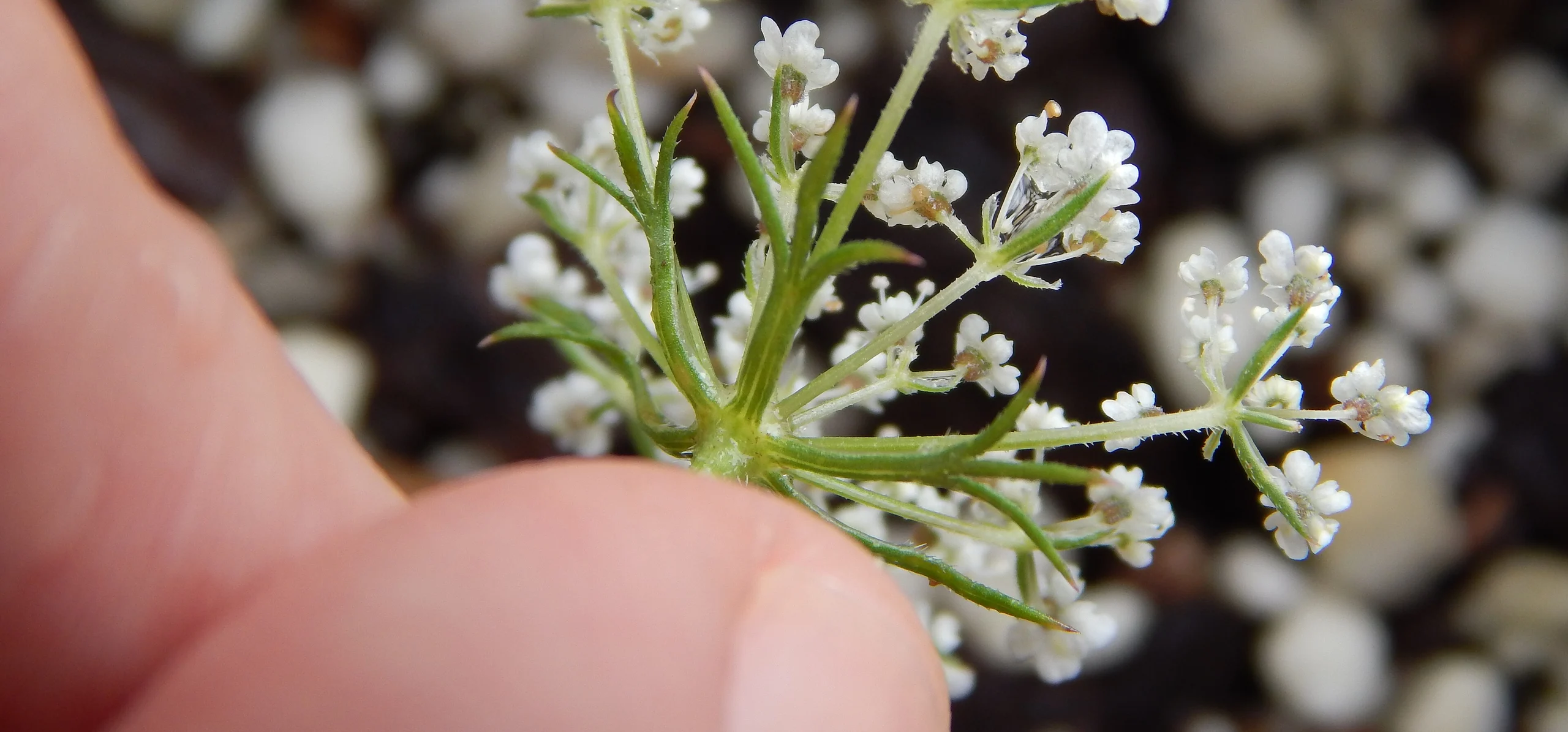
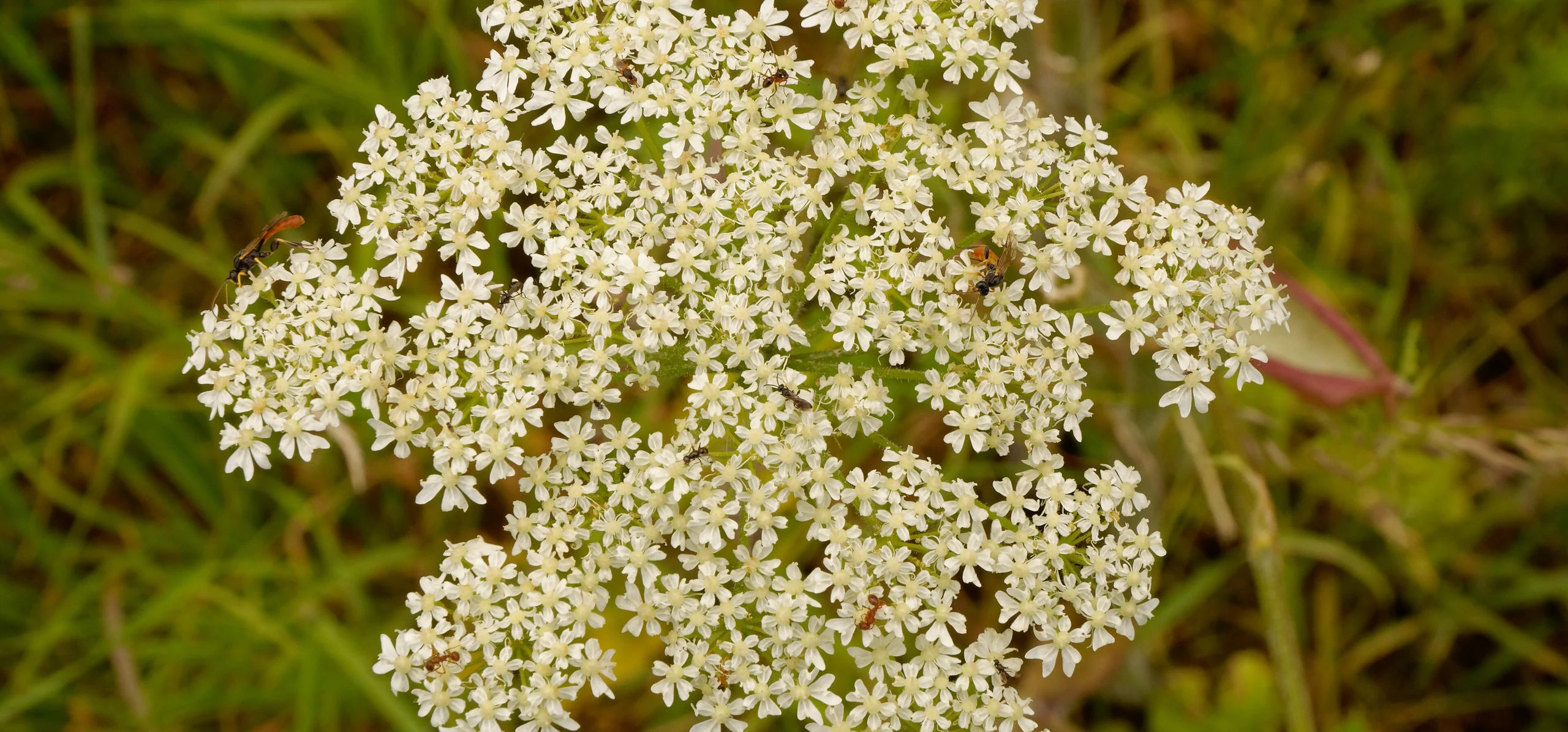
The flat white to pale pink flower heads that follow bolting are not a total loss even on plants grown for leaf. Hoverflies are drawn to coriander's open, easy-to-land-on umbels in large numbers, and their larvae are voracious aphid predators, so a few plants left to flower at the back of the bed do useful pest control work for everything nearby. Leaving one or two to go all the way to seed also means a free supply of coriander seed for the spice rack and for the next sowing, since the plant self-seeds readily once a flower head is left to shed on its own.
The Soapy Taste, Pests, and Pet Safety
People who find cilantro tastes like soap rather than herby and citrusy are not imagining it: the aversion tracks with variation in an olfactory receptor gene that makes certain aldehyde compounds in the leaf read as soapy rather than fresh. Aside from that genetic quirk, the main problems in cultivation are aphids on soft new growth and powdery mildew in still, humid air late in the season, both eased by good spacing and by avoiding overhead watering in the evening. For pets, the news is good: the ASPCA lists cilantro as non-toxic to cats, dogs, and horses, so a windowsill pot within reach of a curious animal is a low-risk one, unlike many other kitchen herbs.
Test your plant knowledge
Tap a card to flip it and reveal the answer.
Coriander should be started in small pots and transplanted once it has a few true leaves. Tap to reveal ✕ False
Sowing a fresh batch of coriander every three weeks helps keep a continuous supply of leaf through summer. Tap to reveal ✓ True
Cracking or splitting a coriander seed before sowing can improve and speed up germination. Tap to reveal ✓ True
Coriander leaves and flowers are toxic to cats and dogs if nibbled. Tap to reveal ✕ False
A coriander plant that has bolted to flower is entirely useless and should be pulled out. Tap to reveal ✕ False
Sources
References consulted for this guide
- Coriandrum sativum L., GBIF Backbone Taxonomygbif.org
- Coriandrum sativum L., Plants of the World Online, Kew Sciencepowo.science.kew.org
- ASPCA: Cilantro toxicity to petsaspca.org
- RHS: Coriandrum sativum (coriander)rhs.org.uk
- Oregon State University Extension Service: How to grow cilantro for leaves, or coriander seedsextension.oregonstate.edu
- Reference entity : Wikipédiaen.wikipedia.org