Ground Elder
Aegopodium podagraria
Family · Apiaceae
Ground elder spreads fast in sun or shade and almost any soil; here is why the RHS warns against it, plus real containment and removal methods.
Aegopodium podagraria
Plant profile
- WateringLittleWater every 10 days
- Light exposurePartial shade
- Hardiness zoneUSDA 3–10
Growth
- Family
- Apiaceae
- Life cycle
- Perennial
- Growth speed
- 9/10
- Mature size
- 10–50 cm
- Spread
- 100–150 cm
- Propagation
- Seed
- Division
FloweringSmall white flowers in flat umbels, May to June (NC State Extension, Missouri Botanical Garden)
DormancyDies back after the first hard frost and regrows from its rhizomes in early spring
Time to maturityReaches full spread in 2 to 5 years (RHS)
Soil & climate
- Soil types
- chalk, clay, loam, sand
- Drought tolerance
- Yes
Light & Placement
- Where to place it
- Woodland-edge shade bed with a hard physical edge
- North-, east- or west-facing border away from lawns
- Difficult dry-shade spot under mature trees where little else grows
- Container-only planting for the variegated cultivar (RHS)
OriginNative to temperate Eurasia, Europe to West Siberia (POWO); naturalized across North America
Safety
- Toxicity
- HumansSafe
Invasive speciesNC State Extension lists it as invasive in the natural areas of Connecticut, Michigan, New Jersey, Pennsylvania, Vermont and Wisconsin, spreading by rhizomes and seed and displacing native plants
Data fromAegopodium podagraria L., GBIF Backbone RHS: Aegopodium podagraria (ground elderNC State Extension Gardener Plant ToolboMissouri Botanical Garden Plant Finder: University of Illinois Extension, HortAn
Where it grows
World distribution
Ground Elder is native to 26 countries: Albania, Austria, Belarus, Belgium, Bulgaria, Croatia, Czechia, and Denmark….GBIF records 801,928 documented identifications across 67 countries, with the largest concentrations in United Kingdom, Germany, and Sweden.
- Albania
- Austria
- Belarus
- Belgium
- Bulgaria
- Croatia
- Czechia
- Denmark
- Estonia
- Finland
- France
- Georgia
Show 14 more countriesShow fewer countries
- Germany
- Greece
- Hungary
- Italy
- Kazakhstan
- Netherlands
- Poland
- Romania
- Russia
- South Korea
- Sweden
- Switzerland
- Türkiye
- Ukraine
Yellow to orange dots: concentration of documented identifications per country. Green countries: sourced native range. Source: GBIFNative range from POWO (Kew).
A Fast-Spreading Carrot-Family Perennial With an Edible Past
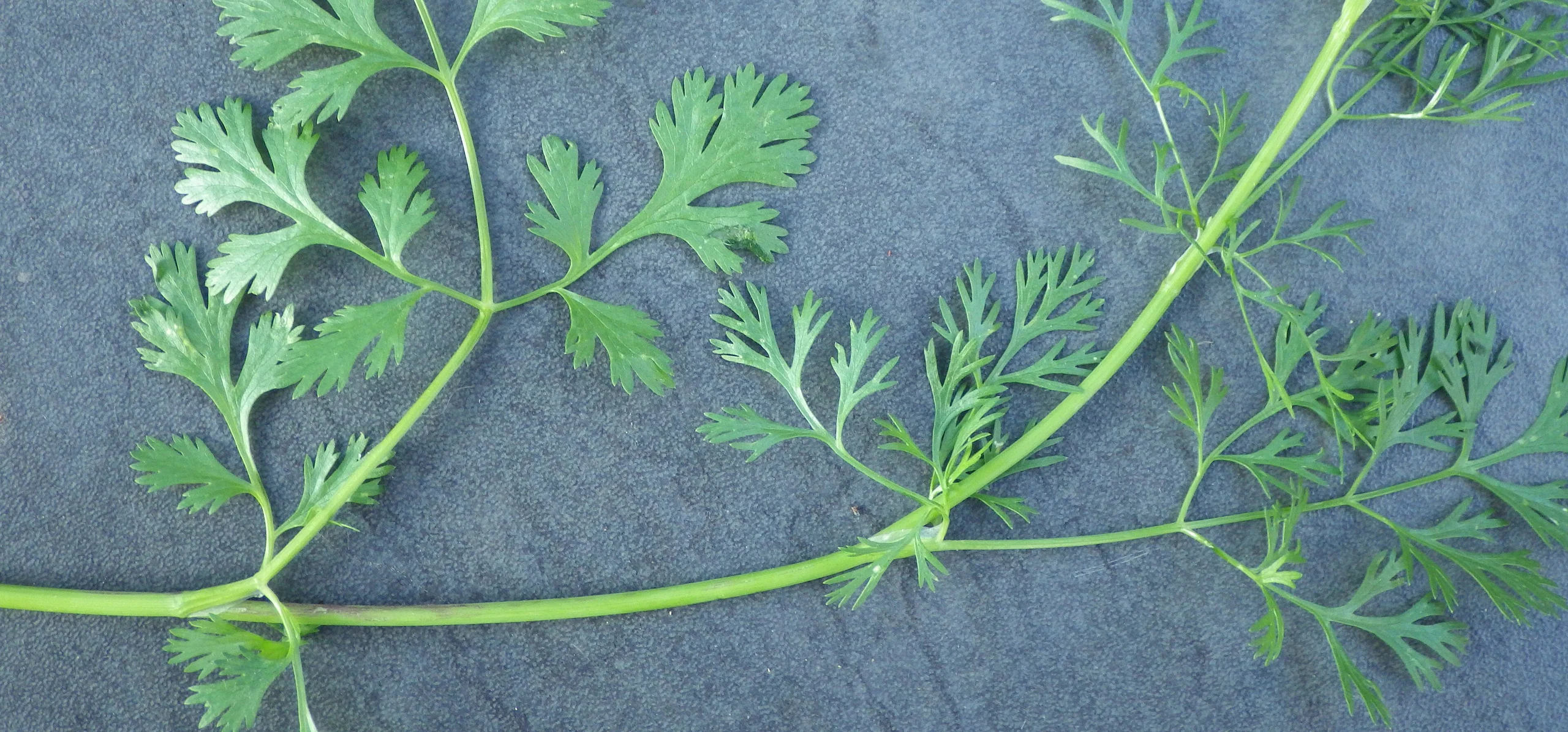
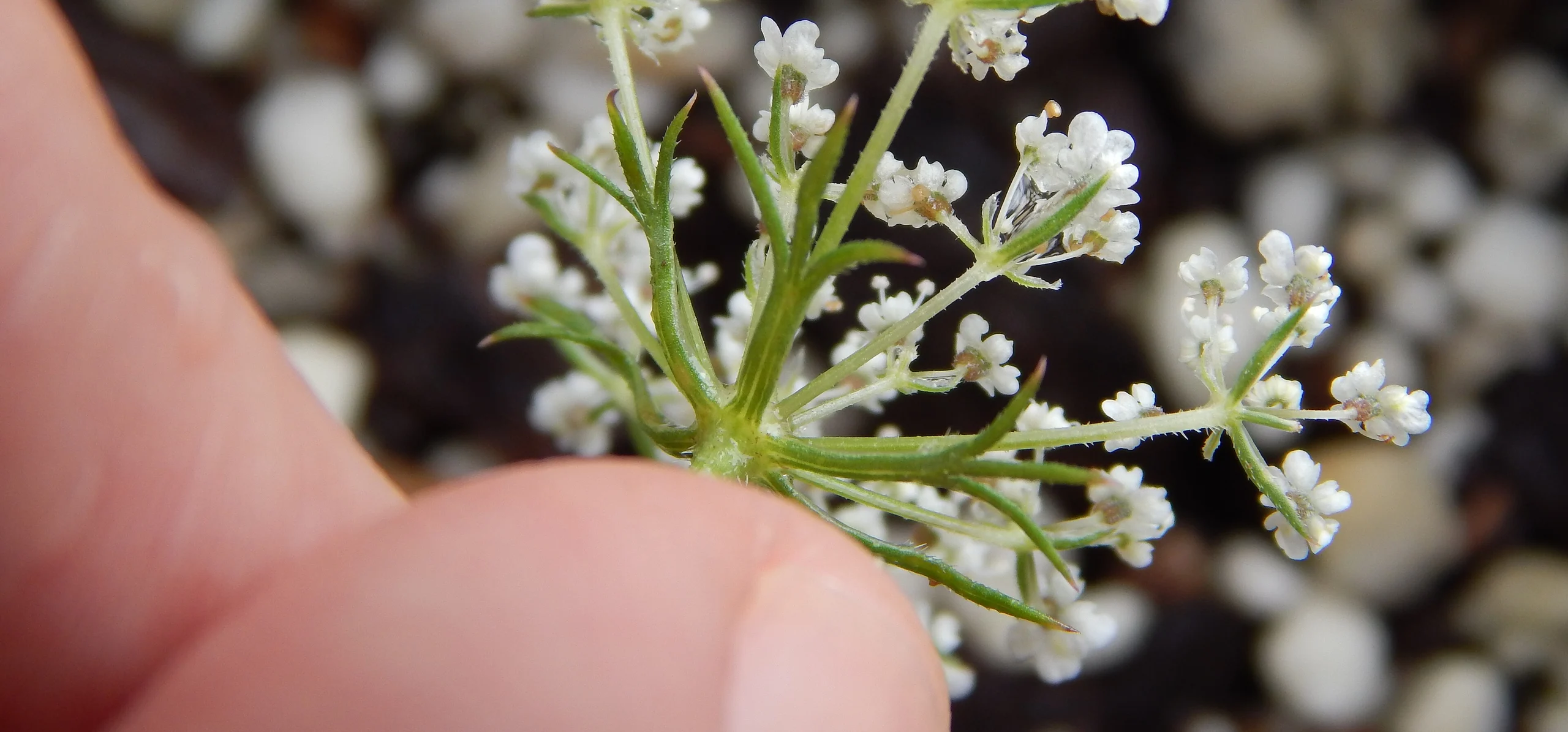
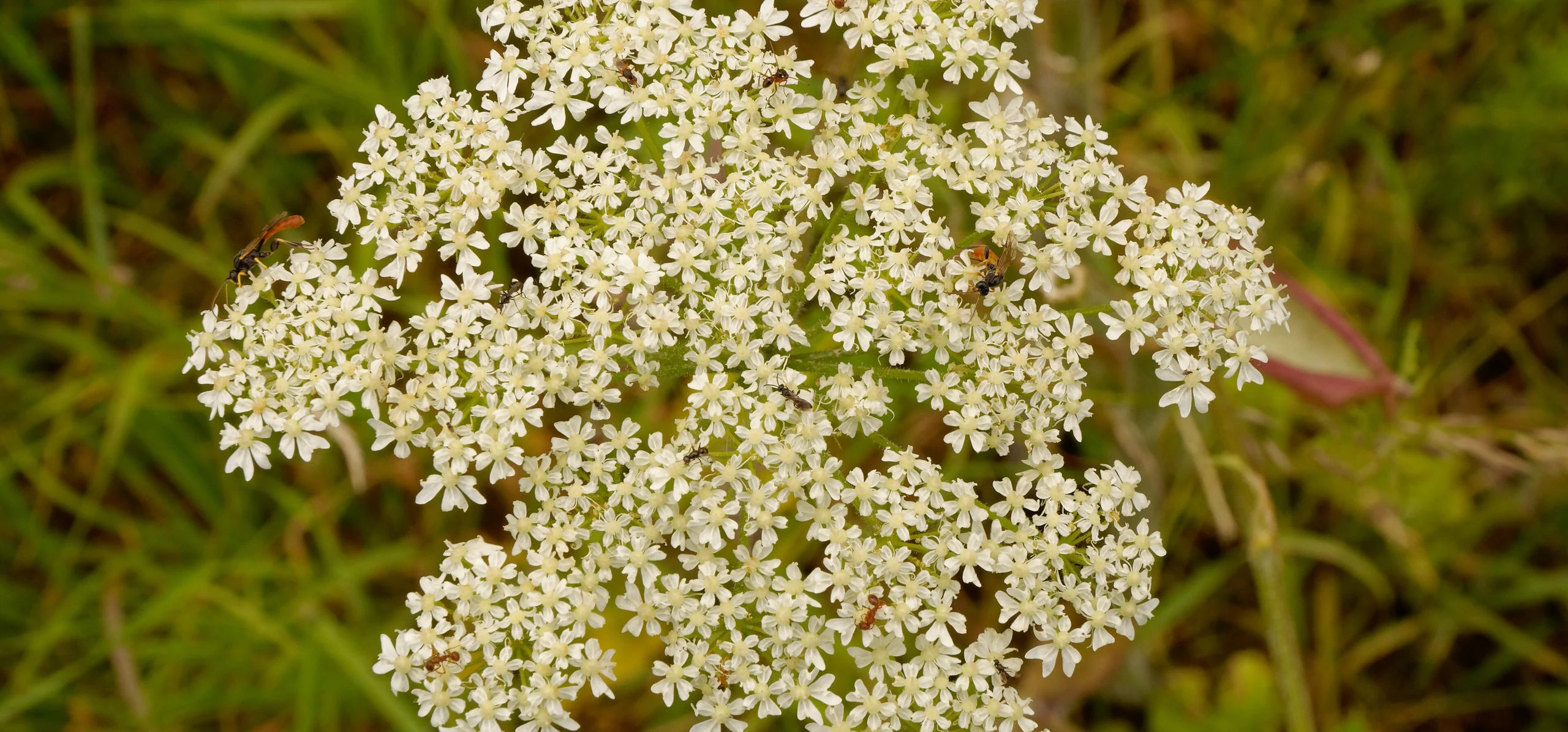
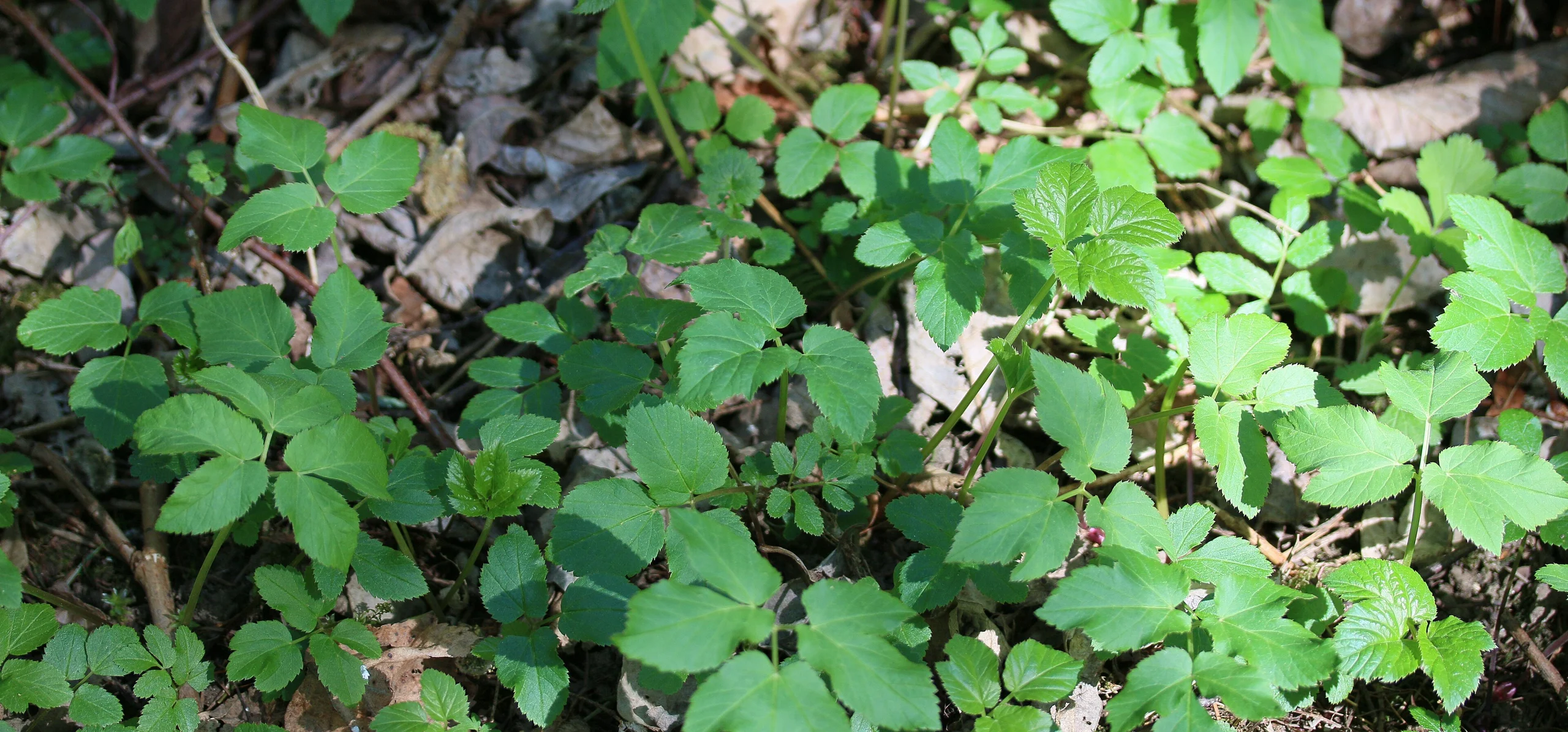
A knee-high patch of glossy, three-part leaflets that comes back every spring no matter how many times it gets pulled is almost certainly Aegopodium podagraria: ground elder, goutweed, or bishop's goutweed. GBIF records the accepted name as Aegopodium podagraria L., in the carrot family Apiaceae alongside carrots and parsley, and the flat-topped umbels of tiny white flowers confirm the family at a glance. POWO lists its native range as temperate Eurasia, from Europe across to West Siberia, and it has since naturalized through much of North America, mostly by escaping gardens where it was once planted on purpose. The genus name comes from Greek for goat's foot, a nod to the leaf shape, while the species name podagraria, snare of gout, points straight at why it was ever grown at all: the Missouri Botanical Garden records its traditional use as a treatment for gout.
Why It Ends Up in Gardens Despite the RHS's Own Warning
The RHS still sells the case for ground elder as a groundcover: a rhizomatous mat that reaches its full 1 to 1.5 m spread within 2 to 5 years and tolerates chalk, clay, loam or sand in sun or part shade, exactly the tough, low-maintenance profile a difficult corner needs. NC State Extension adds a second, older reason it was ever planted: the young leaves are edible raw or cooked, best harvested before flowering, and were traditionally used to treat arthritis and gout. Both uses explain why a plant NC State also lists as invasive in the natural areas of Connecticut, Michigan, New Jersey, Pennsylvania, Vermont and Wisconsin keeps turning up in gardens on purpose, not just as an escapee.
The Variegated Cultivar and Container Growing
Aegopodium podagraria 'Variegatum', with cream-edged leaves, is the form most often sold at nurseries, and the RHS is explicit that it should be grown in isolation, in a container, rather than in open ground, calling it "not suitable for open ground other than in a wild area" even though it reaches the same 10 to 50 cm height and 1 to 1.5 m spread as the plain green species. University of Illinois Extension notes it grows only slightly less aggressively than the wild form, so "slightly less" still means a pot filled solid within a couple of seasons. Light and soil needs track the species closely: full sun or part shade, moist but well-drained ground, with consistent moisture specifically to prevent the cream-edged foliage from scorching.


Light, Soil and Water: Thriving Where Little Else Will
University of Illinois Extension rates its light tolerance as full shade, full sun, or anything between, and its soil tolerance as dry, moist or well-drained, a spread of conditions few garden perennials match. RHS and NC State Extension both add chalk, clay, loam and sand to the list of soils it accepts, across acid, neutral or alkaline pH. The one real preference underneath that tolerance is moisture: Illinois Extension notes it "prefers moist, well drained soils but will tolerate dryness," and foliage can look scorched by midsummer in a dry, exposed spot even though the plant itself survives. RHS rates it H7, hardy below -20°C, and NC State Extension lists USDA zones 3a to 10b, so winter cold is rarely the limiting factor anywhere it is grown.
Containing a Patch Instead of Fighting It Everywhere
NC State Extension's own advice for anyone still planting it on purpose is to keep it "in a self-contained area" or behind mechanical barriers, and to consider a native alternative for open borders. In practice that means a hard edge, a paved path, a mowed strip, or a barrier sunk well below the rhizome layer, positioned before planting rather than after a mat has already reached its 1 to 1.5 m spread. The RHS's own recommendation for the variegated cultivar, growing it in a container "in isolation," is the simplest version of the same logic and works just as well for the plain green species in a bed too small to sacrifice to it.
Removing an Established Patch
NC State Extension lists three standard options for an existing patch: spraying with herbicide, manually digging or hand-pulling, and continuous mowing to exhaust the rhizomes. Its stated most effective method is more specific: cut the growth to the ground right after it has just fully leafed out, then cover the area with black plastic to block light and heat the soil until the rhizome network dies back. Because the plant spreads by both rhizomes and seed, a single dig or a single mowing session rarely finishes the job; NC State Extension's own recommendation to shear the flat white umbels before they set seed is worth doing on any patch left standing while the rest of the removal plays out.
Common Mistakes
The first mistake is confusing the ASPCA's "Bishop's weed" toxicity listing with this plant: that entry describes Ammi majus, a different species entirely, and ground elder itself does not appear on the ASPCA's toxic or non-toxic lists at all, so nothing here confirms it is safe around pets. The second is planting the plain green species straight into an open border on the strength of "easy groundcover," when the RHS's own profile already flags it as too competitive for most cultivated areas. The third is harvesting the leaves for the kitchen after the plant has flowered: NC State Extension specifies harvesting before flowering for the best flavor, and older, past-bloom growth turns tough and bitter.
Test your plant knowledge
Tap a card to flip it and reveal the answer.
Ground elder spreads through both underground rhizomes and seed. Tap to reveal ✓ True
The variegated cultivar 'Variegatum' is calm enough to plant safely in an open border. Tap to reveal ✕ False
A single round of hand-pulling or digging is usually enough to remove an established patch. Tap to reveal ✕ False
Ground elder tolerates a wide range of soils, from chalk to clay to sand. Tap to reveal ✓ True
The ASPCA lists ground elder as toxic to cats and dogs. Tap to reveal ✕ False
Sources
References consulted for this guide
- Aegopodium podagraria L., GBIF Backbone Taxonomygbif.org
- RHS: Aegopodium podagraria (ground elder, acheweed)rhs.org.uk
- NC State Extension Gardener Plant Toolbox: Aegopodium podagrariaplants.ces.ncsu.edu
- Missouri Botanical Garden Plant Finder: Aegopodium podagraria 'Variegatum'missouribotanicalgarden.org
- University of Illinois Extension, HortAnswers: Aegopodium podagrariaweb.extension.illinois.edu
- Reference entity : Wikipédiaen.wikipedia.org