Rattlesnake Plant
Goeppertia insignis
Family · Marantaceae
Sold as Calathea lancifolia, accepted as Goeppertia insignis: filtered light, high humidity and mineral-free water keep the leaf edges from crisping.
Goeppertia insignis
Plant profile
- WateringHighWater every 6 days
- Light exposurePartial shade
- Ideal temperature16–21 °C
- Humidity50–70 %
- Hardiness zoneUSDA 11–12
Growth
- Family
- Marantaceae
- Life cycle
- Perennial
- Growth speed
- 3/10
- Mature size
- 45–76 cm
- Flowering
- Small yellow flower spikes possible in summer
- Propagation
- Division
DormancySlows down in winter
Soil & climate
- Soil types
- Peat-free, moisture-retentive potting compost
- Saline soil
- Not tolerated
- Drought tolerance
- No
Light & Placement
- Origin
- Rio de Janeiro state, Brazil
- Where to place it
- North or east window, out of direct sun
- Bright bathroom or other humid room
- Frost-free, shaded greenhouse or conservatory
- Plastic nursery pot to hold moisture
Safety
- Toxicity
- CatsSafe
- DogsSafe
- HorsesSafe
Data fromGoeppertia insignis (W.Bull ex W.E.MarshGoeppertia insignis, rattlesnake plant, How to grow calatheas, RHS Growing GuideCalathea lancifolia, Missouri Botanical Prayer Plant (Calathea insignis), Toxic
Where it grows
World distribution
Rattlesnake Plant is native to a single country: Brazil.GBIF records 67 documented identifications across 8 countries, with the largest concentrations in United States, Brazil, and Costa Rica.
- Brazil
Yellow to orange dots: concentration of documented identifications per country. Green countries: sourced native range. Source: GBIFNative range from POWO (Kew).
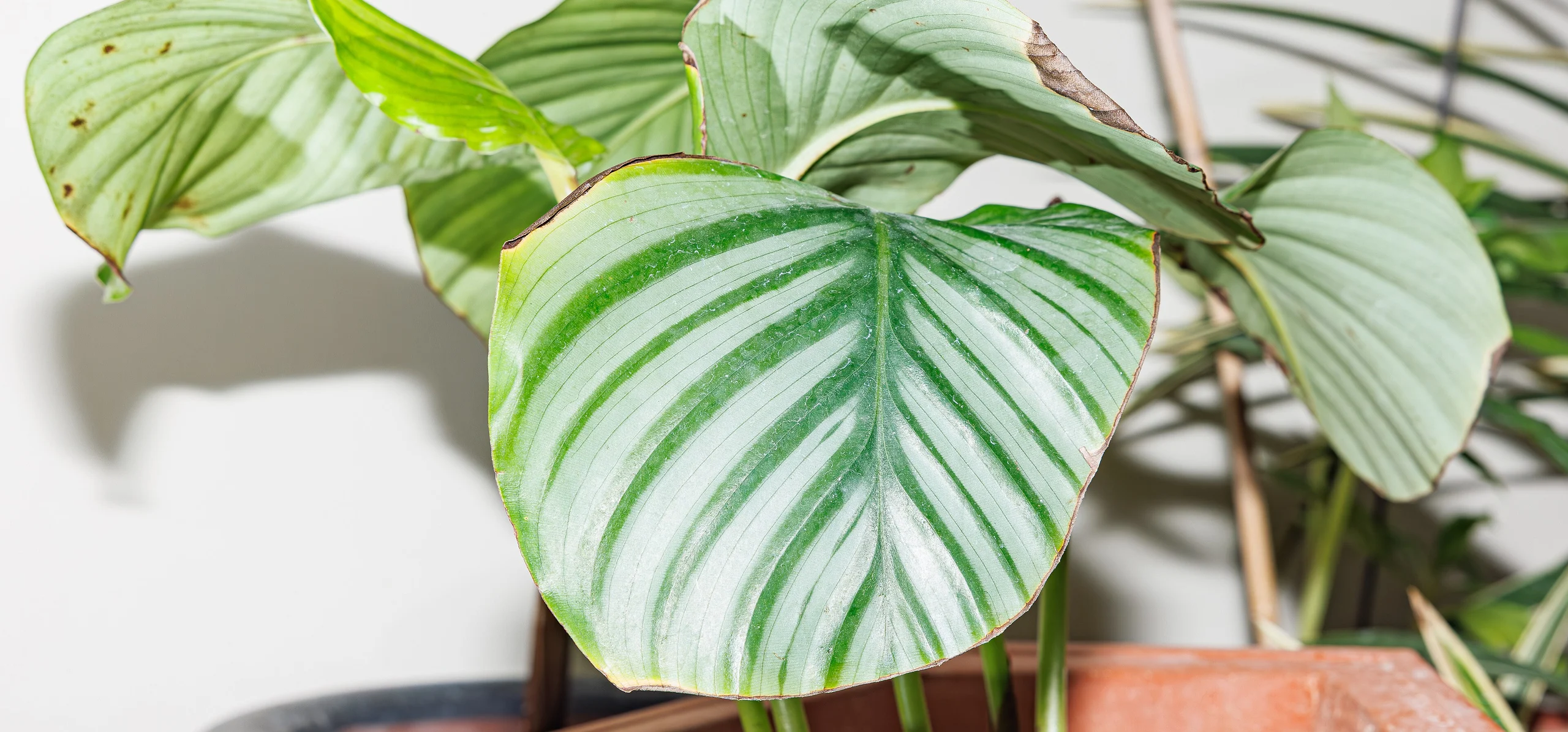
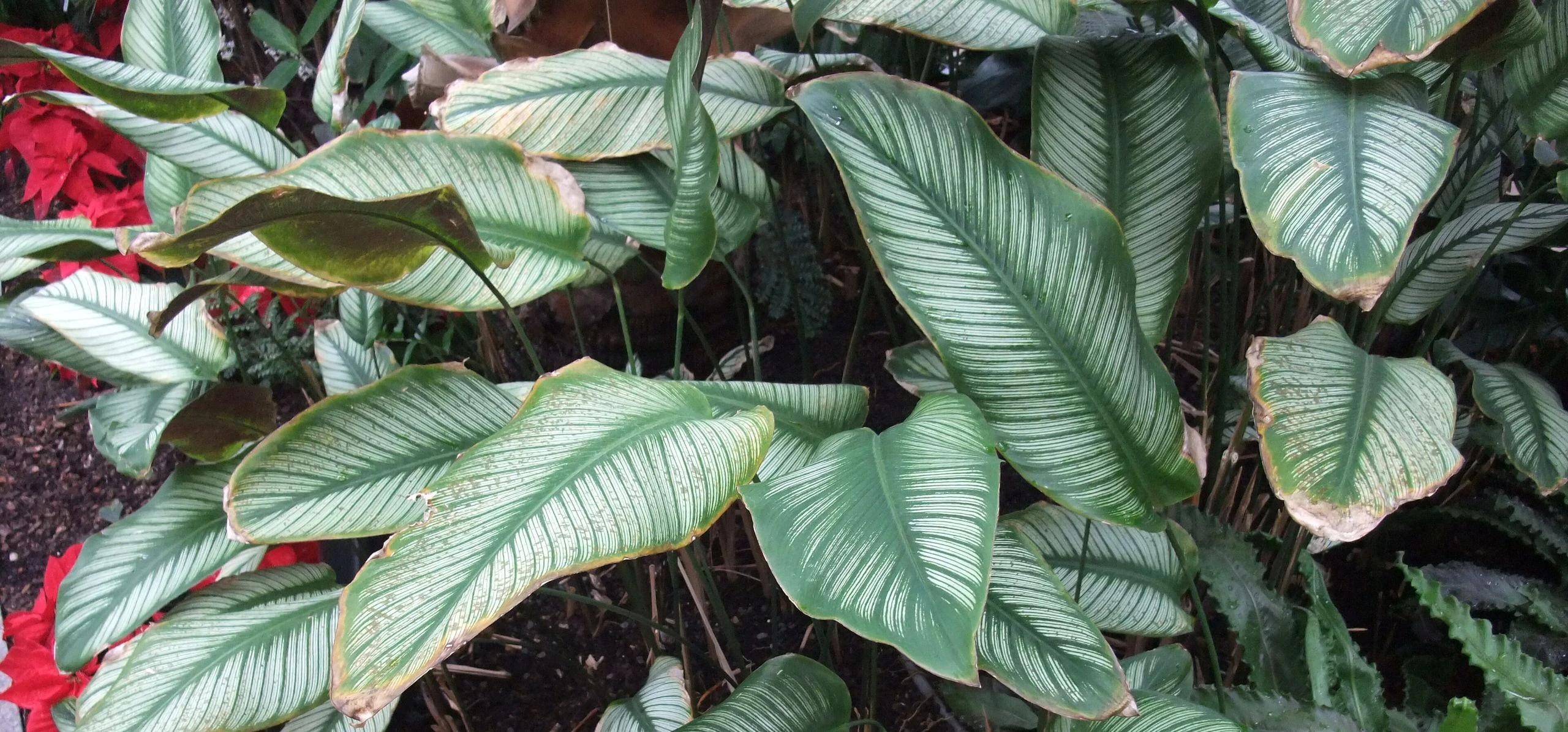
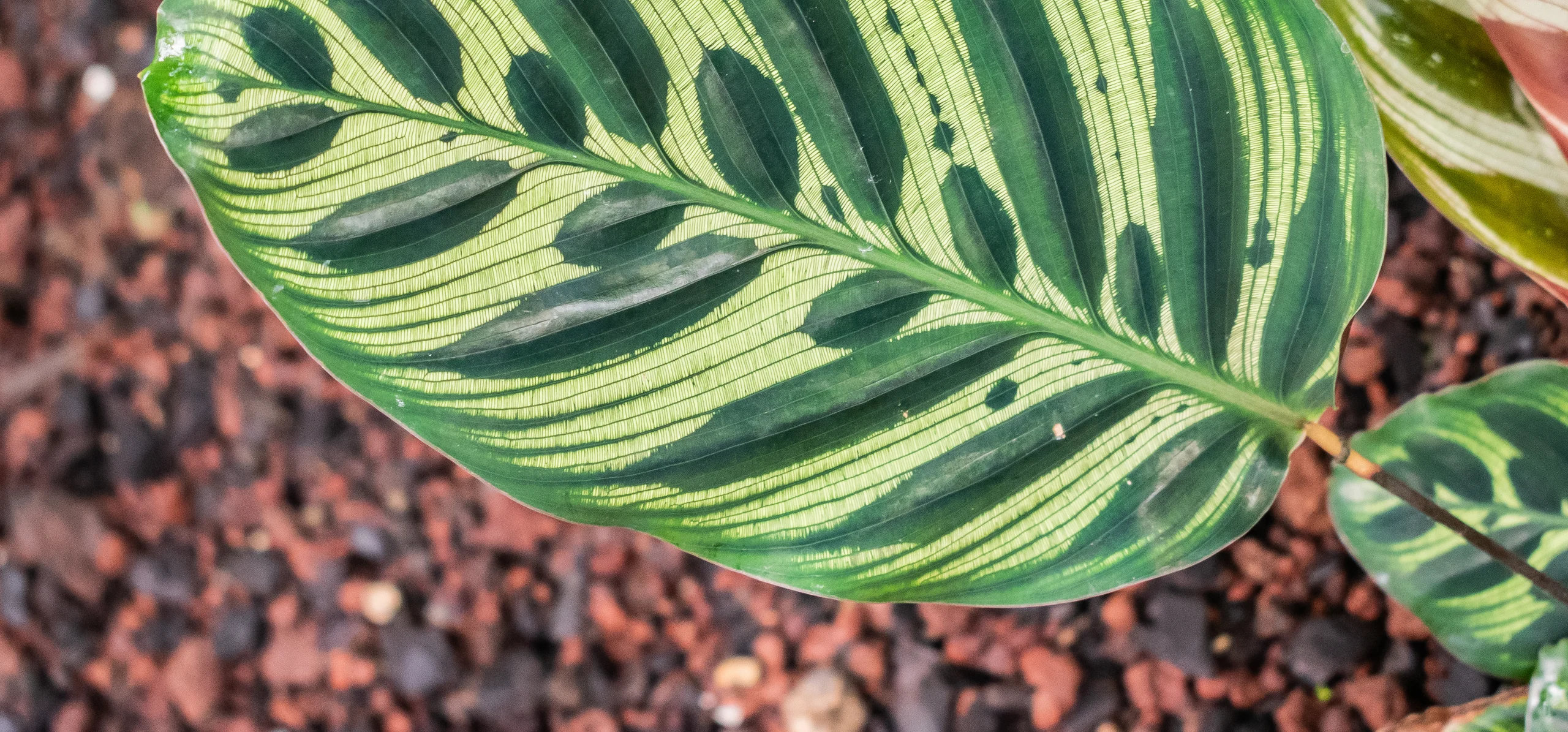
If the tag on your new plant reads Calathea lancifolia, you are holding what taxonomists now call Goeppertia insignis, a rhizomatous perennial from the rainforest floor of Rio de Janeiro state in Brazil. Sold everywhere as the rattlesnake plant for the dark blotches marching along each wavy, lance-shaped leaf, it grows into a dense clump barely knee-high and never needs a stake or a trellis. What sets it apart from other Calathea-turned-Goeppertia relatives is not the pattern alone but how it behaves day to day: the leaves fold upright every evening, ordinary tap water leaves the tips brown within weeks, and dry winter air invites spider mites faster than on most other houseplants.
The Name on the Tag and the Leaf Underneath
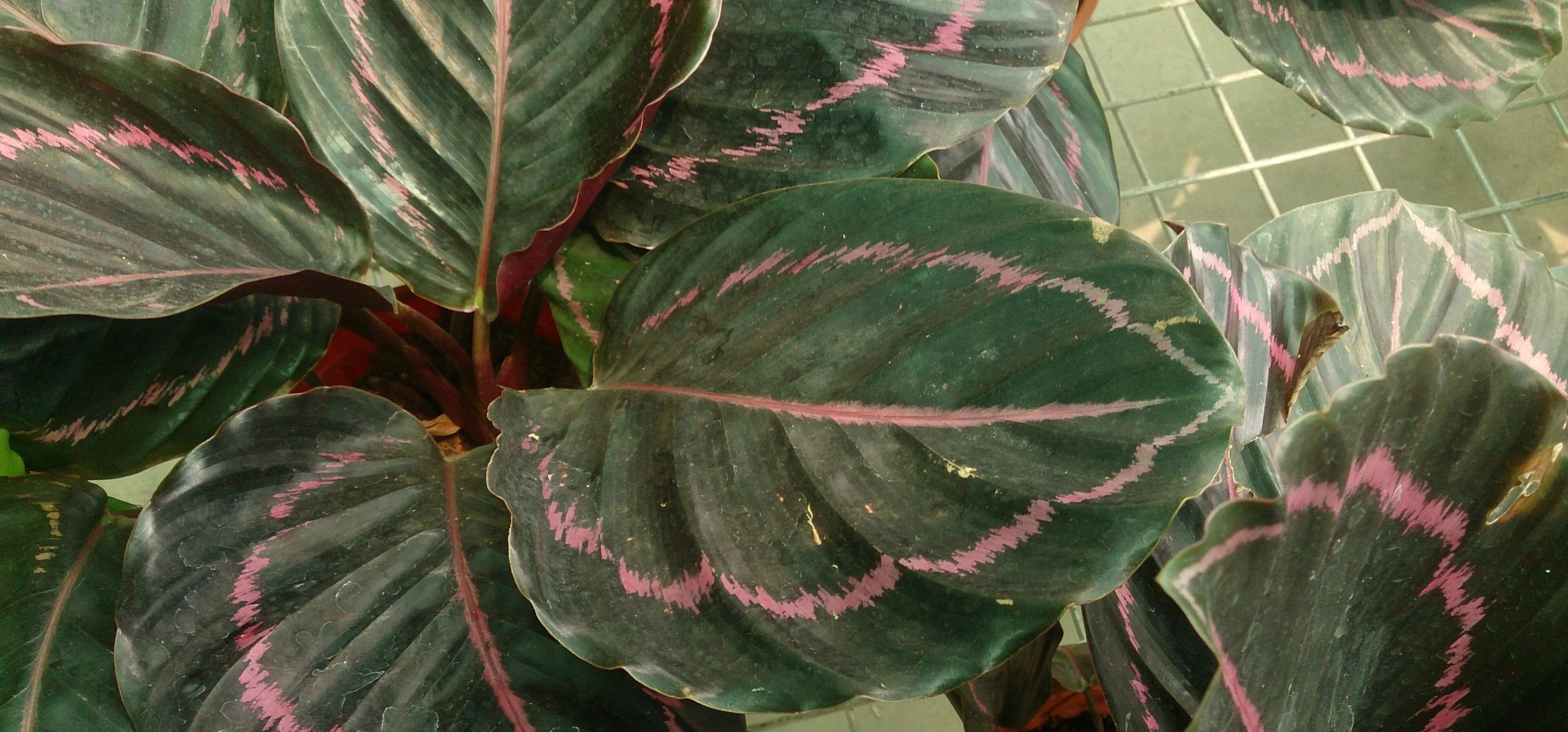
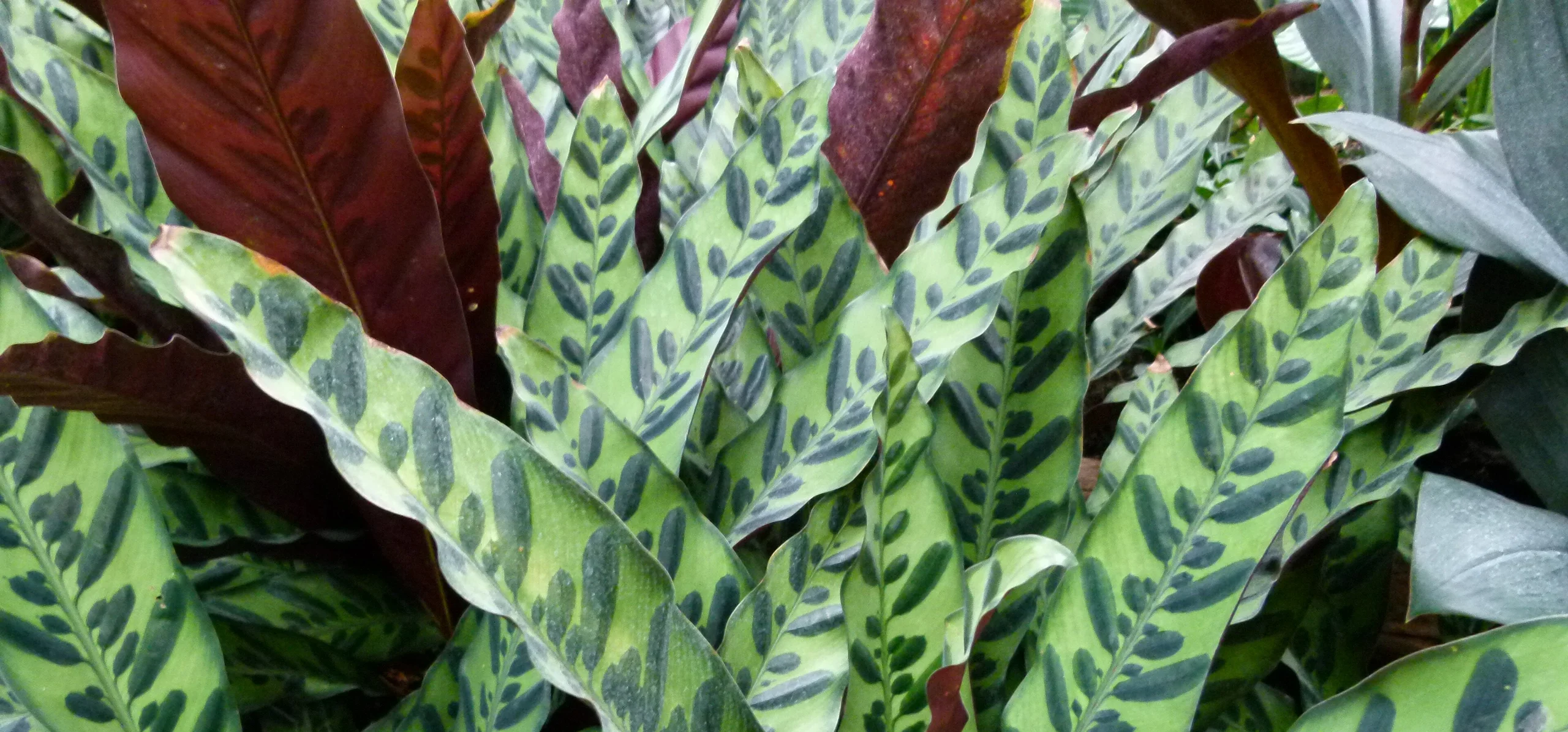
The genus split that moved Calathea into Goeppertia happened in 2012, after DNA studies showed the old genus was not one natural group. This species carries an extra layer of confusion on top of that: the plant sold as Calathea lancifolia, described by the Dutch grower Boom in the twentieth century, turned out to be the same species as an older name, Maranta insignis, published by the nurseryman William Bull in the 1870s and later moved into Calathea as Calathea insignis. Under the rules of botanical naming the oldest valid name usually wins, so when the species landed in Goeppertia the accepted combination became Goeppertia insignis, not Goeppertia lancifolia. GBIF records Goeppertia lancifolia as a straight synonym of Goeppertia insignis, and most nurseries, seed racks and plant tags have not caught up: expect to see Calathea lancifolia or Goeppertia lancifolia on the label far more often than the accepted name. Whichever tag it wears, the plant underneath is the same: wavy, lance-shaped leaves to about 45cm long, pale to yellow-green above with dark green blotches stepping out on either side of the midrib, and a deep maroon to purple underside that shows the moment a leaf is turned or disturbed.
Light Without Direct Sun
In its native understorey the light is filtered by a closed canopy, so indoors this plant wants bright, indirect light rather than a sunny windowsill. RHS guidance for the species calls for bright indirect or filtered light: a spot a metre or two back from an east or north facing window works through most of the year, moved closer to the glass during the dim months of winter. Direct summer sun through south or west glass bleaches the contrast between the pale and dark leaf zones and can scorch the thin blotched tissue outright, so a sheer curtain is often the simplest fix if the position cannot be changed.


Watering: Even Moisture, No Tap Water
Keep the mix evenly moist through spring and summer, never sopping, then let the top couple of centimetres dry before watering again once growth slows in winter; RHS advice for this species is to water moderately in growth and keep it just moist over winter. The detail that decides whether the leaves stay clean or turn brown at the tips is not how often you water but what comes out of the tap: chlorine, fluoride and dissolved minerals build up in the leaf margins of Marantaceae like this one and show up as a crisp, dead edge that will not green up again. Rainwater, distilled water, or tap water left uncovered for 24 hours to off-gas chlorine all reduce the damage, and water at room temperature avoids the shock of a cold splash on roots that never see a winter chill in the wild.
Humidity and Warmth
Humidity matters here as much as watering technique. The RHS growing guide for calatheas puts the comfortable temperature range at 16 to 21 degrees Celsius and recommends humidity of 50 to 60 percent or higher, noting that dry air browns leaf tips and edges before anything else goes wrong. A bathroom with a shower, a pebble tray kept topped up, or a small humidifier running nearby all help more than misting, which dries too fast on its own to shift the humidity of a whole room. Keep the plant away from radiators, cold glass and draughty doorways: a swing between a warm room and a chilly hallway produces the same curling and browning as low humidity, and the RHS species page notes this plant needs a constant temperature of at least 16 degrees Celsius, staying indoors or under glass year round.
The Nightly Leaf Lift
Like the rest of the prayer-plant family, this species raises its leaves upright at dusk on a small hinge, the pulvinus, at the base of each leaf stalk, then lowers them flat again by mid-morning. The movement is nyctinasty, a response to the daily light cycle rather than a sign of stress, and in the wild it is thought to help the plant shed rainwater and track the little light that reaches the forest floor. A plant that keeps folding on schedule is a plant that is comfortable; one that stops folding, or folds during the day, is usually reacting to a stress such as cold, drought or a sudden change in light.
Repotting and Dividing the Clump
This plant grows from a mass of shallow rhizomes rather than a single stem, spreading sideways into a dense clump rather than climbing or trailing. Repot in spring, every year or two, into a pot only slightly larger than the last, using a peat-free, moisture-retentive compost, the same mix the RHS recommends for the wider genus. Repotting is also the easiest moment to propagate: ease the rootball free, then pull or cut the rhizome mass into sections that each keep a few leaves and a healthy portion of roots, and pot each division separately into barely damp mix. Keep humidity high while a division settles in; expect it to sit still for a couple of weeks before the first new leaf appears, since stem or leaf cuttings will not root on their own.
Spider Mites
Dry indoor air that stresses the leaf margins also invites spider mites, the most common pest on this plant and on its Calathea relatives generally. They feed on the underside of the leaf, and the first sign is usually a fine, pale stippling on the upper surface rather than the mites themselves, followed by faint webbing along the midrib or between two touching leaves in a heavier infestation. Because mites thrive in warm, still, dry air, raising humidity and giving the leaves an occasional rinse under lukewarm water does more to prevent an outbreak than any spray; an established infestation usually needs repeated treatment with insecticidal soap or neem oil rather than a single application.
Is It Safe Around Pets
The ASPCA lists this plant as non-toxic to cats, dogs and horses under the common name prayer plant, with Calathea insignis given as the botanical synonym, so a curious pet chewing a leaf risks nothing worse than mild, short-lived stomach upset from the fibre. That makes it one of the safer large-leafed houseplants to keep within reach of pets, though any houseplant eaten in quantity can still cause vomiting simply from the volume of plant matter.
Test your plant knowledge
Tap a card to flip it and reveal the answer.
The plant sold as Calathea lancifolia is now accepted under an older name, Goeppertia insignis, rather than Goeppertia lancifolia. Tap to reveal ✓ True
Ordinary tap water is one of the main causes of the crispy brown edges on this plant's leaves. Tap to reveal ✓ True
The leaves folding upright every evening is a sign of stress and calls for extra watering. Tap to reveal ✕ False
This plant is best propagated by taking stem or leaf cuttings. Tap to reveal ✕ False
The ASPCA lists this plant as non-toxic to cats, dogs and horses. Tap to reveal ✓ True
Sources
References consulted for this guide
- Goeppertia insignis (W.Bull ex W.E.Marshall) J.M.A.Braga, L.J.T.Cardoso & R.Couto, GBIF Backbone Taxonomygbif.org
- Goeppertia insignis, rattlesnake plant, RHS Plantsrhs.org.uk
- How to grow calatheas, RHS Growing Guiderhs.org.uk
- Calathea lancifolia, Missouri Botanical Garden Plant Findermissouribotanicalgarden.org
- Prayer Plant (Calathea insignis), Toxic and Non-Toxic Plants, ASPCA Animal Poison Controlaspca.org
- Reference entity : Wikipédiaen.wikipedia.org