Chinese Hibiscus
Hibiscus rosa-sinensis
Family · Malvaceae
Hibiscus rosa-sinensis flowers open once and drop within a day. Keep it above 12°C in winter and switch to a potassium feed through summer for more blooms.
Hibiscus rosa-sinensis
Plant profile
- WateringHighWater every 4 days
- Light exposureFull sun
- Ideal temperature12–32 °C
- Humidity50–70 %
- Hardiness zoneUSDA 9–11
Growth
- Family
- Malvaceae
- Life cycle
- Perennial
- Growth speed
- 6/10
- Mature size
- 150–370 cm
- Flowering
- Single or double flowers 10-20cm (4-8in) across, each lasting only a day or two
- Propagation
- Cutting
DormancyEvergreen; semi-dormant with reduced growth in cool winter conditions
Time to maturityA rooted cutting often flowers within its first year; reaching full shrub size takes several years
Soil & climate
- Soil pH
- pH 6–6.5
- Soil types
- loam
- Saline soil
- Partially tolerated
- Drought tolerance
- No
Light & Placement
- Where to place it
- Brightest available window, ideally with some direct sun
- Away from cold drafts and heating vents
- Full sun to light afternoon shade in hot climates
- Sheltered spot away from strong wind
- Free-draining container with a loam-based potting mix and drainage holes
OriginAncient garden hybrid with no wild native range; parentage traced to the S. Pacific (POWO)
Safety
- Toxicity
- CatsSafe
- DogsSafe
- HorsesSafe
Data fromGBIF Backbone Taxonomy: Hibiscus rosa-siPlants of the World Online (Kew): HibiscRHS: Hibiscus rosa-sinensis Growing GuidClemson HGIC: HibiscusASPCA: Toxic and Non-Toxic Plants, Rose Missouri Botanical Garden Plant Finder:
Where it grows
World distribution
GBIF records 10,163 documented identifications across 174 countries, with the largest concentrations in Brazil, Mexico, and United States.
Yellow to orange dots: concentration of documented identifications per country. Green countries: sourced native range. Source: GBIF.
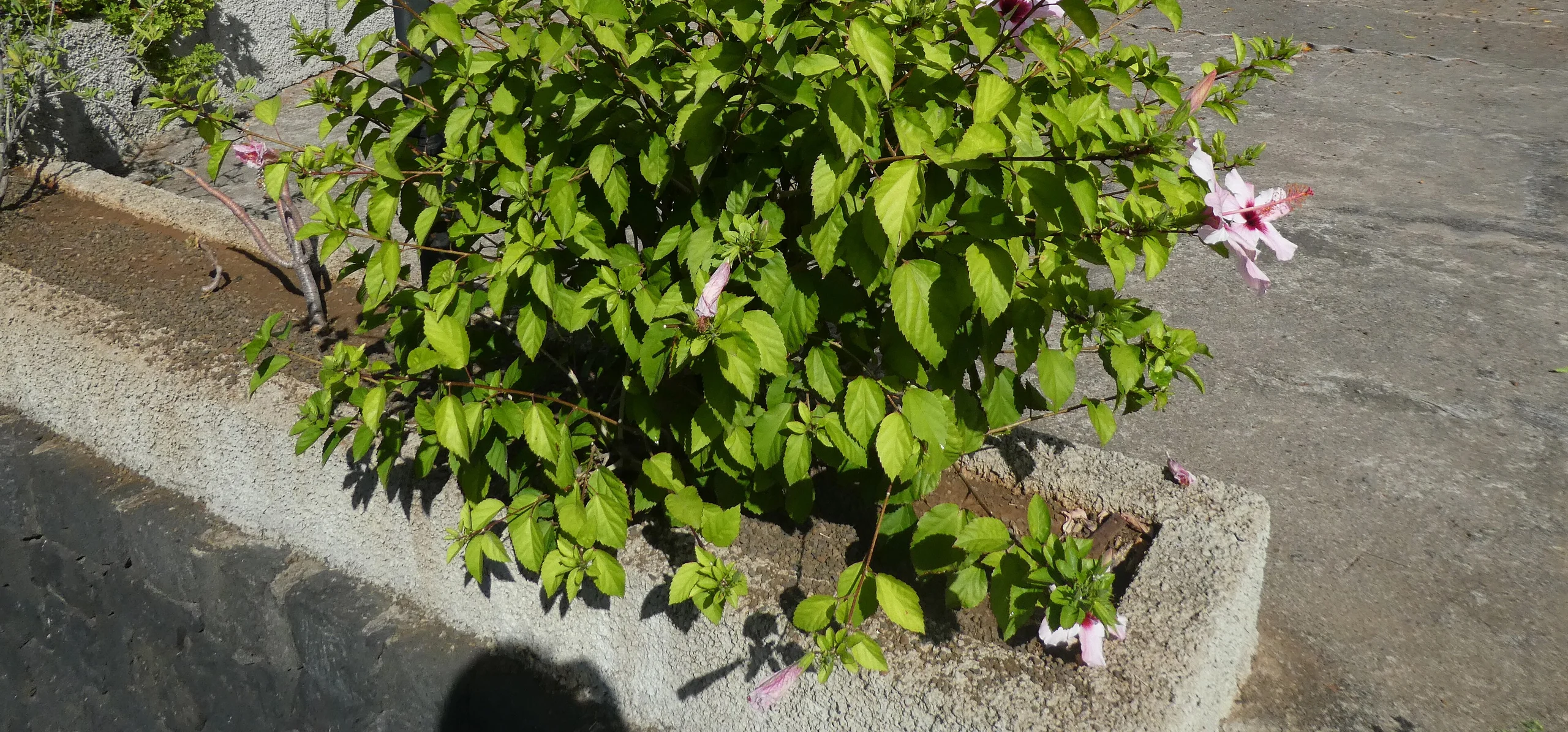
A Chinese hibiscus bought in full flower often looks bare again within a day or two of getting it home, and that is normal rather than a sign of trouble: each flower on Hibiscus rosa-sinensis opens once and closes for good by the next day, so a plant between flushes is simply resting, not dying. The two things that decide how many flushes follow are light and consistency: strong light sets the next round of buds, while a dried-out pot or a sudden move aborts the round already forming. Feed it hard through summer, keep it warm through winter, and the same plant can flower for most of the year and live for decades.
What "Hibiscus Rosa-Sinensis" Actually Is
GBIF records the accepted name as Hibiscus rosa-sinensis L., in the mallow family Malvaceae, order Malvales. Kew's Plants of the World Online lists the same plant as Hibiscus × rosa-sinensis, a cultigen with no wild native range: an ancient garden hybrid, its parentage traced to Hibiscus cooperi and Hibiscus kaute from the South Pacific, bred and rebred for centuries until the nursery colors sold today, candy pink, apricot, deep red, ruffled doubles, bear little resemblance to either parent. That garden origin is why no single wild home applies to the plant on a windowsill; it behaves more like a rose or a dahlia than a species you could find growing unaided in a forest.
Light and the One-Day Flower
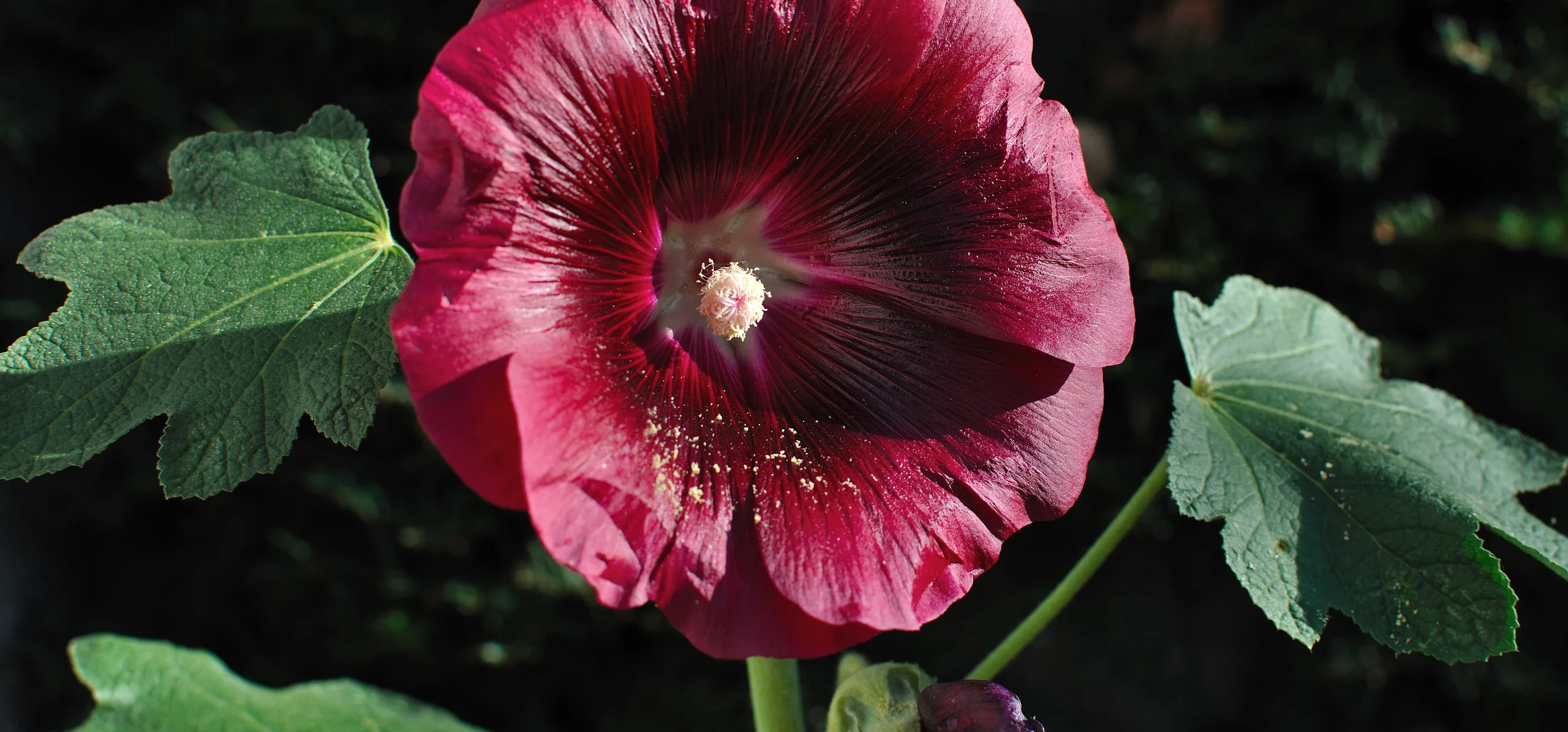
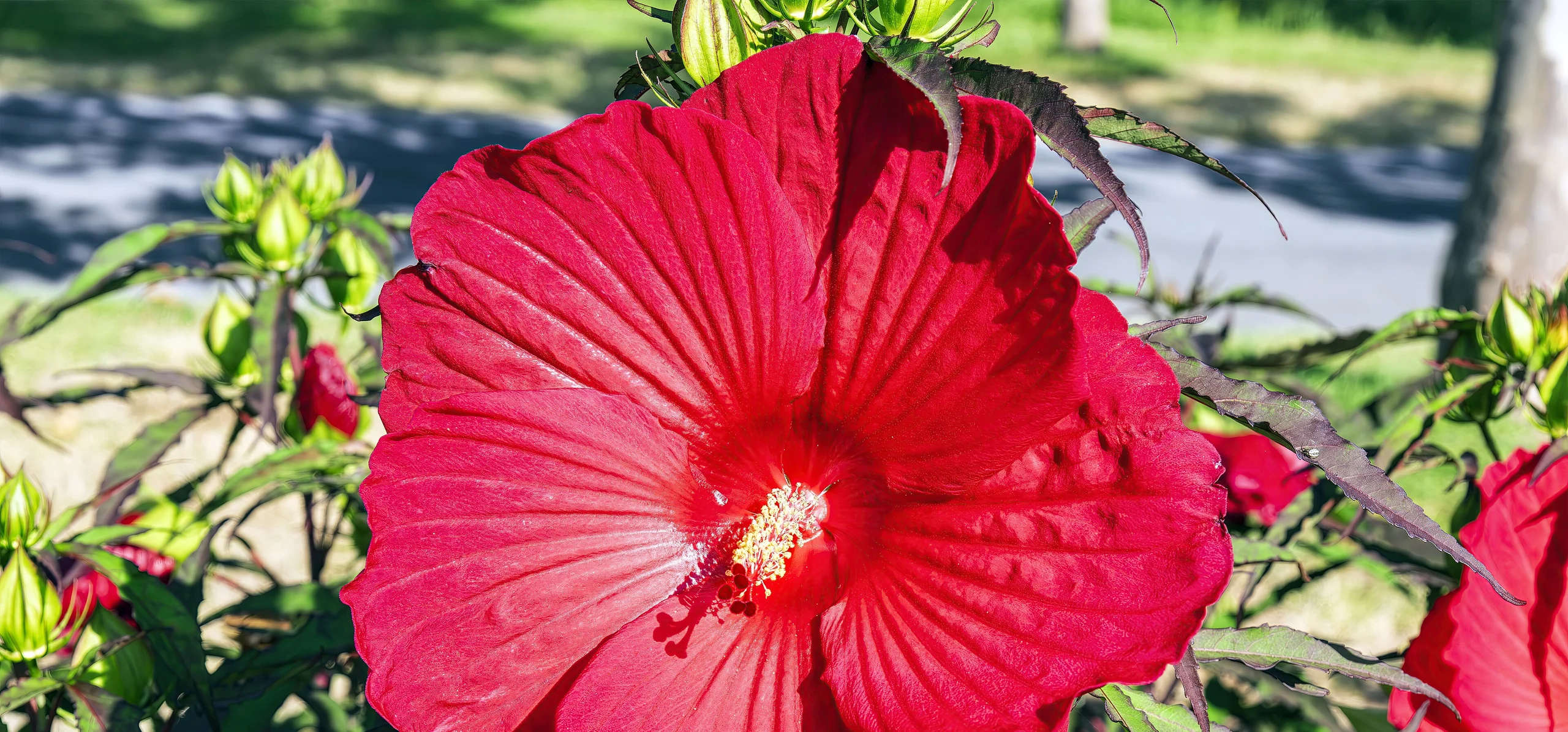
Clemson Cooperative Extension recommends full sun or light afternoon shade; indoors, that means the brightest window available, ideally one with some direct sun, since flower buds form in direct response to how much light the plant received over the previous days. Each flower is genuinely large: Clemson lists blooms four to eight inches (10-20cm) across, single or double, and the Royal Horticultural Society notes plainly that "the large showy blooms only last a day or two." A plant kept in dim light still grows leaves but sets few or no buds, the single most common reason an otherwise healthy Chinese hibiscus stops flowering indoors.
Watering and Bud Drop
Water freely through spring and summer, per Clemson, keeping the compost consistently moist without letting the pot sit in a saucer of water. University of Florida IFAS Extension lists both too much and too little water, along with excessive heat, among the main triggers for bud drop, the frustrating habit of a fully formed bud yellowing and falling before it ever opens. In practice, the pattern that catches new owners out is inconsistency rather than either extreme: a pot that dries out between waterings, then gets soaked, sets buds that abort days later, and the same thing tends to follow a move to a new room, a repot, or a spell outdoors followed by a return inside. Settle the plant in one spot, water on a steady rhythm, and avoid moving it once buds are visible.


Feeding Through the Growing Season
The RHS recommends feeding weekly with a balanced liquid fertiliser for houseplants once a plant is established, roughly six to eight weeks after repotting, and stopping altogether once growth slows in winter. Because flowering, not leaf growth, is the point, many growers switch from a balanced feed to a potassium-heavy one, the same style sold for tomatoes, once the plant is in active bud through summer: potassium drives flower production the way nitrogen drives leaves, so a high-nitrogen feed late in the season tends to buy more foliage at the cost of fewer flowers. Ease off, then stop, as light drops in autumn.
Pruning in Spring
Prune in late winter or early spring, before strong new growth starts. The RHS advises shortening the previous season's growth to leave a framework the new flower-bearing shoots grow from, cutting the stronger stems back hard to about 4 to 7cm (2-3in) from their base; Clemson gives a gentler rule of thumb, cutting old wood back by about a third. Either way, cut just above an outward-facing node, remove any thin, crossing, or dead growth first, and pinch the tips of young plants through the season to build a bushy shape rather than a few long canes. A plant pruned hard every spring stays compact and can, per the RHS, go on flowering for up to twenty years.
Propagation from Cuttings
Chinese hibiscus roots readily from semi-hardwood tip cuttings taken in spring or summer, several inches long with the lower leaves stripped and the cut end dipped in rooting hormone before going into a free-draining mix kept warm and humid until roots form. Pinch the growing tip once a rooted cutting is putting out new growth, to force side shoots and build a bushy young plant rather than one tall cane. Seed-grown plants exist but rarely come true to the parent's flower color or form, since almost every named variety is itself a hybrid, so cuttings are the reliable way to keep a specific color going.
Overwintering Indoors, Outdoors Only Where Frost-Free
The RHS is specific about the line that matters: bring the plant indoors before night temperatures drop below 12°C (59°F). A cooler spot brings on a semi-dormant state, and the RHS advises cutting back on watering as growth slows, letting the top layer of compost dry before watering again, and stopping feeding entirely until spring growth resumes. Outdoors, Chinese hibiscus survives planted in the ground only where frost never reaches it; Clemson rates it hardy outdoors to about USDA zone 9, and further north it is grown as a container plant moved under cover for winter, or treated as a summer annual. A single hard frost kills the top growth and often the whole plant, so gardeners outside the mildest climates are better off treating it as a patio plant that spends winter on a bright windowsill than testing its luck in open ground.
Pests Indoors and Toxicity to Pets
Moving indoors for winter is exactly when pest problems tend to show up, since the plant's usual outdoor predators are absent and warm, dry indoor air suits several pests well. The RHS lists aphids, red spider mites, and glasshouse whitefly as the common problems on Hibiscus rosa-sinensis; check the undersides of leaves and new growth regularly, since all three build up fast in the still air of a living room. Wash them off with a strong jet of water or wipe them away with insecticidal soap, repeating weekly until the colony is gone, and treat the plant before bringing it indoors in autumn rather than after an infestation is already established. On the safety side, the ASPCA lists Rose of China, its listing name for this species, as non-toxic to cats, dogs, and horses, unusual among common houseplants; in several tropical cuisines the flowers themselves are eaten or steeped into a tart, cranberry-colored tea, a culinary use of the plant rather than a reason to let a pet graze on it.
Test your plant knowledge
Tap a card to flip it and reveal the answer.
Each Hibiscus rosa-sinensis flower usually stays open for only a day or two before it closes for good. Tap to reveal ✓ True
Letting the potting mix dry out between waterings has no effect on flower buds. Tap to reveal ✕ False
The RHS advises bringing Chinese hibiscus indoors before night temperatures fall below 12°C. Tap to reveal ✓ True
According to the ASPCA, Chinese hibiscus (Rose of China) is toxic to cats and dogs. Tap to reveal ✕ False
Plants of the World Online records Hibiscus rosa-sinensis as a true wild species with a defined native range. Tap to reveal ✕ False
Sources
References consulted for this guide
- GBIF Backbone Taxonomy: Hibiscus rosa-sinensis L.gbif.org
- Plants of the World Online (Kew): Hibiscus x rosa-sinensis L.powo.science.kew.org
- RHS: Hibiscus rosa-sinensis Growing Guiderhs.org.uk
- Clemson HGIC: Hibiscushgic.clemson.edu
- ASPCA: Toxic and Non-Toxic Plants, Rose of Chinaaspca.org
- Missouri Botanical Garden Plant Finder: Hibiscus rosa-sinensismissouribotanicalgarden.org
- University of Florida IFAS Extension: Bud Drop and Other Hibiscus Horror Storiesblogs.ifas.ufl.edu
- Reference entity : Wikipédiaen.wikipedia.org