European Crab Apple
Malus sylvestris
Family · Rosaceae
European crab apple wants full sun, well-drained soil and light annual pruning. Covers siting, pollination, fruiting, pests and toxicity to pets.
Malus sylvestris
Plant profile
- WateringLittleWater every 10 days
- Light exposurePartial sun
- Hardiness zoneUSDA 4–8
Growth
- Family
- Rosaceae
- Life cycle
- Perennial
- Growth speed
- 4/10
- Mature size
- 800–1200 cm
- Spread
- 400–800 cm
- Flowering
- Late spring blossom, autumn fruit
- Propagation
- Seed
- Grafting
Dormancyleafless in winter, dormant buds break in spring
Time to maturity20-50 years to ultimate height
Soil & climate
- Soil types
- chalk, clay, loam, sand
- Drought tolerance
- Yes
Light & Placement
- Origin
- Europe to Turkiye
- Where to place it
- hedgerow
- orchard margin
- wildlife garden
- specimen tree
- large container while young only
Safety
- Toxicity
- CatsToxic
- DogsToxic
- HorsesToxic
- HumansToxic
Invasive speciesnot invasive, but hybridises readily with cultivated apple, which conservationists treat as a genetic threat to wild populations
Data fromMalus sylvestris (L.) Mill., GBIF BackboMalus sylvestris (L.) Mill., Plants of tRHS: Malus sylvestris (crab apple)ASPCA: Apple (Malus sylvestris) toxicityStony Brook University Arboretum: Europe
Where it grows
World distribution
European Crab Apple is native to 27 countries: Albania, Austria, Belgium, Bulgaria, Croatia, Czechia, Denmark, and Estonia….GBIF records 186,452 documented identifications across 82 countries, with the largest concentrations in United Kingdom, France, and Sweden.
- Albania
- Austria
- Belgium
- Bulgaria
- Croatia
- Czechia
- Denmark
- Estonia
- Finland
- France
- Germany
- Greece
Show 15 more countriesShow fewer countries
- Hungary
- Ireland
- Italy
- Netherlands
- Norway
- Poland
- Portugal
- Romania
- Russia
- Spain
- Sweden
- Switzerland
- Türkiye
- Ukraine
- United Kingdom
Yellow to orange dots: concentration of documented identifications per country. Green countries: sourced native range. Source: GBIFNative range from POWO (Kew).
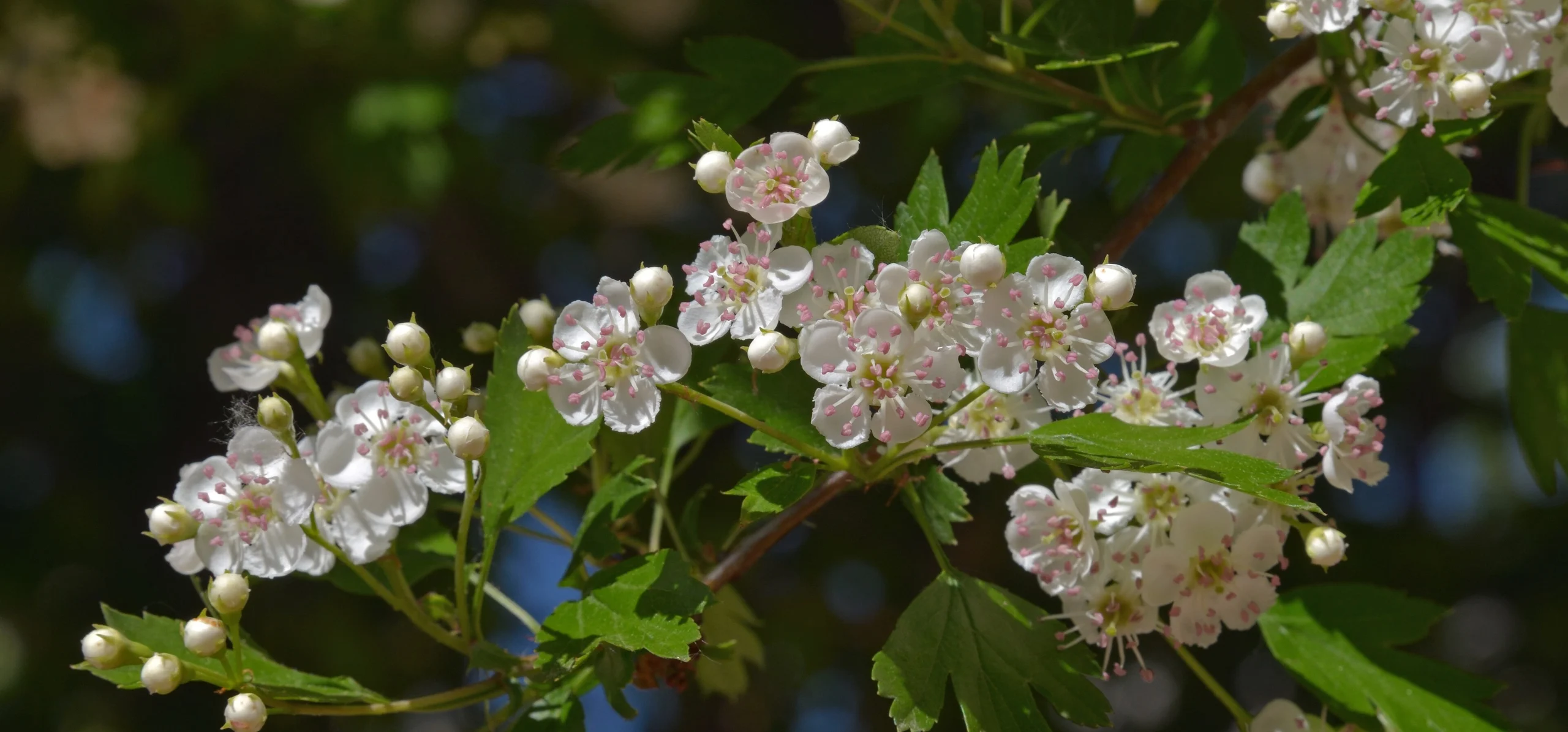
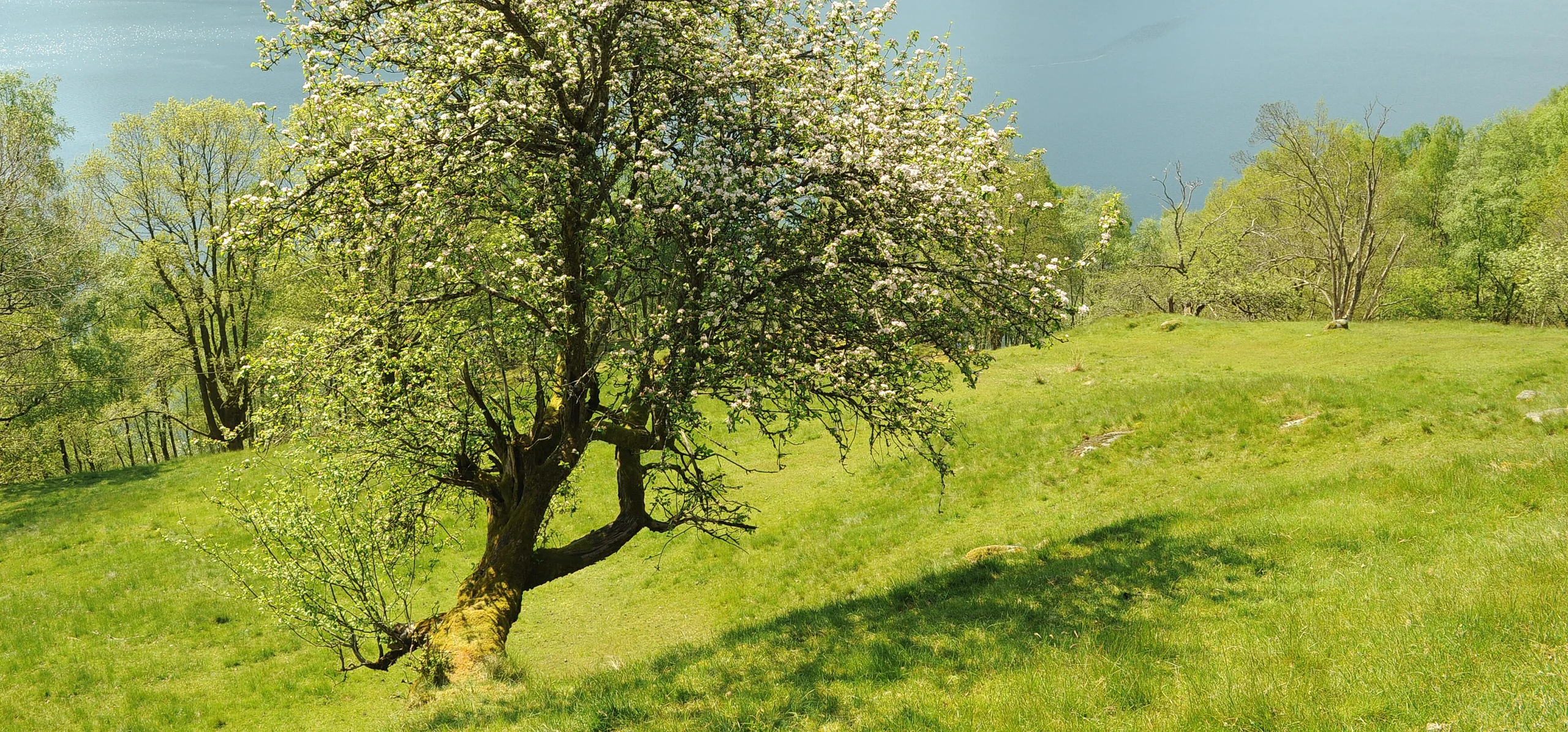
A young Malus sylvestris looks like nothing much: a thin whip of a trunk and a scatter of oval leaves. Give it a decade and it becomes a small, gnarled, wide-crowned tree that stops people on a footpath when it flowers, clouds of pink-tinged white blossom in late spring, followed by hard little yellow-green apples that hang on into winter. It is the wild ancestor behind most cultivated apples, and it asks for very little: an open sunny spot, soil that does not sit wet, and a light hand with the saw.
What You Are Actually Growing
Malus sylvestris is not the same plant as the ornamental crab apple cultivars sold for garden colour, nor is it the domestic apple, Malus domestica, even though the two hybridise so freely that botanists treat the genetic purity of wild populations as a conservation concern. A true wild crab apple has smaller, sourer, harder fruit, thorny young growth on some individuals, and a rangier, less tidy crown than a nursery cultivar bred for uniform flowers. If you bought a named variety such as 'Red Sentinel' or 'John Downie', you have a garden crab apple, not this species; if you are growing on from a hedgerow seedling or a specimen bought as straight Malus sylvestris, the guidance below applies directly.
Site and Planting
Give it full sun for the best blossom and fruit set, though the RHS notes it will tolerate partial shade without dying, just flowering more thinly. It is unfussy about soil type, growing on chalk, clay, loam and sand alike, but it wants moisture that drains away rather than sitting around the roots; a heavy clay hollow that puddles after rain is the one site to avoid. Plant a bare-root or containerised tree between autumn and early spring while it is dormant, and allow real space: an ultimate spread of 4 to 8 metres means a specimen tree needs at least that much clear ground, while a hedgerow planting can be set closer and kept smaller by pruning.
Watering While It Establishes
For the first two growing seasons, water a newly planted tree deeply once a week in dry spells, more often in a hot first summer, so the root system can push out past the original planting hole. After that, a Malus sylvestris in the ground is genuinely drought tolerant and copes with normal rainfall in most temperate climates; supplemental watering is really only needed during an extended dry spell in summer, and even then a deep soak every couple of weeks does more good than a light daily sprinkle, which encourages shallow roots.

Pollination and Fruiting
Flowers open in a short window in late spring and are pollinated by bees and other insects rather than the wind. Sources disagree on whether an individual tree is reliably self-fertile; in practice, fruit set is heavier and more consistent when another apple, wild or cultivated, is flowering nearby at the same time. This is one reason old orchards and hedgerows often kept a wild crab apple or two among the cultivated trees: its long, overlapping flowering period helps pollinate the whole planting. Fruit ripens through autumn into small, hard, very sour apples, 2 to 3 cm across, that soften and sweeten after a frost, and that birds, and traditionally people making crab apple jelly, take through winter.
Pruning
The RHS places Malus sylvestris in its lightest pruning group: once the initial shape is set, an established tree needs only the removal of dead, damaged, crossing or crowded branches to keep air moving through the crown. Do this while the tree is dormant, but choose a dry spell rather than pruning into cold, wet weather, since fresh wounds on apples are an entry point for canker. Resist the urge to prune hard for size; heavy cuts on an established tree tend to trigger a thicket of vigorous upright water shoots rather than a neater crown, and they interrupt fruiting for a year or two.
Pests and Diseases
As a true apple relative, it carries the same disease list as orchard trees. Apple scab shows as dark, scabby blotches on leaves and fruit skin in wet springs; it rarely kills a tree but disfigures the crop. Powdery mildew coats young shoot tips in a grey-white film in humid weather and slows growth if left unchecked. Fireblight and blossom wilt both enter through open flowers and can kill whole branches within a season, cut well back into healthy wood and disinfect tools between cuts if you see blackened, scorched-looking blossom clusters. Honey fungus and apple canker are the more serious long-term risks, both usually linked to a stressed tree on poorly drained ground, which is the strongest practical argument for getting the planting site right in the first place.
Wildlife Value and Toxicity
Few small trees pull their weight for wildlife as well as this one: the blossom feeds early-season bees, the foliage hosts moth caterpillars that in turn feed nesting birds, and the persistent fruit is a winter food source once softer berries are gone. That same fruit and foliage need care around pets: the ASPCA lists apple, Malus sylvestris included, as toxic to dogs, cats and horses, with cyanogenic glycosides concentrated in the seeds, stems and wilting leaves rather than the ripe flesh. Clear fallen leaves and windfall fruit from areas grazing animals can reach, and keep an eye on a dog that likes to chew sticks under the tree, especially wilted prunings left on the ground after a pruning session.
Test your plant knowledge
Tap a card to flip it and reveal the answer.
Malus sylvestris needs full sun to flower and fruit well. Tap to reveal ✓ True
This tree only reaches its full height after 20 to 50 years. Tap to reveal ✓ True
Established European crab apples need daily watering through summer. Tap to reveal ✕ False
Winter is the right time to prune Malus sylvestris. Tap to reveal ✕ False
The seeds and stems are safe for dogs and cats to chew. Tap to reveal ✕ False
Sources
References consulted for this guide
- Malus sylvestris (L.) Mill., GBIF Backbone Taxonomygbif.org
- Malus sylvestris (L.) Mill., Plants of the World Online, Kew Sciencepowo.science.kew.org
- RHS: Malus sylvestris (crab apple)rhs.org.uk
- ASPCA: Apple (Malus sylvestris) toxicity to petsaspca.org
- Stony Brook University Arboretum: European Crabapple (Malus sylvestris)stonybrook.edu
- Reference entity : Wikipédiaen.wikipedia.org