Common Peony
Paeonia officinalis
Family · Paeoniaceae
Common peony flowers for decades once planted right: shallow crown depth, full sun to light shade, moist well-drained soil, and an autumn cutback.
Paeonia officinalis
Plant profile
- WateringModerateWater every 7 days
- Light exposurePartial sun
- Hardiness zoneUSDA 3–8
Growth
- Family
- Paeoniaceae
- Life cycle
- Perennial
- Growth speed
- 3/10
- Mature size
- 50–100 cm
- Spread
- 50–100 cm
- Flowering
- Late spring to early summer, blooms about two weeks
- Propagation
- Division
- Seed
DormancyDies back to ground level in autumn; resprouts from the crown in spring
Time to maturity2 to 5 years to reach full flowering size
Soil & climate
- Soil pH
- pH 6–7.5
- Soil types
- loam, clay, sand, chalk
- Drought tolerance
- No
Light & Placement
- Origin
- Eastern Central and Southern Europe
- Where to place it
- Sunny perennial border
- Cottage garden bed
- Cutting garden
- Light woodland edge with morning sun
Safety
- Toxicity
- CatsToxic
- DogsToxic
- HorsesToxic
Data fromGBIF: Paeonia officinalis L.POWO (Kew): Paeonia officinalis L.RHS: Herbaceous and intersectional peoniASPCA: Toxic and Non-Toxic Plants, PeonyNC State Extension Gardener Plant Toolbo
Where it grows
World distribution
Common Peony is native to 9 countries: Albania, Croatia, France, Hungary, Italy, Portugal, Romania, and Spain….GBIF records 15,631 documented identifications across 56 countries, with the largest concentrations in France, Spain, and United Kingdom.
- Albania
- Croatia
- France
- Hungary
- Italy
- Portugal
- Romania
- Spain
- Switzerland
Yellow to orange dots: concentration of documented identifications per country. Green countries: sourced native range. Source: GBIFNative range from POWO (Kew).
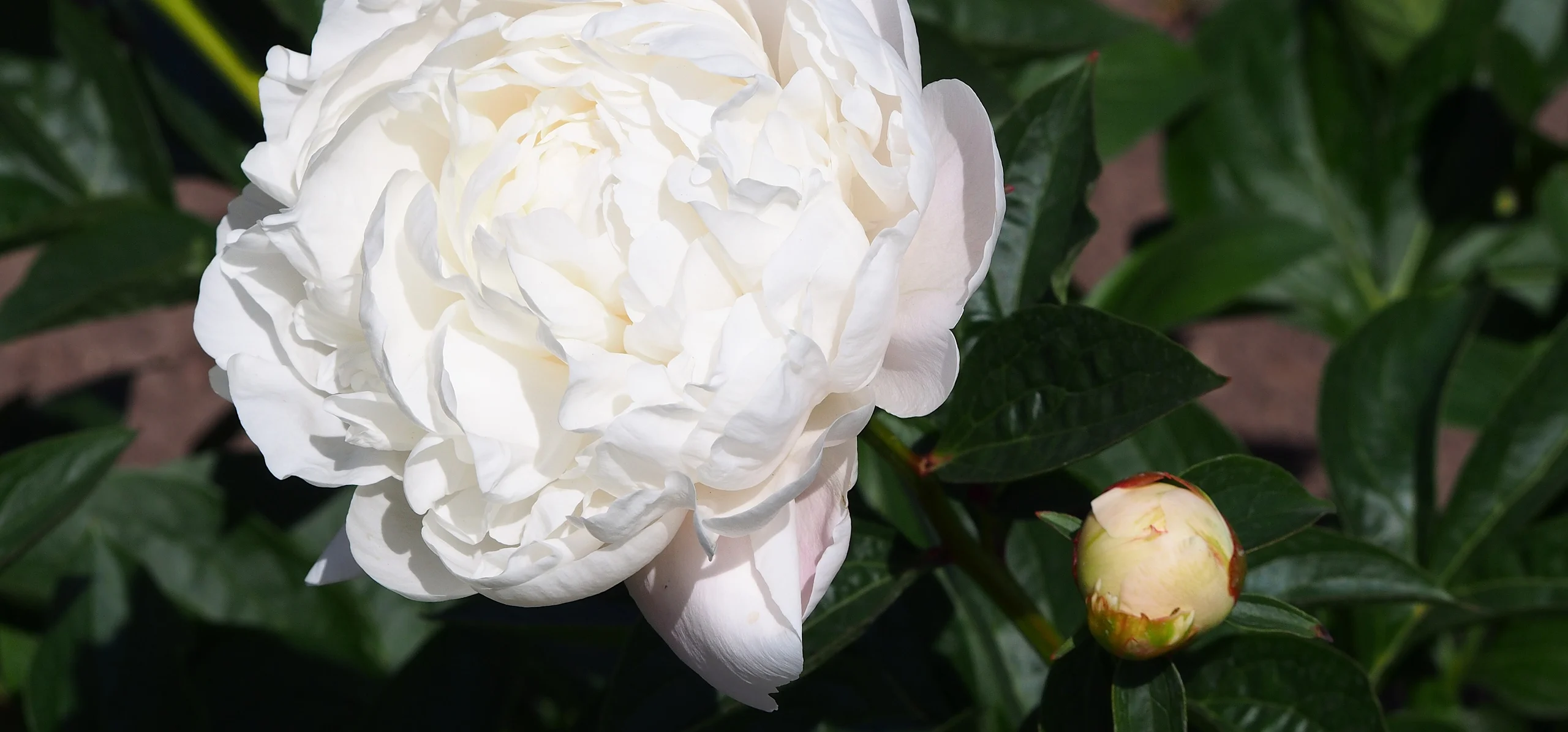
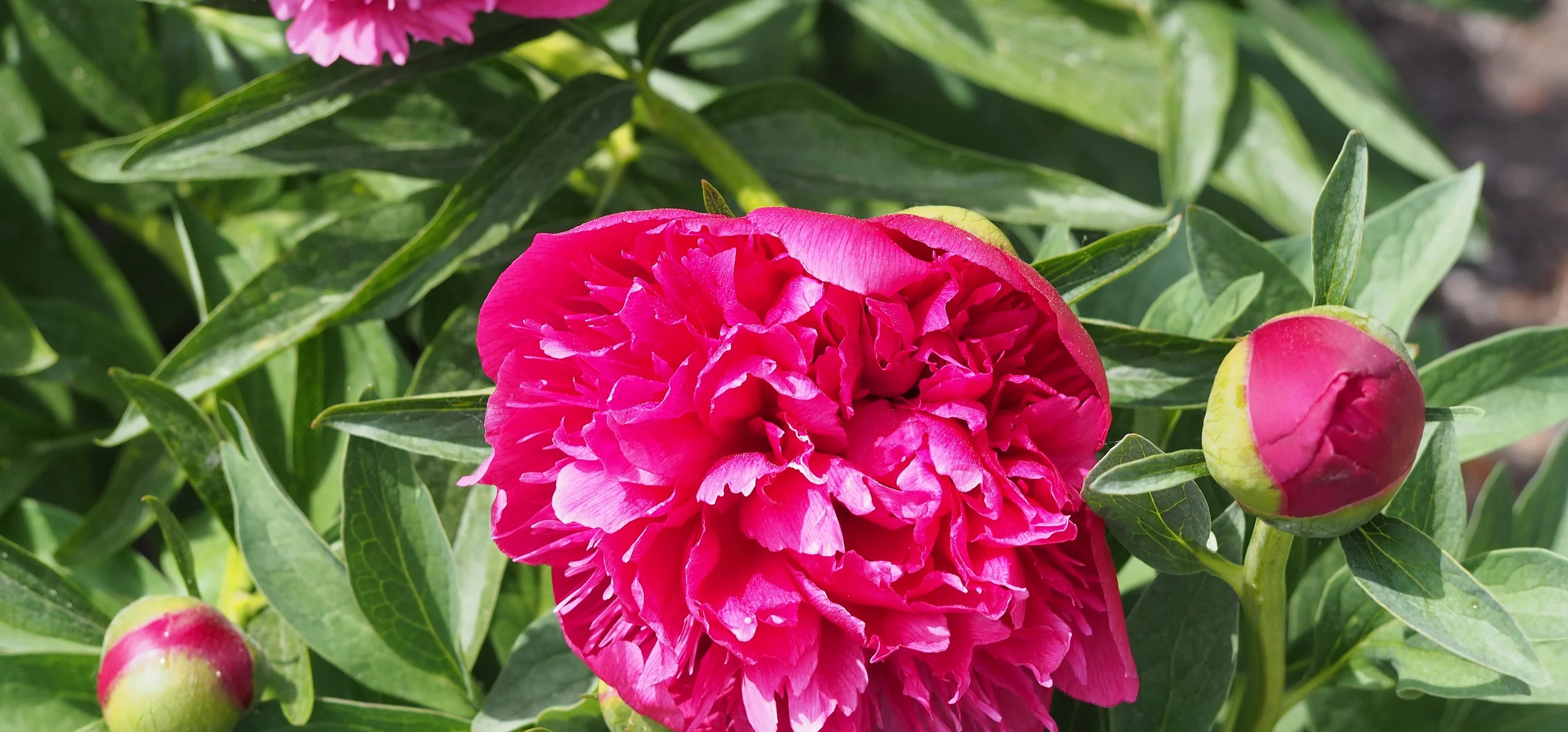
Paeonia officinalis, the common or garden peony, is the deep magenta-red, often fully double flower seen in old European cottage gardens long before the Chinese species Paeonia lactiflora became the more widely sold cut flower. It is a herbaceous perennial in the Paeoniaceae family, native to eastern central and southern Europe, dying back to bare ground each autumn and resprouting from a woody crown every spring. Expect one flush of large, faintly scented flowers in late spring to early summer that lasts about two weeks, followed by a full season of glossy, deeply cut foliage that holds its shape until frost. Get the site and the planting depth right once and a single clump keeps flowering for decades without ever needing to be moved.
Where to Plant Common Peony
Give it full sun to light shade: flowering is strongest with direct sun for most of the day, though a little afternoon shade is tolerated in hot climates. Choose a sheltered spot, out of strong wind, because the heavy, often double flowers topple easily once rain-soaked. The soil should be fertile and humus-rich, moist but free-draining; common peony tolerates chalk, clay, loam and sandy soils and a wide pH range from acid to alkaline, but it will not sit happily in ground that stays wet through winter. A young plant reaches its mature 50 to 100 cm height and spread over two to five years, and it is hardy through winters as cold as USDA zone 3, needing that cold dormancy to flower well the following spring.
Getting the Planting Depth Right
Deep planting is the single most common reason a common peony never flowers. The pink or red growth buds, called eyes, at the top of the crown should sit no more than 2.5 cm (1 inch) below the soil surface; anything deeper and the plant puts its energy into roots and foliage instead of flower buds. Plant or divide in autumn while the crown is dormant, spreading the roots out in a wide, shallow hole rather than a deep, narrow one. If an established clump that once flowered well has gradually stopped blooming and overcrowding is not the cause, lift it in autumn and check the depth: replanting it shallower, with the eyes barely covered, often brings the flowers back within a couple of seasons.


Watering and Feeding Through the Season
Newly planted peonies establish slowly and need consistent moisture through their first spring, while the deep, fleshy roots are still developing and the flower buds are swelling. Water when the top few centimetres of soil dry out rather than on a fixed schedule, and keep watering through any dry spell that coincides with bud development, since drought at that stage is a common cause of buds that form but never open. Once established, common peony copes with short dry periods thanks to its deep storage roots, but it still flowers better with even moisture than left to fend for itself. Feed lightly in early spring with a balanced fertiliser or a layer of compost spread around, not against, the crown; heavy nitrogen produces soft, sappy growth that flops over and invites disease.
Deadheading, Support, and the Autumn Cutback
Cut off spent flowers as soon as the petals drop, taking the stem back to just above the first strong leaf, so the plant channels energy into the crown rather than into forming seed pods. Full, double-flowered forms in particular need support before they need it: push a peony ring or brushwood stakes in around the young shoots as they emerge in spring, well ahead of flowering, because stems that have already flopped rarely stand up straight again once tied. When the foliage yellows and collapses after the first hard autumn frosts, cut the entire plant back to ground level and remove the debris from the bed rather than composting it, since old foliage can carry fungal spores through to the following spring.
Dividing an Established Clump
Common peony is long-lived and resents being disturbed, so leave a healthy clump undivided for years rather than splitting it on a schedule. Divide only in autumn, and only when a clump has become congested and flowering has dropped off, or when the plant needs to move to a new position. Lift the whole crown, wash off the soil so the eyes are visible, and cut it into sections with a clean, sharp knife, making sure each division carries three to five eyes and a fair share of root. Replant immediately at the shallow depth described above; a fresh division typically takes two to three years to build back to a full flush of bloom. Growing from seed is possible but slower still, and seedlings do not come true to a named, double-flowered parent.
Pests, Diseases, and the Ant Myth
Ants crawling over unopened peony buds are one of the most persistent gardening myths: they are there for the sugary nectar the buds produce, not damaging the plant, and there is no need to spray or wipe them off before bringing cut flowers indoors, just give the stems a shake. The real problems to watch for are fungal rather than insect: powdery mildew coats leaves in a white film late in the season, mostly a cosmetic issue that improves with better air movement around the clump, and southern blight can rot stems at soil level in hot, humid weather. Two insects worth knowing are the spring rose beetle, which chews holes in young foliage and open flowers, and an unidentified bud-boring larva that tunnels into unopened buds and prevents them from opening at all; picking off and destroying affected buds is the most reliable control for both.
- Powdery mildew: white coating on leaves, worse in still, humid air
- Southern blight: stem rot at soil level in hot, wet conditions
- Spring rose beetle: chewed holes in leaves and flowers
- Bud-boring larva: buds fail to open
Toxicity and Placement Safety
Common peony is listed by the ASPCA as toxic to cats, dogs and horses; the toxic principle is paeonol, and chewing on the flowers, leaves or roots can cause vomiting, diarrhoea and lethargy. Keep new plantings out of reach of a dog that chews foliage out of curiosity, and site clumps well away from paddock fencing where a horse could reach over and graze on them. The species epithet officinalis marks a long history of the root being used in traditional herbal preparations in the past, a historical fact rather than a reason to treat any part of the plant as safe to eat today.
Test your plant knowledge
Tap a card to flip it and reveal the answer.
Planting the crown so the growth buds sit more than a couple of centimetres deep is the most common reason common peony fails to flower. Tap to reveal ✓ True
Ants on unopened peony buds are feeding on the plant and should be removed before the flowers open. Tap to reveal ✕ False
The ASPCA lists common peony as toxic to cats, dogs and horses. Tap to reveal ✓ True
An established, healthy peony clump should be lifted and divided every year to keep it flowering well. Tap to reveal ✕ False
Common peony flowers well in soil that stays waterlogged through winter. Tap to reveal ✕ False
Sources
References consulted for this guide
- GBIF: Paeonia officinalis L.gbif.org
- POWO (Kew): Paeonia officinalis L.powo.science.kew.org
- RHS: Herbaceous and intersectional peonies growing guiderhs.org.uk
- ASPCA: Toxic and Non-Toxic Plants, Peonyaspca.org
- NC State Extension Gardener Plant Toolbox: Paeonia (Herbaceous Types)plants.ces.ncsu.edu
- Reference entity : Wikipédiaen.wikipedia.org