Chinese peony
Paeonia lactiflora
Family · Paeoniaceae
Chinese peony skips flowering when planted too deep: keep the eyes within an inch of the surface, full sun, moist well-drained soil at pH 6.5 to 7.0.
Paeonia lactiflora
Plant profile
- WateringModerateWater every 7 days
- Light exposurePartial sun
- Ideal temperature-20–-15 °C
Growth
- Family
- Paeoniaceae
- Life cycle
- Perennial
- Growth speed
- 3/10
- Mature size
- 50–100 cm
- Spread
- 50–100 cm
- Propagation
- Division
- Seed
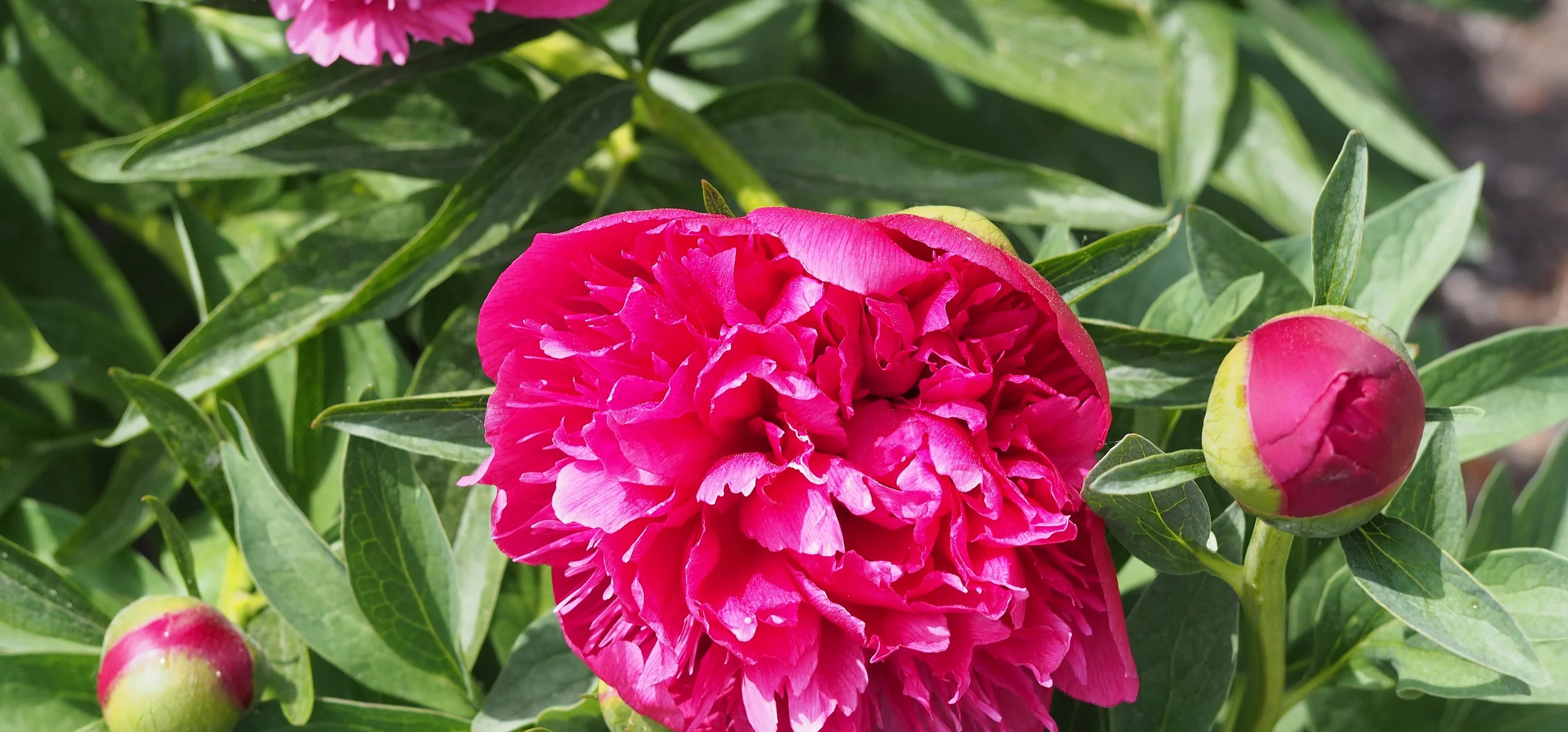
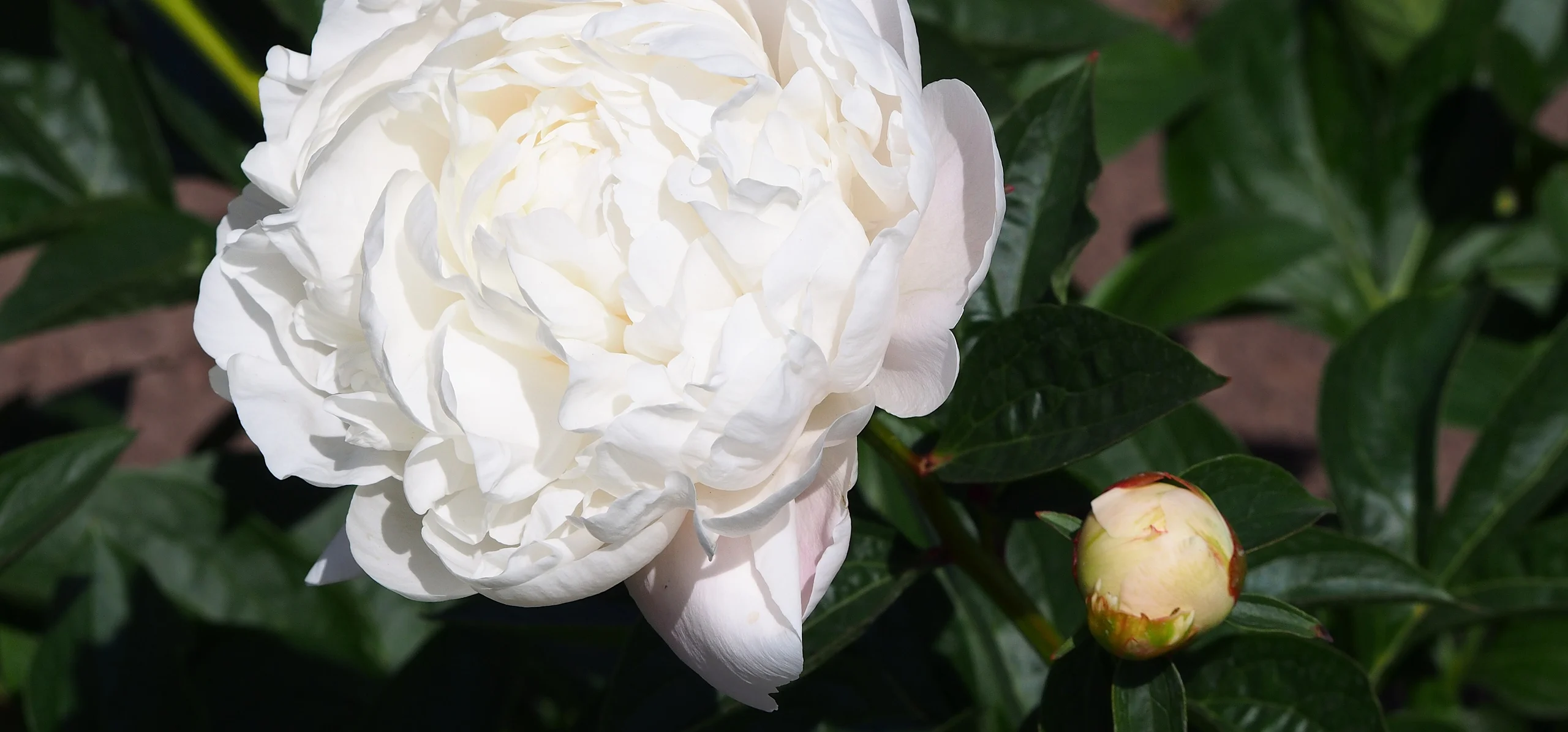
FloweringLarge, scented white or pale pink flowers up to 10cm across with pale yellow stamens in early summer (RHS)
Dormancydies back to the ground each winter
Time to maturityreaches full size over 2 to 5 years (RHS)
Soil & climate
- Soil pH
- pH 6.5–7
- Soil types
- clay, loam, sand
- Drought tolerance
- No
Light & Placement
- Origin
- SE Siberia to northern and eastern China (POWO)
- Where to place it
- sunny mixed or cutting border with room to spread
- sheltered bed away from strong wind
- large permanent container on a sunny patio
Safety
- Toxicity
- CatsToxic
- DogsToxic
- HorsesToxic
Data fromGBIF Backbone Taxonomy: Paeonia lactifloPlants of the World Online (Kew): PaeoniRHS: Paeonia lactiflora (Chinese peony)Clemson HGIC: How to Grow Peonies in SouASPCA: Toxic and Non-Toxic Plants, Peony
Where it grows
World distribution
Chinese peony is native to 3 countries: China, Mongolia, and Russia.GBIF records 4,373 documented identifications across 42 countries, with the largest concentrations in Russia, China, and Sweden.
- China
- Mongolia
- Russia
Yellow to orange dots: concentration of documented identifications per country. Green countries: sourced native range. Source: GBIFNative range from POWO (Kew).
A bare-root Paeonia lactiflora division looks unpromising: a knot of tuberous roots with a few pink-tipped buds, called eyes, at the crown. Those eyes decide everything. Set them too deep and the plant will grow leaves for years without ever flowering, a problem gardeners run into more than any pest or disease. Chinese peony is the parent species behind most garden and florist peonies sold today, valued for a scent the woody tree peony lacks, and a well-sited plant will outlive the gardener who put it in the ground, some clumps flowering in the same bed for fifty years.
Choosing a spot and light
Give it at least six hours of direct sun a day; bloom count drops fast in shade. In climates with hot afternoons, a little shade from around 2pm keeps the large double flowers from bleaching and shortens the time petals hold before they shatter. Pick a sheltered spot away from strong wind, since the heaviest double cultivars, the kind with over a hundred petals, are top-heavy enough to snap their own stems in a gust. Paeonia lactiflora is rated H6 by the RHS, hardy through winters down to between -20 and -15°C, and it needs that cold to reset flower buds for the following spring; it will not perform in a climate that never has a proper winter.
Planting depth is the only step that matters
Dig the hole 12 to 18 inches deep and wide, work in compost or well-rotted manure if the soil is heavy clay, and mound loose soil in the base so roots can drape over it rather than bend upward. The eyes should end up no more than an inch below the finished soil surface. Deeper than that and the plant survives but stops setting flower buds, which is the single most common reason an established peony never blooms. Space plants three to four feet apart; peonies dislike being crowded once the clump fills out. Aim for a soil pH of 6.5 to 7.0.
Watering and feeding through the season
Keep the soil moist but never waterlogged, with the most critical window being spring, while stems are extending and buds are swelling; a dry spell then means smaller flowers. Water at the base rather than overhead, since wet foliage overnight is what starts the fungal problems below. Once spring shoots reach two to three inches, scratch in a low-nitrogen fertiliser, a 5-10-5 or 5-10-10 blend, at roughly two to three pounds per hundred square feet, kept clear of the stems themselves. Skip a heavy nitrogen feed: it pushes leafy growth at the expense of flowers and can encourage the rot problems peonies are already prone to.


Staking, deadheading and the ant myth
Most double-flowered cultivars need support before the buds open, not after: slip a peony hoop or a ring of stakes and twine over the emerging shoots in April so the foliage grows up through it and hides the hardware. Ants cover the sticky, nectar-coated buds in the weeks before they open, and gardeners often credit them with helping the flower unfold; they do not, the sugar just draws them in, and a bud left unvisited by a single ant will open exactly the same. Cut spent flowers back to the first full leaf once petals drop, which redirects energy into next year's eyes instead of seed production.
Dividing an established clump
Paeonia lactiflora resents being moved and does not need routine dividing; many gardeners leave a clump untouched for a decade or more and it only improves. Divide only to propagate or to rescue a clump that has stopped flowering well, and do it in late September or October, never in spring. Lift the whole root mass, rinse off the soil so the eyes are visible, and cut it with a clean knife into sections that each keep three to five eyes and a fair share of root. Smaller pieces with one or two eyes survive but can take two or three years to flower again; divisions replanted at the correct depth usually skip blooming for just one season while they settle in.
Pests and diseases to watch
Botrytis blight, sometimes called peony wilt, is the main threat: it blackens shoot tips and unopened buds in cool, wet spring weather and spreads fastest where old stem bases were left in the ground. Cut all dead stems down to the soil in autumn after the first hard frost and throw them away rather than composting them, since the fungus overwinters on that debris. Leaf and bud eelworm, verticillium wilt, honey fungus and swift moth larvae feeding on roots are less common but documented problems; leaf blotch shows as reddish-purple blistered patches on foliage in late summer and is largely cosmetic. Good airflow between plants and clearing fallen leaves each autumn prevent most of these before they start.
Toxic to pets, not to admire
Every part of the plant contains paeonol, and the ASPCA lists peony as toxic to dogs, cats and horses: an animal that chews on stems, roots or flowers can develop vomiting, diarrhoea and lethargy, rarely worse. The RHS separately notes it as a skin irritant to dogs and cats on contact, so a curious pet brushing against the foliage can react even without eating it. Keep grazing animals out of a bed planted with peonies and cut flowers well out of a cat's reach indoors.
Where Paeonia lactiflora comes from
The species is native from south-eastern Siberia into northern and eastern China, growing wild in temperate grassland and open woodland long before Chinese and later European breeders selected the doubled, heavily scented forms sold today. GBIF records the accepted name as Paeonia lactiflora Pall., in the family Paeoniaceae, order Saxifragales; older nursery catalogues sometimes still use the synonym Paeonia albiflora for the same plant.
Test your plant knowledge
Tap a card to flip it and reveal the answer.
Most failures of Paeonia lactiflora to bloom are caused by planting the eyes more than an inch below the soil surface. Tap to reveal ✓ True
Ants are necessary for a peony bud to open properly. Tap to reveal ✕ False
Chinese peony can be left undivided in the same spot for many years without harm. Tap to reveal ✓ True
The ASPCA lists peony as non-toxic to dogs, cats and horses. Tap to reveal ✕ False
Cutting dead stems to the ground and discarding them, rather than composting, helps prevent botrytis blight returning next spring. Tap to reveal ✓ True
Sources
References consulted for this guide
- GBIF Backbone Taxonomy: Paeonia lactiflora Pall.gbif.org
- Plants of the World Online (Kew): Paeonia lactiflora Pall.powo.science.kew.org
- RHS: Paeonia lactiflora (Chinese peony)rhs.org.uk
- Clemson HGIC: How to Grow Peonies in South Carolinahgic.clemson.edu
- ASPCA: Toxic and Non-Toxic Plants, Peonyaspca.org
- Reference entity : Wikipédiaen.wikipedia.org