Moth Orchid
Phalaenopsis aphrodite
Family · Orchidaceae
Phalaenopsis aphrodite grows wild only in the Philippines. Here is the RHS routine for watering, light, repotting and coaxing a stubborn plant back into flower.
Phalaenopsis aphrodite
Plant profile
- WateringLittleWater every 7 days
- Light exposureIndirect light
- Ideal temperature16–30 °C
Growth
- Family
- Orchidaceae
- Life cycle
- Perennial
- Growth speed
- 3/10
- Mature size
- 50–100 cm
- Spread
- 10–50 cm
- Propagation
- Offsets
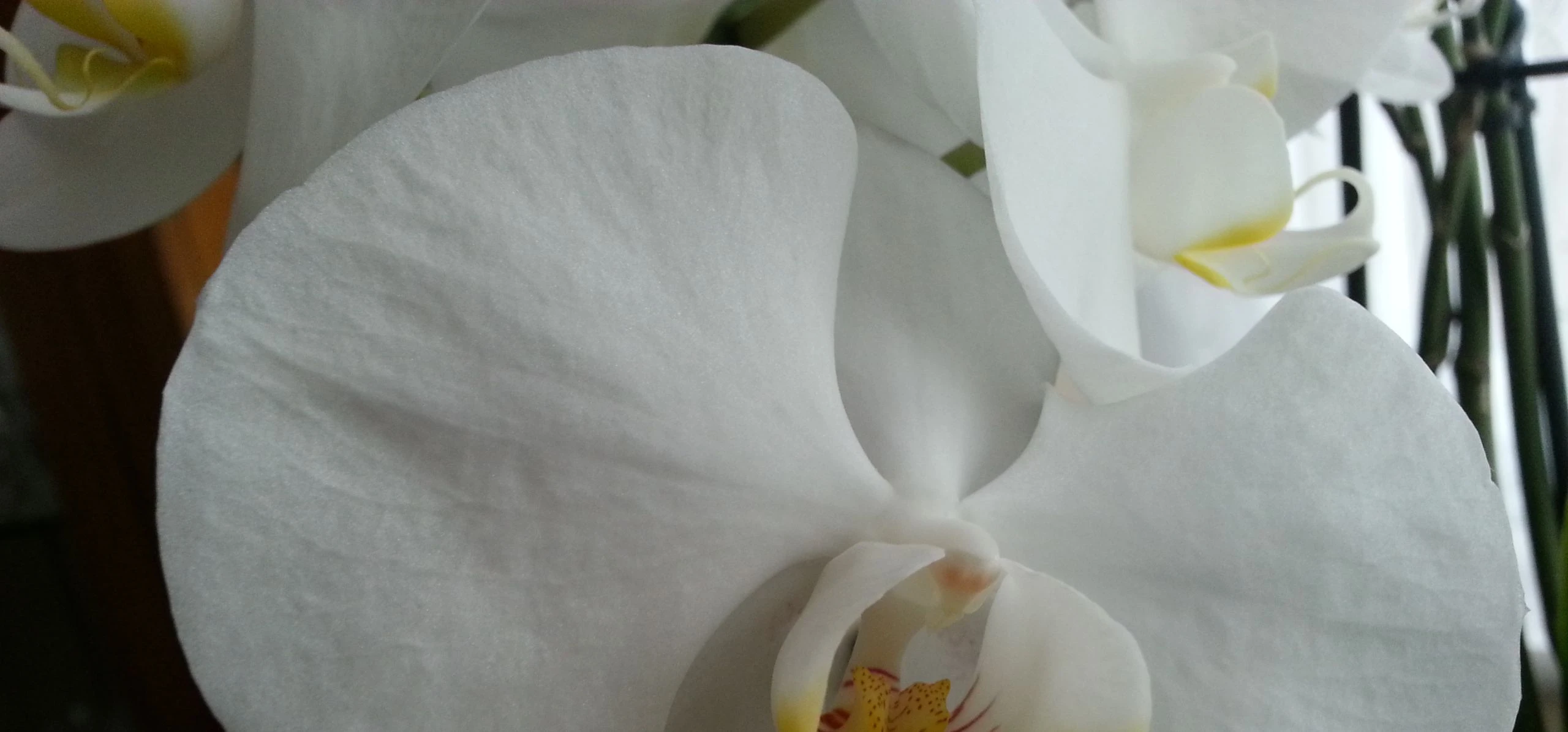
FloweringWhite flowers to 10 cm across with a yellow, red-marked lip, autumn to early spring (RHS)
DormancyNo true dormancy; growth and occasional reflowering continue year-round in stable warmth
Time to maturityReaches flowering size in about 1 to 2 years (RHS)
Soil & climate
- Soil types
- bark
- Drought tolerance
- No
Light & Placement
- Origin
- Native to the Philippines, growing as an epiphyte in forest habitat (POWO)
- Where to place it
- East-facing windowsill, or a shaded west- or south-facing sill (RHS)
- Away from radiators, heaters and cold drafts (RHS)
- Transparent orchid pot to monitor root color and moisture (RHS)
Safety
- Toxicity
- CatsSafe
- DogsSafe
- HorsesSafe
Data fromPhalaenopsis aphrodite Rchb.f., GBIF BacPhalaenopsis aphrodite Rchb.f., Plants oRHS: Phalaenopsis aphrodite (East IndianRHS Growing Guide: How to grow PhalaenopASPCA: Toxic and Non-Toxic Plants, Phala
Where it grows
World distribution
Moth Orchid is native to a single country: Philippines.GBIF records 168 documented identifications across 13 countries, with the largest concentrations in Philippines, Taiwan, and Germany.
- Philippines
Yellow to orange dots: concentration of documented identifications per country. Green countries: sourced native range. Source: GBIFNative range from POWO (Kew).
A Philippine Epiphyte Behind the World's Most Common Houseplant Orchid
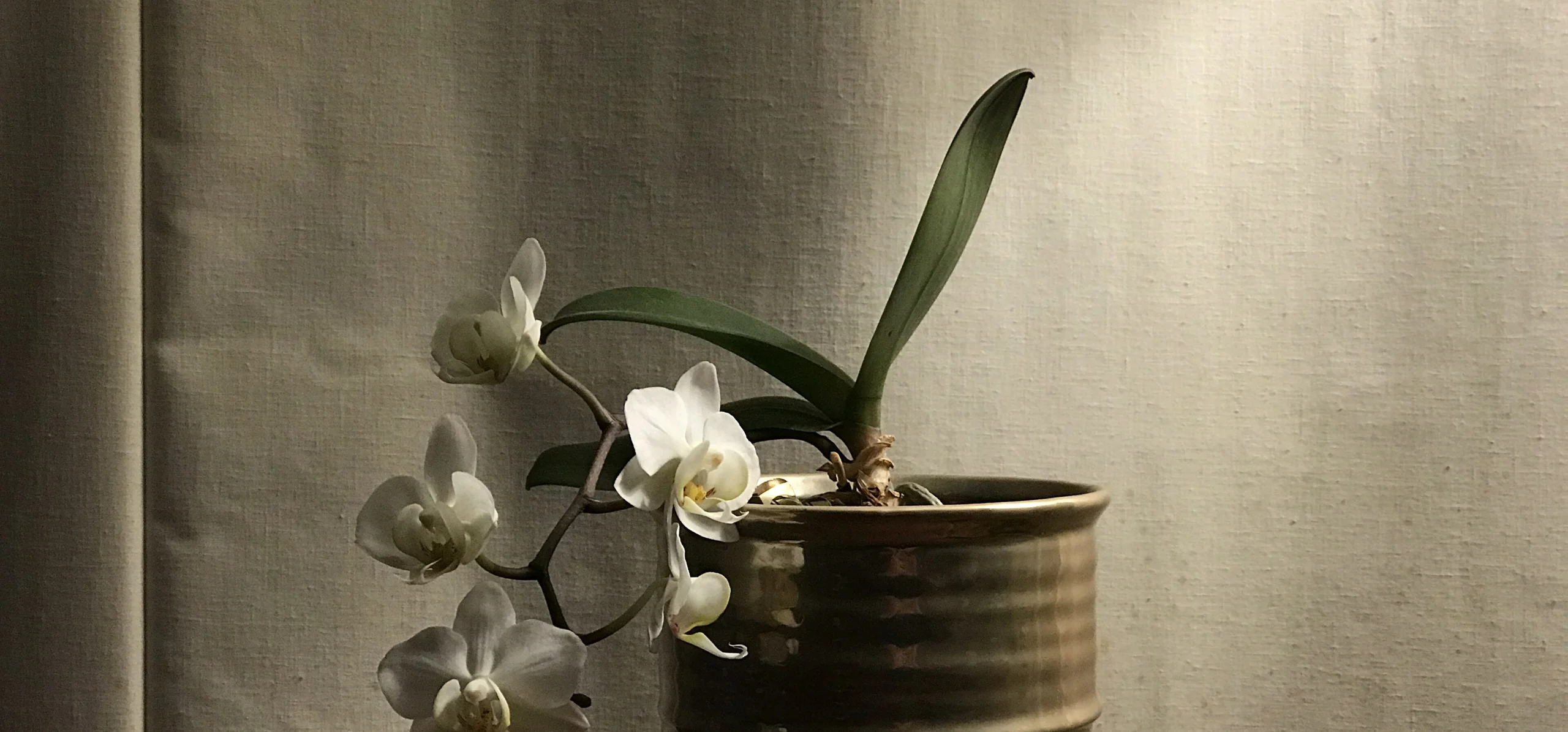
A plant with two or three broad, waxy white flowers open at once, each with a small yellow lip marked in red at its center, is almost certainly Phalaenopsis aphrodite, the species GBIF's Backbone Taxonomy records as the accepted name behind much of the modern moth orchid trade. POWO lists its native range as the Philippines, where it grows as an epiphyte in primary and secondary forest, its roots wrapped around bark rather than buried in soil. A closely related population once treated as part of the same species now sits in Taiwan under its own name, Phalaenopsis aphrodite subsp. formosana, so a wild-collected plant labeled simply aphrodite is, strictly, Philippine stock. Reichenbach named the species for the Greek goddess of beauty in 1862, and the RHS's own database still files it under an older English name, East Indian butterfly plant, a nod to how loosely Victorian collectors used geography.
Light: Bright, Never Direct
The RHS classes Phalaenopsis aphrodite as a partial-shade plant for a north, east or west-facing spot in sheltered conditions, and its growing guide for the genus is specific about the danger of getting this wrong: protect the plant from direct sun in summer, since the fleshy, oval leaves scorch where a tougher houseplant would shrug off the same light. Winter is the exception; an east-facing sill, or a shaded west or south one, can take fuller winter sun once the glass no longer intensifies it into a burn. A leaf that stays a plain mid green is getting roughly the right amount of light; one that darkens toward olive is asking for a brighter spot, and a plant that will not throw a flower spike after a full growing season often needs more light before it needs anything else.
Watering Without Drowning the Roots
Water weekly through the growing season and cut back slightly over winter, using tepid water rather than water straight from a cold tap, and let it run all the way through the pot rather than dribbling a little on top. The RHS's rule for this species is to water again only once the bark compost has almost dried out, and to never let the pot stand in a saucer of water afterward. That single habit, a saucer left full under the pot, causes more rotted Phalaenopsis root systems than any other single mistake, because bark that never gets the chance to dry keeps roots permanently wet in a way an epiphyte's root system is not built to handle.


Bark Instead of Soil: Potting and Repotting
Ordinary potting compost holds water far too long against roots adapted to drying out between tropical rain showers, so the RHS specifies a coarse, bark-based orchid compost instead, repotted roughly every two years. Its method calls for removing the old, broken-down bark carefully, trimming any unhealthy roots back to about 12 cm, and repotting into a fresh bark mix, ideally in a transparent pot so root color and moisture stay visible at a glance. Overpotting, choosing a container much larger than the current root ball, is worth avoiding on purpose: extra bark packed around a small root system stays wet for days longer than the plant wants.
Temperature and Triggering a New Flower Spike
The RHS growing guide sets a working range of 19 to 30 degrees Celsius by day and 16 to 19 at night, kept away from radiators, heaters and cold drafts, and its rating for Phalaenopsis aphrodite specifically, H1A, means the plant needs to stay above roughly 15 degrees year-round and effectively live indoors or under glass in a temperate climate. Feed lightly but regularly through the growing season with an orchid fertilizer, watering without feeding every fourth time to stop salts building up in the bark. If a mature, healthy plant simply will not throw a new spike, the RHS's own fix is to move it somewhere roughly 5 degrees cooler for about a month, since Phalaenopsis reads a real temperature drop as the seasonal cue to flower rather than just carrying on producing leaves.
Propagating by Keiki, Not Division
Phalaenopsis aphrodite grows a single upright stem and never produces the multiple growths that let sympodial orchids such as Cattleya be split apart, so division is not an option here. Instead, the RHS describes applying a proprietary keiki paste, ordinary rooting hormone will not work, to a node exposed on a spent flower stem after gently pulling back its bract; a small plantlet, a keiki, can form there within six to eight weeks. Left in place until it has grown its own two or three leaves and a healthy root system, the keiki can then be sliced away from the parent stem and potted separately into its own bark mix, a genetic copy of the plant it came from rather than a seedling.
Pests, Rot and the Mistakes Behind Both
The RHS describes moth orchids as generally untroubled by pests and disease, with mealybugs the one to watch for: small cottony clusters that gather in leaf axils and around flower buds, simple to wipe away with a cotton swab dipped in alcohol before they spread. Rot is the bigger risk, and it is almost always a watering habit rather than an organism. Water left standing in the crown, the central cup where new leaves emerge, turns into bacterial rot within a day or two if it is not tipped out or blotted dry after every watering. The ASPCA lists Phalaenopsis orchid, filed as Phalaenopsis sp., as non-toxic to dogs, cats and horses, so an inquisitive pet chewing a leaf is a mess to clean up rather than a reason to call a vet, though the ASPCA still notes that eating any plant material can cause mild stomach upset.
Test your plant knowledge
Tap a card to flip it and reveal the answer.
Phalaenopsis aphrodite is epiphytic in the wild, growing on tree bark rather than in soil. Tap to reveal ✓ True
The bark compost should be kept constantly wet to keep the roots healthy. Tap to reveal ✕ False
Direct afternoon sun is safe for the leaves as long as watering keeps up. Tap to reveal ✕ False
New plantlets called keikis can form on an old, spent flower stem. Tap to reveal ✓ True
The ASPCA lists Phalaenopsis orchids as toxic to cats and dogs. Tap to reveal ✕ False
Sources
References consulted for this guide
- Phalaenopsis aphrodite Rchb.f., GBIF Backbone Taxonomygbif.org
- Phalaenopsis aphrodite Rchb.f., Plants of the World Online (Kew)powo.science.kew.org
- RHS: Phalaenopsis aphrodite (East Indian butterfly plant)rhs.org.uk
- RHS Growing Guide: How to grow Phalaenopsis (moth orchids)rhs.org.uk
- ASPCA: Toxic and Non-Toxic Plants, Phalaenopsis Orchidaspca.org
- Reference entity : Wikipédiaen.wikipedia.org