Chinese Money Plant
Pilea peperomioides
Family · Urticaceae
Pilea peperomioides care: bright indirect light, water only once the topsoil dries, and free offsets at the base make it simple to propagate.
Pilea peperomioides
Plant profile
- WateringModerateWater every 8 days
- Light exposureIndirect light
- Ideal temperature10–27 °C
Growth
- Family
- Urticaceae
- Life cycle
- Perennial
- Growth speed
- 6/10
- Mature size
- 10–50 cm
- Spread
- 10–50 cm
- Flowering
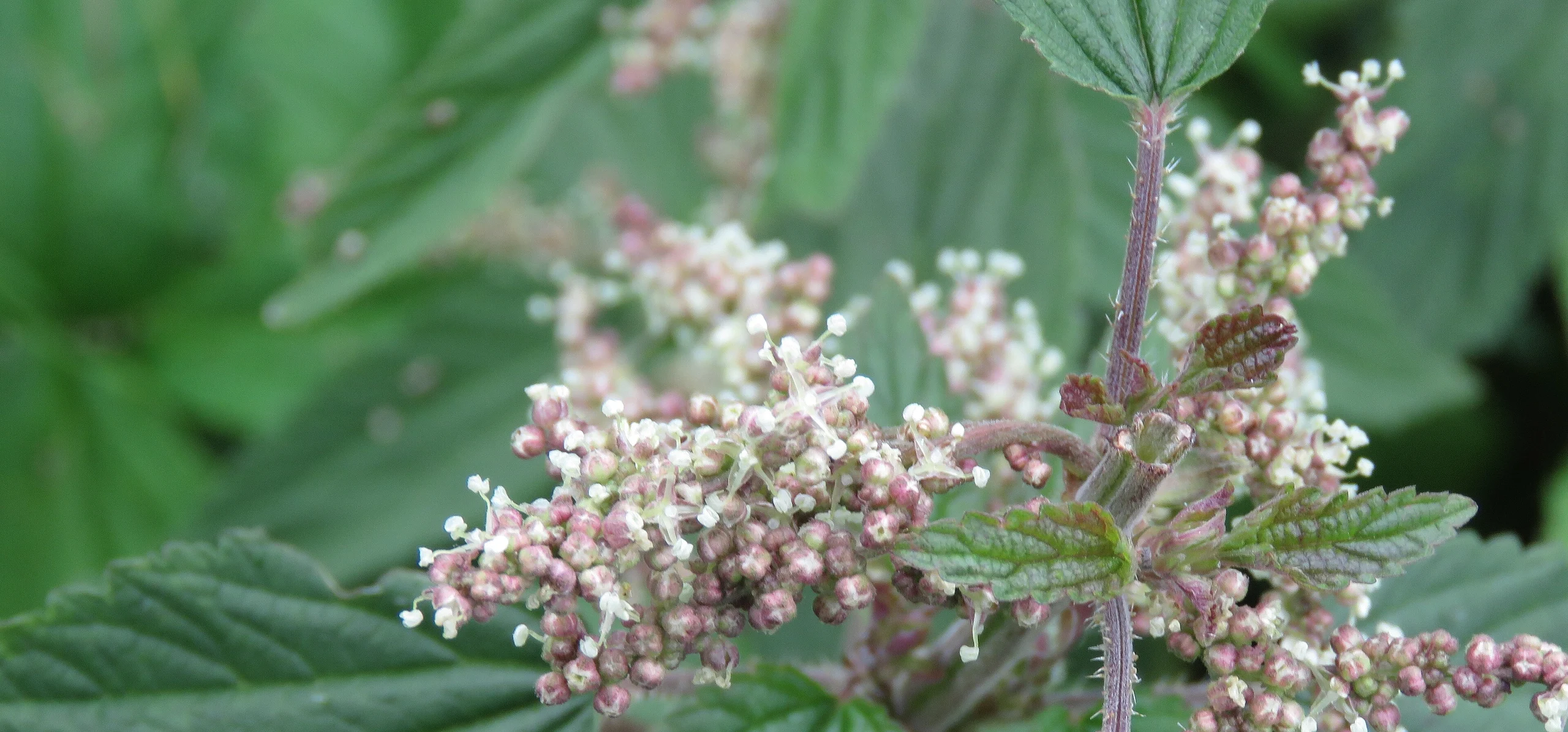
- Small, inconspicuous indoors
- Propagation
- Seed
- Division
- Offsets
DormancyNo true dormancy; growth slows in low winter light
Time to maturity5 to 10 years to ultimate height (RHS)
Soil & climate
- Soil types
- Peat-free, free-draining potting compost, Chalk, Sand
- Drought tolerance
- No
Light & Placement
- Origin
- Yunnan and Sichuan, China
- Where to place it
- East or west-facing window, set back from direct sun
- Lightly filtered south window
- Sheltered, shaded patio in frost-free summer weather
- Free-draining pot with a drainage hole, only slightly larger than the root ball
- Terracotta
Safety
- Toxicity
- CatsSafe
- DogsSafe
Data fromPilea peperomioides Diels, GBIF BackbonePilea peperomioides Diels, Plants of theAre Succulents Safe to Have Around Pets?Pilea peperomioides (missionary plant), How to grow pilea, RHS Growing Guide
Where it grows
World distribution
Chinese Money Plant is native to a single country: China.GBIF records 56 documented identifications across 9 countries, with the largest concentrations in China, Belgium, and Germany.
- China
Yellow to orange dots: concentration of documented identifications per country. Green countries: sourced native range. Source: GBIFNative range from POWO (Kew).
Origin and the missionary plant story
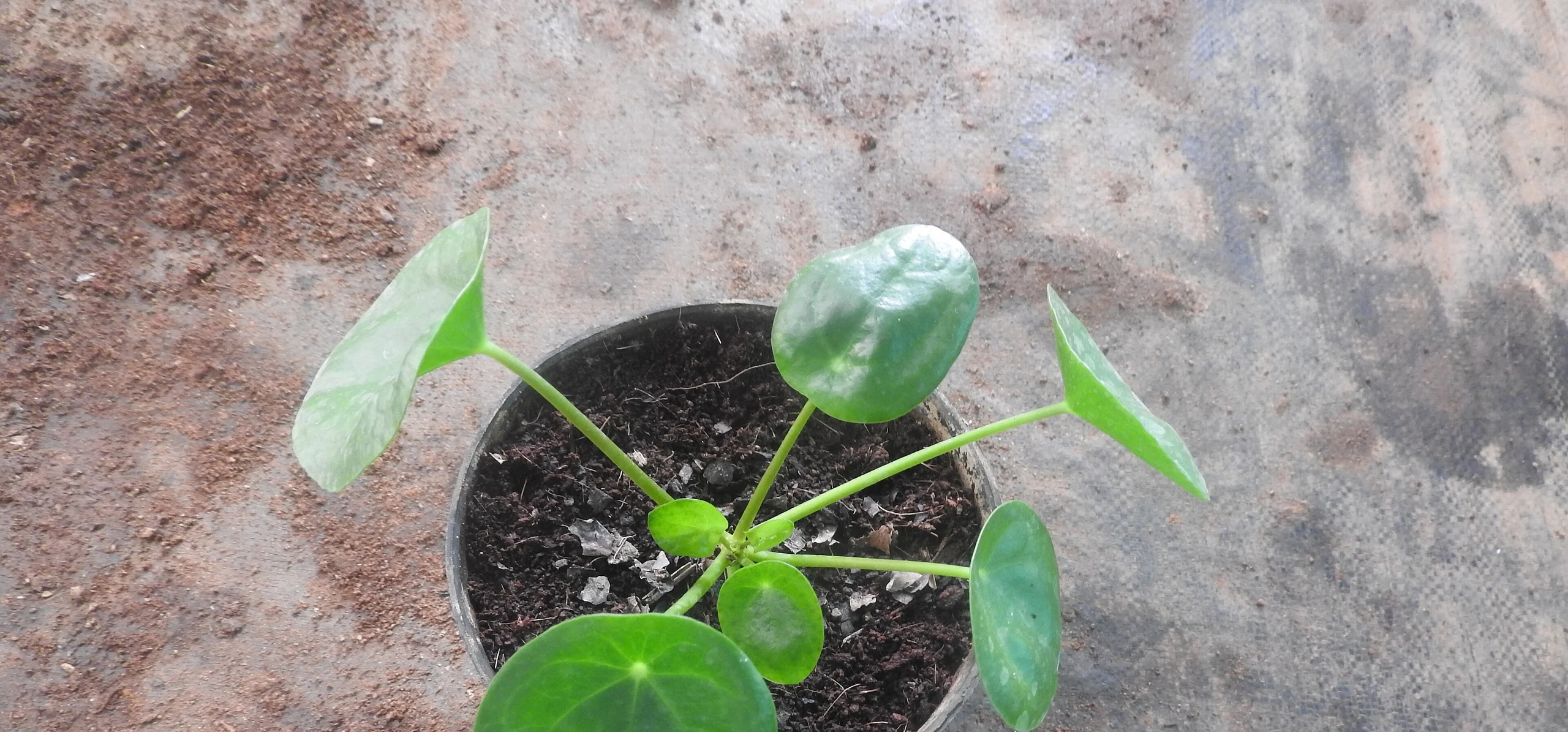
A newly bought Pilea peperomioides wants three things above everything else: bright light without direct midday sun, compost that is allowed to dry out between waterings, and a pot only slightly larger than the one it arrived in. Left in a dim corner it survives for months but stops pushing out new round leaves, and left in soggy compost it can rot from the base within weeks. Give it an east or west window and a free-draining mix and within a season it fills out into a cluster of coin-shaped leaves on thin, arching stalks, with a ring of small offsets pushing up around its base.
The species is native to Yunnan and neighbouring Sichuan in southern China, where it grows as an understorey plant on shaded, humid ground, and it belongs to the nettle family, Urticaceae. It stayed almost unknown outside China until a Norwegian missionary brought cuttings home in the 1940s and began sharing offsets among friends and church congregations in Scandinavia. Because it moved from hand to hand rather than through nurseries, it picked up the nicknames missionary plant, pass-it-on plant, and friendship plant decades before it reached garden centres, and it only became a mainstream houseplant once its UFO-shaped leaves started circulating on plant-swap forums and social media.
Light and placement
This plant needs bright, indirect light for most of the day to keep producing full-sized, glossy leaves. An east-facing window suits it well, as does a west-facing one a metre or so back from the glass; a lightly filtered south window also works if the sun is broken up by a sheer curtain. Direct midday sun through glass is too intense, it bleaches patches on the leaves and can scorch the edges within a single afternoon. In light that is too dim, the stems stretch and the gaps between leaves widen as the plant reaches for a stronger source, and new leaves come in noticeably smaller than the older ones.
A real quirk of this species is how strongly it leans toward its light source, often within days of being moved. Left untouched, the whole plant ends up growing sideways with most of the foliage facing one direction. Turning the pot a quarter turn every week keeps the leaf cluster even and symmetrical instead of lopsided.
Watering
Water only once the top few centimetres of compost have dried out, then soak the pot thoroughly until water runs from the drainage holes and tip out anything left in the saucer after half an hour. In a bright room over summer that usually means watering every 7 to 10 days; in a cooler room over winter it can stretch to two or three weeks. Overwatering is the most common way to lose this plant: compost that stays wet invites root and stem rot, and the first sign is often the lower leaves turning yellow and dropping while the compost is still visibly damp.
An underwatered plant shows the opposite pattern, the leaves lose their shine and the edges curl gently downward, but they plump back up within a day of a proper soak. Checking the compost with a finger before watering, rather than watering on a fixed calendar date, avoids both problems.


Soil and potting
A peat-free, free-draining potting compost suits this species best, it tolerates acid, neutral, or alkaline mixes and grows happily in soils with added chalk or sand, so there is no need to chase a precise pH. What matters more is drainage: a pot with a hole in the base, sitting in compost that never stays saturated. Moving up to a pot only slightly larger than the current one avoids overpotting, a mix that stays wet for too long around roots that have not yet filled the space is a common cause of rot in this species.
Repot every one to two years in spring, once roots start circling the inside of the pot or offsets have crowded the surface. Terracotta is a useful choice of material because its porous walls pull excess moisture out of the compost between waterings.
Propagation and sharing offsets
Small plantlets, called offsets or pups, push up from the compost around the base of a healthy plant, and they occasionally appear along the main stem or from a cut root as well. Once an offset has two or three leaves of its own and a short stem, it can be sliced away close to the parent with a clean blade and potted into its own small container of moist compost, or rooted in a jar of water first if the cut is very short. A single well-fed plant can produce a dozen or more offsets over a year, which is exactly why this species became known as the plant people pass on rather than sell.
Feeding
Feed with a balanced liquid fertiliser at half the label strength roughly once a month from April through September, while the plant is actively producing new leaves and offsets. Stop feeding from autumn through winter, when growth slows and unused nutrients simply build up as salts in the compost instead of being taken up by the roots. A white crust on the soil surface is a sign of that build-up, flushing the pot with plain water clears it.
Pests, diseases and common mistakes
Mealybugs and scale insects are the pests most likely to turn up, showing as small white cottony clusters or flat brown bumps at leaf and stem joints, both are best removed with a cotton swab dipped in isopropyl alcohol followed by a spray of insecticidal soap. Spider mites favour hot, dry rooms and leave fine webbing and pale stippling on the leaves, wiping the foliage down regularly and raising humidity slightly helps keep them off. In still, overly humid conditions the plant can develop powdery mildew, a pale dusty coating on the leaves, improving airflow around the pot and removing affected leaves usually clears it.
The most common mistakes are leaving the pot in one fixed position so it grows lopsided, choosing a pot far too large in the hope of growing it faster, and letting dust build up on the broad, flat leaves, which blocks light and slows growth until they are wiped clean with a damp cloth.
Toxicity and pet safety
The ASPCA lists the Chinese money plant among the succulents that are safe to keep around pets, so a cat or dog nibbling a leaf is not a poisoning risk. That does not make it food, though, any unfamiliar plant material can cause mild stomach upset such as vomiting or diarrhoea in an animal that eats a large amount of it, so it is still worth keeping the pot out of easy reach of a chewing puppy or kitten.
Test your plant knowledge
Tap a card to flip it and reveal the answer.
Pilea peperomioides should be watered on a fixed weekly schedule regardless of the season. Tap to reveal ✕ False
The small offsets that grow around the base of Pilea peperomioides can be potted up as new plants. Tap to reveal ✓ True
Pilea peperomioides tolerates full, direct midday sun without any leaf damage. Tap to reveal ✕ False
The ASPCA lists Pilea peperomioides as safe to keep around cats and dogs. Tap to reveal ✓ True
Moving Pilea peperomioides into a pot several sizes larger helps it grow faster. Tap to reveal ✕ False
Sources
References consulted for this guide
- Pilea peperomioides Diels, GBIF Backbone Taxonomygbif.org
- Pilea peperomioides Diels, Plants of the World Online (Kew)powo.science.kew.org
- Are Succulents Safe to Have Around Pets?, ASPCAaspca.org
- Pilea peperomioides (missionary plant), RHSrhs.org.uk
- How to grow pilea, RHS Growing Guiderhs.org.uk
- Reference entity : Wikipédiaen.wikipedia.org