Evergreen Rose
Rosa sempervirens
Family · Rosaceae
Rosa sempervirens is a vigorous Mediterranean rambling rose with glossy evergreen leaves, scented spring flowers and orange-red autumn hips.
Rosa sempervirens
Plant profile
- WateringLittleWater every 10 days
- Light exposurePartial sun
- Ideal temperature-15–-10 °C
Growth
- Family
- Rosaceae
- Life cycle
- Perennial
- Growth speed
- 8/10
- Mature size
- 400–800 cm
- Spread
- 250–400 cm
- Propagation
- Seed
- Cutting
- Layering
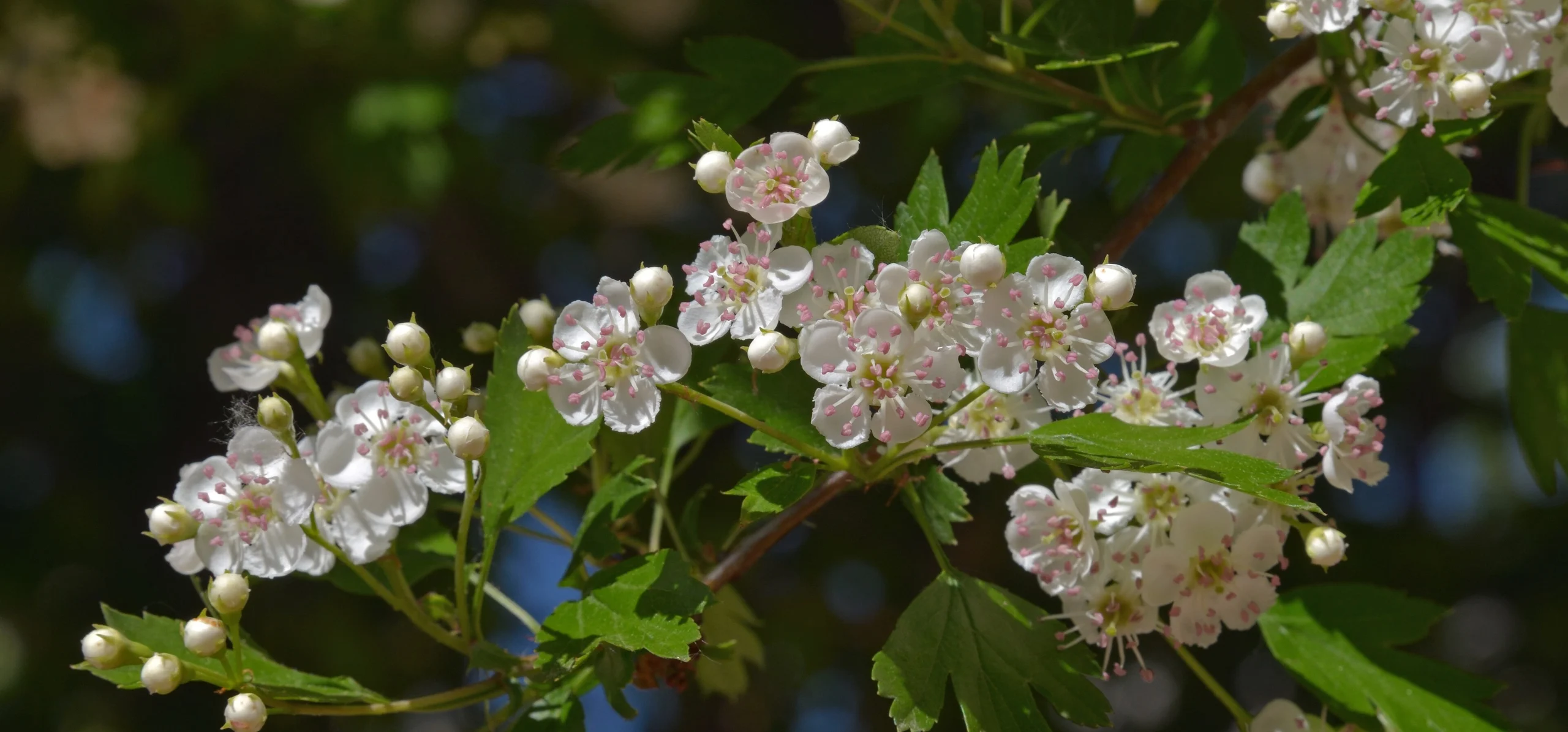
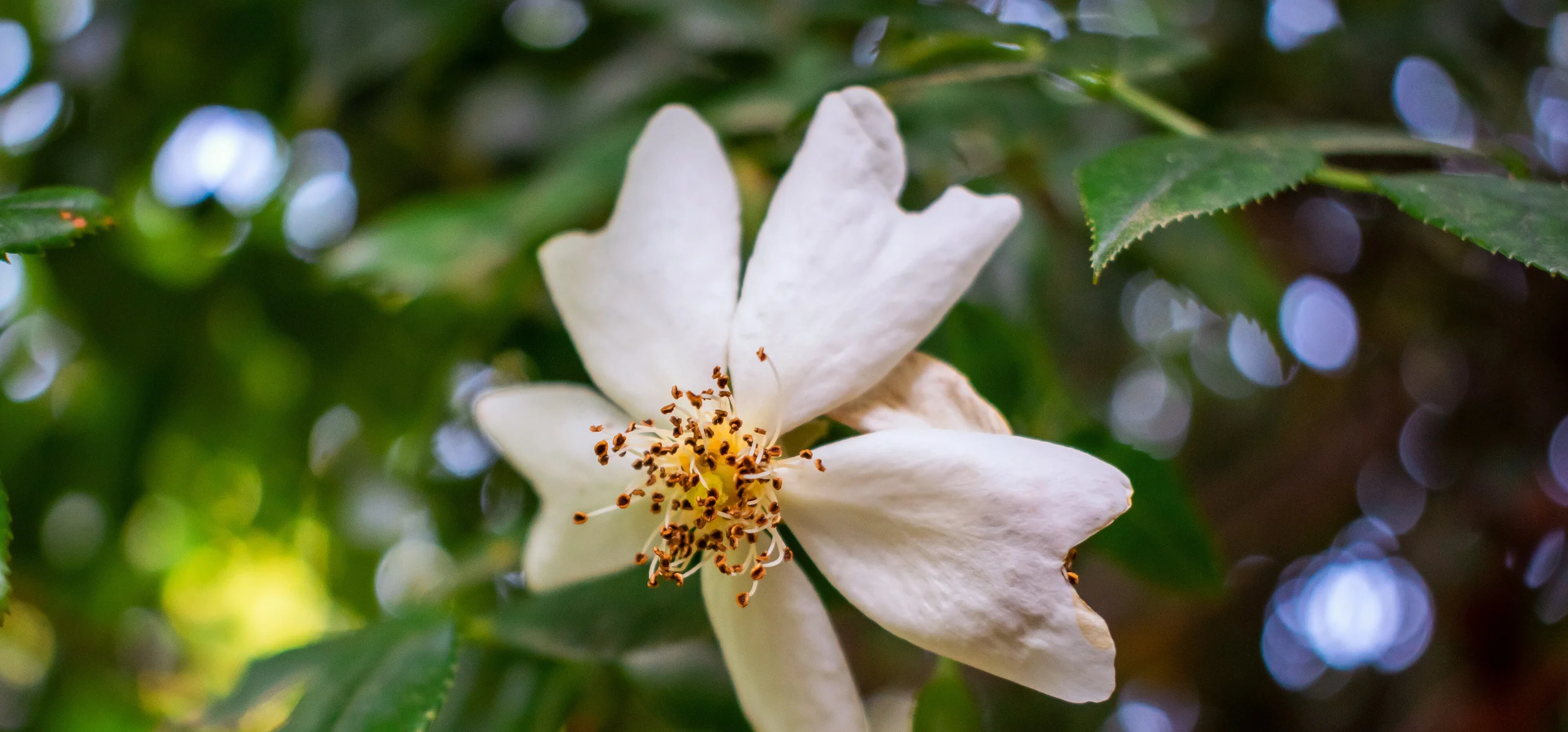
FloweringScented single white flowers with golden stamens, 3 to 5 cm across, in spring and early summer, followed by orange-red hips in autumn if left unpruned
Dormancyevergreen to semi-evergreen; may lose some leaves in a cold winter
Time to maturityreaches full size in 5 to 10 years
Soil & climate
- Soil types
- chalk, clay, loam, sand
- Drought tolerance
- Yes
Light & Placement
- Where to place it
- wall or fence
- pergola or arbor
- into an old tree
- sheltered boundary
OriginMediterranean: Iberia, France, Italy and the Balkans to Turkey, and North Africa from Morocco to Tunisia and Algeria
Safety
- Toxicity
- CatsSafe
- DogsSafe
- HorsesSafe
Data fromGBIF Backbone Taxonomy: Rosa sempervirenPlants of the World Online (Kew): Rosa sRHS: Rosa sempervirens (Ra) (evergreen rRHS: Hardiness ratingASPCA: Toxic and Non-Toxic Plants, Rose
Where it grows
World distribution
Evergreen Rose is native to 11 countries: Albania, Algeria, Croatia, France, Greece, Italy, Morocco, and Portugal….GBIF records 22,646 documented identifications across 40 countries, with the largest concentrations in France, Spain, and Italy.
- Albania
- Algeria
- Croatia
- France
- Greece
- Italy
- Morocco
- Portugal
- Spain
- Tunisia
- Türkiye
Yellow to orange dots: concentration of documented identifications per country. Green countries: sourced native range. Source: GBIFNative range from POWO (Kew).
Rosa sempervirens arrives as a small potted plant, but within a couple of seasons it turns into a long, arching cane searching for something to climb. Unlike most wild roses, its glossy, dark green leaflets stay on the plant through a mild winter instead of dropping, which is where both the Latin name and the English one, evergreen rose, come from. The first decision is not watering or feeding, it is what this rose will be trained onto: a wall, a pergola, or an old tree, because left on the ground it piles up into a tangled, thorny mound rather than a shapely shrub.
Origin and Habitat
Plants of the World Online places the native range of Rosa sempervirens in the Mediterranean: Iberia, France, Italy and the Balkans across to Turkey, and North Africa from Morocco to Tunisia and Algeria. In the wild it grows as a liana, threading itself through maquis scrub and open woodland edges rather than standing free, using neighbouring shrubs and small trees as scaffolding. That habit, climbing through something else instead of forming its own framework, carries straight into the garden: give it a host or a structure and it behaves; leave it unsupported and it sprawls.
Choosing a Support and Position
According to the RHS, this is a vigorous, almost evergreen rambler that reaches 4 to 8 m in height with a spread of 2.5 to 4 m at maturity, taking 5 to 10 years to fill that space. That scale rules out a small trellis or an obelisk in a border. A house wall with wires, a pergola over a path, or a mature tree with open branching all give it room to run. The RHS recommends full sun or light shade in a sheltered position, out of the coldest winter winds, which also protects the evergreen foliage from the scorch that a hard, exposed frost can cause.


Soil, Planting and Watering
The RHS cultivation notes call for fertile, humus-rich soil that is moist but well-drained, and list chalk, clay, loam and sand as all workable, across acid, neutral or alkaline pH. Dig in well-rotted organic matter at planting, since the same hole will support a rose for decades once it is established against a wall or up a tree. Water regularly through the first one or two summers while the root system is still shallow; after that, a plant growing in a Mediterranean-type climate with reasonable soil moisture needs little supplemental watering beyond a deep soak in prolonged drought.
Feeding and Training: Pruning Group 18
Mulch in late winter or early spring and apply a general rose or shrub fertiliser then, with a second feed in early summer to support the flowering flush, following RHS guidance. Rosa sempervirens falls into RHS pruning group 18, the rambling roses: rather than an annual hard cutback, the main job is tying in new long canes as they grow and, after flowering, shortening the shoots that have just bloomed to keep the framework from becoming an impenetrable knot. One RHS caution is easy to miss: do not prune after flowering if you want the hips, since that cut removes the wood that would otherwise ripen fruit through autumn.
Flowering, Foliage and Hips
The leaves are glossy dark green and made up of five sharply toothed leaflets, which is what keeps the plant looking furnished even in the off season. Flowers are scented, single, and white with golden stamens, 3 to 5 cm across, carried in small clusters on short side shoots in spring and early summer, a single flush rather than repeat blooming through the season. Left unpruned after flowering, these are followed by small orange-red hips in autumn, which is the trade-off to weigh against tidying the plant back for shape right after the flowers fade.
Pests and Diseases
The RHS lists a long roster of pests that can turn up on this species: aphids, rose leafhopper, glasshouse red spider mite, scale insects, caterpillars, and several sawflies, including the large rose sawfly, rose slugworm sawfly and rose leaf-rolling sawfly, alongside browsing damage from deer and rabbits on young growth. On the disease side, rose black spot, rose rust and rose powdery mildew are the ones to watch for on the foliage, with replant disease and rose dieback as risks tied to planting into old rose ground or damaged wood, and honey fungus as an occasional, more serious problem. Good air movement around the support structure and clearing fallen leaves in autumn reduce the fungal load going into the next season.
Common Mistakes and Toxicity to Pets
The most common misjudgement is treating this rose like a compact shrub rose and giving it a spot sized for something a tenth as large; within a few years the canes outgrow a small trellis and start hunting for the nearest fence or downpipe instead. The second is pruning on a fixed autumn or spring schedule out of habit, which either strips off the current season's hips or cuts away the wood that would have flowered next year, since group 18 ramblers are pruned right after flowering, not on a generic calendar. The ASPCA lists roses, at genus level, as non-toxic to dogs, cats and horses, so the plant itself is not a poisoning risk; the practical hazard is entirely mechanical, from the thorny stems on a rose that is, at maturity, several metres of climbing cane.
Test your plant knowledge
Tap a card to flip it and reveal the answer.
Rosa sempervirens keeps most of its leaves through a mild winter instead of dropping them like many other wild roses. Tap to reveal ✓ True
This rose flowers repeatedly from spring until the first autumn frosts. Tap to reveal ✕ False
RHS pruning group 18 ramblers, which includes Rosa sempervirens, should be cut back hard in early spring before growth starts. Tap to reveal ✕ False
According to Plants of the World Online, this species is native to the Mediterranean, including Iberia, Italy, the Balkans and North Africa. Tap to reveal ✓ True
The ASPCA lists roses, including this species at genus level, as toxic to cats and dogs. Tap to reveal ✕ False
Sources
References consulted for this guide
- GBIF Backbone Taxonomy: Rosa sempervirens L.gbif.org
- Plants of the World Online (Kew): Rosa sempervirens L.powo.science.kew.org
- RHS: Rosa sempervirens (Ra) (evergreen rose)rhs.org.uk
- RHS: Hardiness ratingrhs.org.uk
- ASPCA: Toxic and Non-Toxic Plants, Roseaspca.org
- Reference entity : Wikipédiaen.wikipedia.org