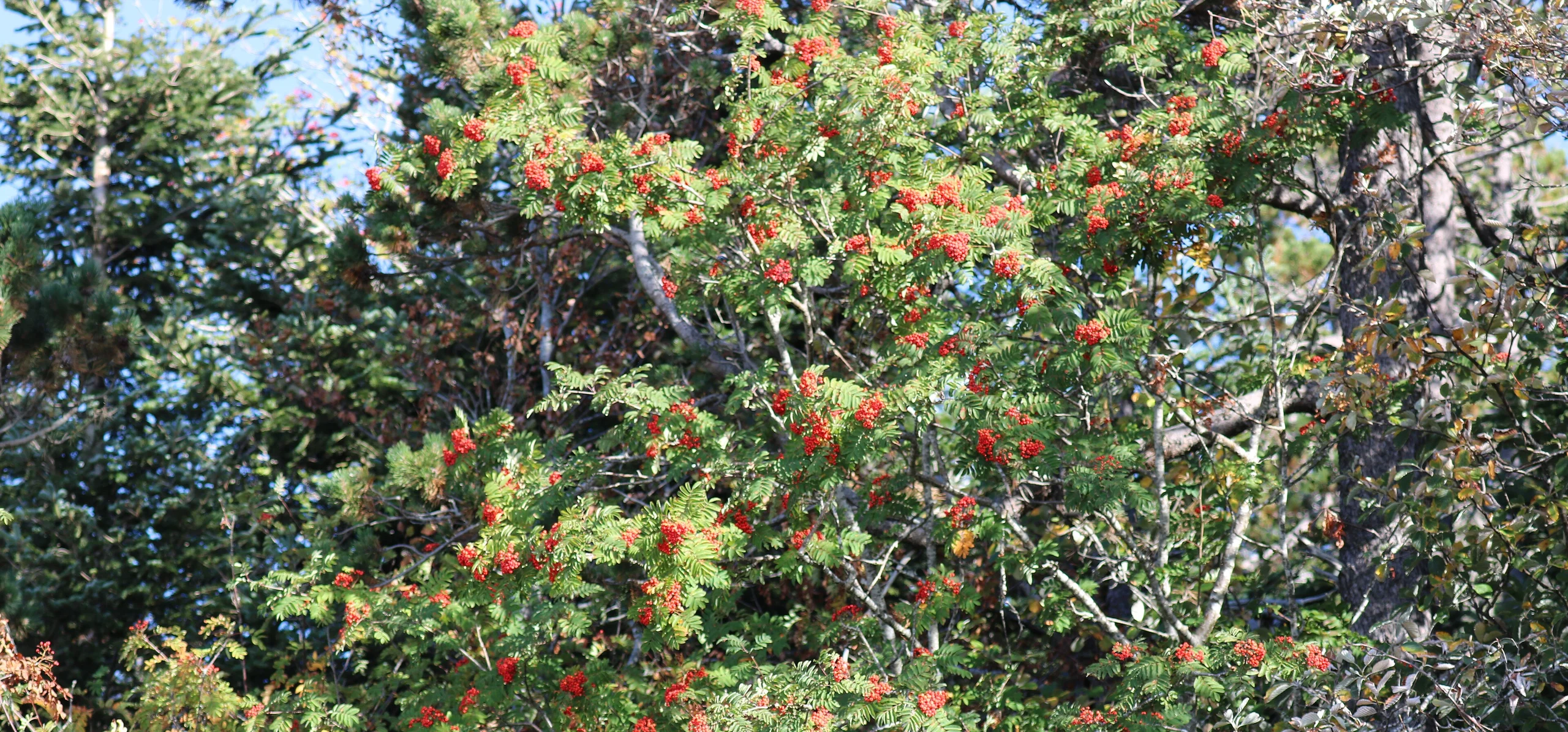
Rowan
Sorbus aucuparia
Family · Rosaceae
Rowan (Sorbus aucuparia) care: RHS H6 hardiness, full sun to part shade, acid to neutral well-drained soil, and why the red berries need cooking before eating.
Sorbus aucuparia
Plant profile
- WateringModerateWater every 8 days
- Light exposurePartial sun
- Hardiness zoneUSDA 3–7
Growth
- Family
- Rosaceae
- Life cycle
- Perennial
- Growth speed
- 5/10
- Mature size
- 400–800 cm
- Spread
- 250–400 cm
- Propagation
- Seed
- Cutting
- Grafting
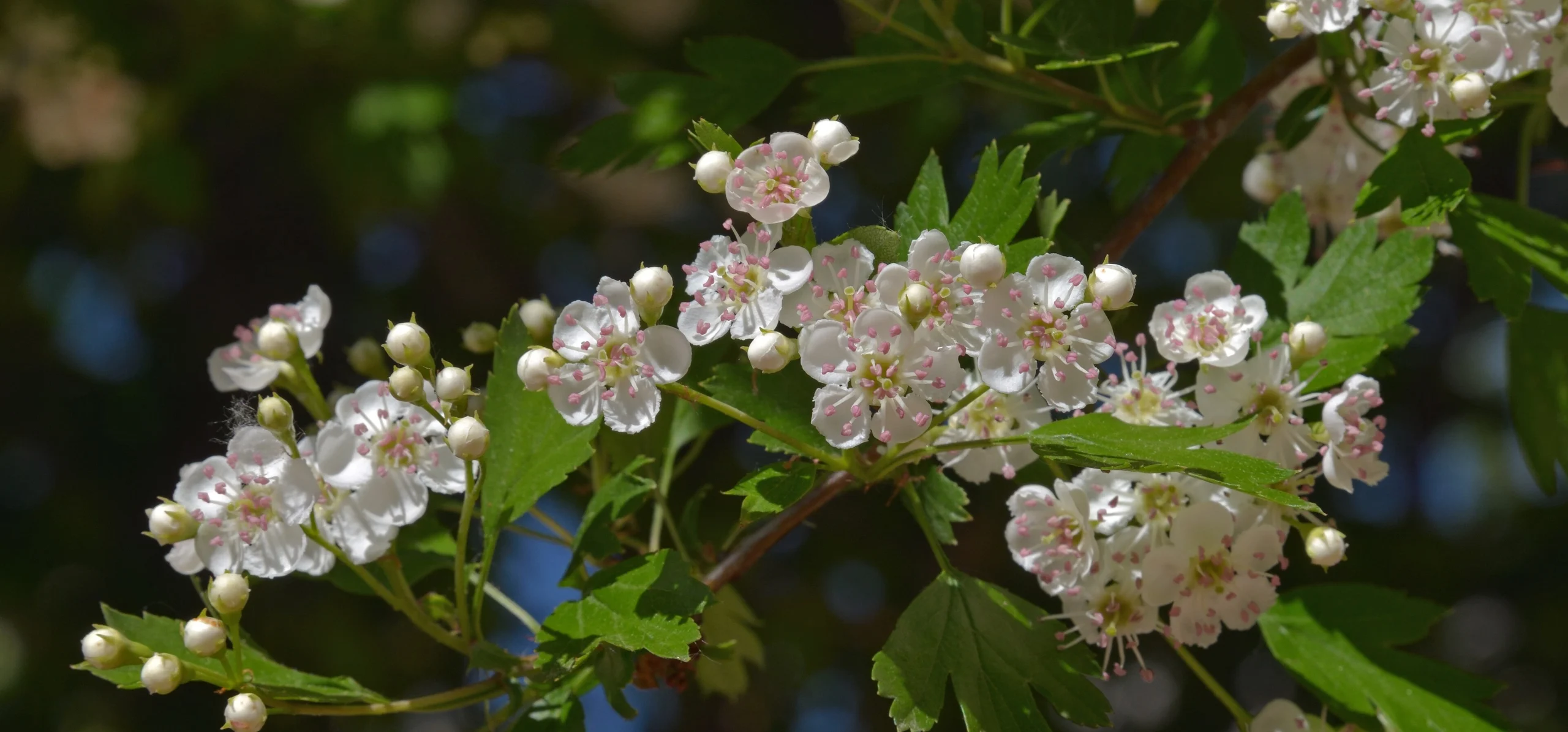
FloweringFlat white flower clusters in late spring, followed by bright red-orange berries in early autumn (RHS)
Dormancydeciduous, bare in winter
Time to maturityreaches full height in 10 to 20 years (RHS)
Soil
- Soil types
- loam, sand, clay
Light & Placement
- Origin
- Europe to Iran (POWO)
- Where to place it
- specimen lawn tree
- woodland edge garden
- wildlife or bird garden
- coastal or exposed site
Safety
- Toxicity
- HumansToxic
Invasive speciesSelf-seeds readily via bird-dispersed fruit; naturalized in parts of Canada and the northern US, outside its native Europe-to-Iran range (NC State Extension).
Data fromGBIF Backbone Taxonomy: Sorbus aucupariaPlants of the World Online (Kew): SorbusRHS: Sorbus aucuparia (rowan, European mNC State Extension Gardener Plant Toolbo
Where it grows
World distribution
Rowan is native to 36 countries: Albania, Austria, Belarus, Belgium, Bulgaria, China, Croatia, and Czechia….GBIF records 1,286,348 documented identifications across 80 countries, with the largest concentrations in United Kingdom, Sweden, and Netherlands.
- Albania
- Austria
- Belarus
- Belgium
- Bulgaria
- China
- Croatia
- Czechia
- Denmark
- Estonia
- Finland
- France
Show 24 more countriesShow fewer countries
- Georgia
- Germany
- Greece
- Hungary
- Iceland
- Iran
- Ireland
- Italy
- Kazakhstan
- Mongolia
- Netherlands
- Norway
- Poland
- Portugal
- Romania
- Russia
- South Korea
- Spain
- Sweden
- Switzerland
- Türkiye
- Turkmenistan
- Ukraine
- United Kingdom
Yellow to orange dots: concentration of documented identifications per country. Green countries: sourced native range. Source: GBIFNative range from POWO (Kew).
A rowan that has seeded itself at the back of the garden, or arrived as a young whip from a native tree nursery, is one of the easier deciduous trees to get right once you match it to a cool climate. It wants full sun or light shade, ordinary garden soil that never sits waterlogged, and almost no routine care once established: no hard annual pruning, no fussing over fertiliser. What it will not tolerate is a hot, humid summer or compacted clay that stays wet through winter, both of which shorten its already modest lifespan. Left alone in the right spot, a single tree reaches 4 to 8 metres in 10 to 20 years and rewards you with white blossom in May and a crop of birds descending on the berries by early autumn.
Rowan, Mountain Ash, or Something Else Entirely
The accepted botanical name, confirmed by GBIF's backbone taxonomy, is Sorbus aucuparia L., and it belongs to the rose family, Rosaceae, alongside apples, hawthorns and cherries, not to the true ashes (Fraxinus) it is so often confused with. The pinnate, ash-like leaflets are the source of the mix-up, but rowan leaflets are smaller and more finely toothed, and no Fraxinus flowers in flat white clusters or fruits in bright red berries the way this tree does. Plants of the World Online lists its native range as Europe to Iran, and in North America it has been planted so widely as a street and garden tree that it has naturalized in parts of Canada and the northern United States, well outside that native range.
Choosing a Rowan for a Small or Large Garden
A seed-grown rowan from a native hedging nursery is unpredictable in habit and often the cheapest option, useful if you have room for a full-spread specimen and want maximum value to birds. For a smaller plot, look for a named, grafted cultivar: narrow, upright forms bred for street planting take up a fraction of the 2.5 to 4 metre spread of a seedling tree, and some selections are chosen for heavier berry crops or brighter autumn leaf colour. Whichever you choose, buy bare-root while the tree is dormant if the supplier offers it. It establishes faster and cheaper than a container specimen bought already in leaf.


Light and Site
Rowan takes full sun or partial shade equally well and, unusually for a tree this size, copes with an exposed, windy position, which is exactly why it turns up on hilltops, moorland edges and coastal gardens where more delicate trees fail. The RHS rates its hardiness at H6, meaning it shrugs off winter lows of -20 to -15°C without protection. The catch is heat, not cold: this is a tree of cool, northern climates, and North Carolina State University's extension service notes it performs poorly south of USDA zones 5 to 6, sulking and declining in hot, humid summers rather than in hard frost. If you garden somewhere with sticky August nights, this is not the specimen tree to plant.
Soil and Planting
Rowan is not particular about soil texture: the RHS lists loam and sand as suitable, and North Carolina State's extension toolbox adds clay and soils high in organic matter, with one preference shared across both sources, acid to neutral pH and reliable drainage. What it actively dislikes is compaction: a rowan planted in a hard-trodden verge or a heavy clay lawn that puddles after rain will struggle even where the pH and light are right. Dig a planting hole at least twice the width of the rootball, keep the root flare level with the surrounding soil, and stake a young tree loosely for its first year or two on an exposed site rather than leaving it to rock in the wind, which tears at the new roots.
Watering, Especially in the First Two Summers
A newly planted rowan needs a deep soak roughly once a week through its first two growing seasons while the root system spreads out from the original rootball. After that, in a cool, reliably damp climate, rainfall alone is usually enough, and this is not a tree that rewards frequent shallow watering, which trains roots to stay near the surface instead of reaching down. In a drier or warmer garden, keep watering through summer dry spells, and mulch around the base each spring, kept clear of the trunk, to hold moisture and slow the compaction that rowan dislikes from building up underfoot.
Flowers, Berries, and the Case for Not Eating Them Raw
Flat clusters of small white flowers open in late spring, usually May, and by early autumn they have turned into the tree's signature: dense bunches of bright red-orange berries about a centimetre across. Birds strip a heavily fruiting tree within days of the berries softening, which is the main reason to plant one at all if a wildlife garden is the goal. The RHS is explicit that the fruit is ornamental and not to be eaten off the tree; it is harsh and astringent raw, and gardeners who use it traditionally wait for the first hard frosts to soften the berries before cooking them into jelly, never eating them straight from the branch. Treat rowan fruit the way you would any garden crop that needs processing before it is palatable, and keep small children from grazing on windfalls.
Pruning and the Problems to Watch For
Rowan sits in RHS pruning group 1, meaning it needs only the minimal, formative kind: remove dead, damaged or crossing branches in the dormant season and otherwise leave it alone. The bigger issue is disease, not shape. North Carolina State's extension service flags bacterial fireblight as the most serious threat, capable of blackening and killing whole branches in a single season, alongside canker and scab that causes early leaf drop; the RHS adds powdery mildew, honey fungus and silver leaf to the list of risks, particularly on stressed or wounded trees. Aphids, scale insects and sawfly are the routine pests. Because so many of these problems move in through fresh wounds or a struggling root system, the best prevention is exactly what keeps this tree healthy in the first place: the right climate, well-drained soil, and pruning cuts made cleanly and only when needed.
Common Mistakes
- Planting a rowan in a hot, humid, low-elevation garden and blaming pests when the real problem is a climate the tree was never suited to.
- Eating berries straight from the tree instead of cooking them first; raw fruit is harsh and not meant to be eaten that way.
- Letting a newly planted tree rock loose in wind instead of staking it loosely for the first year or two on an exposed site.
- Planting in compacted ground, a verge or a lawn that puddles after rain, where good pH and light cannot compensate for poor drainage.
Test your plant knowledge
Tap a card to flip it and reveal the answer.
Rowan tolerates both full sun and partial shade. Tap to reveal ✓ True
Ripe rowan berries can be eaten straight off the tree with no preparation. Tap to reveal ✕ False
The RHS rates rowan H6, meaning it survives UK and northern European winters unprotected. Tap to reveal ✓ True
Rowan grows best in hot, humid summer climates. Tap to reveal ✕ False
Rowan can be propagated from seed, cuttings or grafting. Tap to reveal ✓ True
Sources
References consulted for this guide
- GBIF Backbone Taxonomy: Sorbus aucuparia L.gbif.org
- Plants of the World Online (Kew): Sorbus aucuparia L.powo.science.kew.org
- RHS: Sorbus aucuparia (rowan, European mountain ash)rhs.org.uk
- NC State Extension Gardener Plant Toolbox: Sorbus aucupariaplants.ces.ncsu.edu
- Reference entity : Wikipédiaen.wikipedia.org