Pink Calla Lily
Zantedeschia rehmannii
Family · Araceae
Pink calla lily care: RHS H1c hardiness, well-drained soil to avoid rhizome rot, a dry winter dormancy, and how it differs from the bog-loving white calla.
Zantedeschia rehmannii
Plant profile
- WateringModerateWater every 6 days
- Light exposurePartial sun
- Ideal temperature5–10 °C
- Hardiness zoneUSDA 8–10
Growth
- Family
- Araceae
- Life cycle
- Perennial
- Mature size
- 30–46 cm
- Spread
- 30–46 cm
- Flowering
- Summer, July to September in the US
- Propagation
- Seed
- Division
Dormancydies back, dry winter dormancy
Time to maturity2-5 years to ultimate size
Soil & climate
- Soil types
- loam, sand
- Drought tolerance
- No
Light & Placement
- Origin
- Eastern South Africa, Eswatini and Mozambique
- Where to place it
- sunny windowsill
- conservatory or greenhouse
- sunny mixed border
- pond-edge bed
- cutting garden
- large container, full sun
Safety
- Toxicity
- HumansToxic
Data fromZantedeschia rehmannii Engl., GBIF BackbZantedeschia rehmannii Engl., Plants of RHS: Zantedeschia rehmannii (pink calla)Zantedeschia rehmannii, Missouri Botanic
Where it grows
World distribution
Pink Calla Lily is native to 3 countries: Eswatini, Mozambique, and South Africa.GBIF records 298 documented identifications across 12 countries, with the largest concentrations in South Africa, Sweden, and Eswatini.
- Eswatini
- Mozambique
- South Africa
Yellow to orange dots: concentration of documented identifications per country. Green countries: sourced native range. Source: GBIFNative range from POWO (Kew).
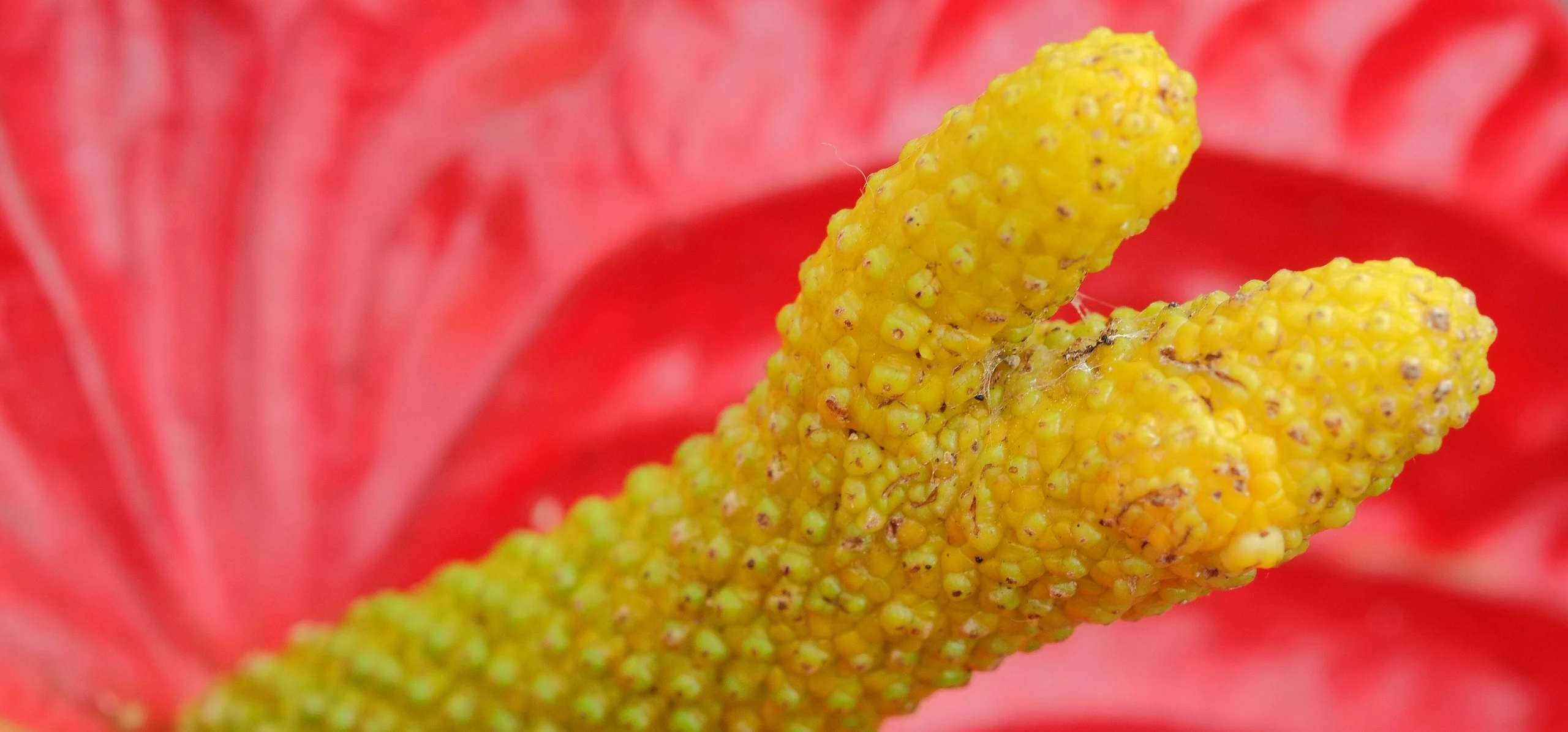
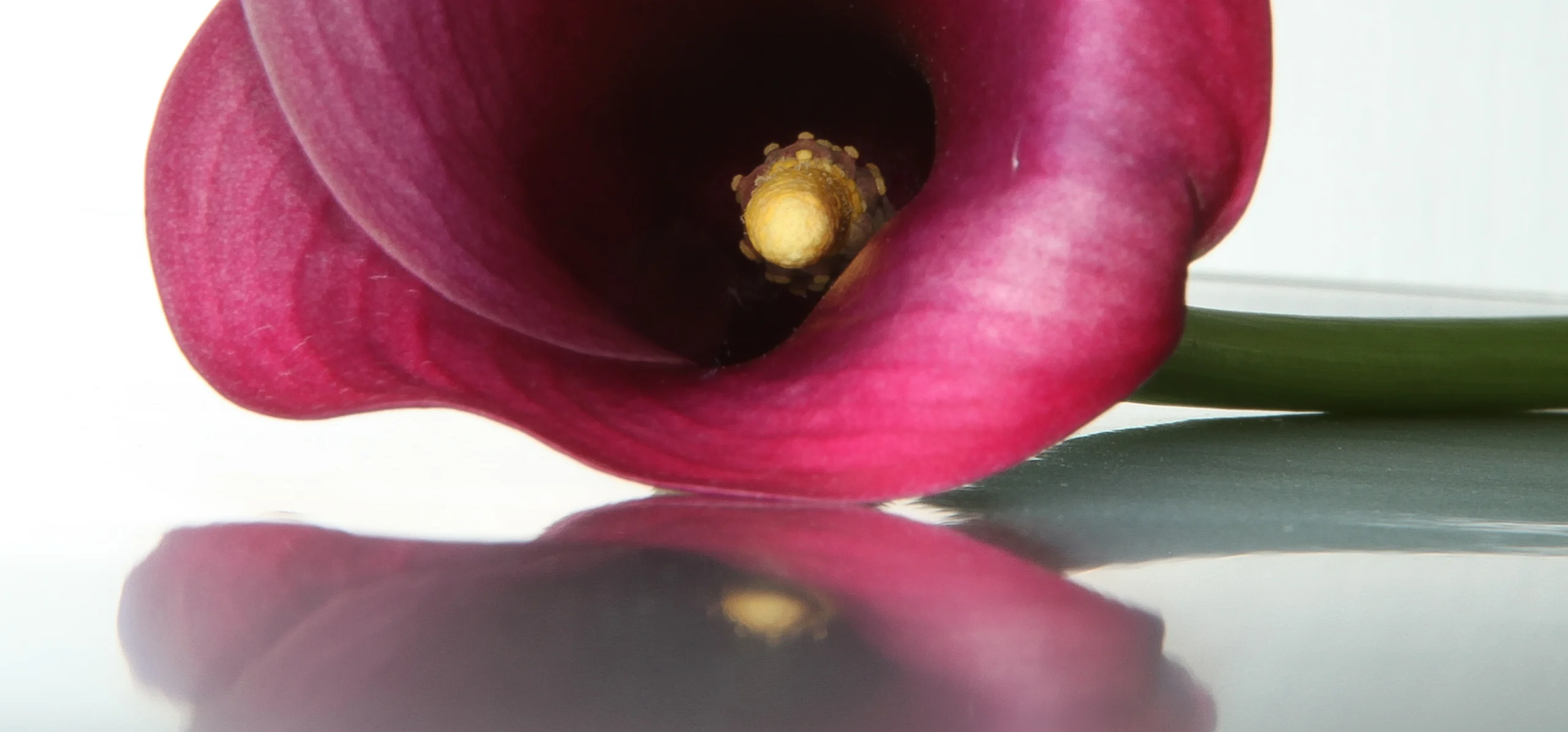
Zantedeschia rehmannii is the pink-flowered calla lily, a much smaller and sun-loving relative of the familiar white arum lily, and it behaves nothing like a bog plant despite the family resemblance. The funnel-shaped spathe, magenta to pink with a cream blush at the rim, wraps around a yellow spadix and opens through summer on stems that rarely pass knee height. The plant grows from a tuberous rhizome that needs a proper dry rest each winter, not constant moisture, so treat it more like a dahlia or a canna than a marginal pond plant. Missouri Botanical Garden's own notes flag rhizome rot as a recurring problem, usually the result of copying the watering routine of its bog-dwelling cousin, Zantedeschia aethiopica.
Origin and Telling Pink Calla Apart from Other Zantedeschia
The species grows wild in summer-rainfall grassland and on rocky hillsides across eastern South Africa, Eswatini and Mozambique, including KwaZulu-Natal and the Free State, according to Plants of the World Online. That native range sets it apart from Zantedeschia aethiopica, a marsh and streambank plant from the same broader region: rehmannii comes from drier, better-drained ground that floods only seasonally, which is why it resents wet feet in a garden bed. Missouri Botanical Garden's plant notes flag two features that separate it from other calla lilies at a glance: the lance-shaped leaves are plain green with no white spotting, unlike Zantedeschia albomaculata and several hybrid callas sold in nurseries, and the plant stays compact, usually under 1.5 feet (46cm) tall and wide, well short of aethiopica's waist-high clumps. The genus honors the Italian botanist Giovanni Zantedeschi; the species name honors Anton Rehmann, a Polish botanist who collected plants across southern Africa in the nineteenth century.
Light and Placement
Full sun brings the best flowering and the strongest flower color, according to Missouri Botanical Garden, with part shade acceptable in hotter climates where afternoon sun can scorch the leaf tips. RHS recommends a south or west-facing position with some shelter from wind, since the flower stems are slender and the leaves large enough to catch a gust. Grown indoors or in a conservatory, a bright windowsill that gets several hours of direct sun through the day is the closest match to its native grassland exposure; further back from the glass, flowering drops off even if the foliage stays healthy. Where the rhizome cannot stay in the ground year-round, a large container that can be moved under cover for winter is often the simplest way to get full sun in summer without gambling on the local frost date.
Watering Through the Growing Season
Missouri Botanical Garden rates its water need as medium, and in practice that means keeping the soil consistently on the moist side of average through spring and summer, watering again once the top inch or so has dried rather than on a fixed schedule. This is a meaningfully lighter regime than Zantedeschia aethiopica, which tolerates its rhizome sitting in several centimetres of standing water; try that with rehmannii and rot sets in fast. Regular feeding through the growing season supports the flowering that RHS and Missouri Botanical Garden both link to good light and steady moisture, tapering off as the foliage starts to yellow in late summer, which is the plant's own signal that dormancy is coming.


Soil and Potting
RHS lists loam or sandy soil as suitable, and notes the species tolerates acid, neutral or alkaline pH, so soil chemistry is rarely the limiting factor. What matters more is drainage: RHS specifies moist but well-drained conditions, and Missouri Botanical Garden's own problems list names rhizome rot as the main risk when drainage is poor. For containers, a loam-based potting mix with extra horticultural grit or coarse sand worked through it copies that structure well, and a pot with a generous drainage hole matters more here than pot size, since the plant's ultimate spread rarely exceeds 1.5 feet (46cm). Refreshing the top few centimetres of compost each spring, as new growth resumes after the dry winter rest, keeps the mix from compacting around the rhizome.
Summer Dormancy and Winter Storage
Unlike the evergreen-leaning Zantedeschia aethiopica, pink calla lily follows the pattern of a true summer-growing, winter-dormant geophyte. RHS rates outdoor UK hardiness at H1c, meaning it cannot tolerate freezing and needs a minimum temperature of 5 to 10 degrees C once the weather turns. In practice that means lifting the rhizome before the first frost where winters bite, much as with a dahlia or canna, then storing it in a cool, dark, frost-free spot with barely any moisture until new growth is due. Missouri Botanical Garden notes growers in USDA zones 8 to 10 can often leave the rhizome in the ground through winter, but even there, keeping it on the dry side while dormant matters more than keeping it warm.
Propagation by Dividing the Rhizomes
Both RHS and Missouri Botanical Garden list seed and division as the propagation routes, and division is by far the more reliable way to get a plant identical to the parent. Once the foliage has died back and the rhizome is lifted for winter storage, or just before growth resumes in spring, separate offsets that carry their own growing point from the main rhizome and let the cut surfaces dry and callus for a day before potting or replanting, which cuts the risk of the rot this species is prone to. Seed-grown plants take longer to reach flowering size and can vary in flower color, which is why named pink and red forms in the trade are usually propagated vegetatively to keep the color true.
Pests, Rot and Common Mistakes
Missouri Botanical Garden flags Japanese beetles as a recurring pest, feeding on both the flowers and the foliage where that insect is established; hand-picking into soapy water is the standard, low-input response for a small planting. The more common problem, though, is rhizome rot brought on by soil that stays wet through the dormant season or a container without adequate drainage, the same mistake that trips up growers who assume every calla lily wants the boggy conditions that suit Zantedeschia aethiopica. A second frequent error is leaving the rhizome in cold, damp ground over winter in a climate colder than USDA zone 8, which stacks the two risks, wet and cold, at once.
Toxicity and Handling
RHS lists Zantedeschia rehmannii as harmful if eaten and a skin and eye irritant on contact with the sap, recommends gloves when handling or dividing the rhizome, and notes the plant is toxic to pets. ASPCA's plant database does not carry a separate listing for this species by name, only for its relative the white calla lily, Zantedeschia aethiopica, which ASPCA lists as toxic to cats and dogs because of insoluble calcium oxalate crystals, the same compound found throughout the arum family. Given that shared family chemistry, treat cut stems and rhizome divisions of pink calla with the same caution: keep them away from pets and small children, and wash off any sap before touching your face.
Test your plant knowledge
Tap a card to flip it and reveal the answer.
Zantedeschia rehmannii can be left outdoors year-round without protection in most of the UK. Tap to reveal ✕ False
The rhizome needs a dry, near-dormant rest over winter rather than continuous watering. Tap to reveal ✓ True
Unlike white-flowered Zantedeschia aethiopica, pink calla lily thrives with its rhizome sitting in standing water. Tap to reveal ✕ False
Pink calla lily's lance-shaped leaves are plain green, without the white spotting seen on some other Zantedeschia species. Tap to reveal ✓ True
USDA hardiness zones 8 to 10 (Missouri Botanical Garden) allow this species to often survive outdoors year-round in mild-winter climates. Tap to reveal ✓ True
Sources
References consulted for this guide
- Zantedeschia rehmannii Engl., GBIF Backbone Taxonomygbif.org
- Zantedeschia rehmannii Engl., Plants of the World Online (Kew)powo.science.kew.org
- RHS: Zantedeschia rehmannii (pink calla)rhs.org.uk
- Zantedeschia rehmannii, Missouri Botanical Garden Plant Findermissouribotanicalgarden.org
- Reference entity : Wikipédiaen.wikipedia.org