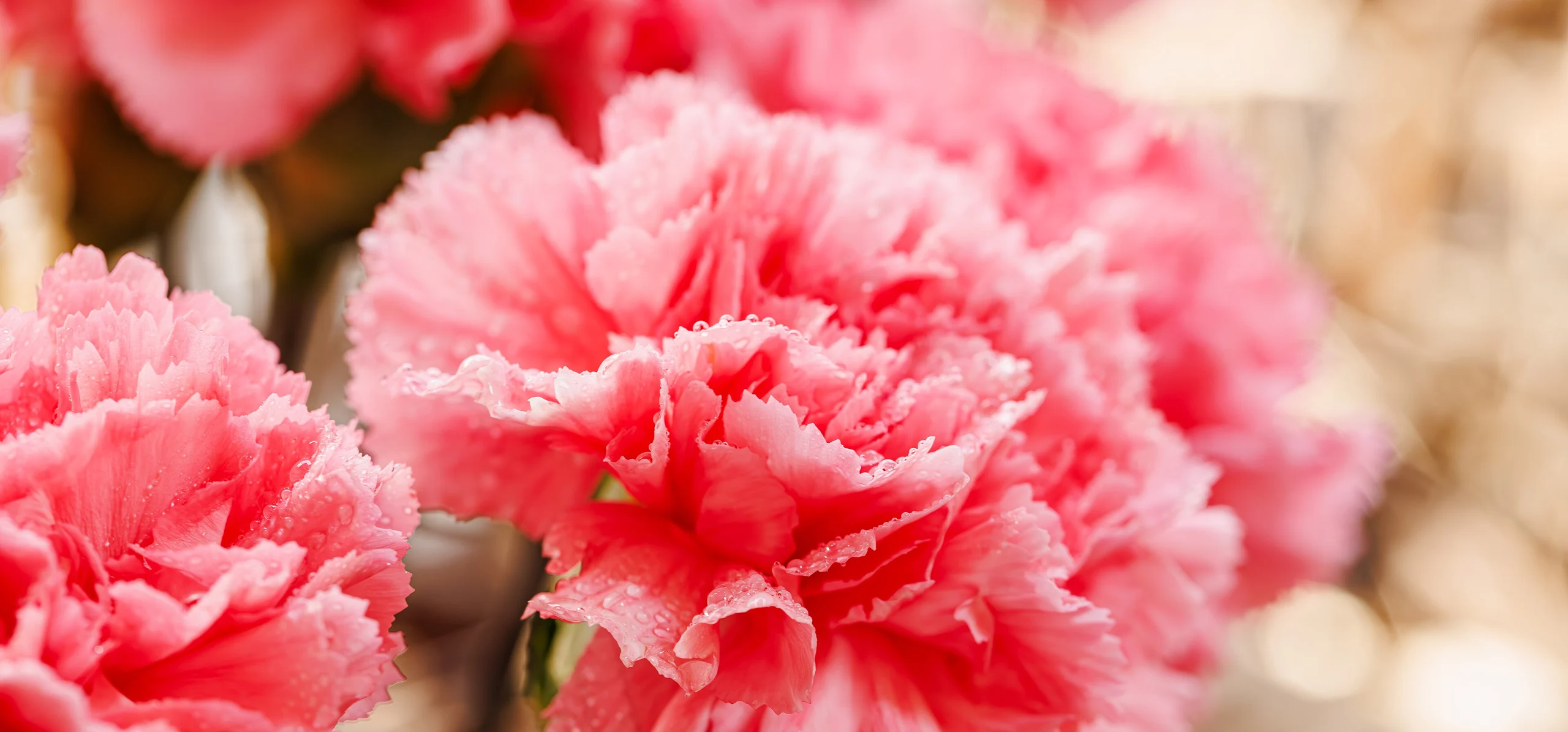
Carnation
Dianthus caryophyllus
Family · Caryophyllaceae
Carnation needs full sun, pH 6 to 8 well-drained soil, and USDA zones 6 to 9; deadhead often and watch for crown rot and rust.
Dianthus caryophyllus
Plant profile
- WateringModerateWater every 7 days
- Light exposurePartial sun
- Hardiness zoneUSDA 6–9
Growth
- Family
- Caryophyllaceae
- Life cycle
- Perennial
- Growth speed
- 5/10
- Mature size
- 30–122 cm
- Spread
- 15–30 cm
- Flowering
- Summer, longer with regular deadheading
- Propagation
- Seed
- Cutting
Dormancyevergreen in mild climates; dies back to the crown where winters are cold
Time to maturityreaches full size in about 2 to 5 years
Soil & climate
- Soil pH
- pH 6–8
- Soil types
- loam, sand, clay, chalk
- Drought tolerance
- No
Light & Placement
- Origin
- Balkan Peninsula
- Where to place it
- sunny border
- rock garden
- cutting garden
- raised bed
- terracotta container with drainage on a sunny patio
Safety
- Toxicity
- CatsToxic
- DogsToxic
- HorsesToxic
Data fromDianthus caryophyllus, GBIF Backbone TaxPOWO: Dianthus caryophyllus L. (Plants oASPCA: Carnation toxicity to pets and hoRHS: Dianthus caryophyllus (border carnaNC State Extension Gardener Plant Toolbo
Where it grows
World distribution
Carnation is native to 3 countries: Albania, Croatia, and Greece.GBIF records 15,975 documented identifications across 83 countries, with the largest concentrations in France, United Kingdom, and Italy.
- Albania
- Croatia
- Greece
Yellow to orange dots: concentration of documented identifications per country. Green countries: sourced native range. Source: GBIFNative range from POWO (Kew).
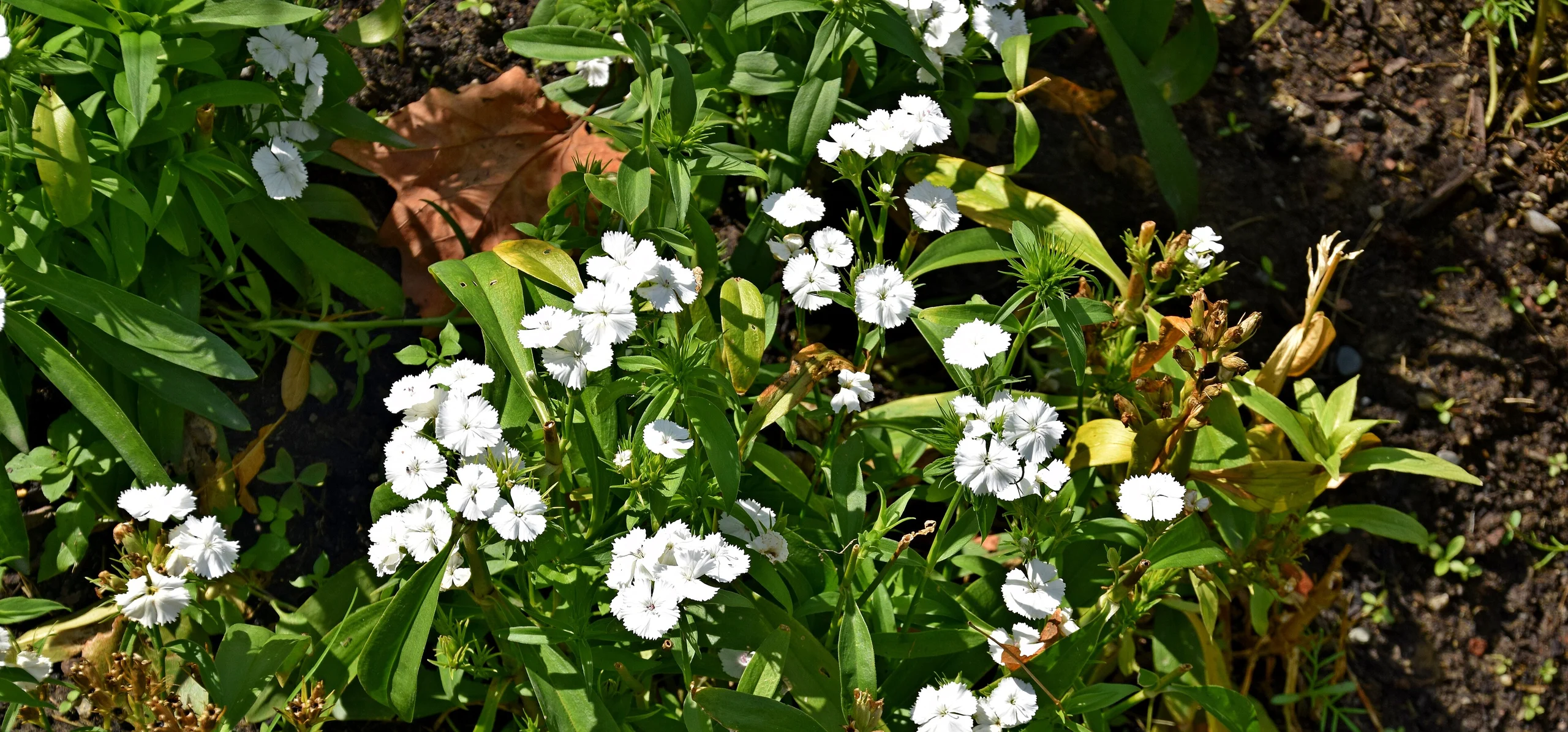
A carnation just brought home from the nursery, whether it is a squat bedding plant or a tall florist-type stem staked upright in its pot, is native to the Balkan Peninsula and belongs to the same family as sweet William and baby's breath, the pinks. In the garden it forms a low, grey-green tuft of narrow, almost grass-like leaves that stays evergreen through mild winters, then sends up stiff flowering stems from late spring. It is hardy from USDA zone 6 to 9, so gardeners further north grow it as an annual or bring potted plants under cover for winter. It asks for very little once it is sited correctly, full sun, sharp drainage, a pH on the neutral-to-alkaline side, but it punishes any deviation from that with crown rot or rust almost immediately.
Origin and the Range of Carnation Types
Dianthus caryophyllus originates in the Balkan Peninsula and has been cultivated across the wider Mediterranean world for so long that garden populations now grow well outside that native range. Two broad groups matter for anyone buying a plant rather than a bouquet. Border carnations are the hardy garden type, evergreen or semi-evergreen, forming a tidy mound around knee height that flowers in summer. Perpetual-flowering carnations, the type raised commercially for cut flowers, are half-hardy and need protection below roughly 7 to 10 degrees Celsius, so outdoors they only perform reliably in mild climates or under glass. Both descend from the same wild species and share the same clove-scented flowers that gave the plant its old common name, clove pink.
Site, Sun and Soil pH
Carnation wants six or more hours of direct sun a day; in partial shade, roughly two to six hours, it survives but flowering drops off quickly. Soil pH matters more here than for most border perennials: aim for neutral to alkaline, in the range of pH 6.0 to 8.0, and avoid heavy acidic ground. Loam, sand, clay or even chalky soil all work as long as drainage is sharp, a gritty mix enriched with organic matter suits it best. Raised beds or a gentle slope help on clay ground, since standing water at the crown, the point where stems meet roots, is the fastest way to lose the plant.
Planting and Spacing
Space young plants roughly 15 to 30 cm apart, the width a mature clump eventually reaches, so a new bed looks sparse for a season before it fills in. Set the crown level with the soil surface rather than burying it; planting too deep traps moisture against the stem base and invites crown rot later. Water in thoroughly after planting, then let the top few centimetres of soil dry out between waterings while the roots establish over the following weeks.


Watering Without Rotting the Crown
Once established, water when the top of the soil has dried, typically about once a week in an average summer and more often for container plants during hot spells. Carnation tolerates a short dry spell far better than it tolerates wet feet: container plants left standing in a saucer, or border plants in poorly drained beds, are the two situations that most often end in crown rot. Cut back watering sharply once autumn arrives and stop almost entirely once the ground freezes.
Feeding for Strong Stems
A single application of a balanced or slightly potassium-heavy fertiliser in spring, as new growth resumes, is enough for most garden carnations. Heavy nitrogen feeding produces soft, floppy stems and lush leaves at the expense of flowers, and it also thins the waxy grey cuticle on the foliage that normally helps keep off fungal disease. Container plants take a diluted liquid feed every four to six weeks through the flowering season instead of a single spring dose.
Pinching, Staking and Deadheading
Pinching out the growing tip on young, non-flowering shoots forces side branching and produces a bushier plant with more flowering stems later on, the same technique gardeners use on chrysanthemums and dahlias. Tall stems on some cultivars flop under the weight of open flowers; a discreet ring of twiggy pea sticks pushed in early, before support is actually needed, holds the clump upright without looking obviously staked. Deadhead spent flowers regularly, cutting the stem back to a healthy leaf joint rather than just snapping off the bloom, since this is what the RHS recommends to prolong flowering through summer.
Pests, Diseases and Overwintering
The two problems to watch for most closely are rust, which shows as dusty orange-brown pustules on the underside of leaves, and crown rot, a soil-borne rot that turns the base of the stem black and mushy and is nearly always fatal once it takes hold. Powdery mildew and fusarium wilt are also recorded on this species, and slugs and aphids are the most common pests on new growth. Good air circulation between plants, watering the soil rather than the foliage, and removing dead leaves promptly do more to prevent these problems than any spray. In the colder part of its hardiness range, zone 6, protect the crown with a dry mulch of straw or bracken once the ground starts to freeze, or move potted plants into an unheated greenhouse or cold frame for winter.
Toxicity and Keeping Pets Away
Carnation is listed by the ASPCA as toxic to cats, dogs and horses. The toxic principle is described only as an unknown irritant, and the clinical picture is mild, gastrointestinal upset and mild skin dermatitis rather than anything life-threatening, but it is still worth keeping cut stems and fallen petals out of reach of a curious cat, and away from grazing horses if the bed sits near a paddock.
Test your plant knowledge
Tap a card to flip it and reveal the answer.
Carnation flowers best with six or more hours of direct sun a day. Tap to reveal ✓ True
Carnation prefers strongly acidic soil below pH 5.5. Tap to reveal ✕ False
Standing water at the base of the stem can cause fatal crown rot. Tap to reveal ✓ True
Carnation is non-toxic and safe around cats, dogs and horses. Tap to reveal ✕ False
Deadheading spent flowers helps prolong the blooming period. Tap to reveal ✓ True
Sources
References consulted for this guide
- Dianthus caryophyllus, GBIF Backbone Taxonomygbif.org
- POWO: Dianthus caryophyllus L. (Plants of the World Online, Kew Science)powo.science.kew.org
- ASPCA: Carnation toxicity to pets and horsesaspca.org
- RHS: Dianthus caryophyllus (border carnation)rhs.org.uk
- NC State Extension Gardener Plant Toolbox: Dianthus caryophyllusplants.ces.ncsu.edu
- Reference entity : Wikipédiaen.wikipedia.org