Sweet William
Dianthus barbatus
Family · Caryophyllaceae
Sweet William (Dianthus barbatus) is a cottage garden biennial: full sun, well-drained neutral soil, and deadheading for weeks of clove-scented blooms.
Dianthus barbatus
Plant profile
- WateringModerateWater every 6 days
- Light exposureFull sun
- Ideal temperature-20–32 °C
- Hardiness zoneUSDA 3–9
Growth
- Family
- Caryophyllaceae
- Life cycle
- Biennial
- Growth speed
- 6/10
- Mature size
- 30–61 cm
- Spread
- 10–50 cm
- Flowering
- Late spring to early summer, usually the second year
- Propagation
- Seed
- Cutting
DormancyWinter rosette, dies after bloom
Time to maturitySecond spring from seed
Soil & climate
- Soil pH
- pH 6–7.5
- Soil types
- loam, sand
- Drought tolerance
- No
Light & Placement
- Origin
- Mountains of Europe to the Russian Far East and Korea
- Where to place it
- Rarely grown indoors
- Sunny border
- Cutting garden
- Raised bed
- Gravel garden edge
- Deep containers 20cm or more
Safety
- Toxicity
- CatsToxic
- DogsToxic
- HorsesToxic
Data fromGBIFPlants of the World Online, KewASPCA Animal Poison ControlMissouri Botanical Garden Plant FinderRHS
Where it grows
World distribution
Sweet William is native to 15 countries: Austria, Bulgaria, China, Croatia, Czechia, France, Hungary, and Italy….GBIF records 38,591 documented identifications across 82 countries, with the largest concentrations in United States, Sweden, and France.
- Austria
- Bulgaria
- China
- Croatia
- Czechia
- France
- Hungary
- Italy
- Poland
- Romania
- Russia
- South Korea
- Spain
- Türkiye
- Ukraine
Yellow to orange dots: concentration of documented identifications per country. Green countries: sourced native range. Source: GBIFNative range from POWO (Kew).
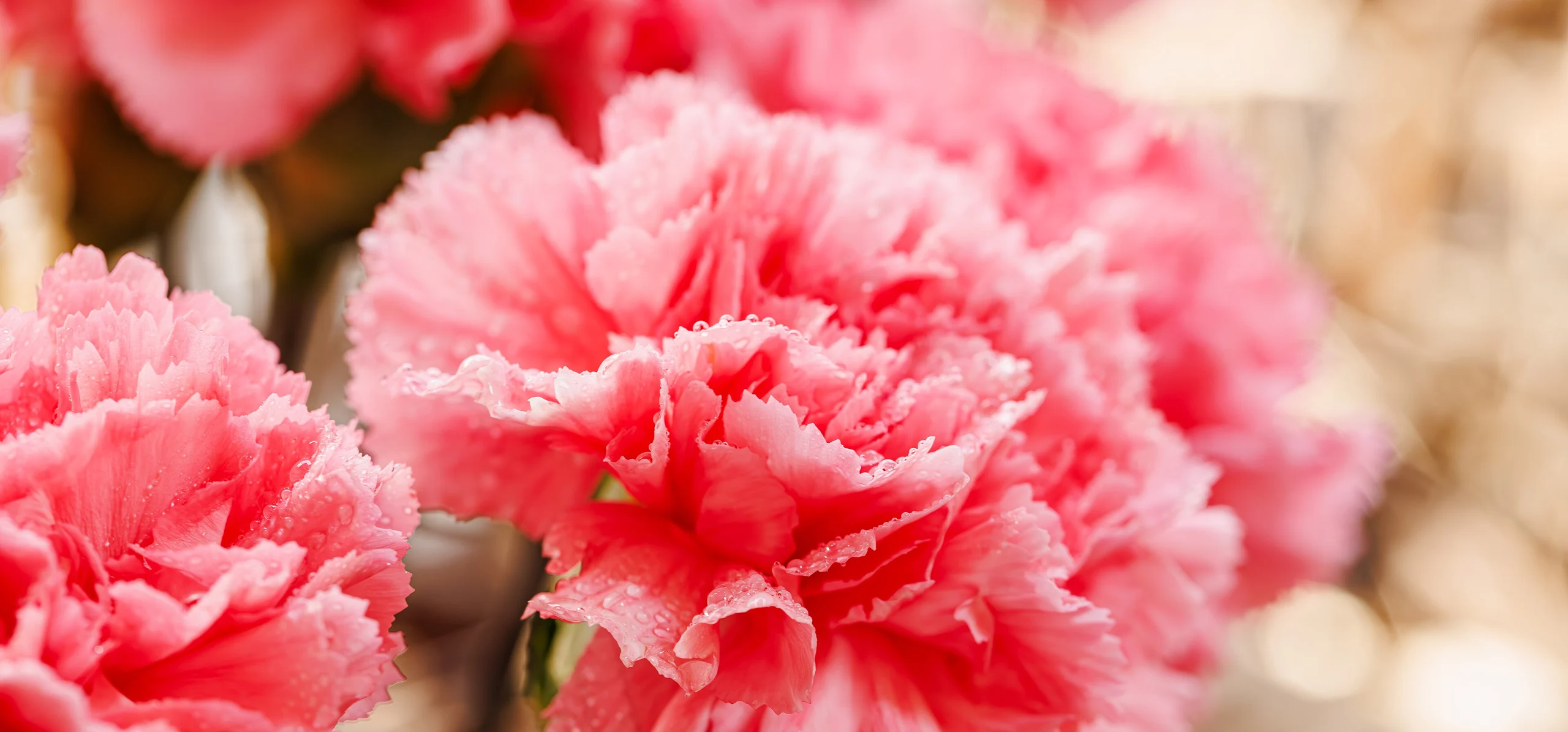
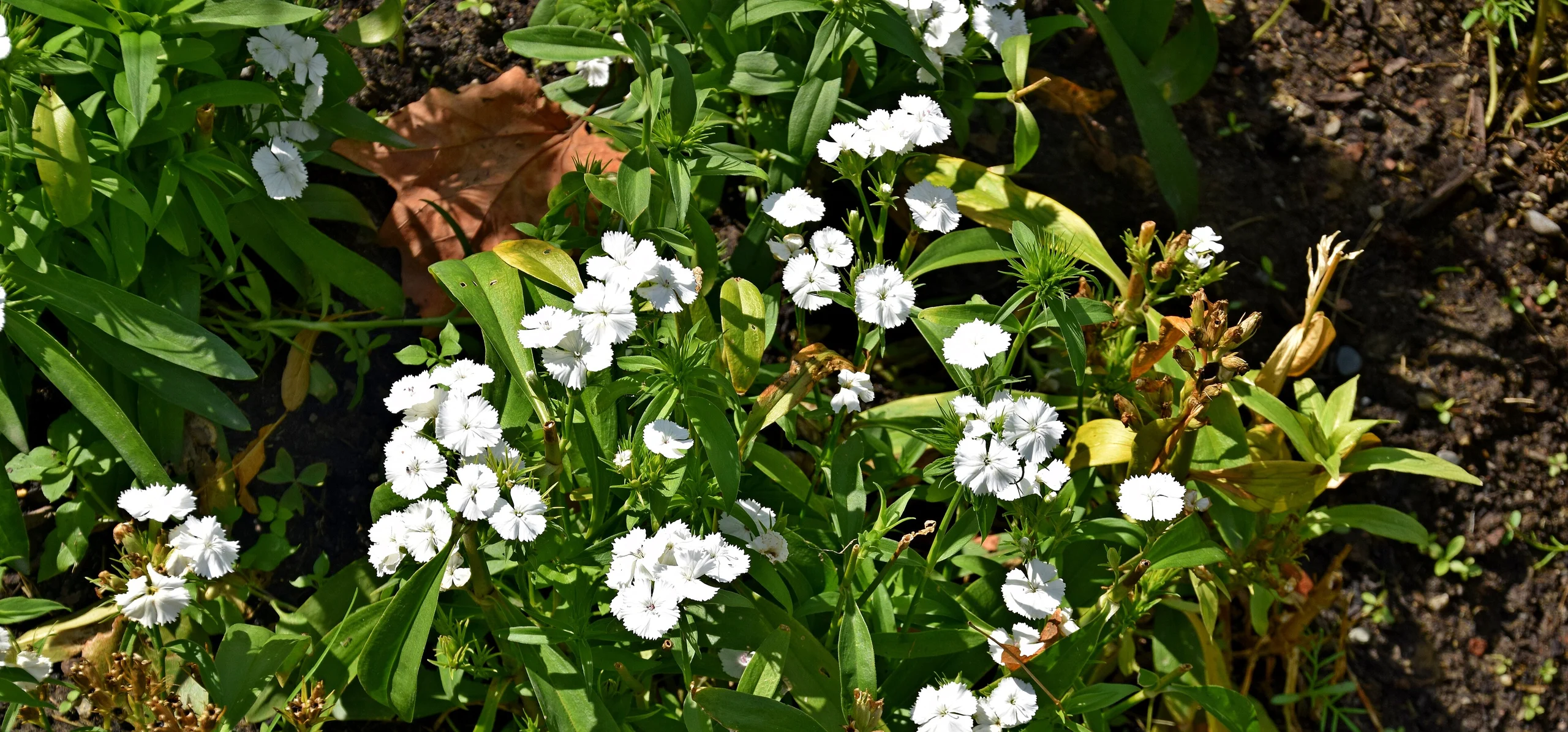
Sweet William rewards a little patience: seed sown this spring saves its dense, clove-scented flower heads for next year. A newly bought punnet of seedlings usually still needs that first summer to build a low rosette of narrow, grey-green leaves before it bolts and blooms the following spring, though pack-grown plants sold already budded in autumn are the exception and will flower on schedule. Expect flat-topped clusters of small, fringed flowers in shades from white through pink to near-black, each carrying a strong clove scent that peaks on warm evenings. The plant behaves as a biennial or short-lived perennial: most gardeners treat it as biennial and replace it after its one big flowering season.
Choosing a Sweet William Strain
Seed strains and named cultivars split into two groups that behave very differently. Traditional biennial strains, the tall cutting-garden types reaching 45 to 60 cm, need a full first season of leaf growth before they flower the next spring; these are the ones worth sowing for armfuls of stems for the vase. F1 series such as Barbarini were bred to skip that wait and flower the same year from an early sowing, useful in a border that needs colour fast but shorter-lived overall. Dwarf strains like the Indian Carpet Group stay under 20 cm and suit edging or gravel gardens rather than cutting. For colour, the Nigrescens Group, sold as 'Sooty' or under similar names, carries near-black foliage and deep crimson-maroon flowers that read as almost black in low light, a strong contrast plant against silver foliage or pale roses.
Sun and Placement
Full sun is non-negotiable for compact growth and the densest flower heads; in shade, stems stretch and flop and flowering thins out. In hot inland summers, plants appreciate light afternoon shade, the same trick used for many cottage garden biennials that dislike scorching midday heat but still need hours of direct light to bud well. Choose a sheltered spot: the tall cutting strains carry heavy flower heads on relatively thin stems, and wind exposure knocks them flat before the first frost. Against a south, east, or west-facing wall or fence, the reflected warmth also nudges autumn-sown plants through winter with less leaf damage.
Soil and Planting
Sweet William wants a soil that drains fast but never dries out completely, deep, organically rich loam or sandy loam gives the healthiest rosettes. Neutral to slightly alkaline conditions suit it best, aim for pH 6 to 7.5; strongly acid soil slows growth and pale foliage is usually the first sign. Work compost into poor or sandy ground before planting, and raise the bed slightly on clay so winter water does not sit around the crown, standing water through a cold winter is the main cause of losses in this plant. Space plants 20 to 30 cm apart: crowding cuts airflow around the foliage and is the single biggest driver of the powdery mildew and rust problems described below.


Watering Through the Season
Water new transplants two or three times a week until roots establish, then taper to roughly once a week, more often in containers, which dry out faster than open ground. Let the top few centimetres of soil dry between waterings; Sweet William tolerates short dry spells once established but sulks and drops lower leaves if the root zone stays soggy for days. Reduce watering through autumn once growth slows, and in open ground, winter rain is usually enough on its own, extra water on frozen or waterlogged soil does more harm than skipping a week.
Feeding and Deadheading for a Longer Bloom
A single balanced feed worked into the soil at planting carries most strains through their flowering season without further help; overfeeding, especially with high-nitrogen fertiliser, pushes soft leafy growth at the expense of flower heads and makes plants more prone to fungal disease. Deadhead spent flower clusters as soon as the colour fades, cutting back to the next set of side buds; this single habit is what keeps a strain flowering for six to eight weeks instead of two. Leave a few heads to set seed toward the end of the season if volunteer seedlings are welcome next year, Sweet William self-seeds readily in beds it likes.
Pests, Diseases, and Toxicity
Slugs and aphids are the routine pests, slugs shred young rosettes overnight in wet spring weather and aphids cluster on flower buds and new growth; check the undersides of leaves and buds through late spring. Powdery mildew and rust both worsen as crowding and poor airflow increase, so thin overcrowded clumps and water at the base rather than overhead to slow both. Fusarium wilt and several plant viruses can appear in older plantings, a plant that yellows and collapses on one side despite normal watering is more likely wilt than drought stress, and there is no cure beyond removing it and avoiding replanting Dianthus in the same spot for a season. Sap can mildly irritate skin, so wear gloves when handling large quantities of cut stems. The ASPCA lists Dianthus as toxic to cats, dogs, and horses, with an unknown irritant causing mild gastrointestinal upset and mild dermatitis, so keep cut stems and fallen petals away from pets that graze on greenery.
Propagation and the Biennial Cycle
Sow seed in late spring or early summer in a nursery bed or trays, not directly in the flowering position, then transplant the young rosettes to their final spot in early autumn once they have four or five true leaves. This staggered timing produces strong, vernalised plants that flower reliably the following spring rather than small, weak ones that sulk. Named cultivars grown from cuttings, rather than seed, come true to colour and habit; take softwood cuttings from non-flowering shoots in early summer, they root within a few weeks in a free-draining mix. Because most strains are monocarpic, flowering once and then declining, treat the planting as a two-year cycle: sow or buy new plants each summer to replace the ones finishing their display, and let a few seed heads mature if self-sown replacements are welcome in that bed.
Test your plant knowledge
Tap a card to flip it and reveal the answer.
Sweet William usually flowers the same year it is sown outdoors in spring. Tap to reveal ✕ False
Established Sweet William tolerates winter temperatures below -20 degrees Celsius. Tap to reveal ✓ True
This plant does best in heavy, constantly waterlogged soil. Tap to reveal ✕ False
Deadheading spent flower clusters extends the overall bloom period. Tap to reveal ✓ True
The ASPCA lists Dianthus as toxic to cats, dogs, and horses. Tap to reveal ✓ True
Sources
References consulted for this guide
- GBIFgbif.org
- Plants of the World Online, Kewpowo.science.kew.org
- ASPCA Animal Poison Controlaspca.org
- Missouri Botanical Garden Plant Findermissouribotanicalgarden.org
- RHSrhs.org.uk
- Reference entity : Wikipédiaen.wikipedia.org