Bay Laurel
Laurus nobilis
Family · Lauraceae
Bay laurel (Laurus nobilis) wants full sun, dry spells between waterings and shelter below -5C. Covers lollipop training, suckers, bay sucker and scale.
Laurus nobilis
Plant profile
- WateringLittleWater every 8 days
- Light exposureFull sun
- Ideal temperature-10–-5 °C
- Hardiness zoneUSDA 8–10
Growth
- Family
- Lauraceae
- Life cycle
- Perennial
- Growth speed
- 4/10
- Mature size
- 240–370 cm
- Spread
- 240–900 cm
- Propagation
- Seed
- Cutting
- Layering
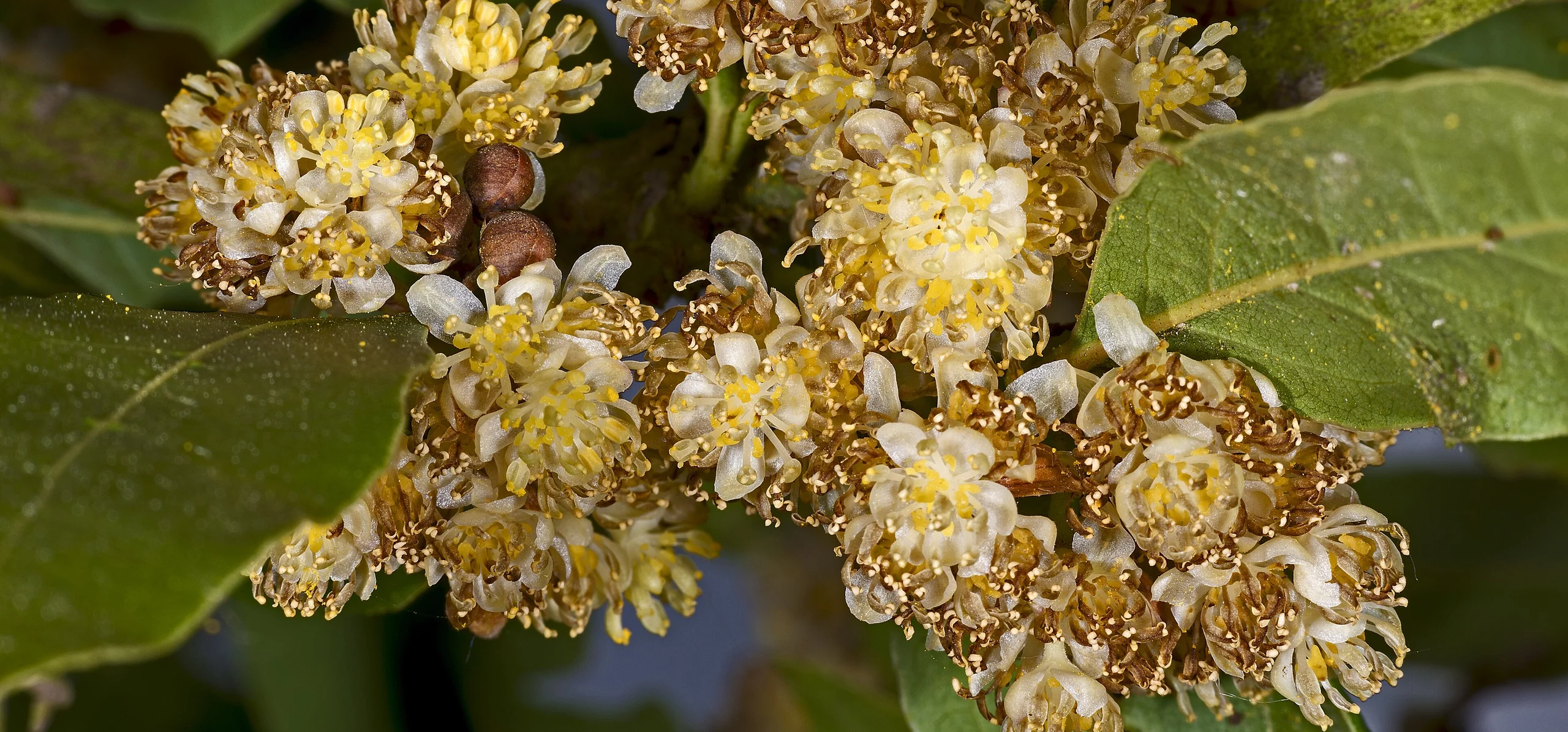
FloweringSmall clusters of pale yellow flowers in spring, inconspicuous and not the reason it is grown
Dormancyevergreen, growth slows through winter
Time to maturitymany years to reach a substantial standard; slow to fill out when trained
Soil & climate
- Soil types
- loam, sand
- Drought tolerance
- Yes
Light & Placement
- Origin
- Mediterranean region
- Where to place it
- brightest window available, ideally with several hours of direct sun
- sheltered sunny patio or courtyard
- south or west facing wall
- soil based, peat free compost such as John Innes No 2 with added horticultural grit
Safety
- Toxicity
- CatsToxic
- DogsToxic
- HorsesToxic
Data fromLaurus nobilis L., GBIF Backbone TaxonomLaurus nobilis L., Plants of the World OASPCA: Bay Laurel (Laurus nobilis) toxicRHS: Bay Tree Care and Uses, growing guiNC State Extension Gardener Plant Toolbo
Where it grows
World distribution
Bay Laurel is native to 13 countries: Albania, Algeria, Croatia, Cyprus, France, Greece, Italy, and Lebanon….GBIF records 74,385 documented identifications across 90 countries, with the largest concentrations in France, Spain, and Italy.
- Albania
- Algeria
- Croatia
- Cyprus
- France
- Greece
- Italy
- Lebanon
- Libya
- Morocco
- Palestinian Territories
- Tunisia
- Türkiye
Yellow to orange dots: concentration of documented identifications per country. Green countries: sourced native range. Source: GBIFNative range from POWO (Kew).
A bay bought as a clipped standard or a plain pot plant is the same species that cooks drop whole into stock, GBIF's accepted name being simply Laurus nobilis L. It wants the sunniest spot you can give it, a pot that dries out a little between waterings rather than one kept constantly damp, and, if you live somewhere winters bite, a plan for getting it through frost and cold wind. Left alone it grows into a proper small tree; kept in a container and clipped, it stays a manageable evergreen for a doorstep or kitchen step for decades.
A Mediterranean Native Behind the Laurel Wreath
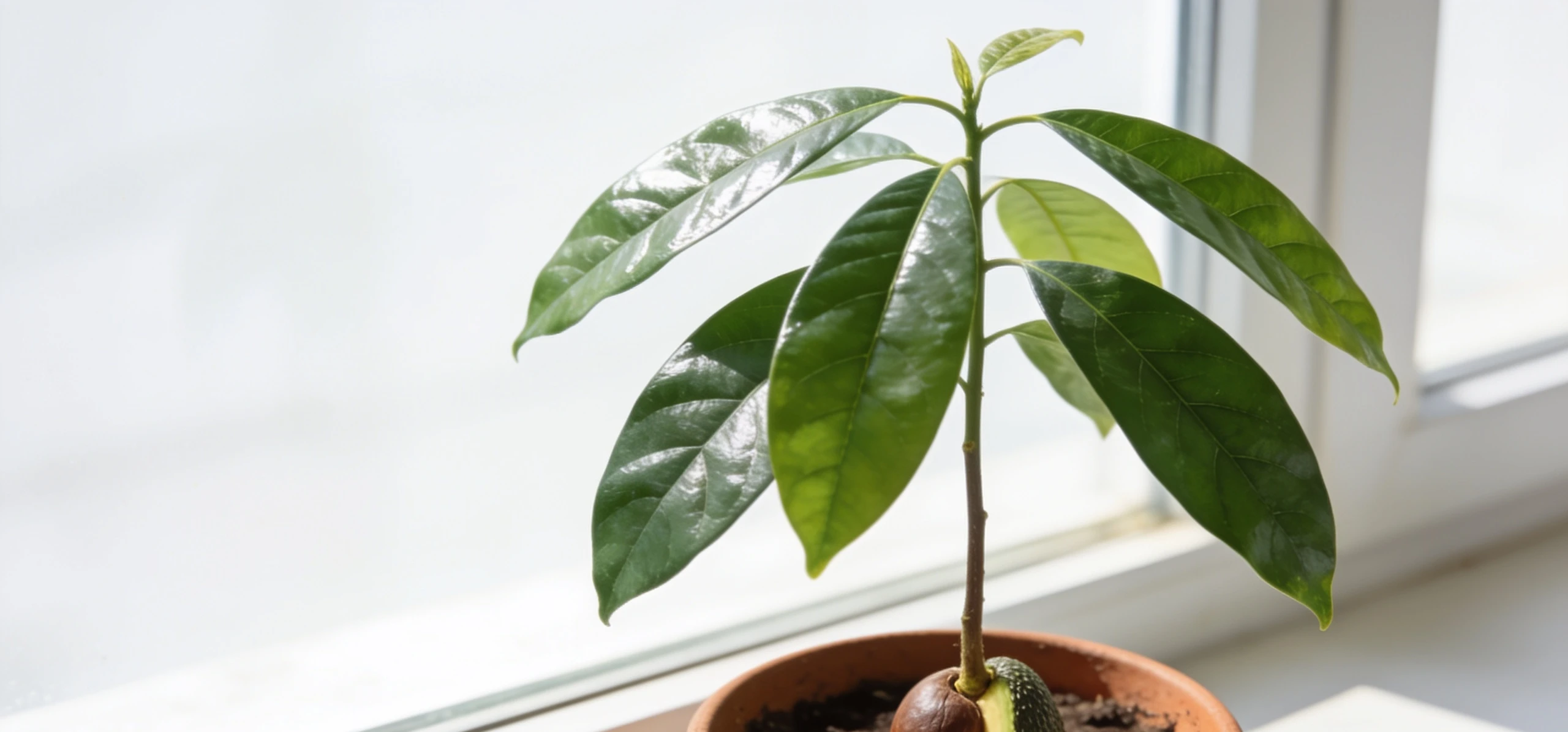
Plants of the World Online lists the native range of Laurus nobilis as the Mediterranean region, where it grows as a shrub or small tree in scrub and woodland. The same glossy, aromatic leaves used in stock and stews today crowned victors in ancient Greece and Rome, which is where the word laureate and the whole idea of a laurel wreath come from. Lauraceae, the laurel family GBIF places it in, also includes cinnamon and avocado, so the leathery, oil rich leaf you are pinching for the pot has close relatives on several continents.
Choosing and Placing a Bay Tree
Garden centres sell bay three ways: as a loose bush, as a clear stemmed standard with a rounded head, or as the tightly clipped ball on a bare stem nicknamed a lollipop. NC State Extension rates its growth as medium, which explains the price gap between a young bush and an already shaped standard, since several years of clipping go into that dense round head before it ever reaches a shop; a bush is the easiest starting point and can be trained upward later. Wherever it starts, the RHS growing guide is consistent on placement: bay needs a sheltered, sunny or lightly shaded position and well drained soil. Outdoors that means the sunniest wall or patio corner out of the worst wind; indoors, the brightest window in the house, since a dim corner thins growth and stops the compact new leaves that keep a clipped head dense.
Watering and Feeding
Water container bay moderately and let the top of the compost dry out before watering again; the RHS is specific that excessive moisture causes root damage, which matters more for a bay in a pot than almost anything else you do for it. Feed from mid spring to late summer, either with controlled release fertiliser granules mixed into the compost or a liquid feed roughly every two weeks, then stop as growth slows into autumn. Yellowing leaves are usually one of these two problems working in opposite directions: a plant sitting too wet, its roots starved of air, or a hungry one running short of nitrogen, which shows first as a general pale yellowing that starts on the older, lower leaves and works upward. Simple dryness is rarely the cause, since bay tolerates a dry spell far better than a waterlogged saucer.


Soil and Potting
The RHS recommends a soil based, peat free compost such as John Innes No 2, with extra grit worked in for drainage and stability, since a top heavy clipped head can rock a plant loose in a light, peaty mix. NC State Extension notes that in the ground bay tolerates a range of well drained soils, including spells of occasionally dry or occasionally wet ground, as long as it never sits permanently waterlogged. Repot container plants roughly every two years in spring, or, once a bay has reached the pot size you want to keep, refresh the top five centimetres of compost annually and tease away about a third of the old roots before topping up, which the RHS gives as the lower effort alternative to a full repot.
Hardiness and Winter Protection
Both RHS pages on bay converge on the same figure: it is generally hardy to about -5 C, and is hardier planted in the ground than in a container, since a pot exposes the whole rootball to cold from every side instead of just the surface. The more common damage is not frost on the roots but wind: cold winter wind scorches and browns the leaf edges even when the temperature itself has not dropped that low, so a sheltered spot out of the prevailing wind matters as much as the thermometer reading. For container plants through a hard winter, wrap the pot in hessian or bubble wrap to insulate the roots, throw fleece over the top growth during the coldest snaps, or move it into an unheated porch or greenhouse until the worst has passed.
Pruning a Standard, Clipping a Lollipop and Removing Suckers
Trim topiary shapes in summer, and use secateurs rather than shears: the RHS is explicit on this point because shears slice straight through bay's broad leaves, leaving cut edges that brown and make a freshly clipped head look scorched for weeks. Loose bushes just need a light trim in spring or summer to keep them tidy. Bay also tolerates hard, restorative pruning if a plant has outgrown its space, but the RHS advises spreading heavy cuts over two or three seasons in late spring rather than taking it all back at once, since recovery is slow. Watch the base of any trained standard or lollipop for suckers, vigorous shoots pushing up from the root zone below the clear stem; rub these off as soon as you spot them, or the plant will put its energy into the sucker instead of the shaped head you are growing it for.
Pests: Bay Sucker and Scale
Curled, thickened, gall like margins on young leaves are the signature of bay sucker, Trioza alacris, a sap feeding insect the RHS says affects appearance without usually reducing the plant's overall vigour, which is why control is often unnecessary beyond picking off the worst affected leaves. Soft scale and horse chestnut scale are the other pests the RHS flags on bay: flat, limpet like insects on the stems and leaf undersides that excrete sticky honeydew, and it is that honeydew, not the scale itself, that sooty mould grows on, coating leaves in a black film that cuts light to the leaf beneath. Treating the scale insect, by wiping it off or with a suitable product, is what clears the mould, rather than trying to scrub the black coating away on its own.
Harvesting Leaves and Keeping Pets Safe
Pick individual mature, dark green leaves as you need them all year round; fresh leaves work in the kitchen, but drying them flat somewhere dark and airy until they turn brittle mellows the sharp, almost medicinal edge of a fresh leaf into the rounder flavour most recipes actually expect. Keep both fresh and dried leaves away from cats, dogs and horses. The ASPCA lists Laurus nobilis as toxic to all three, with eugenol and other essential oils as the toxic principles and vomiting and diarrhoea as the reported signs; NC State Extension adds that a large ingestion of whole leaves can also cause a physical obstruction, since the leathery, sharp edged leaves do not break down easily once swallowed.
Test your plant knowledge
Tap a card to flip it and reveal the answer.
A bay standard should be clipped into shape with secateurs rather than garden shears. Tap to reveal ✓ True
A potted bay laurel can stay outdoors through any UK winter with no extra protection. Tap to reveal ✕ False
Yellowing leaves on a container bay laurel are more often caused by waterlogged roots than by underwatering. Tap to reveal ✓ True
Bay laurel (Laurus nobilis) is listed by the ASPCA as toxic to dogs, cats and horses. Tap to reveal ✓ True
Bay sucker damage usually kills the plant if it is left untreated. Tap to reveal ✕ False
Sources
References consulted for this guide
- Laurus nobilis L., GBIF Backbone Taxonomygbif.org
- Laurus nobilis L., Plants of the World Online, Kew Sciencepowo.science.kew.org
- ASPCA: Bay Laurel (Laurus nobilis) toxicity to pets and horsesaspca.org
- RHS: Bay Tree Care and Uses, growing guiderhs.org.uk
- NC State Extension Gardener Plant Toolbox: Laurus nobilisplants.ces.ncsu.edu
- Reference entity : Wikipédiaen.wikipedia.org