Baby Sage
Salvia microphylla
Family · Lamiaceae
Baby sage needs full sun and free draining soil. Covers RHS hardiness H4, deadheading for more flowers, propagation by cuttings and winter protection.
Salvia microphylla
Plant profile
- WateringLittleWater every 10 days
- Light exposureFull sun
- Hardiness zoneUSDA 7–10
Growth
- Family
- Lamiaceae
- Life cycle
- Perennial
- Growth speed
- 5/10
- Mature size
- 100–150 cm
- Spread
- 50–100 cm
- Propagation
- Cutting
- Seed
- Division
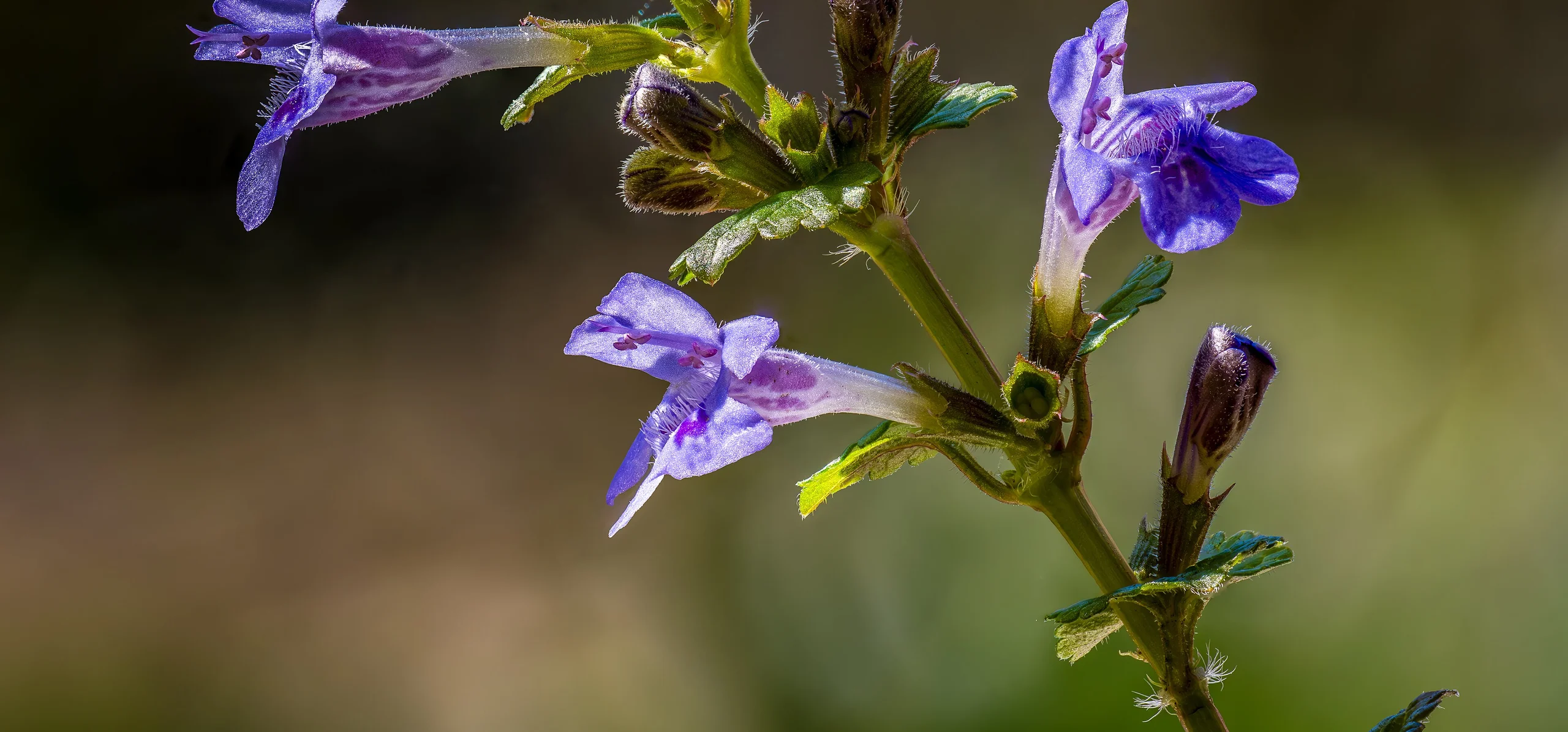
FloweringTwo-lipped flowers from spring into autumn, deep red in the wild species, cultivars range from white through pink to burgundy
Dormancyevergreen, no true dormancy
Time to maturity2 to 5 years to full size
Soil & climate
- Soil pH
- pH 6–8
- Soil types
- chalk, loam, sand
- Saline soil
- Partially tolerated
- Drought tolerance
- Yes
Light & Placement
- Origin
- Arizona to Guatemala, including the mountains of eastern, western and southern Mexico
- Where to place it
- bright, cool room for containers over winter in cold climates
- south or west-facing border
- sheltered sunny patio
- raised bed or gravel garden
- terracotta or clay pot with drainage holes
Safety
- Pet safe
- No
ToxicityNot carried on the ASPCA toxic and non-toxic plant lists, so pet safety has not been formally evaluated for this species
Data fromSalvia microphylla Kunth, GBIF Backbone POWO: Salvia microphylla KunthRHS: Salvia microphylla (baby sage)NC State Extension Gardener Plant Toolbo
Where it grows
World distribution
Baby Sage is native to 3 countries: Guatemala, Mexico, and United States.GBIF records 7,800 documented identifications across 46 countries, with the largest concentrations in Mexico, Spain, and United States.
- Guatemala
- Mexico
- United States
Yellow to orange dots: concentration of documented identifications per country. Green countries: sourced native range. Source: GBIFNative range from POWO (Kew).
A newly bought Salvia microphylla settles in fastest with sun, lean soil and a light hand on the watering can. This is a small evergreen shrub in the mint family, not a soft bedding perennial, so it builds woody stems within its first year or two and keeps its aromatic leaves through most winters where it is hardy enough to stay outdoors. Flowering runs long, from spring into autumn, and the display keeps going as long as spent flower spikes are cut off rather than left to set seed. Give it a well-drained, sunny spot and resist the urge to water or feed it like a thirsty annual, and it should outlast most of what gets planted around it.
A Native of Arizona and the Mexican Mountains
Salvia microphylla belongs to the mint family, Lamiaceae, alongside rosemary, lavender and true sage, and shares their square stems and paired, aromatic leaves. Plants of the World Online at Kew gives its native range as Arizona to Guatemala, and North Carolina State Extension adds detail: in the wild it grows in southeastern Arizona and in the mountains of eastern, western and southern Mexico, typically as an understorey or scrub shrub on rocky, well-drained slopes. That native habitat explains the plant's whole character in cultivation: a lot of sun, sharp drainage and no patience for standing water.
Common names for it include Baby Sage, Blackcurrant Sage and Graham's Sage. It is easy to confuse in a nursery with the closely related Salvia greggii, sold as autumn sage, since the two species hybridize readily and their offspring, Salvia x jamensis, is sold under many of the same cultivar names. A plant label reading simply "Salvia" or "autumn sage" is not a reliable guide to which species, or hybrid, is actually in the pot.
The Wild Species and Its Cultivars
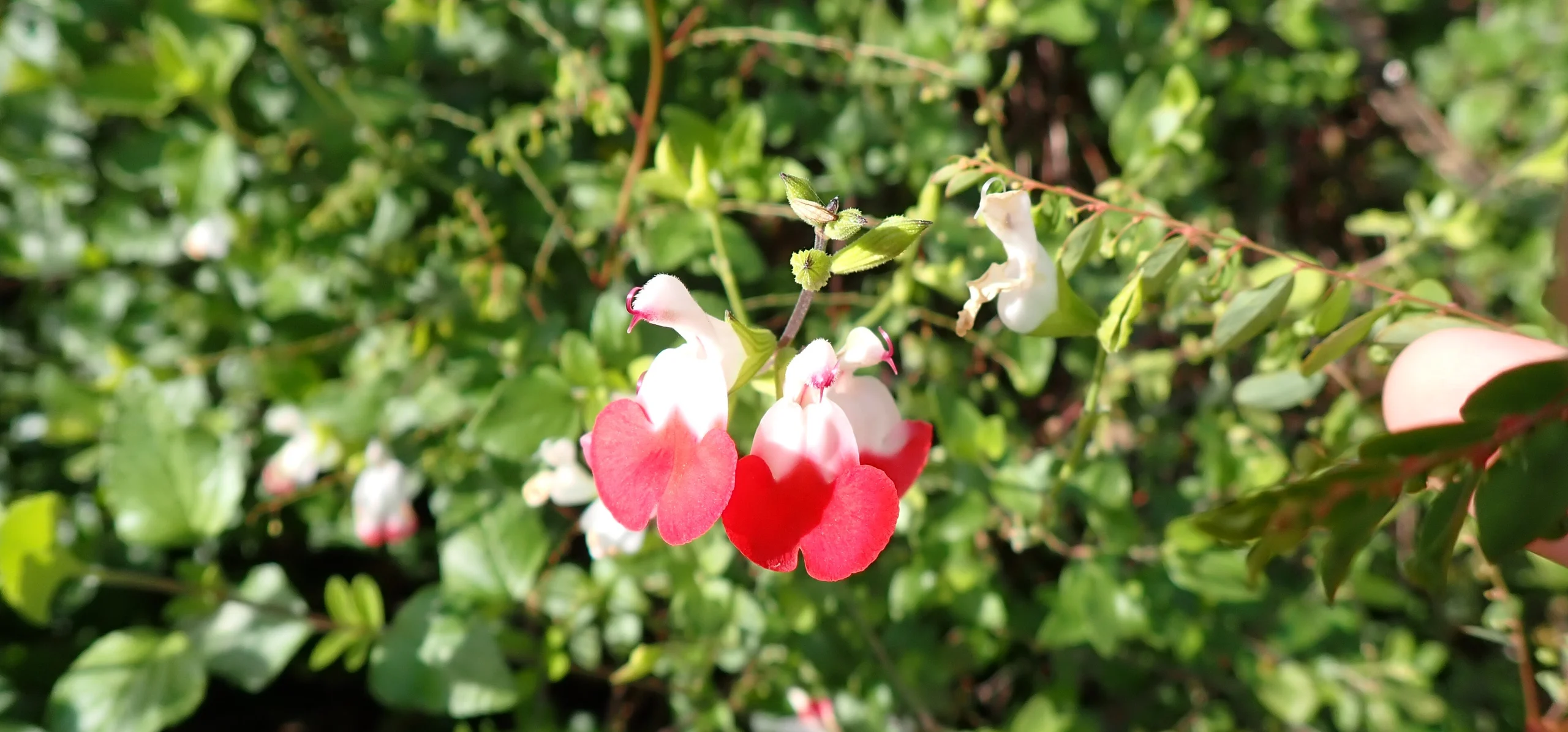
The straight species carries deep red, two-lipped flowers on light green, ovate, aromatic leaves, according to the RHS. Decades of selection from wild Mexican populations have produced named cultivars that widen the color range considerably while keeping a similar size and habit: 'Hot Lips', the bicolor red-and-white form shown above, is one of the most widely sold, alongside cultivars such as 'Trewithen Cerise', 'Cerro Potosi', 'Pink Blush' and 'Wine and Roses'. Because the species crosses so easily, cuttings from a named cultivar are the only reliable way to keep its exact flower color; seedlings can and do revert toward the plainer wild-type red or throw unpredictable in-between shades.


Sun, Soil and Planting
Both the RHS and North Carolina State Extension specify full sun, at least six hours of direct light a day, for the best flowering and the densest, most compact growth; light afternoon shade is tolerated but the plant thins out and flowers less in it. Soil can be chalk, loam or sand according to the RHS, and North Carolina State Extension gives a pH range of 6.0 to 8.0, essentially neutral to mildly alkaline. What matters more than the exact soil type is drainage: the RHS recommends a moist but well-drained to simply well-drained site, and a south or west-facing aspect with shelter from cold wind. On heavy clay, plant on a raised mound or work coarse grit into the top of the bed before planting.
Watering a Drought-Tolerant Shrub
New plants need regular watering for the first several weeks while roots establish themselves in the surrounding soil. After that, North Carolina State Extension lists the species as drought tolerant, heat tolerant and slightly salt tolerant, all traits that trace back to its rocky native habitat. Once established, water only when the top layer of soil has dried out, then soak deeply rather than sprinkling little and often. The RHS warns that this species may need protection from excessive winter wet and can suffer foot and root rots in soil that stays soggy, so the more common mistake with an established plant is watering too much rather than too little.
Deadheading and Pruning to Keep It Blooming
The RHS places Salvia microphylla in pruning group 9 and is specific about the one task that matters most: cut back spent flower spikes as they fade, rather than leaving them on the plant. Removing the old flower stems redirects the plant's energy into producing new ones instead of ripening seed, which is what stretches the bloom period from spring right through into autumn. Regular deadheading through the growing season, a few minutes with secateurs every week or two, does far more for flower output on this species than any amount of feeding.
Propagating From Cuttings
The RHS recommends basal or softwood cuttings taken in spring or early summer, or semi-ripe cuttings taken in late summer or autumn with bottom heat to root them; North Carolina State Extension also lists seed and division as options for the species in general. For any named cultivar, cuttings are the method that actually matters, since seed-raised plants do not come true and can revert toward the plainer wild-type flower color. Take a non-flowering shoot a few centimeters long, remove the lower leaves, and insert it into a free-draining cutting mix kept lightly moist and out of direct sun until roots form.
Winter Hardiness and Cold Protection
The RHS rates Salvia microphylla H4, hardy through most of the UK down to between -10 and -5 degrees Celsius, and North Carolina State Extension places it in USDA hardiness zones 7a to 10b. Within that range it can stay in the ground year round provided the site is sheltered from cold wind and does not sit wet over winter, which the RHS flags as a bigger risk to the plant than cold alone. Outside those zones, or in a garden with heavier, slower-draining soil, growing it as a container plant and moving it to a bright, cool, frost-free space for winter avoids the combination of cold and wet that this species handles worst.
Pests, Diseases and Pet Safety
The RHS lists slugs, snails, capsid bugs, leafhoppers and rosemary beetles as the pests most likely to trouble this species, alongside occasional honey fungus, powdery mildew, verticillium wilt and foot or root rot, usually linked back to poor drainage. North Carolina State Extension adds banded-winged whitefly, aphids, mealybugs and spider mites to the pest list, along with rust, stem rot, fungal leaf spot and bacterial wilt among the diseases it can pick up, mostly in humid or crowded conditions. None of these are usually serious on a healthy plant grown in the open, sunny, well-drained spot this species prefers.
On pet safety, the ASPCA's toxic and non-toxic plant database carries an entry for common culinary sage, Salvia officinalis, listed as non-toxic to dogs, cats and horses, but it does not have a separate entry for Salvia microphylla. That gap means the species has not been formally evaluated by the ASPCA one way or the other, so it is worth keeping a new plant out of reach of a chewing puppy or kitten until more specific guidance is available, rather than assuming the culinary sage rating extends to this close relative.
Test your plant knowledge
Tap a card to flip it and reveal the answer.
Salvia microphylla flowers only briefly in early spring and then stops for the rest of the year. Tap to reveal ✕ False
Deadheading spent flower spikes helps this shrub keep flowering for longer. Tap to reveal ✓ True
The species is native to Mexico and the far southwestern United States. Tap to reveal ✓ True
The ASPCA has published a dedicated toxicity rating for Salvia microphylla. Tap to reveal ✕ False
This shrub tolerates heat and drought once it is established in the ground. Tap to reveal ✓ True
Sources
References consulted for this guide
- Salvia microphylla Kunth, GBIF Backbone Taxonomygbif.org
- POWO: Salvia microphylla Kunthpowo.science.kew.org
- RHS: Salvia microphylla (baby sage)rhs.org.uk
- NC State Extension Gardener Plant Toolbox: Salvia microphyllaplants.ces.ncsu.edu
- Reference entity : Wikipédiaen.wikipedia.org