Common Sage
Salvia officinalis
Family · Lamiaceae
Common sage grows in pH 6 to 8 soil and full sun, hardy in USDA zones 4 to 8. Covers watering, pruning, propagation, and leaf harvest timing.
Salvia officinalis
Plant profile
- WateringLittleWater every 12 days
- Light exposurePartial sun
- Hardiness zoneUSDA 4–8
Growth
- Family
- Lamiaceae
- Life cycle
- Perennial
- Growth speed
- 4/10
- Mature size
- 30–60 cm
- Spread
- 60–90 cm
- Flowering
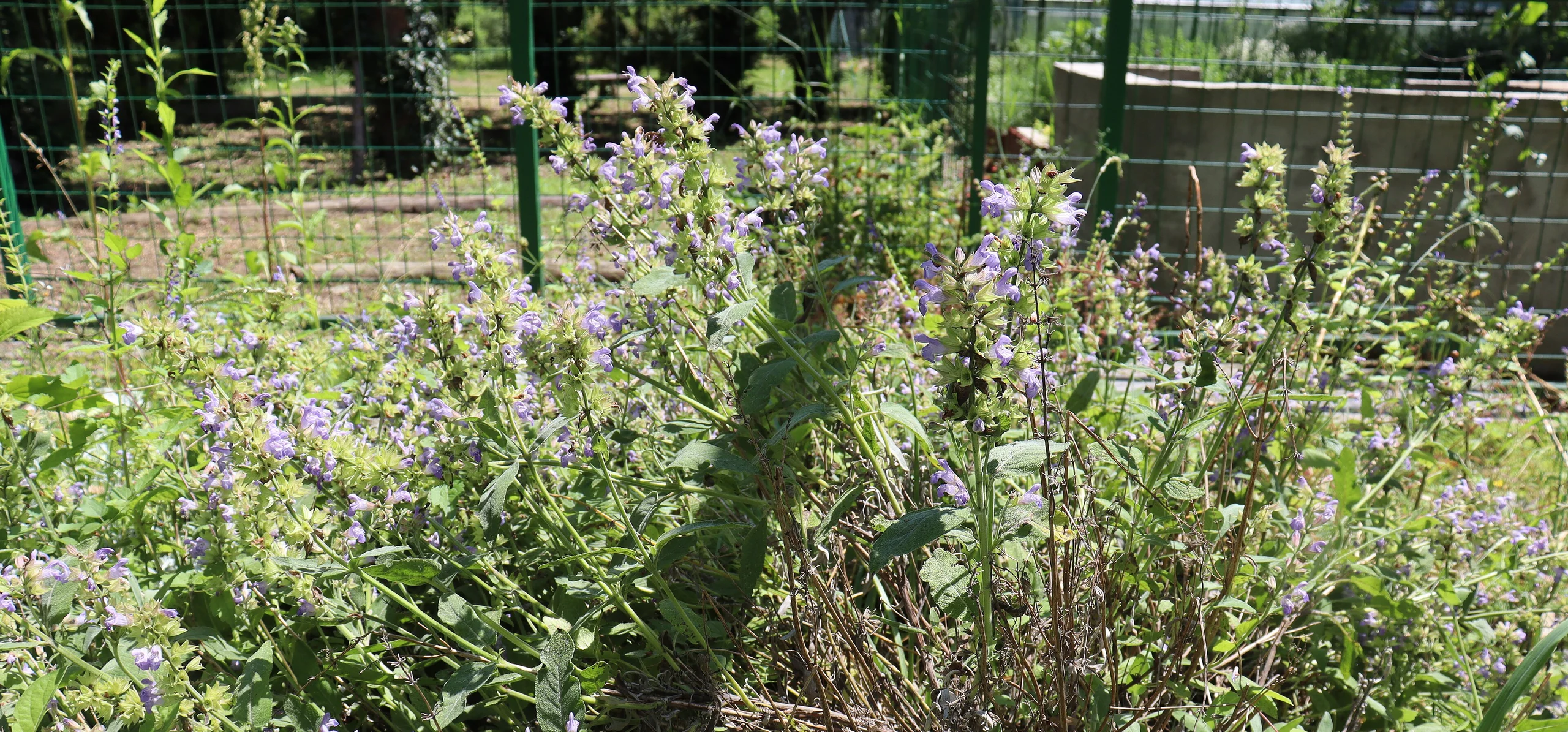
- Early summer, bluish-lavender to pinkish-lavender spikes
- Propagation
- Seed
- Cutting
- Layering
DormancyEvergreen in mild winters, semi-evergreen with some dieback further north
Time to maturityUsable leaves from the second growing season
Soil & climate
- Soil pH
- pH 6–8
- Soil types
- loam, sand, rocky, shallow soil
- Drought tolerance
- Yes
Light & Placement
- Origin
- SW Germany to southern Europe (Mediterranean and Balkans)
- Where to place it
- Sunny kitchen windowsill
- Bright south-facing window
- Herb bed
- Raised bed
- Gravel garden
- Unglazed terracotta pot with drainage holes
Safety
- Toxicity
- CatsSafe
- DogsSafe
- HorsesSafe
Data fromGBIF Backbone Taxonomy: Salvia officinalPlants of the World Online (Kew): SalviaASPCA Toxic and Non-Toxic Plants: SageRHS: Salvia officinalis (common sage)NC State Extension Gardener Plant Toolbo
Where it grows
World distribution
Common Sage is native to 8 countries: Albania, Croatia, France, Germany, Greece, Italy, Spain, and Switzerland.GBIF records 35,148 documented identifications across 85 countries, with the largest concentrations in France, Spain, and Germany.
- Albania
- Croatia
- France
- Germany
- Greece
- Italy
- Spain
- Switzerland
Yellow to orange dots: concentration of documented identifications per country. Green countries: sourced native range. Source: GBIFNative range from POWO (Kew).
A pot of common sage from the garden centre is usually a second-year plant already woody at the base, not a seedling, so the priority is getting it into free-draining soil before the roots sit wet through a rainy week. Salvia officinalis is a Mediterranean subshrub in the Lamiaceae family, hardy from USDA zone 4 to zone 8 and rated H5 by the RHS, hardy to -15 to -10 degrees C, so outdoor planting works across most temperate gardens as long as drainage is sharp. The grey-green, felted leaves signal a plant built for heat and poor soil: rich compost and daily watering do more harm than neglect. Expect usable leaves within weeks and a full harvest by the second season, once the woody framework is established.
Choosing a Spot: Sun, Soil, and Drainage
Sage wants a minimum of six hours of direct sun; in cooler climates, full sun all day produces the most concentrated aromatic oils, while gardeners in hot inland climates can get away with a few hours of light afternoon shade without losing vigor. Soil matters more than sun exposure: sage grows in loam, sand, or shallow rocky ground with a pH between 6.0 and 8.0, and what kills it fastest is standing water, not cold. Raised beds, slopes, or a generous handful of grit worked into clay soil before planting solve most drainage problems before they start.
In containers, choose unglazed terracotta over plastic, the porous walls let excess moisture evaporate through the pot wall as well as the drainage holes. A gritty, loam-based mix with roughly a quarter coarse sand or perlite mimics the rocky Mediterranean hillsides sage comes from.
Watering: Why Less Is More
Newly planted sage needs watering every few days for the first three to four weeks while roots establish. After that, established plants are drought tolerant and do better on deep, infrequent watering, roughly every ten to fourteen days in summer and less in cooler months, letting the top several centimetres of soil dry out completely between waterings. The most common way to lose a sage plant is not underwatering but the opposite: soil that never dries triggers root and foot rot within a single wet season.
Feeding and Soil Fertility
Sage is adapted to lean, low-fertility soil, and heavy feeding produces soft, floppy growth with a diluted flavor and weaker cold tolerance going into winter. A single light application of a balanced or low-nitrogen fertilizer in spring, once new growth starts, is enough for garden plants; container sage benefits from a diluted feed again in midsummer. Skip fertilizer entirely on plants growing in native, in-ground Mediterranean-style soil, they rarely need it.


Pruning to Stop the Woody Legginess
Left unpruned, sage turns into a leggy, bare-stemmed shrub within three to four years, flowering less and producing fewer usable leaves each season. Cut back by about one-third in spring once new growth appears, and again lightly after flowering if the plant looks straggly. Never cut into bare wood below where leaves grow, sage does not reliably resprout from old, leafless stems the way some other shrubs do. Replacing a plant every four to six years is standard practice even with good pruning, since the woody base eventually stops producing strong new growth regardless of care.
Hardiness, Winter Care, and Zones 4 to 8
Common sage is reliably hardy from USDA zone 4 through zone 8, and the RHS rates it H5, hardy to -15 to -10 degrees C in the UK climate. Foliage is evergreen in milder winters and semi-evergreen further north, where some leaf loss and dieback at the stem tips is normal and not a sign of a dying plant. In zone 4 and the colder end of zone 5, a loose mulch of straw or bark over the root zone, kept clear of the stems themselves, improves survival through hard frosts. Wait until new growth is visible in spring before cutting back winter-damaged stems, cutting too early removes wood that might still be alive.
Propagating by Cuttings, Layering, and Seed
Semi-hardwood stem cuttings taken in late spring or summer root reliably in a free-draining cutting mix and are the fastest way to replace an aging plant with an identical clone, useful since named cultivars such as 'Purpurascens' or 'Icterina' do not come true from seed. Layering, pinning a low side stem to the soil until it roots on its own, works well on established plants and needs almost no aftercare. Seed-grown sage is slower to reach a usable size and more variable in leaf color and habit, but it remains the cheapest way to grow a large planting.
Harvesting Leaves Without Weakening the Plant
Leaves can be picked as soon as the plant is established, but the flavor is strongest just before flowering in early summer. Take no more than a third of the foliage at any one time, and cut stems rather than stripping individual leaves, this doubles as a light prune and encourages branching. Leaves dry well hung in small bunches in a dark, airy spot for one to two weeks, after which they keep their aroma for up to a year stored in an airtight container out of direct light.
Pests, Diseases, and Common Mistakes
Sage is relatively trouble-free in the right conditions; most of its problems trace back to wet soil or poor air circulation rather than pests seeking it out specifically. Watch for rosemary beetle and sage leafhopper on the foliage, and slugs on young growth in damp weather; spider mites and whiteflies occasionally build up on stressed indoor plants. Powdery mildew and verticillium wilt are the main disease risks, both worse where plants are crowded or watered overhead in humid weather. Root and foot rot from waterlogged soil remains the single biggest cause of sage dying outright, far more common than any insect problem.
- Overwatering: the top mistake, especially in clay soil or plastic pots without drainage holes.
- Overfeeding: produces lush, weak growth and dilutes the essential oils that give sage its flavor.
- Letting it go too woody: skipping pruning for several years leads to bare, unproductive stems that rarely recover.
Test your plant knowledge
Tap a card to flip it and reveal the answer.
Common sage needs consistently moist soil to grow well. Tap to reveal ✕ False
Common sage is evergreen and can be picked through winter in mild climates. Tap to reveal ✓ True
Sage is toxic to cats and dogs if they chew on the leaves. Tap to reveal ✕ False
Sage can be propagated from stem cuttings as well as from seed. Tap to reveal ✓ True
Sage needs strongly acidic soil, below pH 5.5, to thrive. Tap to reveal ✕ False
Sources
References consulted for this guide
- GBIF Backbone Taxonomy: Salvia officinalisgbif.org
- Plants of the World Online (Kew): Salvia officinalispowo.science.kew.org
- ASPCA Toxic and Non-Toxic Plants: Sageaspca.org
- RHS: Salvia officinalis (common sage)rhs.org.uk
- NC State Extension Gardener Plant Toolbox: Salvia officinalisplants.ces.ncsu.edu
- Reference entity : Wikipédiaen.wikipedia.org